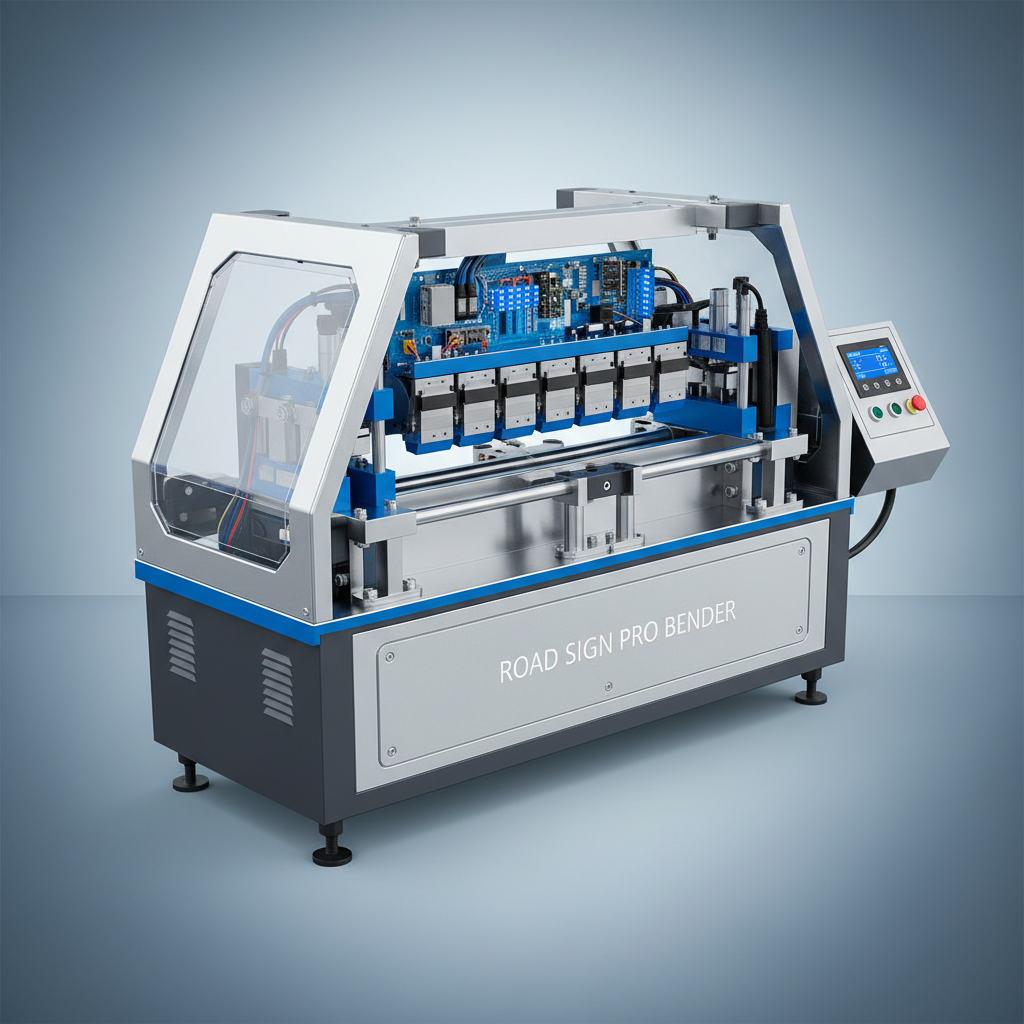
The demand for efficient and reliable solar energy solutions is rapidly increasing globally, driven by the urgent need to mitigate climate change and transition to sustainable energy sources. A crucial component in maximizing solar energy capture is the implementation of tracking systems, and at the heart of many of these systems lies the solar tracking steel channel roll former. These specialized roll formers are pivotal in creating the structural elements that allow solar panels to precisely follow the sun’s movement, significantly boosting energy yield. Understanding the intricacies of these systems is increasingly important for engineers, installers, and policymakers alike.
The global solar energy market is experiencing exponential growth, with projections indicating a continuing upward trajectory for decades to come (source: International Renewable Energy Agency - IRENA). This expansion directly fuels the need for innovative and cost-effective manufacturing processes for tracking system components. The solar tracking steel channel roll former addresses this need by enabling high-volume, precise production of the essential steel channels that form the backbone of these systems. Addressing challenges in manufacturing scalability is paramount to meeting this demand.
Investing in understanding and optimizing the production of these components is not just about economic growth; it’s about facilitating a cleaner, more sustainable future. From large-scale solar farms to distributed generation projects, the efficiency gains achieved through tracking systems, made possible by the solar tracking steel channel roll former, are vital in accelerating the global energy transition.
Introduction to Solar Tracking Steel Channel Roll Formers
Solar tracking systems are becoming increasingly prevalent in modern solar installations, enabling panels to dynamically adjust their orientation to maximize sunlight capture throughout the day. Central to the construction of these systems are the steel channels that provide the structural support and allow for precise movement. A solar tracking steel channel roll former is the specialized machinery designed for the continuous, high-volume production of these crucial components.
The importance of a robust and efficient roll forming process cannot be overstated. It directly impacts the cost, speed, and quality of solar tracking system manufacturing. High-precision steel channels are vital for ensuring the long-term reliability and performance of tracking systems, ultimately contributing to a greater return on investment for solar energy projects.
Defining Solar Tracking Steel Channel Roll Formers
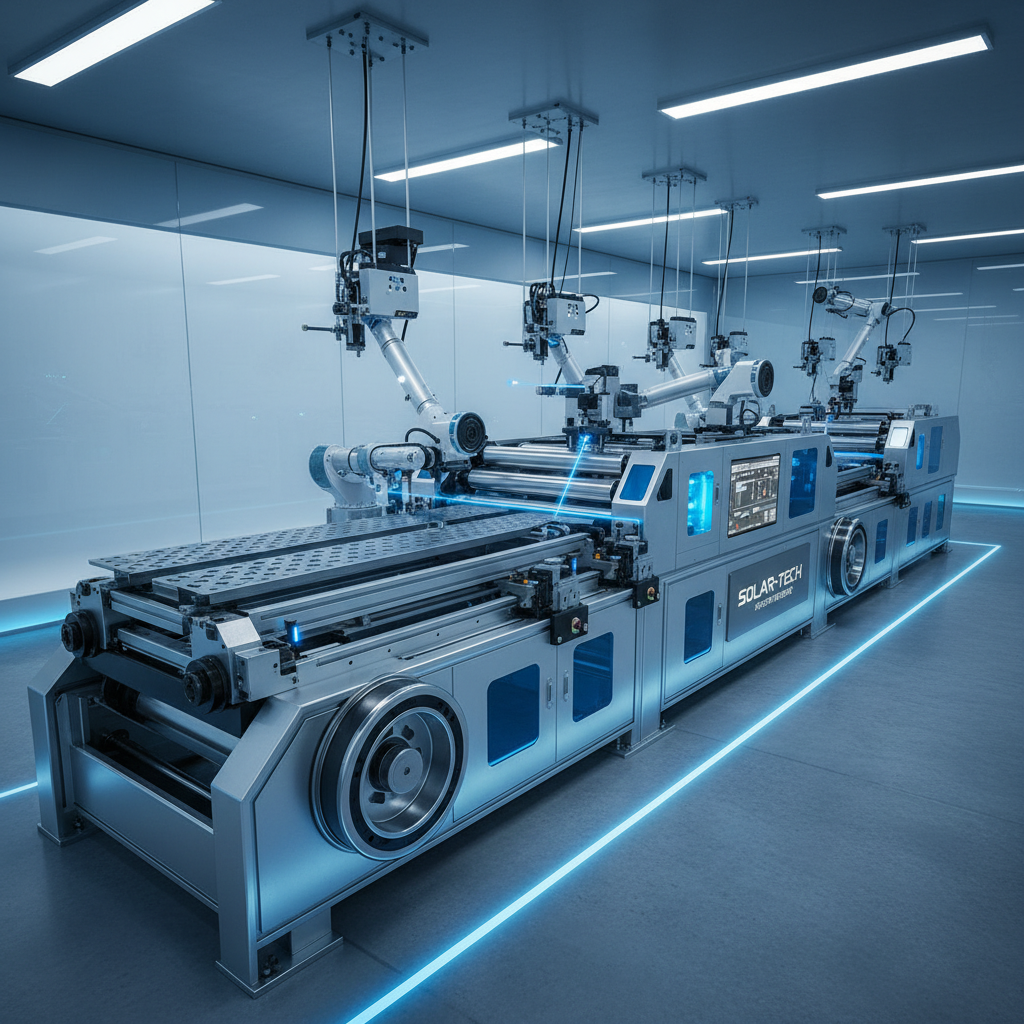
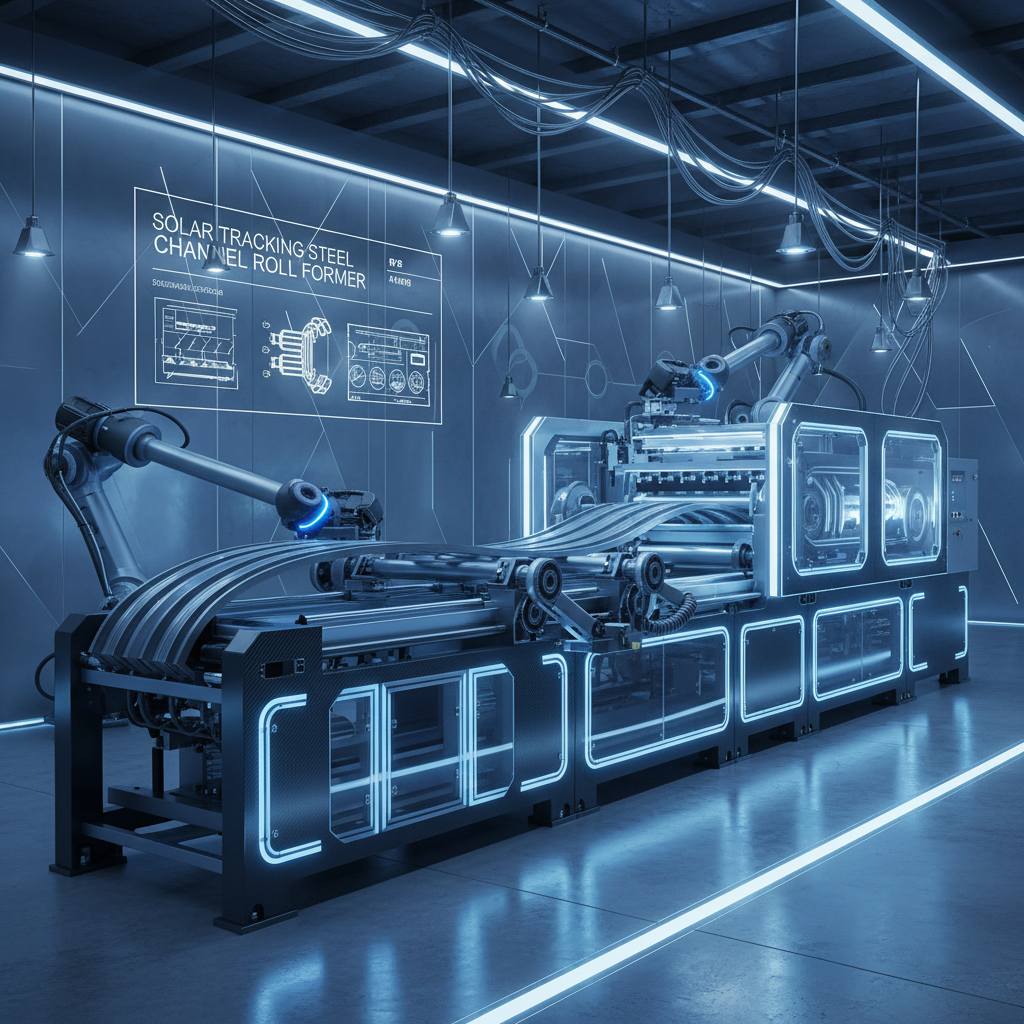
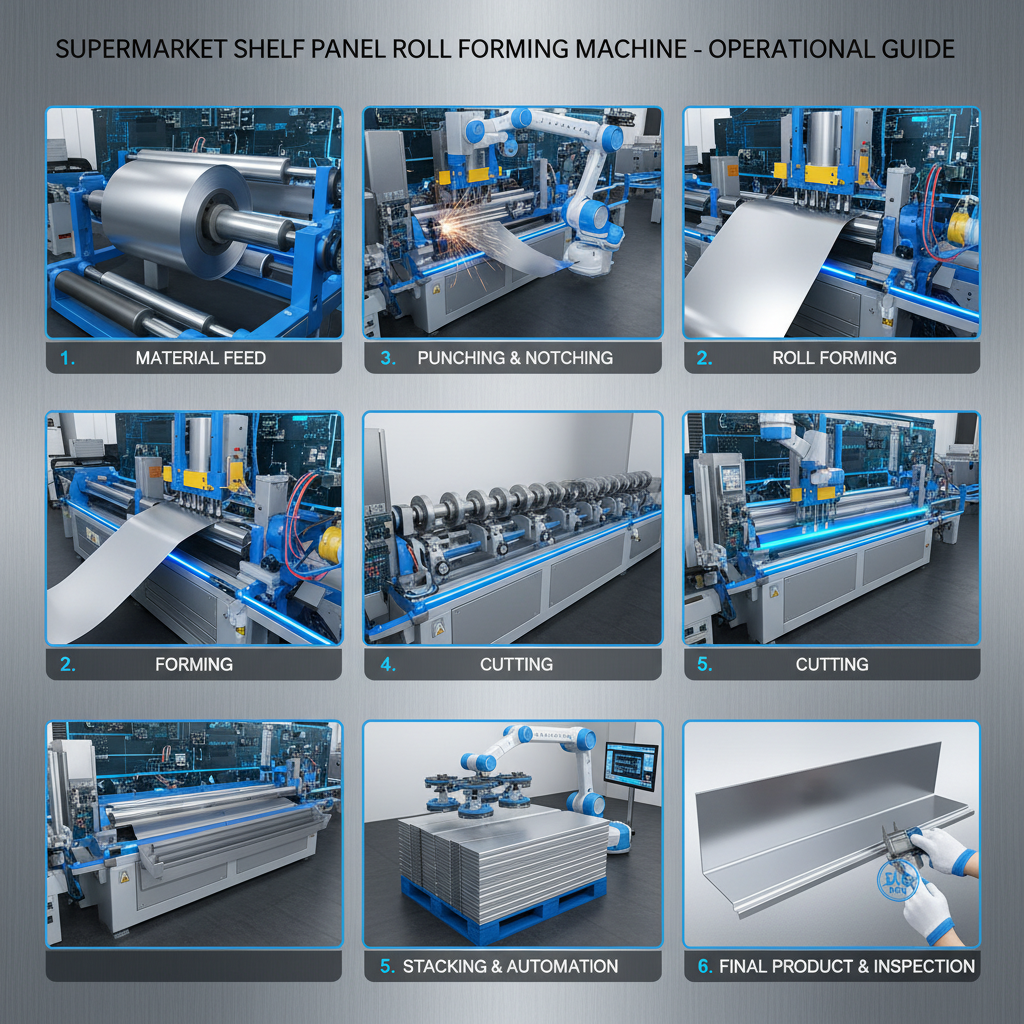
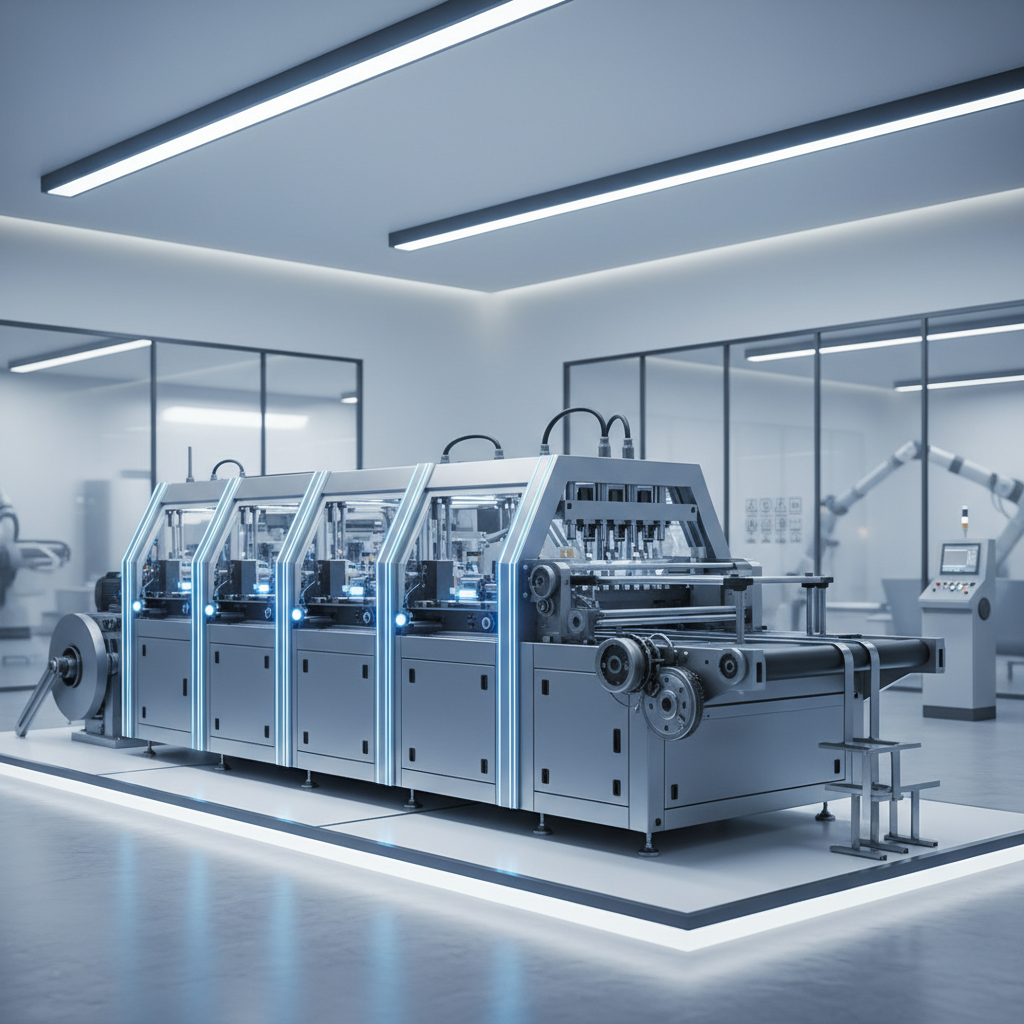
A solar tracking steel channel roll former is a machine that uses a series of rollers to progressively shape a flat sheet of steel into a specific channel profile. Unlike traditional fabrication methods like cutting and welding, roll forming is a continuous process resulting in consistently shaped, high-strength components. The machine is designed to produce the specific channels needed for the structural framework of solar trackers, typically including C-channels, U-channels, and specialized profiles.
This technology addresses a critical need in the renewable energy sector by automating the production of these key structural elements. Prior to the advent of efficient roll forming, manufacturing these channels was labor-intensive and expensive. Modern roll formers drastically reduce production time and costs, making large-scale solar tracking installations more economically feasible.
The integration of these machines into the renewable energy supply chain is a direct response to the growing demand for sustainable energy solutions, allowing for the rapid deployment of solar energy infrastructure worldwide. They are an indispensable part of modern, efficient solar energy production.
Key Factors of Solar Tracking Steel Channel Roll Formers
Several key factors determine the effectiveness and value of a solar tracking steel channel roll former. Durability is paramount, as the machine must withstand continuous operation and the demands of high-volume production. High-quality steel construction, robust bearings, and reliable drive systems are essential for minimizing downtime and ensuring a long service life.
Precision is another crucial aspect. The steel channels produced must meet strict dimensional tolerances to ensure proper alignment and smooth operation of the solar tracking system. Advanced control systems, precise roller alignment, and quality inspection processes are vital for achieving the necessary accuracy. An inaccurate channel can lead to reduced tracking efficiency and potential system failure.
Scalability refers to the machine’s ability to adapt to changing production demands. Modular designs and adjustable settings allow for the efficient production of different channel profiles and lengths. Cost-efficiency is also significant; a well-designed roll former minimizes material waste, reduces labor costs, and optimizes energy consumption. Finally, automation is key to reducing manual intervention and ensuring consistent quality.
Global Applications and Use Cases
Solar tracking steel channel roll formers are deployed globally in regions with significant solar energy development. Countries like China, the United States, India, and several European nations, actively investing in large-scale solar farms, represent major markets for these machines. These channels are integral in both horizontal single-axis trackers and dual-axis tracking systems.
Applications range from utility-scale power plants supplying electricity to the grid, to commercial and industrial rooftop installations reducing energy costs for businesses. The use of these roll formers extends beyond traditional solar farms and into emerging applications such as agrivoltaics – integrating solar energy production with agricultural land.
In remote industrial zones, where access to power is limited, solar tracking systems manufactured with components from these roll formers provide a reliable and sustainable energy source. Furthermore, they are increasingly being utilized in off-grid applications like powering irrigation systems in arid regions and providing electricity to rural communities.
Solar Tracking Steel Channel Roll Former Performance Metrics
Advantages and Long-Term Value
The primary benefit of utilizing a solar tracking steel channel roll former is significant cost reduction in solar tracker component production. High-volume output and minimal material waste contribute to lower per-unit costs. Beyond economic advantages, the use of these machines promotes sustainability by reducing reliance on labor-intensive and potentially polluting fabrication methods.
The improved efficiency of solar tracking systems, enabled by precisely formed steel channels, translates to increased energy yield and a faster return on investment for solar projects. This ultimately contributes to a more stable and secure energy supply. The long-term reliability of the steel channels also minimizes maintenance requirements and extends the operational lifespan of the tracking system.
Future Trends & Innovations
The future of solar tracking steel channel roll former technology is focused on increased automation, integration with Industry 4.0 principles, and the use of advanced materials. We can anticipate machines equipped with AI-powered quality control systems and predictive maintenance capabilities, minimizing downtime and maximizing efficiency.
Research is also underway to explore the use of lighter-weight, high-strength steel alloys in channel production, further reducing material costs and improving tracking system performance. Furthermore, the integration of digital twins—virtual replicas of the roll forming process—will enable manufacturers to optimize production parameters and simulate different scenarios before implementation.
Challenges & Solutions
One of the main challenges facing manufacturers utilizing solar tracking steel channel roll formers is maintaining consistent quality across high-volume production runs. Variations in steel material properties or slight misalignments in the rollers can lead to dimensional inaccuracies. Implementing rigorous quality control procedures, including laser scanning and automated inspection systems, is critical to address this issue.
Another challenge is the need for skilled technicians to operate and maintain these complex machines. Investing in comprehensive training programs and providing ongoing support is essential to ensure optimal performance and prevent costly breakdowns. Furthermore, developing more user-friendly interfaces and incorporating remote diagnostics capabilities can reduce the reliance on specialized expertise.
Finally, adapting the roll former to produce channels for increasingly diverse tracking system designs requires flexibility. Modular roll forming systems, capable of quickly switching between different tooling sets, provide a solution to this challenge, enabling manufacturers to respond rapidly to evolving market demands.
Summary of Key Challenges and Solutions for Solar Tracking Steel Channel Roll Formers
| Challenge |
Impact on Production |
Solution |
Implementation Cost (1-10) |
| Dimensional Inaccuracy |
Reduced Tracking Efficiency |
Automated Inspection Systems |
7 |
| Lack of Skilled Technicians |
Increased Downtime |
Comprehensive Training Programs |
5 |
| Material Variability |
Inconsistent Channel Strength |
Supplier Quality Control |
6 |
| Adapting to New Designs |
Slow Production Changeover |
Modular Roll Forming Systems |
8 |
| Machine Maintenance |
Unexpected Production Interruptions |
Predictive Maintenance Programs |
4 |
| Energy Consumption |
Increased Operational Costs |
Energy-Efficient Drive Systems |
3 |
FAQS
Using a solar tracking steel channel roll former offers significant advantages over traditional methods like cutting and welding. Roll forming provides higher production speeds, greater precision, reduced material waste, and lower labor costs. The continuous nature of the process results in consistent quality and stronger, more reliable channels. This translates to significant savings and improved performance for solar tracking systems.
While modern roll formers are becoming increasingly automated, a skilled technician is still required for operation, maintenance, and troubleshooting. Operators should have a solid understanding of mechanical systems, electrical controls, and safety procedures. Regular training is crucial to ensure optimal performance and prevent costly downtime. Proficiency in reading technical manuals and performing preventative maintenance is also essential.
Most solar tracking steel channel roll formers are designed to handle a variety of steel grades, including galvanized steel, carbon steel, and stainless steel. The specific steel type and thickness will depend on the machine's capabilities and the requirements of the solar tracking system. Galvanized steel is commonly used for its corrosion resistance, while stainless steel offers superior durability in harsh environments.
The precision of the steel channels is paramount to the efficient operation of a solar tracking system. Even slight dimensional inaccuracies can lead to misalignment, increased friction, and reduced tracking accuracy. Precise channels ensure smooth movement, optimal sunlight capture, and a longer lifespan for the system. Investing in a high-precision roll former is critical for maximizing energy yield.
Production capacity varies depending on the machine’s size, automation level, and the complexity of the channel profile. However, a modern solar tracking steel channel roll former can typically produce several hundred to thousands of feet of channel per hour. This high-volume output is essential for meeting the growing demand for solar tracking systems.
Operating a roll former involves inherent safety risks, including pinch points, moving machinery, and electrical hazards. Strict adherence to safety protocols is essential. This includes wearing appropriate personal protective equipment (PPE), ensuring proper machine guarding, following lockout/tagout procedures during maintenance, and receiving comprehensive safety training. Regular safety inspections are also crucial.
Conclusion
In conclusion, the solar tracking steel channel roll former stands as a critical component in the expansion of sustainable solar energy. By enabling the cost-effective, high-volume production of precision steel channels, these machines are driving down the cost of solar tracking systems and improving their overall performance. Their impact extends beyond mere economic benefits, contributing to a cleaner environment and a more secure energy future.
Looking ahead, continued innovation in roll forming technology – incorporating automation, advanced materials, and Industry 4.0 principles – will be essential to meet the escalating demands of the renewable energy sector. Investing in this technology is not simply about manufacturing components; it's about investing in a more sustainable and resilient future. Visit our website at www.machineyingyee.com to learn more about our range of roll forming solutions.