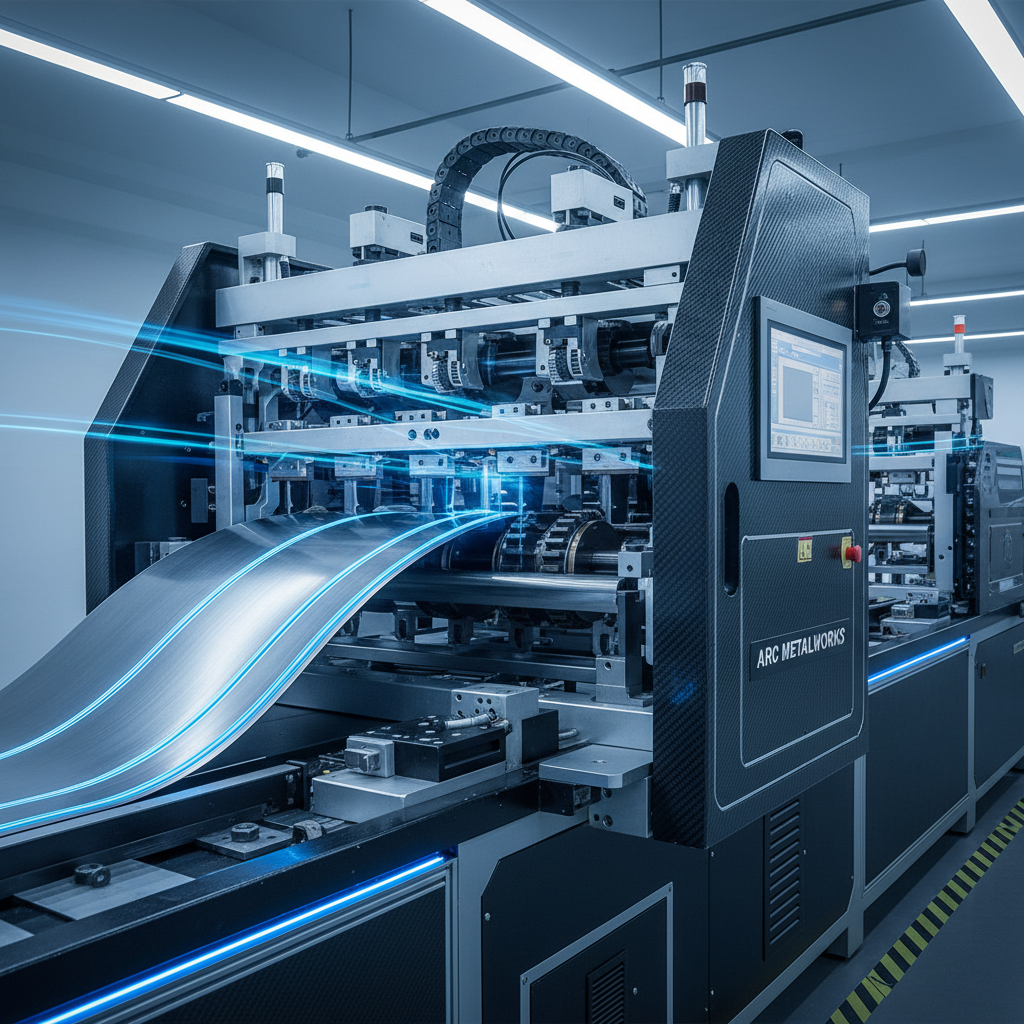
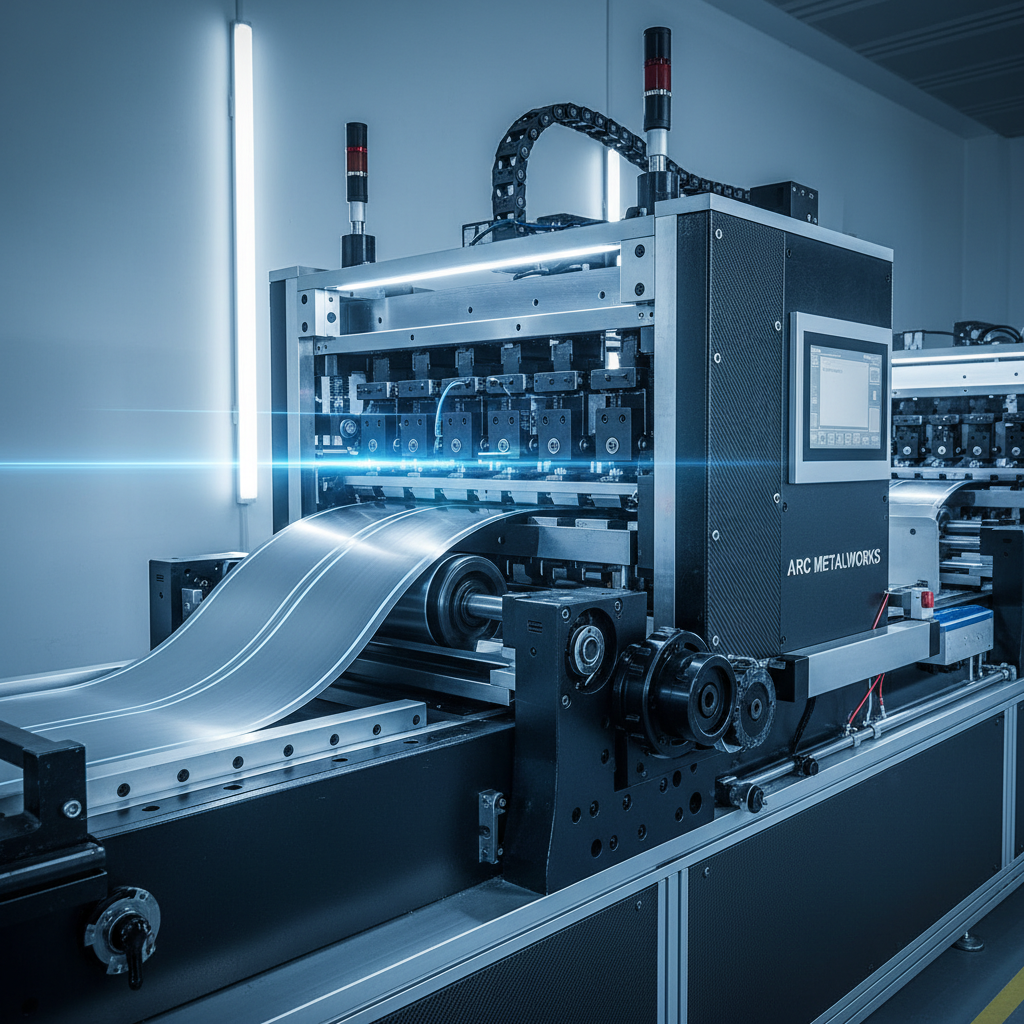
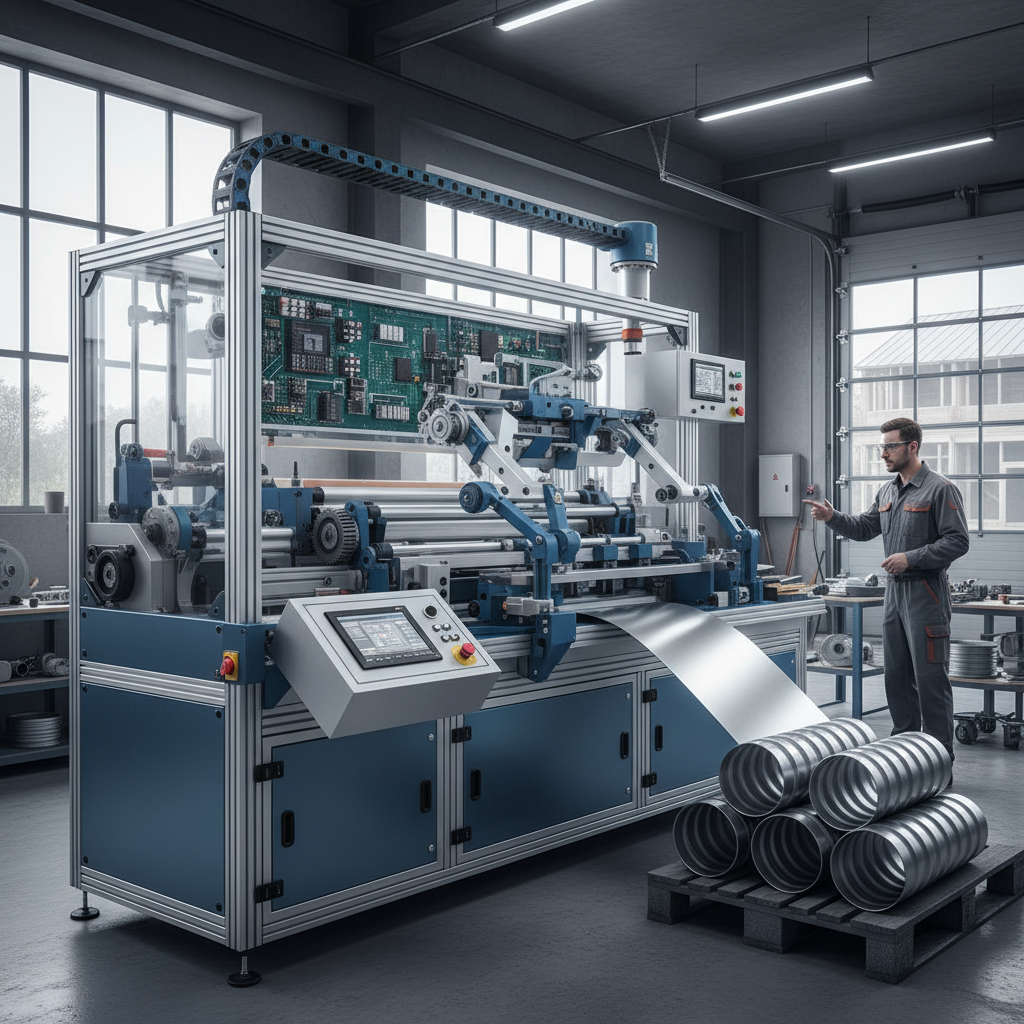
The tile arc steel sheet roll forming machine represents a significant advancement in the construction and manufacturing industries. Its ability to efficiently produce curved steel sheeting is crucial for diverse applications, from roofing and cladding to complex architectural designs. Understanding the principles, capabilities, and emerging trends in this technology is increasingly important for engineers, architects, and manufacturers seeking innovative and cost-effective solutions. The global demand for durable, lightweight, and aesthetically pleasing building materials is driving the adoption of tile arc steel sheet roll forming machine.
Globally, the construction sector is experiencing rapid growth, particularly in developing economies. Simultaneously, there’s a rising demand for sustainable and efficient building practices. Tile arc steel sheet roll forming machine addresses both these needs by offering a process that minimizes waste, reduces on-site construction time, and delivers high-quality, long-lasting structures. This technology is not merely a manufacturing process; it’s a component of a broader movement towards modern, sustainable, and resilient infrastructure.
The increasing need for rapid deployment in disaster relief and emergency housing also highlights the critical role of technologies like the tile arc steel sheet roll forming machine. Its ability to quickly produce essential building components can be a lifeline in challenging situations, showcasing its humanitarian and societal impact.
Introduction to Tile Arc Steel Sheet Roll Forming Machine
The tile arc steel sheet roll forming machine is a specialized system designed for the continuous bending of steel sheets into curved profiles, resembling tiles or arcs. This process utilizes a series of rollers to gradually deform the sheet metal without compromising its integrity. This method offers significant advantages over traditional fabrication techniques, particularly in terms of speed and precision.
The machine’s versatility allows for the creation of a wide range of curvatures and profiles, making it suitable for numerous applications. From architectural roofing elements to structural components in various industries, the tile arc steel sheet roll forming machine provides a robust and efficient manufacturing solution. Its ability to produce consistent, high-quality curves is a key differentiator.
Global Relevance and Industry Context
The global steel industry is a massive economic force, with production exceeding 1.8 billion metric tons annually (World Steel Association, 2023). Within this industry, roll forming represents a significant segment, valued at billions of dollars and experiencing steady growth. The demand for roll-formed products, including those created by a tile arc steel sheet roll forming machine, is driven by the construction, automotive, and manufacturing sectors.
A major challenge facing the construction industry is the need for faster, more efficient building methods. Traditional construction techniques can be time-consuming and labor-intensive. The tile arc steel sheet roll forming machine addresses this challenge by providing a streamlined process for producing curved steel components, reducing on-site fabrication time and labor costs.
Furthermore, increasing concerns about sustainability and material waste are pushing industries to adopt more eco-friendly practices. Roll forming, in general, is a relatively waste-efficient process compared to methods like cutting and welding. The tile arc steel sheet roll forming machine contributes to this trend by minimizing material scrap and reducing the environmental impact of construction projects.
Defining Tile Arc Steel Sheet Roll Forming Machine
A tile arc steel sheet roll forming machine is a specialized type of roll forming equipment designed to create curved or arc-shaped profiles from steel sheets. Unlike standard roll forming, which produces straight or simple bends, this machine is engineered to handle more complex curvatures with precision and consistency. The process involves feeding a flat steel sheet through a series of rollers, each progressively bending the material until it achieves the desired arc shape.
This technology is intrinsically linked to modern industrial construction and architectural design. It allows for the creation of aesthetically pleasing and structurally sound curved elements, enhancing building designs and offering unique architectural possibilities. Its application extends beyond aesthetics; curved steel sheeting provides increased structural strength and aerodynamic advantages in certain applications.
The core principle revolves around plastic deformation of the steel. The rollers exert controlled force, causing the steel to permanently change shape without fracturing or thinning. This requires precise roller design, material selection, and machine control to ensure the final product meets stringent quality standards.
Key Factors and Core Components
Several key factors define the performance and efficiency of a tile arc steel sheet roll forming machine. Durability is paramount. The machine must withstand continuous operation and the stress of bending steel sheets. High-quality steel construction and robust components are essential for longevity. Another crucial factor is Precision. Accurate roller alignment and control systems are vital for producing consistent, dimensionally accurate curves.
Versatility is also a key attribute. A good machine should be capable of producing a range of arc radii and profiles by simply changing the roller configuration. Scalability is important for businesses expecting growth. The machine should be able to handle varying production volumes and sheet thicknesses. Cost Efficiency is achieved through reduced material waste, lower labor costs, and faster production times. Finally, Automation streamlines operations and enhances the consistency of the finished product.
Tile Arc Steel Sheet Roll Forming Machine Performance Metrics
Global Applications and Use Cases
The tile arc steel sheet roll forming machine finds diverse applications worldwide. In the construction industry, it’s used extensively for roofing and cladding of large structures like stadiums, warehouses, and industrial facilities. The curved steel sheeting provides superior structural integrity and aesthetic appeal. In remote industrial zones, the machines enable on-site production, reducing transportation costs and logistical complexities.
Architectural applications are another significant area. Curved steel elements are increasingly incorporated into modern building designs, creating unique and visually stunning structures. The machine allows architects to realize their creative visions without the limitations of traditional fabrication methods. Moreover, in post-disaster relief operations, rapidly deployable shelters constructed from curved steel sheeting offer a safe and durable housing solution.
Beyond construction, the automotive industry utilizes tile arc steel sheet roll forming machine for manufacturing components like vehicle panels and structural elements. The aerospace sector also leverages the technology for producing curved parts with high precision and strength. The marine industry uses it for boat hulls and other structural components.
Advantages and Long-Term Value
The advantages of employing a tile arc steel sheet roll forming machine extend beyond mere efficiency. Cost savings are substantial, stemming from reduced material waste, lower labor requirements, and faster production cycles. The long-term durability of the resulting steel structures contributes to sustainability by minimizing the need for repairs and replacements.
Social impact is also noteworthy. Rapid deployment housing solutions offer dignified shelter to those affected by disasters or displacement. The technology promotes safety through the creation of structurally sound buildings and components. The innovation inherent in tile arc steel sheet roll forming machine fosters trust and confidence among stakeholders. This is due to its precision, efficiency, and reliability.
Future Trends and Innovations
The future of tile arc steel sheet roll forming machine is poised for significant advancements. Integration of AI-powered control systems will enable even greater precision and automation, optimizing material usage and reducing defects. The development of new, high-strength steel alloys will expand the application possibilities, allowing for thinner and lighter structures.
Sustainability is a major driving force. Research into eco-friendly coating materials and recycling processes will further reduce the environmental impact of the technology. Digital transformation, including the use of IoT sensors for real-time monitoring and predictive maintenance, will enhance operational efficiency and reliability.
Furthermore, the adoption of green energy sources to power these machines will align with global sustainability goals. We can also expect advancements in hybrid roll forming techniques that combine curvature with other forming processes, creating even more complex and versatile profiles.
Challenges and Solutions
Despite the numerous benefits, certain challenges remain in the widespread adoption of tile arc steel sheet roll forming machine. One common limitation is the initial investment cost, which can be significant for smaller businesses. Another challenge is the need for skilled operators to program and maintain the machines effectively. Maintaining consistent material quality across different steel suppliers can also pose a hurdle.
To address these challenges, manufacturers are developing more affordable and compact machines tailored to smaller-scale operations. Increased investment in training programs and online resources can equip operators with the necessary skills. Implementing rigorous quality control measures and establishing partnerships with reputable steel suppliers can ensure material consistency.
Exploring leasing or financing options can help overcome the initial cost barrier. Furthermore, advancements in machine learning and automation are making the operation of these machines more intuitive and user-friendly, reducing the reliance on highly specialized skills.
Summary of Solutions to Common Challenges Associated with Tile Arc Steel Sheet Roll Forming Machine
| Challenge |
Impact on Productivity |
Proposed Solution |
Implementation Cost (Scale 1-10) |
| High Initial Investment |
Limits accessibility for smaller companies |
Leasing options, financing programs |
4 |
| Skilled Operator Shortage |
Reduced machine efficiency, increased downtime |
Comprehensive training programs, user-friendly interfaces |
6 |
| Material Quality Consistency |
Defects in final product, increased scrap rate |
Strict supplier qualification, material testing protocols |
5 |
| Complex Profile Programming |
Time-consuming setup, potential for errors |
AI-powered software, pre-programmed profiles |
7 |
| Machine Maintenance Downtime |
Disruptions in production schedule |
Preventive maintenance schedules, remote diagnostics |
3 |
| Limited Profile Design Flexibility |
Restricts architectural innovation |
Advanced roller design capabilities, multi-axis control |
8 |
FAQS
Tile arc steel sheet roll forming machines offer significant advantages including increased production speed, reduced material waste, and lower labor costs. Unlike traditional methods like cutting and welding, roll forming is a continuous process minimizing material scrap. The precision and consistency achieved with roll forming also lead to higher quality finished products. This results in a more efficient and cost-effective manufacturing process.
Most commonly, carbon steel, galvanized steel, and stainless steel are processed effectively. The steel must have adequate ductility to withstand the bending process without fracturing. The specific grade and thickness of the steel will depend on the machine's capabilities and the desired final product. Consulting with a machine manufacturer is crucial to determine the optimal steel type for your application.
With proper maintenance, a tile arc steel sheet roll forming machine can have a lifespan of 15-20 years or even longer. Regular maintenance includes lubrication of moving parts, inspection of rollers for wear, and calibration of control systems. Preventive maintenance schedules, as recommended by the manufacturer, are essential to minimize downtime and ensure optimal performance.
Production speeds vary significantly depending on the complexity of the profile, the thickness of the steel, and the machine's specifications. However, a typical tile arc steel sheet roll forming machine can produce between 10 and 50 meters of finished product per minute. Automation features and optimized machine settings can further enhance production speed.
The space requirements depend on the size and complexity of the machine. A typical setup will require a minimum of 200-300 square meters. This space needs to accommodate the machine itself, material storage, a coil uncoiler, a stacker or conveyor system for finished products, and sufficient space for operator access and maintenance.
Safety is paramount when operating this machinery. Key considerations include proper guarding of moving parts, lockout/tagout procedures during maintenance, and the use of personal protective equipment (PPE) such as safety glasses, gloves, and hearing protection. Thorough operator training is essential to ensure safe and efficient operation. Emergency stop mechanisms should be readily accessible.
Conclusion
In conclusion, the tile arc steel sheet roll forming machine stands as a cornerstone of modern manufacturing and construction. Its ability to deliver durable, aesthetically pleasing, and cost-effective curved steel components addresses critical needs across diverse industries. From building infrastructure to rapid deployment solutions, this technology has a transformative impact on how we design and build the world around us. The convergence of advanced automation, sustainable practices, and innovative material science ensures its continued relevance in the future.
Looking ahead, continued investment in research and development will unlock even greater potential for tile arc steel sheet roll forming machine. The integration of AI, IoT, and green technologies will enhance efficiency, sustainability, and overall value. We encourage businesses and organizations to explore the opportunities presented by this technology to streamline their operations, reduce costs, and contribute to a more sustainable future. Visit our website at tile arc steel sheet roll forming machine to learn more.