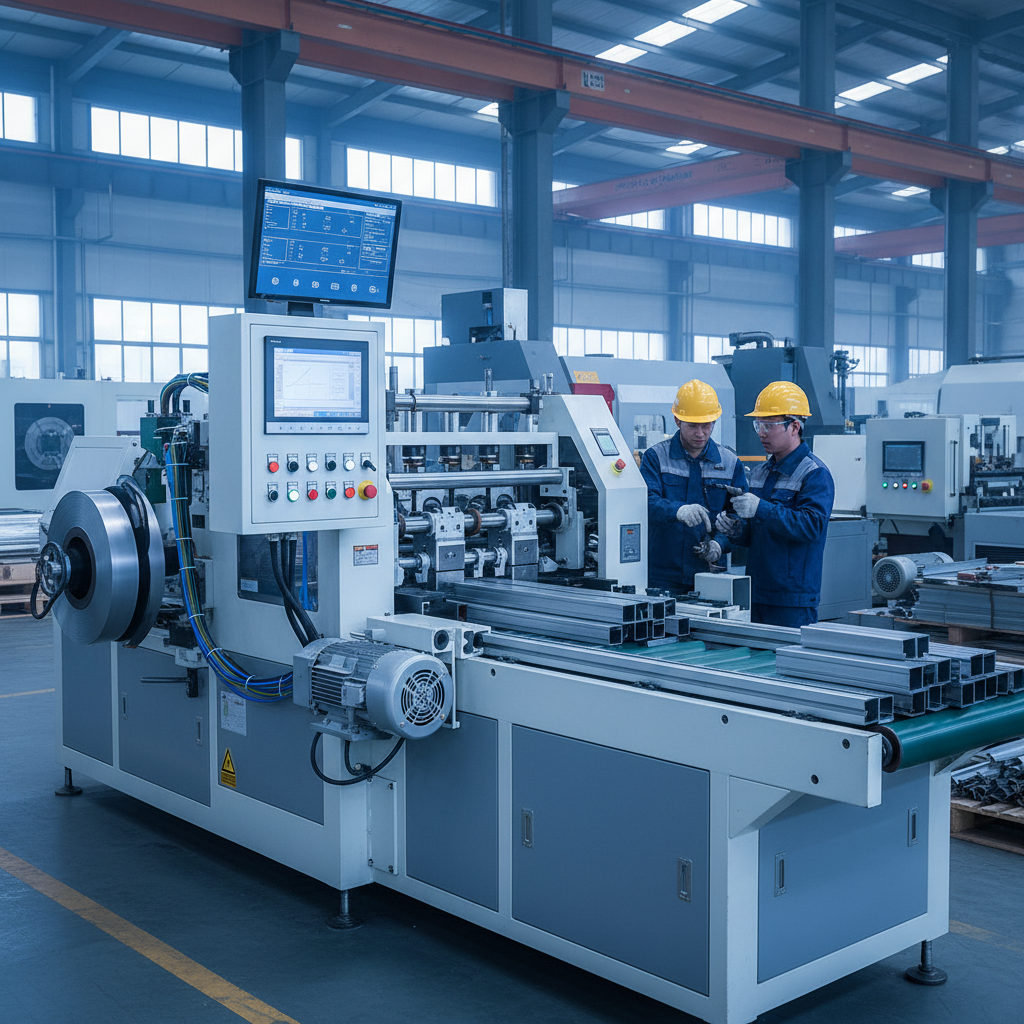
To be honest, this year’s been… something. Everyone's talking about miniaturization, right? Everything’s gotta be smaller, lighter, more efficient. Seems simple enough, but it’s a minefield, I tell ya. I was at a factory in Ningbo last month, and they were pushing this new alloy, claimed it was the future. Future of what, I asked, headaches? It looked pretty enough, all shiny and whatnot, but try getting a decent torque on that stuff without stripping the head. Have you noticed how everyone’s obsessed with specs on paper? Doesn’t mean a thing when you're out in the field, covered in grease, trying to make it work.
It’s always the little things that get you. Like, people think designing a china motor stud is just about the metal, the threading, the load capacity. It’s not. It's about how the damn thing feels in your hand. The weight, the grip, the way the coating doesn't flake off after three uses. I encountered this at a small workshop in Changzhou last time - they were using a zinc plating that smelled like rotten eggs. Rotten eggs! Said it was cheaper. Cheap usually means trouble, you know?
We’ve been leaning heavily into 40CrMnTi alloy these days for the core. Feels solid, smells… well, like metal, which is a good sign. It’s not fancy, but it holds up. We've experimented with titanium, obviously, but it’s too brittle for a lot of applications. Plus, the cost. Forget about it. The coating is where it gets interesting. We’re using a PTFE blend, gives it a nice slick feel, and resists corrosion pretty well. But it does wear off eventually. Strangely, the guys on site prefer a slightly rougher coating – says it gives them more grip with gloves on. Go figure.

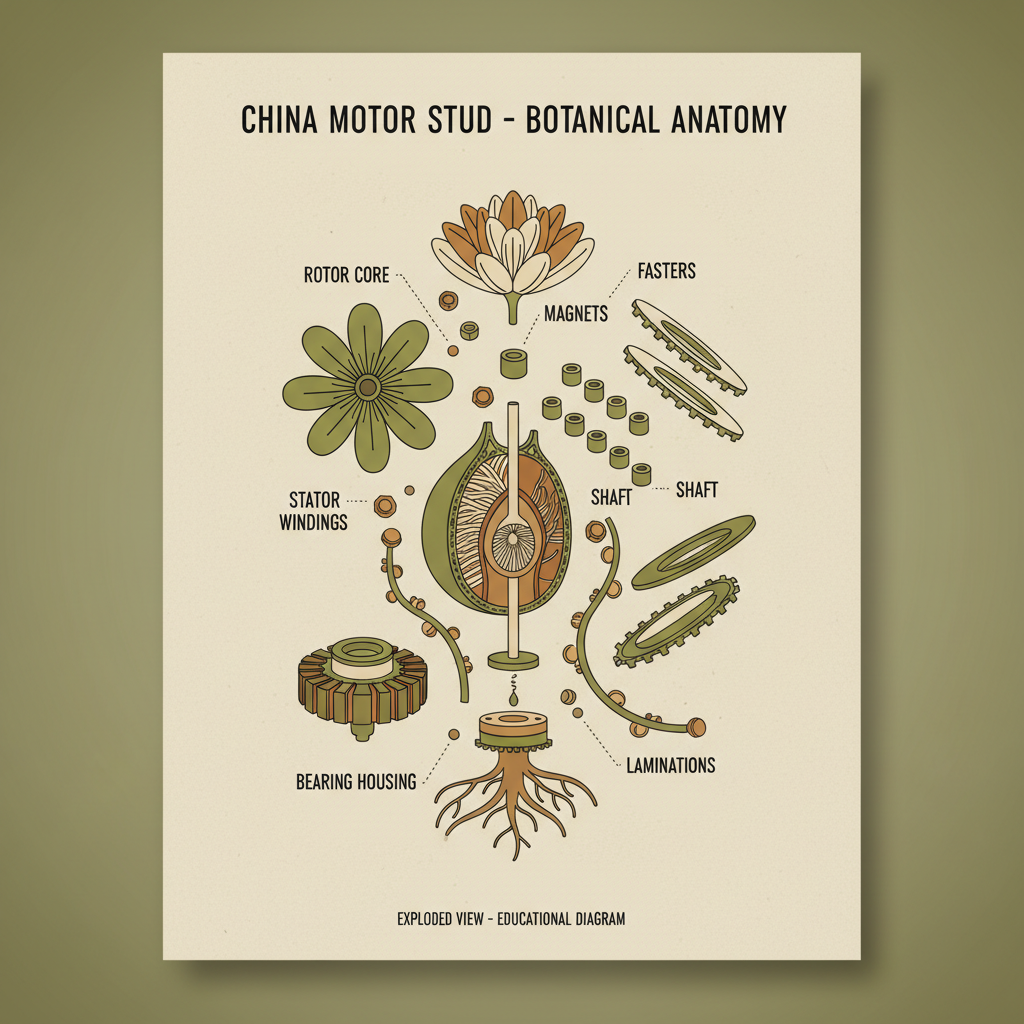
I've been seeing a lot of pressure to integrate sensors into these studs. Apparently, everyone wants “smart” everything. It sounds good in the boardroom, but out on the construction site? It just adds another point of failure. Anyway, I think keeping things simple is often the best approach. Another trend is moving to lighter materials, but sometimes, you just need the weight for stability. Finding that balance is the tricky part.
One common design pitfall is over-engineering. People get so focused on theoretical load capacity they forget about practical installation. A stud that's a nightmare to install is a bad stud, no matter how strong it is.
For seriously humid environments, like coastal areas or chemical plants, PTFE is good, but a hot-dip galvanized coating is even better. It's more expensive, but it provides a significantly higher level of corrosion protection. We’ve seen studs last decades in saltwater applications with proper galvanizing. It’s a bit rougher to the touch, though – some installers don’t like it.
Honestly, a good quality click-type torque wrench is all you need. Don't go crazy with the fancy digital ones. Just make sure it’s calibrated regularly. The specific torque value will depend on the size of the stud and the application, but we always provide recommendations with our products. Over-torquing is a common mistake – you'll strip the threads before you know it.
Yes, absolutely. But you need to be careful about galvanic corrosion. If you're using stainless steel bolts with our carbon steel studs in a humid environment, you might experience some corrosion at the interface. Using an anti-seize compound can help mitigate that. It’s a small detail, but it can make a big difference in the long run.
Yep, we can do that. We have a minimum order quantity, of course, but we're happy to customize the thread pitch, length, and coating to meet your specific requirements. We had a customer last year who needed a non-standard thread pitch for a vintage motorcycle restoration. It was a small order, but we were able to accommodate them.
They don't really have a shelf life, as long as they're stored properly. Keep them dry and protected from corrosion. We recommend storing them in a sealed container. I’ve seen studs sitting in warehouses for years and still be perfectly usable. It's more about protecting them from the elements than worrying about a "use by" date.
We've got a pretty rigorous quality control process. We inspect every batch of raw materials, we monitor the manufacturing process closely, and we perform random testing on finished products. But honestly, the best quality control is having experienced workers who take pride in their work. You can't automate everything. A good eye and a skilled hand are still the most important tools.
So, yeah, china motor stud. Seems simple enough, right? A bit of metal, a few threads. But it’s a lot more than that. It’s about materials, design, testing, and ultimately, reliability. It's about understanding the real-world challenges faced by the people who use these things every day. It's about finding that balance between cost, performance, and practicality.
Ultimately, whether this thing works or not, the worker will know the moment he tightens the screw. And if he's happy, then we've done our job. If you're looking for a reliable, high-quality china motor stud, give us a shout. You can find us at www.machineyingyee.com.