search
Close
0%

Table of Contents

Road sign profile cold bending machines represent a vital component in modern infrastructure development and maintenance globally. These specialized machines are engineered to accurately and efficiently bend metal profiles used in the creation of road signs, ensuring clarity, durability, and adherence to safety standards. Their importance extends beyond simply creating signs; they contribute to road safety, efficient traffic management, and overall public wellbeing. The ability to rapidly produce high-quality road signs is crucial for new construction projects, infrastructure upgrades, and responding to changing traffic conditions, making these machines indispensable tools for transportation authorities worldwide.

The demand for effective road signage is continuously growing, driven by expanding road networks, increased vehicle traffic, and a heightened focus on road safety regulations. Developing nations undergoing rapid infrastructure development, alongside established economies requiring ongoing maintenance and upgrades, both rely heavily on reliable road sign production. This global need translates to a significant market for road sign profile cold bending machines, with technological advancements continuously improving efficiency, precision, and the types of materials that can be processed. Furthermore, the increasing emphasis on sustainable practices is influencing the design and operation of these machines.

Understanding the principles behind road sign profile cold bending machines—their capabilities, limitations, and evolving technologies—is crucial for professionals involved in road construction, traffic management, and manufacturing. This knowledge empowers informed decision-making regarding machine selection, operational optimization, and future investment in this essential infrastructure component. The continuous innovation within this field promises to further enhance the efficiency, safety, and sustainability of road sign production processes.
Advanced Road Sign Profile Cold Bending Machine Solutions for Infrastructure Development

Introduction to Road Sign Profile Cold Bending Machines

Advanced Road Sign Profile Cold Bending Machine Solutions for Infrastructure Development

Road sign profile cold bending machines are specialized industrial equipment designed for shaping metal profiles – typically aluminum, steel, or galvanized steel – into the various curves and angles required for creating road signs. Unlike hot bending which uses heat to make the metal malleable, cold bending relies on applying controlled force to deform the metal at room temperature. This method preserves the metal’s inherent strength and reduces the risk of distortion, making it ideal for producing accurate and durable road signs.

These machines play a critical role in ensuring road safety and traffic flow. By enabling the mass production of standardized and consistently shaped signs, they contribute to clear and effective communication with drivers and pedestrians. The accuracy and repeatability offered by these machines are paramount, as even slight deviations in sign shape can impact visibility and comprehension. The modern road sign profile cold bending machine is a significant advancement over manual bending techniques, drastically improving efficiency and quality.

Defining Road Sign Profile Cold Bending Machines

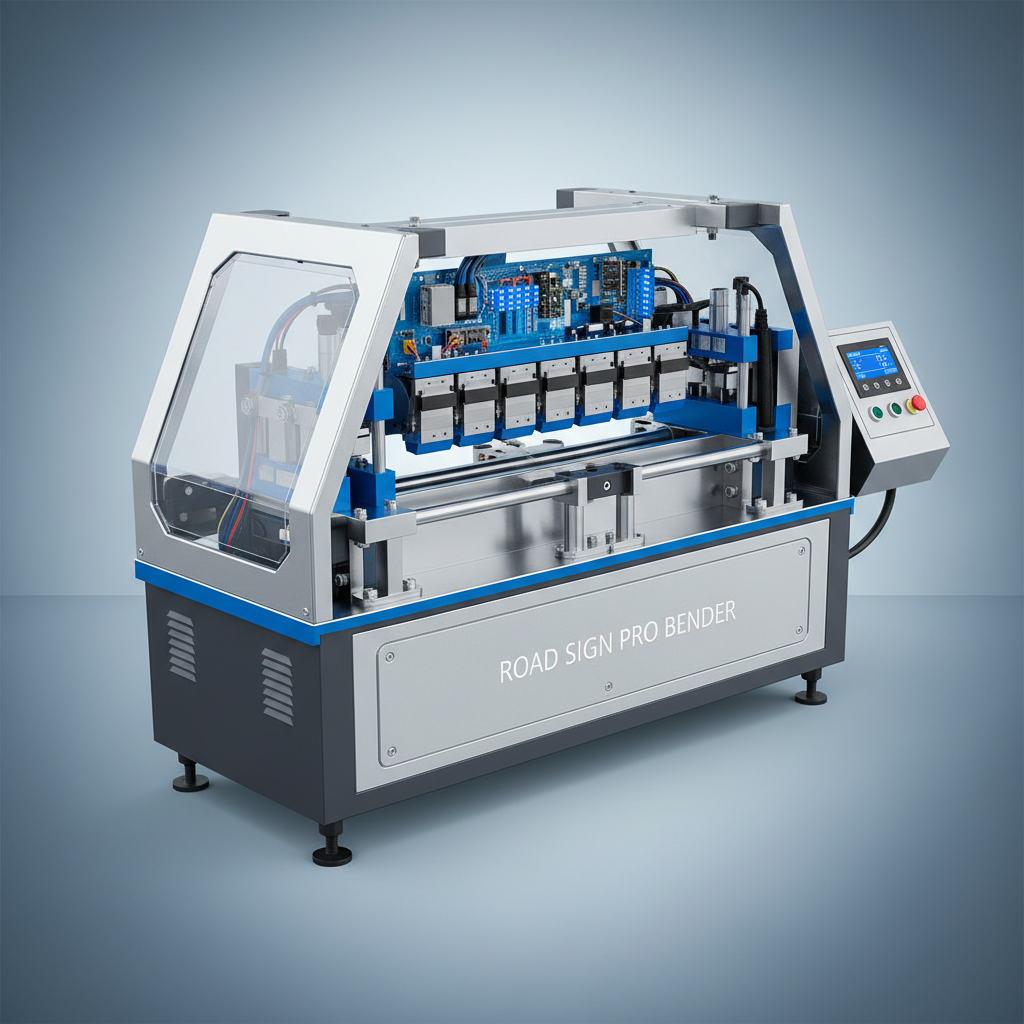
A road sign profile cold bending machine is essentially a precision forming tool. It utilizes a combination of rollers, dies, and hydraulic or servo-electric power to precisely bend metal profiles to predetermined shapes. These machines are typically computer-controlled (CNC), allowing for programmable bending sequences and high levels of accuracy. The core process involves clamping the metal profile securely and applying controlled pressure to force it around a bending form.

The connection to modern industry is substantial. These machines aren't solely used for road signs; they also find applications in creating profiles for architectural elements, automotive components, and various other metal fabrication projects requiring precise curves and angles. The technology underpinning these machines reflects advancements in materials science, automation, and control systems.

The relevance to humanitarian needs arises from the importance of clear communication in emergency situations. Following natural disasters or in conflict zones, rapidly deployable and easily understandable road signage is crucial for directing aid, evacuating populations, and restoring order. Road sign profile cold bending machines can facilitate the quick production of these essential signs, contributing to more effective disaster response and recovery efforts.

Key Components & Operational Factors

Durability is a crucial factor. High-quality road sign profile cold bending machines are built with robust materials and components to withstand continuous operation and the demands of industrial environments. The lifespan of the machine, along with the consistency of its output, directly impacts the cost-effectiveness of road sign production.

Precision is paramount. CNC control systems and accurate die designs ensure that the bent profiles meet strict dimensional tolerances. This precision is vital for sign legibility and adherence to safety standards. The ability to consistently reproduce complex curves and angles is a key differentiator between high-performing and subpar machines.

Flexibility is essential. A versatile machine can handle a wide range of profile shapes and materials, adapting to diverse road sign requirements. Quick changeover capabilities – the ability to easily switch between different bending programs and dies – minimize downtime and maximize productivity.

Global Applications and Industry Impact

Road sign profile cold bending machines are utilized extensively by transportation departments and sign manufacturers in North America, Europe, and Asia. In the United States, the Federal Highway Administration (FHWA) sets standards for road sign design and reflectivity, driving demand for machines capable of meeting these specifications. In Europe, compliance with EN 12899 standards is crucial for ensuring sign quality and safety.

The automotive industry also benefits, as these machines can produce metal components used in vehicle body structures and interior trim. Architectural metalwork relies on similar bending techniques for creating decorative elements and structural supports. Manufacturers serving these diverse industries represent a substantial market for road sign profile cold bending machine producers.

In post-disaster relief operations, mobile road sign profile cold bending units can be deployed to quickly produce temporary signage for directing aid and managing traffic flow. In remote industrial zones, where access to pre-fabricated signs may be limited, on-site bending machines provide a cost-effective solution for creating localized signage.

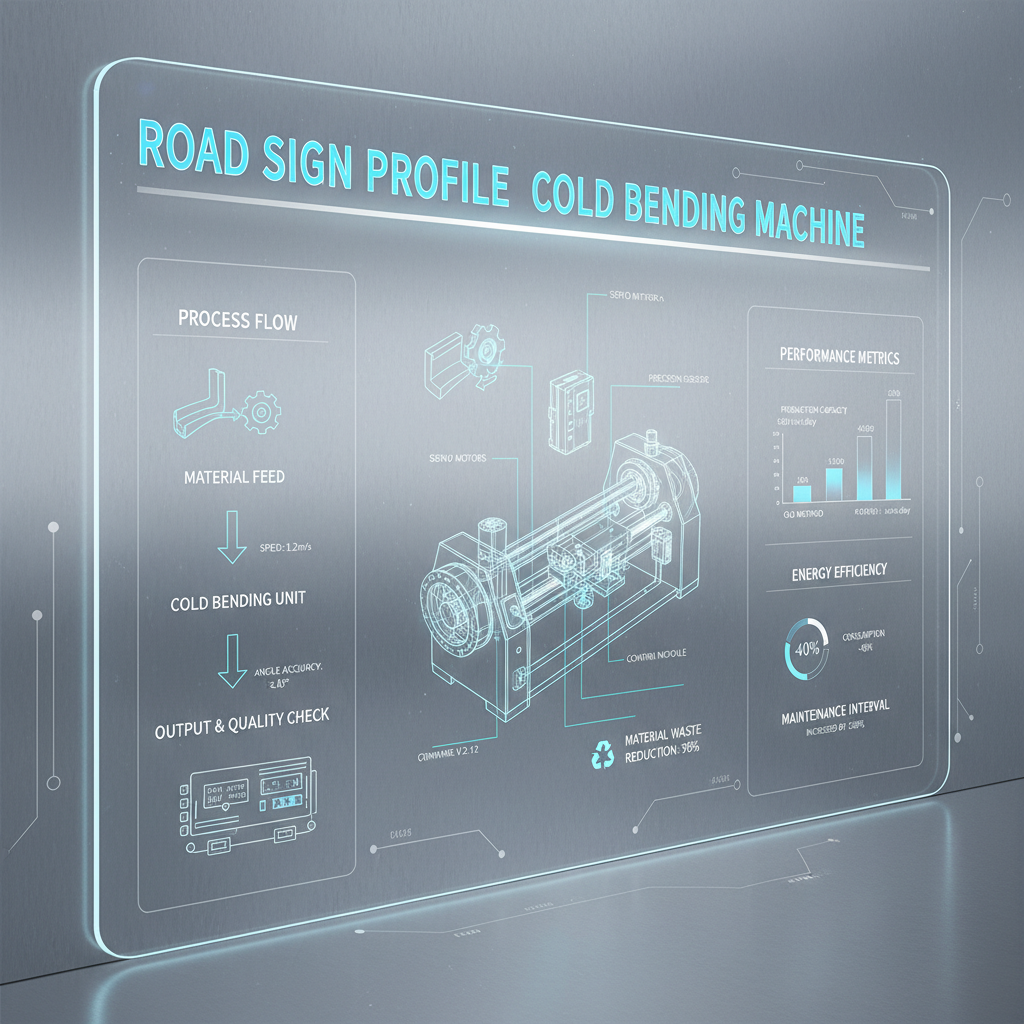
Road Sign Profile Cold Bending Machine Performance Metrics


Advantages & Long-Term Value Proposition

The primary benefit of using a road sign profile cold bending machine is cost reduction. Automation reduces labor costs, minimizes material waste, and enables high-volume production. Compared to manual bending or outsourcing, owning and operating such a machine can significantly lower the overall cost per sign.

Sustainability is also a key advantage. Cold bending minimizes energy consumption compared to hot bending processes. Utilizing durable materials and producing long-lasting signs reduces the need for frequent replacements, lessening environmental impact. Investing in a high-quality machine demonstrates a commitment to responsible manufacturing practices and a reduced carbon footprint.

Future Trends and Technological Innovations

Automation is rapidly advancing. Future road sign profile cold bending machines will likely incorporate more sophisticated robotic systems and artificial intelligence (AI) to optimize bending processes, improve quality control, and reduce the need for human intervention. AI-powered systems can learn from data and automatically adjust bending parameters to achieve optimal results.

The integration of Industry 4.0 principles – including the Internet of Things (IoT) and data analytics – will enable predictive maintenance, remote monitoring, and real-time performance optimization. Machines will be able to self-diagnose issues, schedule maintenance proactively, and share data with manufacturers for continuous improvement.

Challenges & Potential Solutions

A common challenge is handling variations in material thickness and quality. Inconsistent material can lead to bending errors and reduced sign durability. Solutions include implementing advanced material detection systems and employing adaptive control algorithms that automatically adjust bending parameters based on material characteristics.

Another challenge is maintaining precision over extended periods of operation. Wear and tear on dies and rollers can gradually affect bending accuracy. Regular maintenance, die replacement programs, and the use of high-quality materials are crucial for mitigating this issue. Additionally, incorporating automated calibration systems can help maintain consistent performance.

Ensuring operator safety is also paramount. Modern machines are equipped with safety features such as light curtains, emergency stop buttons, and enclosed bending areas. Proper operator training and adherence to safety protocols are essential for preventing accidents.

Summary of Key Challenges and Solutions for Road Sign Profile Cold Bending Machines

Challenge Impact on Production Potential Solution Implementation Cost (1-10)
Material Variation Inconsistent bending, reduced sign quality Adaptive control algorithms & material detection 6
Die Wear & Tear Decreased accuracy, increased scrap rate Regular die replacement & high-quality materials 7
Operator Error Incorrect settings, machine damage Comprehensive training programs & automated controls 5
Machine Downtime Lost production capacity, increased costs Predictive maintenance & remote diagnostics 8
Integration with Existing Systems Data silos, inefficient workflow API integration & data standardization 4
Safety Hazards Potential for operator injury Safety features & rigorous training 9

FAQS

What are the primary benefits of using a CNC road sign profile cold bending machine compared to manual bending methods?

CNC machines offer significantly improved accuracy, repeatability, and speed compared to manual bending. This translates to higher quality signs, reduced material waste, and increased production capacity. Manual bending is prone to human error and inconsistencies, while CNC machines follow programmed instructions precisely. Furthermore, CNC machines can handle more complex shapes and materials with greater ease. This all leads to lower long-term costs and a more reliable supply of high-quality road signs.

What types of materials can a road sign profile cold bending machine typically process?

Most road sign profile cold bending machines are designed to work with aluminum alloys, galvanized steel, and stainless steel. Aluminum is a popular choice due to its lightweight nature and corrosion resistance. Galvanized steel provides a cost-effective and durable option. Stainless steel is often used in environments requiring exceptional corrosion resistance. The specific materials a machine can handle depend on its design and capabilities, including the bending force and die configurations available.

How often does a road sign profile cold bending machine require maintenance?

Maintenance requirements vary depending on usage and machine type, but generally include regular lubrication of moving parts, inspection of dies for wear, and calibration of the control system. Preventative maintenance schedules should be followed diligently to minimize downtime and ensure optimal performance. High-end machines with predictive maintenance capabilities can alert operators to potential issues before they lead to failures. Typically, a thorough inspection and servicing should be performed at least annually.

What safety features are commonly found on modern road sign profile cold bending machines?

Modern machines are equipped with a range of safety features, including light curtains to prevent operation with open guards, emergency stop buttons within easy reach, and enclosed bending areas to shield operators from moving parts. Safety interlocks prevent the machine from operating if safety devices are compromised. Proper guarding, clear labeling, and comprehensive operator training are also crucial safety measures. Regular safety inspections are essential.

What is the typical payback period for investing in a road sign profile cold bending machine?

The payback period varies based on production volume, labor costs, and existing sign manufacturing methods. However, many organizations experience a payback period of 2-5 years. The cost savings from reduced labor, material waste, and outsourcing, combined with increased production capacity and improved sign quality, contribute to a relatively quick return on investment. A detailed cost-benefit analysis should be conducted to assess the specific payback period for your organization.

What level of operator skill is required to operate a CNC road sign profile cold bending machine?

While CNC machines are automated, operators still require a degree of skill and training. They need to understand the machine's controls, programming interface, and safety procedures. They must be able to load materials correctly, monitor the bending process, and troubleshoot basic issues. Advanced programming and maintenance may require specialized training. However, the machine's automation significantly reduces the physical demands and skill level required compared to manual bending.

Conclusion

Road sign profile cold bending machines represent a critical element of modern infrastructure, enabling the efficient and accurate production of essential road signage. Their impact extends beyond simply creating signs, contributing to road safety, improved traffic management, and a more robust transportation network. The key advantages – including cost savings, increased precision, and improved sustainability – make these machines a valuable investment for transportation authorities and sign manufacturers worldwide.

Looking ahead, advancements in automation, AI, and data analytics will continue to enhance the capabilities and efficiency of these machines. By embracing these innovations and prioritizing operator training and maintenance, organizations can maximize the long-term value of their investment and ensure the consistent production of high-quality, reliable road signs. Visit our website at machineyingyee.com to learn more about our range of road sign profile cold bending machines.
Michael Thompson

Michael Thompson

Michael Thompson is the International Business Development Manager at YingYee Machinery and Technology Service Co., Ltd. He is responsible for identifying and pursuing new market opportunities globally, with a particular focus on building strategic partnerships. Michael ensures all international operations align with established business rules and regulations. He has a
Previous Advanced Zinc Making Machine Solutions for Efficient Metal Production
Next Advanced Downpipe Machine Technology for Efficient Fluid Transport Systems
What can we do to help you?