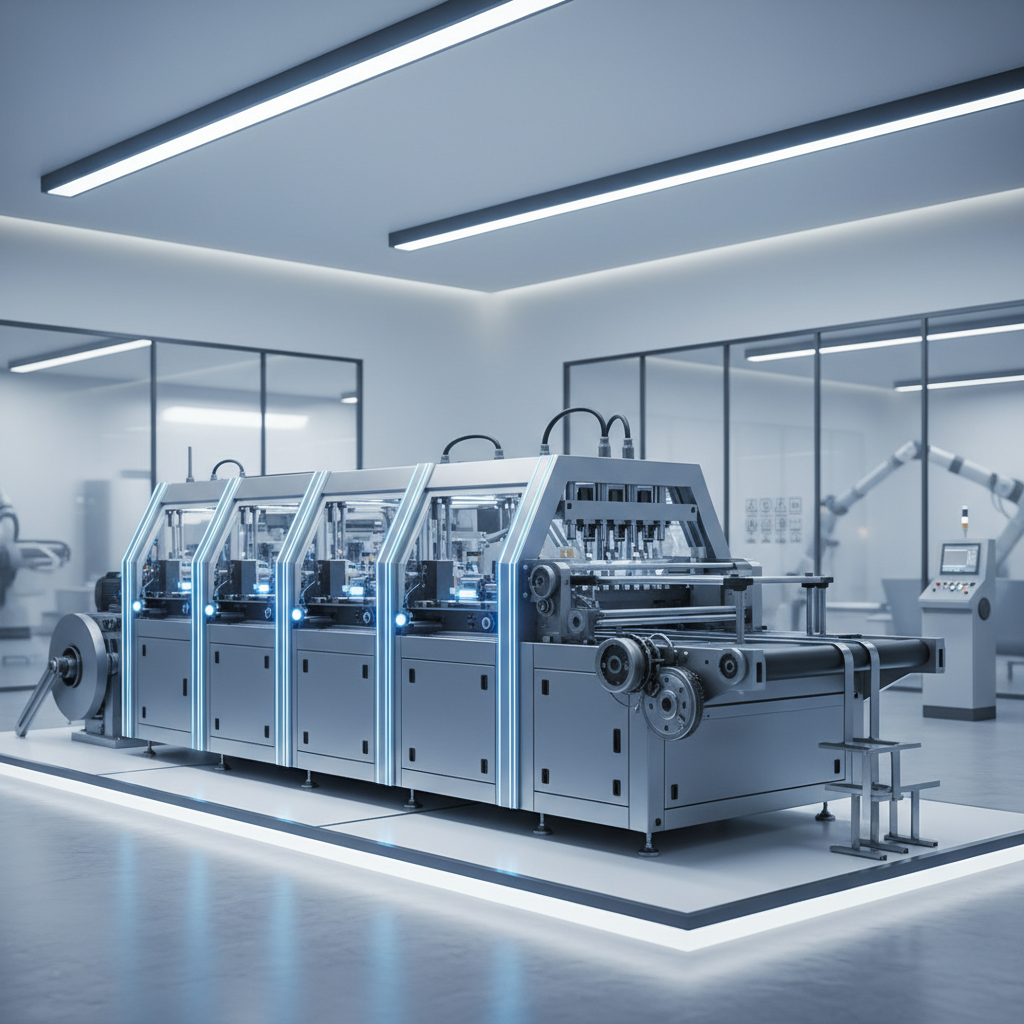
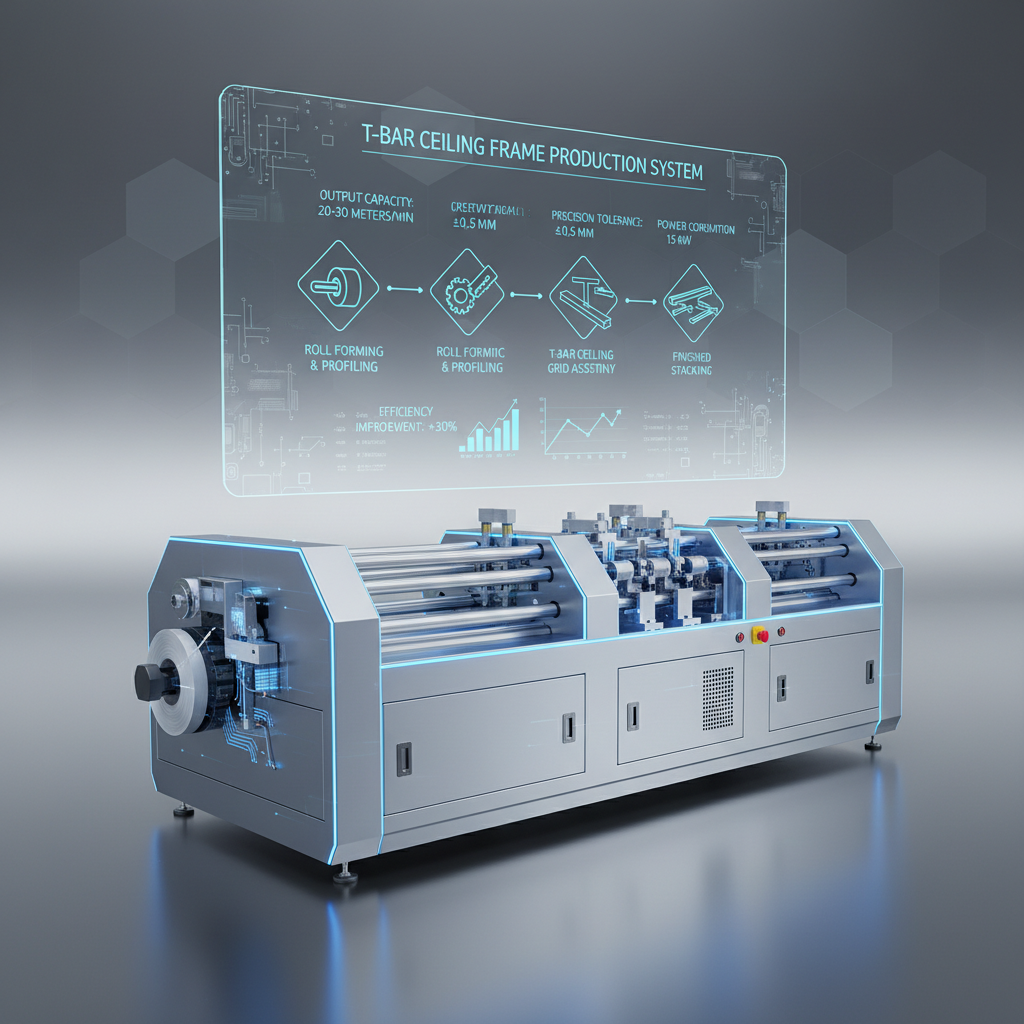
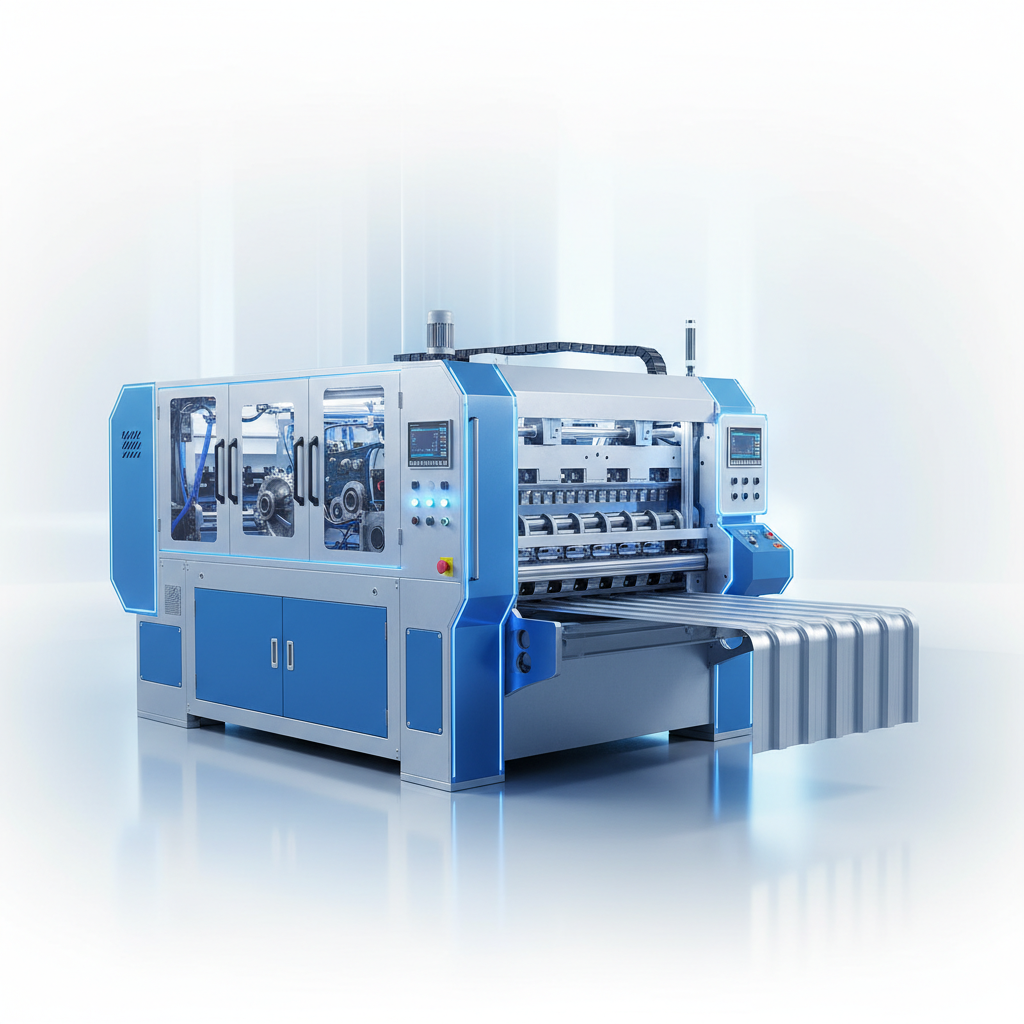
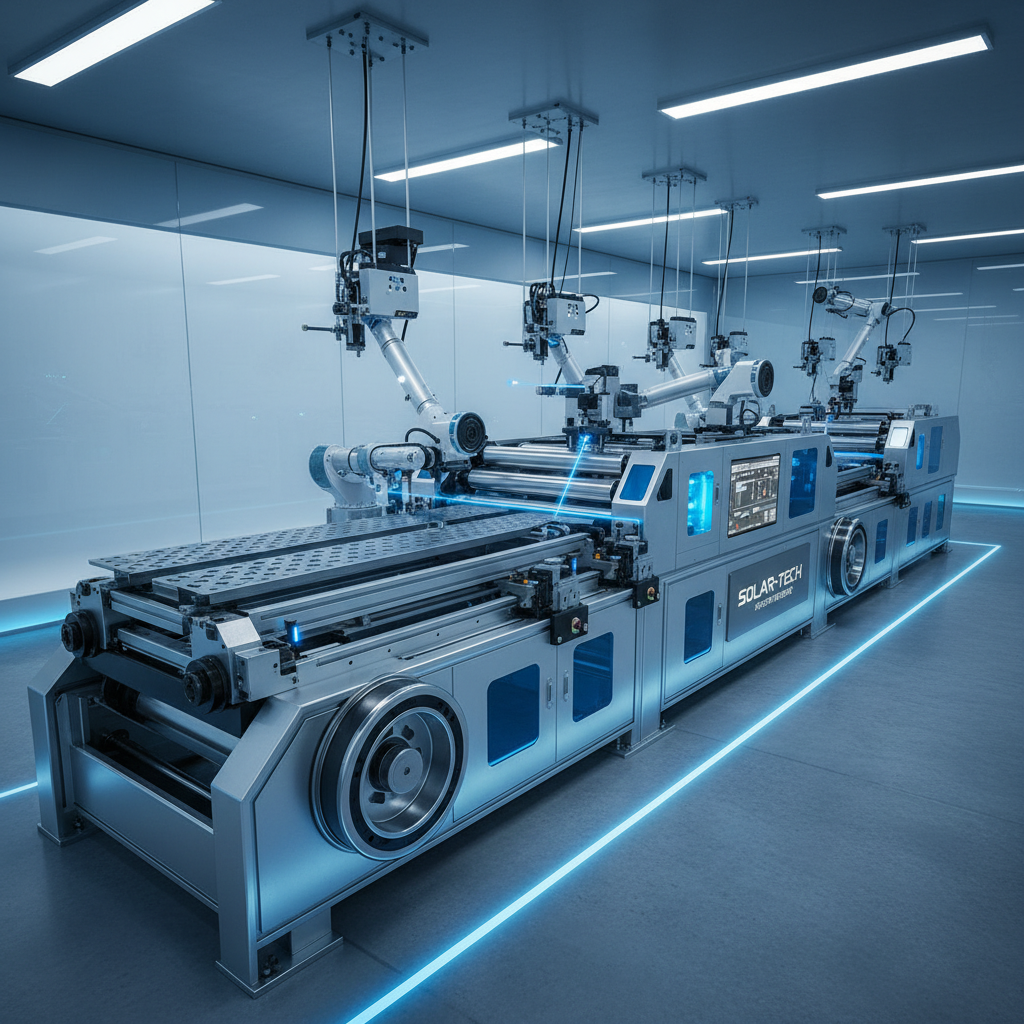
The modern construction landscape demands precision, speed, and scalability, which is where the t bar ceiling frame making machine becomes an indispensable asset for specialized manufacturers. As urban infrastructure expands globally, the need for standardized, lightweight, and durable suspended ceiling systems has surged, shifting the production focus toward high-automation roll forming technologies. By integrating advanced metallurgy with precision engineering, these machines ensure that every profile meets strict architectural tolerances.
Implementing a high-performance t bar ceiling frame making machine allows producers to transition from labor-intensive manual bending to a streamlined, continuous production flow. This transition not only minimizes material waste—a critical factor in sustainable manufacturing—but also ensures a level of consistency that is impossible to achieve by hand. For businesses operating in the competitive metallurgy and equipment sector, upgrading to automated framing technology is no longer a luxury but a strategic necessity to maintain market share.
Beyond simple production, understanding the nuances of the t bar ceiling frame making machine involves analyzing its impact on the overall supply chain of the building materials industry. From reducing lead times for large-scale commercial projects to enabling the use of diverse galvanized coatings, these machines empower manufacturers to offer versatile solutions. This guide explores the technical depths, global applications, and future trajectories of T-bar production technology to help you optimize your manufacturing output.
Global Industry Context of T-Bar Production
The global demand for suspended ceiling systems has seen a steady climb, mirrored by the rapid urbanization rates reported by the World Bank and various ISO standardization movements. In regions like Southeast Asia and Africa, where commercial infrastructure is booming, the t bar ceiling frame making machine has become the backbone of local building material fabrication. The industry is moving away from heavy, costly materials toward lightweight galvanized steel, which offers superior fire resistance and acoustic properties.
However, the industry faces a significant challenge: the gap between high-volume demand and precision quality. Many traditional workshops struggle with "profile drift," where the T-shape becomes inconsistent over long runs, leading to installation failures on-site. This is where professional-grade t bar ceiling frame making machine technology steps in, utilizing precision rollers and automated cutting to eliminate human error and meet international construction codes.
Defining the T-Bar Ceiling Frame Making Machine
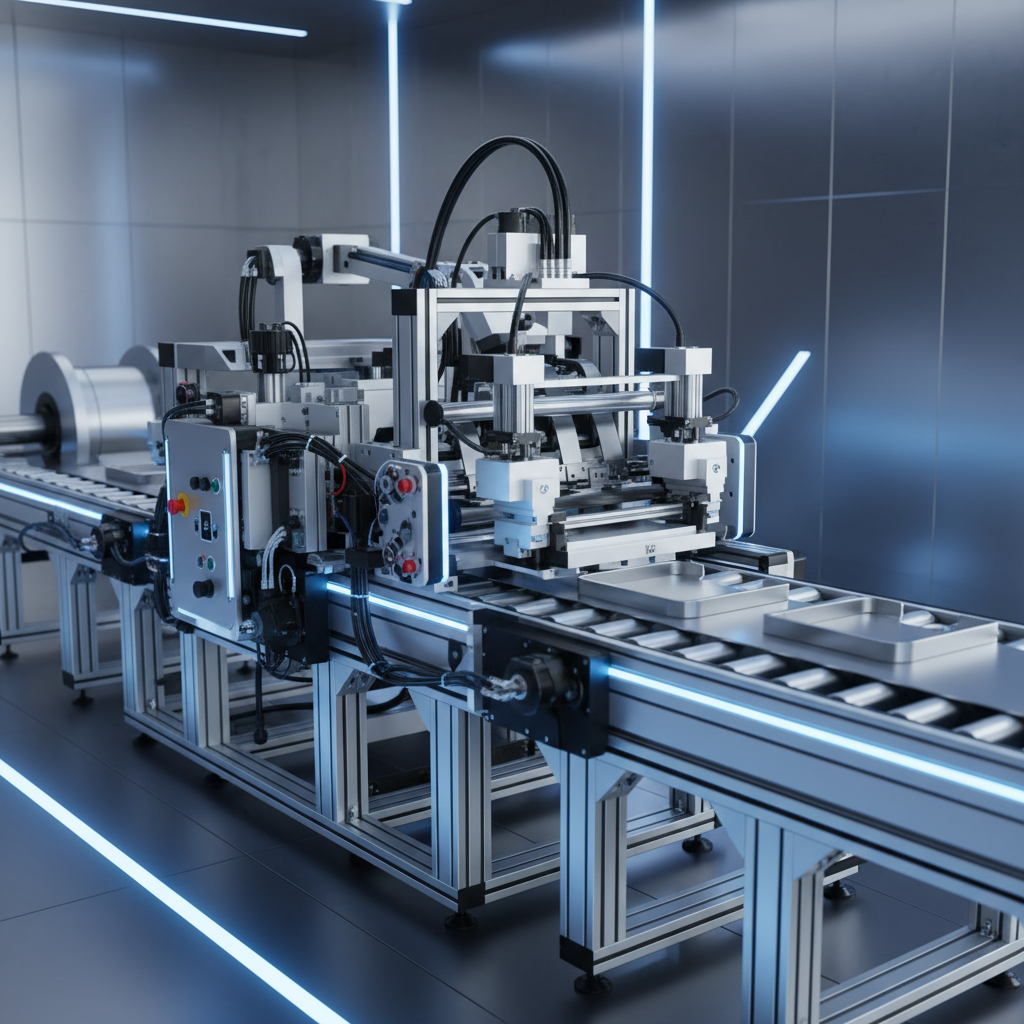
In simple mechanical terms, a t bar ceiling frame making machine is a specialized roll-forming system designed to transform flat metal coils into precise T-shaped profiles. Through a series of calibrated rollers, the steel is gradually bent and shaped into the "T" cross-section used to support acoustic ceiling tiles. This process is an intersection of metallurgy and mechanical engineering, ensuring the structural integrity of the grid while maintaining a lightweight profile.
This machine is more than just a piece of industrial hardware; it is a solution to the modern need for rapid, modular interior construction. By automating the production of main runners, cross tees, and wall angles, it allows developers to create flexible office and hospital environments that can be easily reconfigured. The synergy between the machine's output and the ease of installation makes it a cornerstone of modern architectural efficiency.
From a humanitarian and social perspective, the availability of affordable, locally produced T-bar systems means that safe and hygienic ceilings can be installed in schools and clinics worldwide. The t bar ceiling frame making machine democratizes the ability to build professional-grade interiors by reducing the reliance on expensive imported prefabricated components, thereby stimulating local industrial growth.
Core Technical Components and Factors
Durability is the primary pillar of a high-quality t bar ceiling frame making machine. The rollers are typically crafted from high-carbon chromium steel and heat-treated to resist wear and tear, ensuring that the machine can run for thousands of hours without losing its precision. A durable chassis prevents vibration, which is essential for maintaining the strict dimensional tolerances required for seamless T-bar interlocking.
Scalability and speed are managed through the integration of PLC (Programmable Logic Controller) systems. A modern t bar ceiling frame making machine allows operators to adjust lengths and production speeds digitally, enabling the factory to pivot from small custom orders to massive industrial batches without significant downtime. This agility is what separates market leaders from stagnant producers.
Finally, cost efficiency is achieved through the optimization of material utilization. By employing high-precision hydraulic cutting systems, the t bar ceiling frame making machine minimizes scrap metal. When combined with energy-efficient motors, the overall operational cost per meter of profile is drastically reduced, allowing manufacturers to offer competitive pricing while maintaining healthy profit margins.
Global Applications and Use Cases
The application of the t bar ceiling frame making machine spans across diverse global sectors. In metropolitan hubs like Dubai or Singapore, these machines feed the insatiable demand for luxury high-rise office spaces where suspended ceilings hide complex HVAC and electrical wiring. The ability to produce customized lengths allows architects to design intricate ceiling layouts that blend aesthetics with functionality.
In more challenging environments, such as remote industrial zones or post-disaster reconstruction areas, the local deployment of a t bar ceiling frame making machine provides a critical advantage. Rather than transporting bulky, pre-formed frames over broken infrastructure, raw steel coils are shipped and processed on-site. This reduces logistics costs and accelerates the delivery of essential facilities like temporary hospitals or administrative centers.
Performance Metrics of T-Bar Production Methods
Tangible Advantages and Long-Term Value
Investing in a professional t bar ceiling frame making machine yields immediate logical benefits in terms of reliability and precision. By removing the variance associated with human labor, companies can guarantee a 99.9% fit rate for their products, which builds immense trust with contractors and architects. This reliability reduces the cost of returns and site corrections, directly boosting the bottom line.
From an emotional and strategic angle, owning the means of production provides a sense of security and innovation. A manufacturer is no longer at the mercy of third-party suppliers' lead times or quality fluctuations. The ability to innovate—perhaps by experimenting with new alloy coatings or thinner, stronger gauges of steel—allows a business to position itself as a pioneer in the ceiling systems market, fostering long-term brand loyalty and industry prestige.
Future Trends in Roll Forming Automation
The future of the t bar ceiling frame making machine is inextricably linked to the "Industry 4.0" revolution. We are seeing a shift toward IoT (Internet of Things) integration, where machines can report their own wear levels and production stats to a cloud dashboard in real-time. Predictive maintenance will soon eliminate unplanned downtime, as AI algorithms analyze vibration patterns to suggest roller replacements before a failure occurs.
Sustainability is another driving force. New iterations of the t bar ceiling frame making machine are being designed to handle recycled steel coils and eco-friendly, low-VOC coatings. As green building certifications like LEED become mandatory in more countries, the ability to prove a low-carbon footprint in the production of ceiling frames will become a decisive competitive advantage.
Furthermore, the integration of laser-guided cutting and robotic stacking is transforming the end-of-line process. Instead of manual sorting, a fully automated t bar ceiling frame making machine line can now automatically bundle and label products for specific project zones, further streamlining the journey from the factory floor to the construction site.
Overcoming Common Production Challenges
One of the most persistent challenges in T-bar production is the "twist" or "warp" that occurs during the forming process. This is often caused by uneven pressure from the rollers or poor quality raw materials. Expert operators overcome this by implementing a staged forming process—gradually shaping the steel rather than forcing it into a T-shape in a few passes. This reduces internal stress in the metal and ensures a perfectly straight profile.
Another common hurdle is the wear and tear of rollers when processing high-strength galvanized steel. The abrasive nature of certain coatings can erode the roller surface, leading to a loss of precision. The solution lies in the adoption of tungsten carbide coatings or advanced plasma nitriding for the roller surfaces, which significantly extends the lifespan of the t bar ceiling frame making machine components.
Finally, many manufacturers struggle with the synchronization between the roll forming speed and the cutting mechanism. This often results in inconsistent lengths. By upgrading to servo-driven cutting systems and high-resolution encoders, the t bar ceiling frame making machine can achieve millimeter-perfect accuracy regardless of the line speed, ensuring total consistency across millions of units.
Comparative Analysis of T-Bar Production Specifications
| Machine Tier |
Precision Level |
Production Speed |
Maintenance Need |
| Entry-Level Mechanical |
Moderate (±1.0mm) |
10-15 m/min |
High / Frequent |
| Standard PLC Series |
High (±0.5mm) |
20-30 m/min |
Moderate / Scheduled |
| Advanced Servo Line |
Ultra-High (±0.2mm) |
40-60 m/min |
Low / Predictive |
| Heavy Duty Industrial |
High (±0.4mm) |
30-45 m/min |
Moderate / Robust |
| Custom Precision-Fit |
Ultra-High (±0.1mm) |
15-25 m/min |
Low / Specialized |
| Hybrid Auto-Line |
High (±0.3mm) |
35-50 m/min |
Moderate / Adaptive |
FAQS
Production capacity varies by machine tier. Entry-level machines typically produce 10-15 meters per minute, while advanced servo-driven lines can reach 60 meters per minute. Total daily output depends on the coil changeover time and the number of shifts. For most commercial operations, a standard PLC-controlled machine provides the optimal balance of speed and precision for mid-to-large scale projects.
Yes, but it depends on the design. Some machines are built for a single specific profile to maximize precision. However, many modern machines offer "quick-change" roller cassettes, allowing operators to switch between different T-bar widths or heights within a few hours. If you require extreme versatility, we recommend a modular design that supports multiple roller configurations.
The most common material is galvanized steel coil due to its corrosion resistance and strength-to-weight ratio. However, the t bar ceiling frame making machine can also process pre-painted steel or aluminum coils, provided the rollers are calibrated for the material's specific elasticity and hardness. Always ensure the coil thickness matches the machine's designated operating range to avoid roller damage.
Warping is usually caused by inconsistent tension or improper roller alignment. To prevent this, ensure your t bar ceiling frame making machine uses a multi-stage forming process to distribute stress evenly across the metal. Regularly checking the alignment of the rollers and using high-quality, consistent gauge steel coils will significantly reduce the incidence of profile twisting.
With proper lubrication and the use of heat-treated chromium steel, rollers can last for several years of standard operation. However, if you are processing harder alloys or high-volume orders, wear will accelerate. We recommend a monthly inspection of the roller surfaces and using plasma-nitrided rollers for high-stress environments to extend the replacement cycle.
Modern t bar ceiling frame making machines are significantly more efficient. The transition from old-style constant-speed motors to Variable Frequency Drives (VFDs) and servo motors means the machine only consumes the energy required for the current load and speed. This can reduce electricity costs by 20-30% while providing smoother acceleration and deceleration.
Conclusion
The t bar ceiling frame making machine represents a critical fusion of industrial efficiency and architectural precision. By automating the roll-forming process, manufacturers can achieve unparalleled consistency, reduce material waste, and scale their operations to meet the growing demands of global urbanization. From the technical durability of chromium rollers to the intelligent control of PLC systems, every component is designed to turn raw steel into a high-value construction asset.
Looking forward, the integration of IoT and sustainable materials will continue to redefine the standards of the ceiling fabrication industry. For businesses seeking to remain competitive, investing in a high-precision, automated framing system is the most effective way to guarantee quality and long-term profitability. We invite you to explore our range of professional solutions and take your production capacity to the next level. Visit our website: www.machineyingyee.com