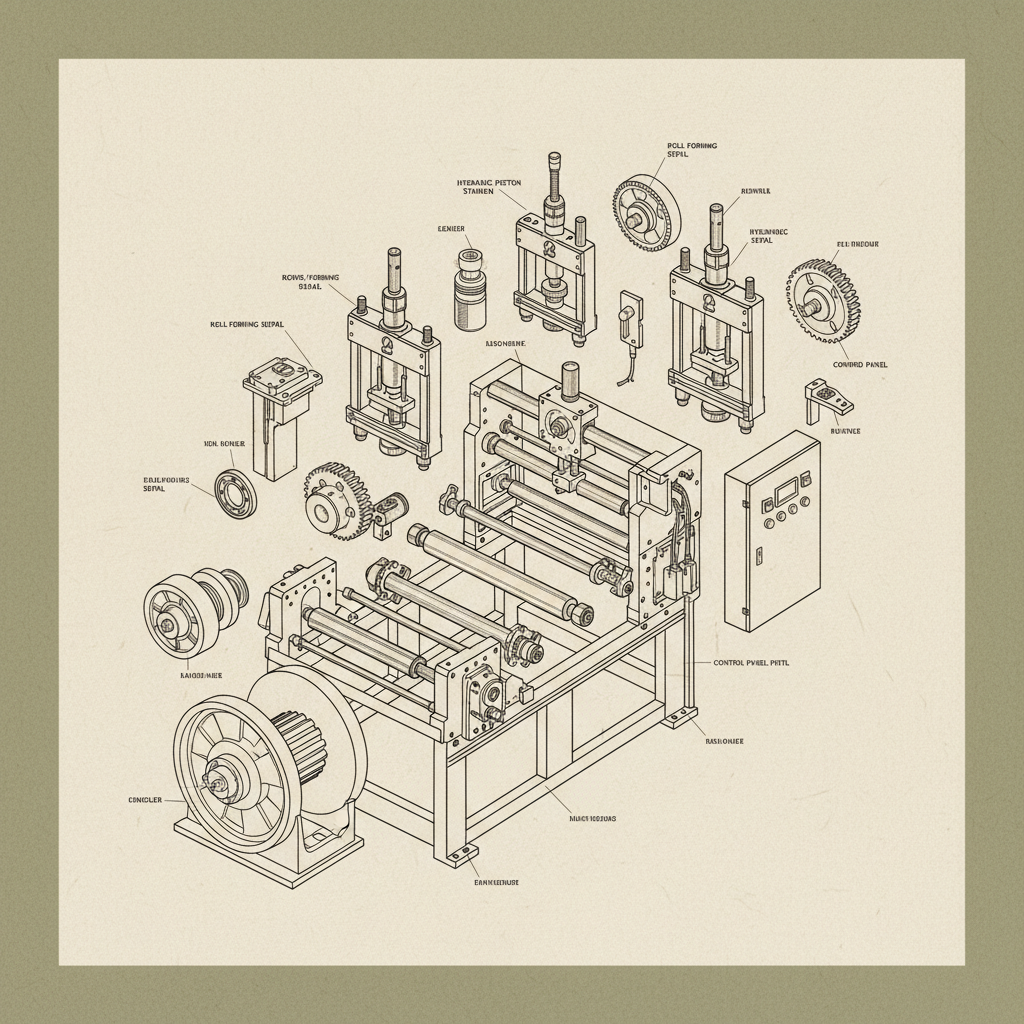
The realm of industrial manufacturing is constantly evolving, with a growing demand for efficient and precise production of essential components. The steel downpipe roll former making machine stands as a critical piece of equipment in meeting this demand, facilitating the creation of durable and standardized downpipes vital for infrastructure, construction, and various industrial applications. Understanding this technology is paramount for businesses seeking to optimize their production processes and deliver high-quality products. Its significance extends beyond mere fabrication; it impacts project timelines, cost-effectiveness, and the overall sustainability of construction projects globally.
The global market for construction materials, particularly those related to drainage and ventilation, is experiencing substantial growth. This growth, fueled by urbanization and infrastructure development in emerging economies, underscores the increasing need for efficient and reliable downpipe production solutions. The steel downpipe roll former making machine directly addresses this need, offering a scalable and cost-effective alternative to traditional manufacturing methods. Investing in this technology allows companies to position themselves competitively within this expanding market.
Furthermore, the precision offered by these machines contributes to reduced material waste and enhanced structural integrity, aligning with the growing emphasis on sustainable building practices. As global awareness of environmental impact increases, the demand for eco-friendly construction solutions will continue to rise, making the steel downpipe roll former making machine a key technology for future-oriented businesses.
Introduction to steel downpipe roll former making machine
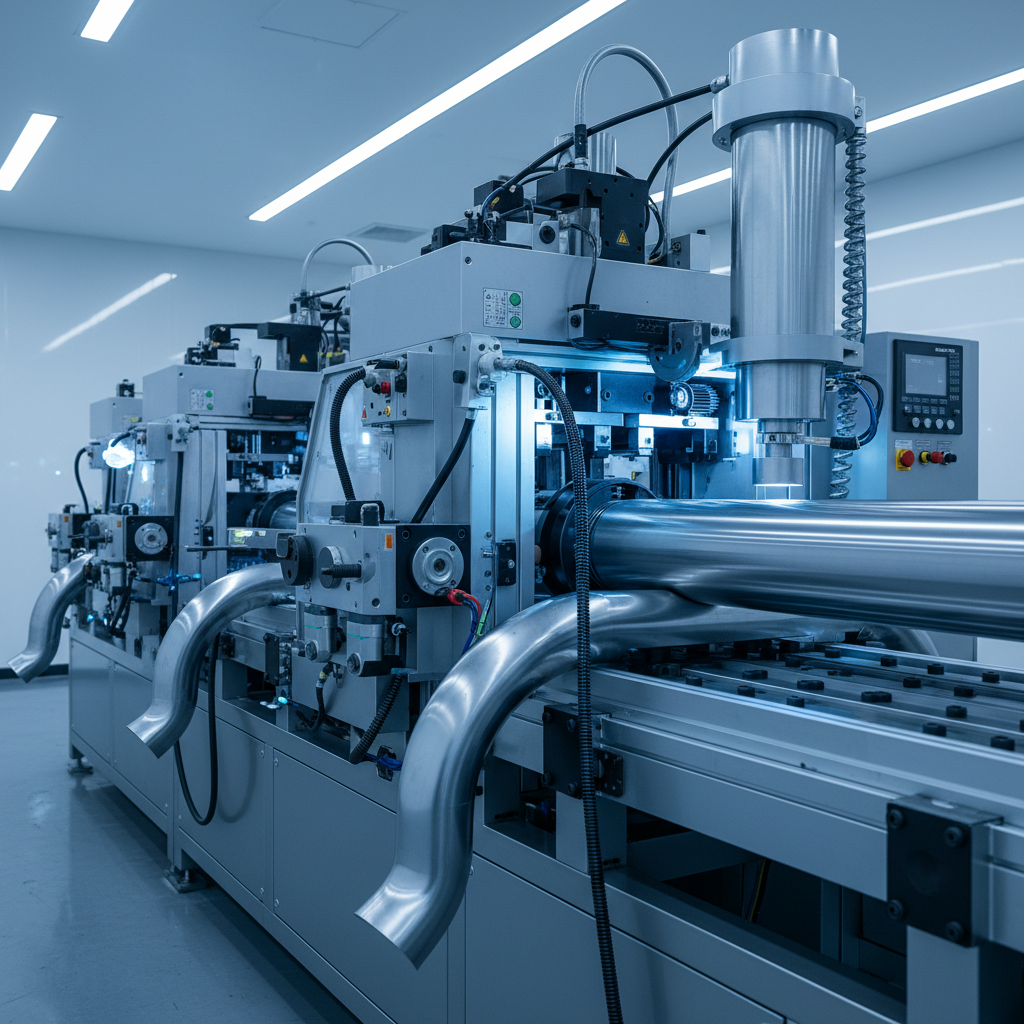
A steel downpipe roll former making machine represents a significant advancement in metal fabrication technology. It's designed to efficiently and accurately shape steel sheets into the precise profiles required for downpipes, a crucial component in building drainage systems. These machines automate a process that was previously labor-intensive and prone to inconsistencies.
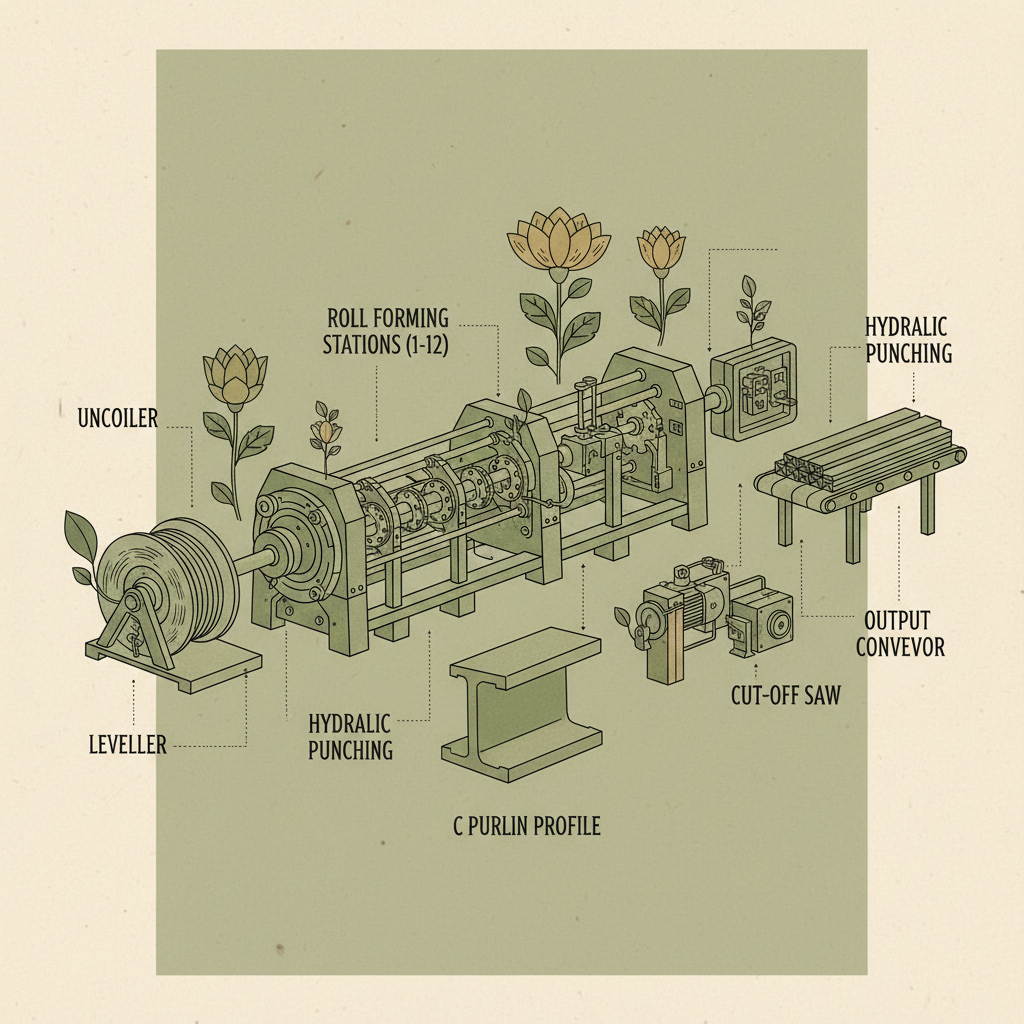
The core principle revolves around a series of precisely engineered rollers that progressively bend the steel sheet as it passes through the machine. This continuous forming process creates downpipes with consistent dimensions, smooth surfaces, and minimal material waste. The quality and efficiency of this process directly translate to cost savings and improved project timelines for construction companies and manufacturers.
Global Relevance and Industry Context
The demand for effective water management systems is a global concern, driven by factors such as climate change, population growth, and urbanization. Downpipes play a vital role in these systems, effectively channeling rainwater away from buildings and preventing water damage. According to the UN, over half the world's population now lives in urban areas, placing immense strain on existing infrastructure, including drainage networks.
The construction industry, a major driver of economic growth worldwide, consistently requires a steady supply of high-quality downpipes. The World Bank estimates that global construction spending will reach over $10 trillion by 2025. This substantial investment necessitates efficient and reliable manufacturing solutions like the steel downpipe roll former making machine to meet the escalating demand.
Furthermore, adherence to international standards (ISO certifications related to materials and construction) increasingly demands precision and consistency in building materials. The use of a dedicated machine for downpipe fabrication ensures compliance with these standards, minimizing risks and ensuring long-term structural integrity.
Defining the Steel Downpipe Roll Former Making Machine
A steel downpipe roll former making machine is a specialized industrial machine designed to continuously bend steel sheets into the shape of downpipes. Unlike traditional methods that rely on cutting, welding, and manual bending, roll forming utilizes a series of rollers, each strategically positioned to incrementally shape the steel as it passes through the machine.
This process is analogous to rolling dough – the steel sheet is gradually transformed into the desired profile without compromising its structural integrity. The machine is typically programmable, allowing for the production of different downpipe diameters and profiles with minimal setup time. This adaptability makes it a versatile asset for manufacturers catering to diverse project requirements.
The connection to modern industry and humanitarian needs lies in its ability to provide durable, reliable, and cost-effective drainage solutions. In rapidly developing countries, accessible and efficient water management is crucial for public health and sanitation. The steel downpipe roll former making machine facilitates the provision of these essential services, contributing to improved living conditions and sustainable development.
Key Factors and Core Components
Several key factors contribute to the effectiveness and efficiency of a steel downpipe roll former making machine. One critical aspect is Durability: The machine itself must be robustly constructed to withstand continuous operation and the demands of heavy-duty metal forming. High-quality steel components and precision engineering are essential for long-term reliability.
Another crucial factor is Scalability: The machine should be capable of handling varying production volumes to meet changing market demands. This includes the ability to adjust forming speeds and efficiently process different steel gauges. Cost Efficiency is also paramount; a well-designed machine minimizes material waste, reduces labor costs, and delivers a rapid return on investment.
Comparative Analysis of Steel Downpipe Roll Former Making Machine Features
Global Applications & Use Cases
The applications of a steel downpipe roll former making machine are widespread. In the construction industry, they are integral to residential, commercial, and industrial building projects, ensuring efficient water drainage from rooftops and gutters. These machines are utilized by manufacturers supplying downpipes to construction companies, plumbing suppliers, and hardware stores.
In post-disaster relief operations, the rapid production of downpipes can be crucial for establishing temporary shelters and ensuring proper sanitation. The portability of some models allows for on-site fabrication, reducing reliance on external supply chains. Similarly, in remote industrial zones where access to pre-fabricated components is limited, these machines provide a valuable solution for creating essential infrastructure.
Regions experiencing rapid urbanization, such as Southeast Asia and Africa, are witnessing a surge in demand for efficient drainage systems, driving the adoption of steel downpipe roll former making machine technology. Furthermore, the increasing focus on sustainable building practices globally is promoting the use of durable and long-lasting downpipes produced by these machines.
Advantages and Long-Term Value
The advantages of investing in a steel downpipe roll former making machine are multifaceted. Tangible benefits include significant cost savings due to reduced material waste and labor requirements. Furthermore, the consistent quality of the produced downpipes minimizes the risk of leaks and failures, reducing long-term maintenance costs.
From a sustainability perspective, the machines contribute to reduced environmental impact through optimized material usage and the creation of durable products with extended lifespans. The enhanced safety and reliability offer peace of mind, while the innovative technology fosters a reputation for quality and responsiveness within the market.
Future Trends & Innovations
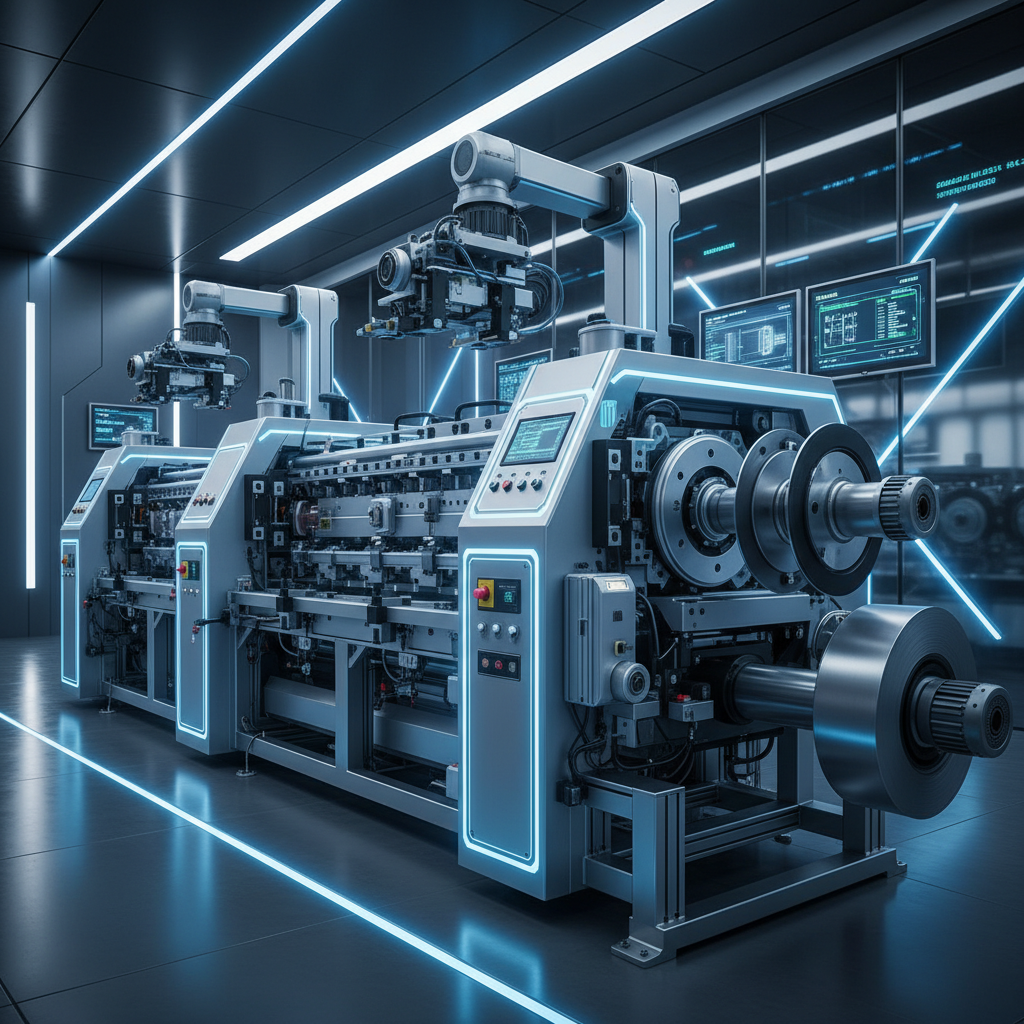
The future of steel downpipe roll former making machine technology is poised for further innovation. Integration with automation and robotics is expected to increase production speeds and reduce the need for manual intervention. The development of machines capable of processing a wider range of materials, including recycled steel and aluminum, will further enhance sustainability.
Digital transformation will play a significant role, with the implementation of smart sensors and data analytics providing real-time monitoring of machine performance and predictive maintenance capabilities. This will minimize downtime and optimize production efficiency. Furthermore, advancements in software will allow for more complex and customized downpipe profiles to be created, catering to evolving architectural designs.
The adoption of green energy solutions to power these machines and the development of eco-friendly lubricants will further reduce their environmental footprint, aligning with the global push for sustainable manufacturing practices.
Challenges & Solutions
One common challenge is ensuring consistent material quality. Variations in steel gauge or composition can affect the forming process and the final product’s integrity. A solution involves implementing robust quality control measures for incoming materials and incorporating sensors within the machine to detect and compensate for discrepancies.
Another limitation can be the initial investment cost. However, this can be mitigated by carefully evaluating the long-term return on investment, considering factors such as reduced labor costs, minimized material waste, and increased production capacity. Exploring financing options and leasing arrangements can also make the technology more accessible.
Finally, maintaining skilled operators is crucial. Providing comprehensive training programs and ongoing technical support ensures that personnel can effectively operate and maintain the machine, maximizing its lifespan and performance.
Analysis of Steel Downpipe Roll Former Making Machine Optimization Strategies
| Optimization Area |
Implementation Strategy |
Expected Impact |
Investment Required (Scale 1-10) |
| Material Handling |
Automated coil loading and unloading systems |
Reduced labor, increased efficiency |
7 |
| Roll Forming Precision |
High-precision roller grinding and alignment |
Improved downpipe dimensional accuracy |
8 |
| Cutting System |
Automated flying cut-off saw with precision control |
Minimized scrap, clean cuts |
6 |
| Machine Monitoring |
Real-time data acquisition and analysis with sensor integration |
Predictive maintenance, optimized performance |
5 |
| Operator Training |
Comprehensive training program on machine operation and maintenance |
Reduced errors, increased efficiency |
3 |
| Material Waste Management |
Implementation of a recycling system for steel scraps |
Reduced environmental impact, potential cost savings |
4 |
FAQS
The production capacity of a steel downpipe roll former making machine varies depending on factors like machine size, automation level, steel gauge, and downpipe diameter. However, a typical high-quality machine can produce between 50 to 150 meters of downpipe per hour. This represents a significant increase in output compared to manual fabrication methods, translating to faster project completion times and higher profitability for manufacturers. More advanced, fully automated systems can even exceed these figures.
Most steel downpipe roll former making machines are designed to handle a wide range of steel grades, including galvanized steel, carbon steel, and stainless steel. The thickness (gauge) of the steel that can be processed will depend on the machine's capacity, but commonly supported gauges range from 0.4mm to 1.2mm. It’s crucial to verify the machine specifications and ensure compatibility with the intended steel type before operation.
Regular maintenance is vital for ensuring the longevity and optimal performance of a steel downpipe roll former making machine. This includes lubricating moving parts, inspecting rollers for wear and tear, and cleaning the machine to prevent dust and debris buildup. More extensive maintenance, such as roller replacement, may be required periodically, depending on usage. Implementing a preventative maintenance schedule is highly recommended.
While steel downpipe roll former making machines are sophisticated pieces of equipment, many modern models are designed with user-friendly interfaces and intuitive controls. However, proper training is essential to ensure safe and efficient operation. Manufacturers typically offer comprehensive training programs to equip operators with the necessary skills and knowledge. Automated features further simplify the process.
Safety is paramount in the design of steel downpipe roll former making machines. Common safety features include emergency stop buttons, safety guards to prevent access to moving parts, overload protection systems, and interlocks that prevent operation if safety protocols are not followed. Adhering to safety guidelines and providing proper training to operators are crucial for preventing accidents.
With regular maintenance and proper operation, a high-quality steel downpipe roll former making machine can have a lifespan of 10 to 20 years or even longer. The lifespan is influenced by factors such as usage frequency, the quality of the machine’s components, and the effectiveness of the maintenance program. Investing in a durable machine from a reputable manufacturer and adhering to recommended maintenance schedules will maximize its longevity.
Conclusion
In conclusion, the steel downpipe roll former making machine represents a vital advancement in metal fabrication, offering significant advantages in terms of efficiency, cost-effectiveness, and product quality. Its global relevance is undeniable, driven by the increasing demand for durable and reliable drainage systems in construction and infrastructure projects worldwide. Investing in this technology not only enhances production capabilities but also aligns with the growing emphasis on sustainability and responsible manufacturing practices.
Looking ahead, continued innovation in automation, material processing, and digital integration will further enhance the capabilities of these machines. Embracing these advancements will enable manufacturers to remain competitive, meet evolving market demands, and contribute to the development of more sustainable and resilient infrastructure. For detailed information and customized solutions, visit our website: www.machineyingyee.com