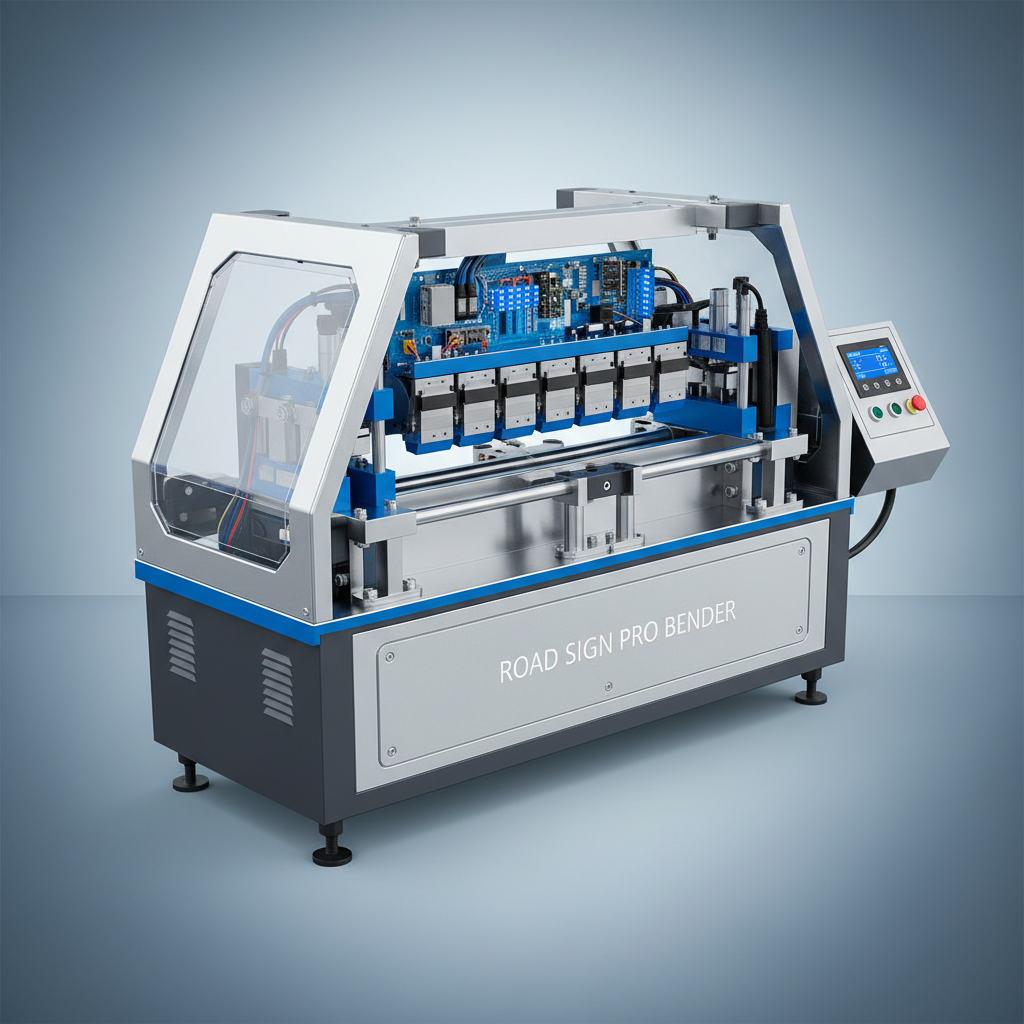
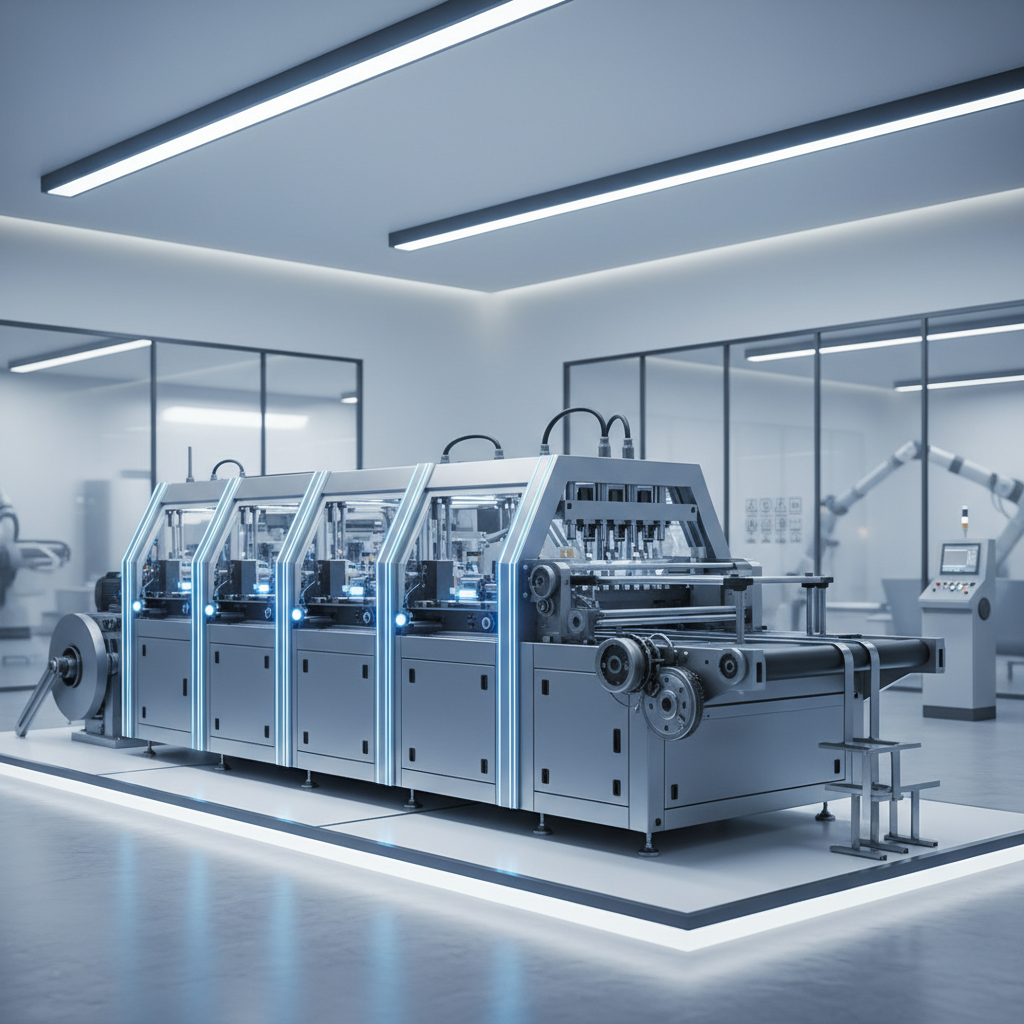
Look, I've spent the last fifteen years knee-deep in dust and concrete, watching buildings rise from the ground. And let me tell you, getting the foundation right – literally and figuratively – is everything. That’s where a good stud and track forming machine comes in. We’re talking about speed, precision, and ultimately, getting projects finished on time and under budget. It’s not just about hammering some metal together; it’s about building something solid that’s going to stand for decades.
I've seen crews wrestling with outdated methods – slow, labor-intensive, and frankly, dangerous. The new generation of stud and track forming machines are game-changers. They're streamlining the process, reducing waste, and making the whole site safer. It's about leveraging technology to do a better job, plain and simple. And in this industry, a better job means everything.
We’re constantly under pressure to deliver, and these machines help us do just that. They’re a vital piece of the puzzle, and the advancements we're seeing now are genuinely exciting. It's not about replacing skilled labor, it's about empowering them with tools that let them work smarter, not harder.
The Importance of Stud and Track Forming Machines
I've seen firsthand how much time and effort goes into steel framing. Historically, it’s been a slow, labor-intensive process. A reliable stud and track forming machine isn't just a convenience; it’s a necessity for modern construction. It allows crews to prefabricate sections accurately and efficiently, which translates to faster build times and reduced on-site congestion.
And it's not just about speed. These machines deliver consistency. Every piece is precisely formed, reducing the need for on-site adjustments and minimizing errors. That accuracy is crucial for ensuring structural integrity and meeting building codes.
Global Relevance and Industry Challenges
Globally, the construction industry is booming, particularly in developing nations. There's a huge demand for affordable and rapidly constructed housing and infrastructure. The UN estimates that we need to build millions of new homes each year just to keep up with population growth. Stud and track forming machines play a critical role in meeting that demand.
But it’s not all smooth sailing. One of the biggest challenges we face is skilled labor shortages. Young people aren't entering the trades at the same rate as in the past. These machines help mitigate that issue by automating some of the more repetitive tasks, allowing skilled workers to focus on more complex aspects of the job.
Another challenge is the increasing demand for sustainable building practices. Steel is recyclable, and efficient framing reduces waste. Modern stud and track forming technology aligns with those sustainability goals, making it an attractive option for environmentally conscious projects.
Defining Stud and Track Forming Technology
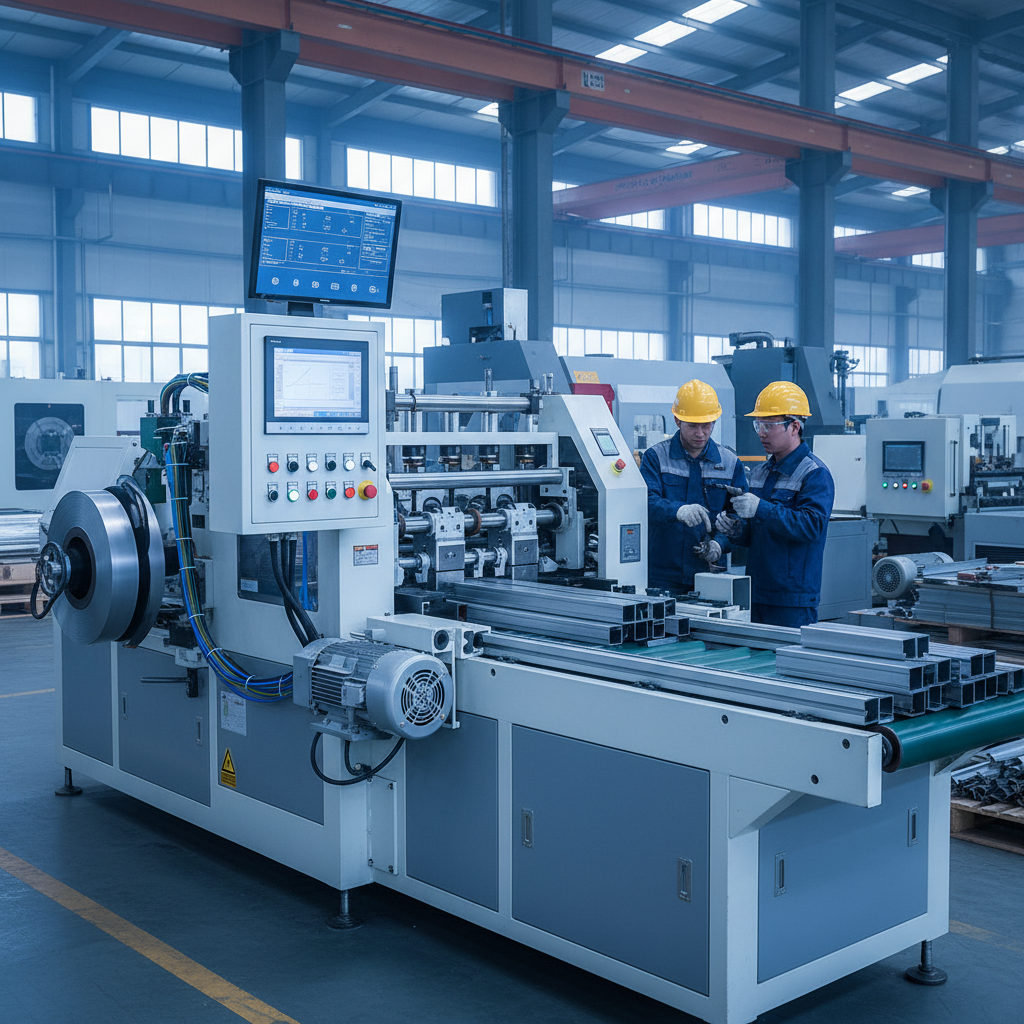
Simply put, a stud and track forming machine is a piece of equipment designed to automatically create the steel components – studs (vertical supports) and tracks (horizontal supports) – that form the framework of walls and structures. They take coils of steel and, through a series of rollers and cutters, shape them into the desired profiles.
What separates a good machine from a bad one? It's not just about the speed, though that's important. It’s the precision, the ability to handle different gauges of steel, and the ease of changing profiles. The best machines are versatile and can adapt to a variety of project requirements. The connection to modern engineering workflows is also key.
These machines are essential for light-gauge steel framing (LGSF), which is becoming increasingly popular as a sustainable and cost-effective alternative to traditional wood framing. LGSF is also increasingly important in areas prone to natural disasters, due to its superior strength and fire resistance.
Key Components and Performance Factors
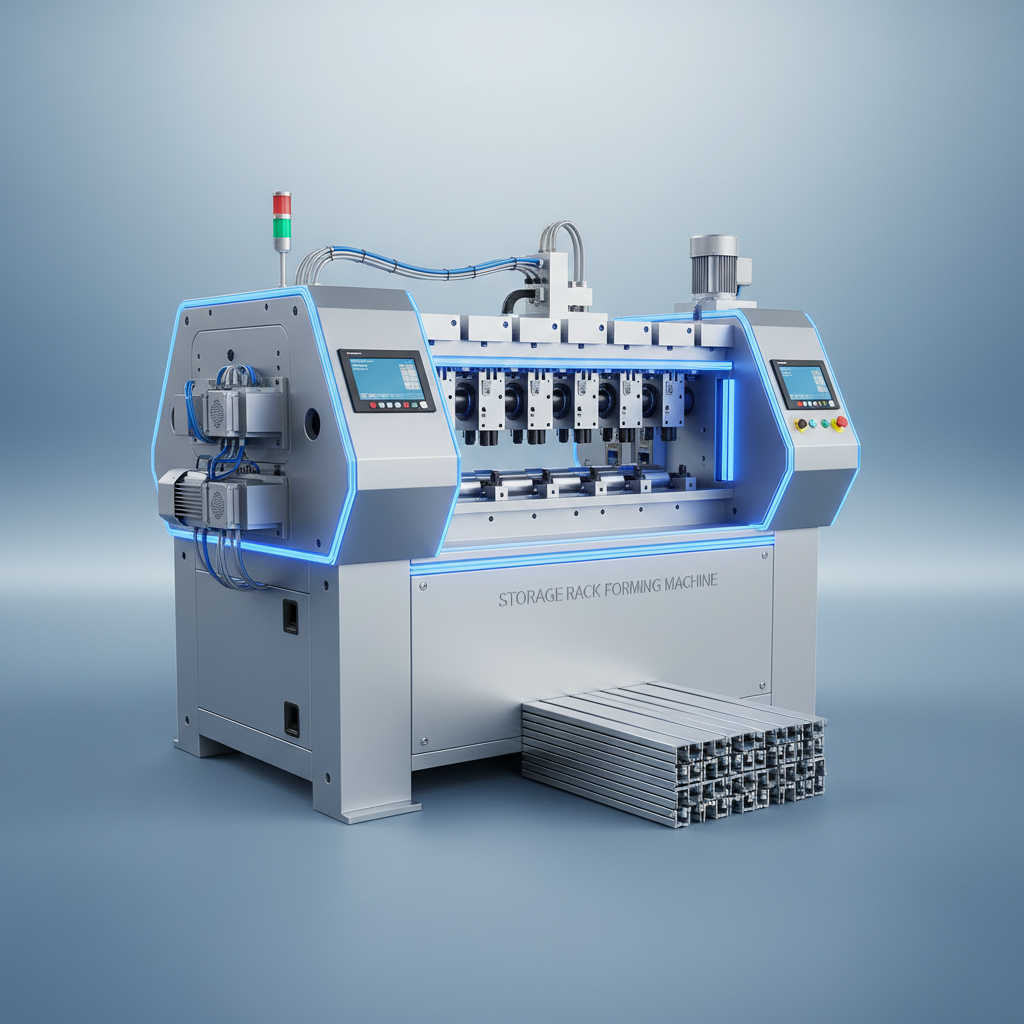
Let's talk about what makes these machines tick. You've got your uncoiler, which feeds the steel coil into the system. Then you have the forming stations – a series of rollers that gradually shape the steel into the desired profile. The cutter is crucial, ensuring clean and accurate cuts. And finally, you need a good control system to manage the whole process.
Performance is really about several factors. Speed is one, obviously, but so is the accuracy of the forming process. You want minimal distortion or inconsistencies. The machine’s ability to handle different steel gauges and profiles is also vital. And finally, you want something that's easy to maintain and operate.
Performance Metrics of Stud and Track Forming Machines
Real-World Applications Across Industries
These machines aren't just for residential construction. You'll find them being used in commercial buildings, industrial facilities, and even modular housing projects. They’re becoming increasingly popular in disaster relief efforts where speed of construction is crucial.
I’ve seen them deployed in remote industrial zones, where prefabrication is essential due to the lack of skilled labor. They’re also used in the construction of warehouses, distribution centers, and other large-scale projects. Basically, anywhere you need a strong, durable, and rapidly built steel frame, a stud and track forming machine can make a difference.
Advantages and Long-Term Value Proposition
The advantages are clear: reduced labor costs, faster build times, increased accuracy, and improved safety. But it goes beyond that. Steel framing is inherently more durable than wood framing, meaning lower maintenance costs over the long term. It’s also fire-resistant, which adds another layer of safety.
Investing in a quality machine is an investment in the future of your business. It allows you to take on more projects, deliver them on time and within budget, and build a reputation for quality and reliability. It’s a win-win.
From a sustainability perspective, using steel and reducing waste offers positive environmental impacts. This can be a key selling point for projects seeking green building certifications.
Future Trends and Innovation in Forming Machines
We're seeing a move towards more automated and integrated systems. Machines that can automatically adjust profiles, optimize steel usage, and even connect to BIM (Building Information Modeling) software. Digitalization is key.
There’s also a growing focus on energy efficiency and reducing the environmental impact of the forming process. Manufacturers are exploring new materials and technologies to make these machines more sustainable.
I also anticipate that we’ll see more machines that are designed for on-site fabrication, allowing for greater flexibility and responsiveness to changing project needs. The integration of AI for predictive maintenance and optimization will also be a game-changer.
A Comparative Analysis of Stud and Track Forming Machine Maintenance and Operational Costs
| Machine Type |
Average Maintenance Cost (Annual) |
Operational Efficiency (%) |
Estimated Lifespan (Years) |
| Basic Roller Former |
$2,000 |
75% |
8 |
| Hydraulic Forming Machine |
$3,500 |
85% |
12 |
| CNC Controlled Former |
$5,000 |
92% |
15 |
| Fully Automated System |
$8,000 |
95% |
20 |
| Portable Framing Machine |
$1,500 |
70% |
5 |
| High-Speed Production Line |
$10,000 |
98% |
25 |
FAQS
Safety is paramount. Always ensure operators are properly trained, wear appropriate PPE (Personal Protective Equipment) – safety glasses, gloves, steel-toe boots – and follow lockout/tagout procedures during maintenance. Guards should be in place and functioning correctly. Regular inspections are critical. A faulty machine is a dangerous machine.
The gauge – or thickness – of the steel dictates the force required for forming. Machines are designed to handle specific gauge ranges. Using steel that's too thick can damage the rollers and cutters, while using steel that's too thin can result in distortion. Always consult the machine’s specifications.
Regular lubrication of moving parts is essential. Rollers and cutters will wear down over time and need to be replaced. Inspect the hydraulic system (if applicable) for leaks. Keep the machine clean and free of debris. A preventative maintenance schedule is your best bet.
Yes, but it’s something to consider. Different coatings – like galvanized steel – can affect the wear on the rollers and cutters. Some machines are specifically designed for coated steel, while others may require adjustments or different tooling.
ROI varies depending on production volume and labor costs, but typically, companies see a return on investment within 1-3 years. The savings in labor, reduced waste, and faster build times quickly offset the initial cost of the machine.
Consider your production volume, the types of profiles you need to create, the gauge of steel you’ll be using, and your budget. Also, think about the level of automation you need and the availability of local service and support. Don't skimp on quality – a reliable machine will save you headaches in the long run.
Conclusion
From my experience on the ground, stud and track forming machines aren't just a technological advancement; they're a fundamental shift in how we approach construction. They offer a compelling combination of speed, accuracy, and efficiency that's essential for meeting the demands of a rapidly growing world. Investing in this technology is investing in the future of the building industry.
If you’re serious about streamlining your steel framing process and improving your bottom line, I strongly recommend exploring the options available. Don’t be afraid to talk to manufacturers, ask questions, and see the machines in action. And remember, the right machine can make all the difference.