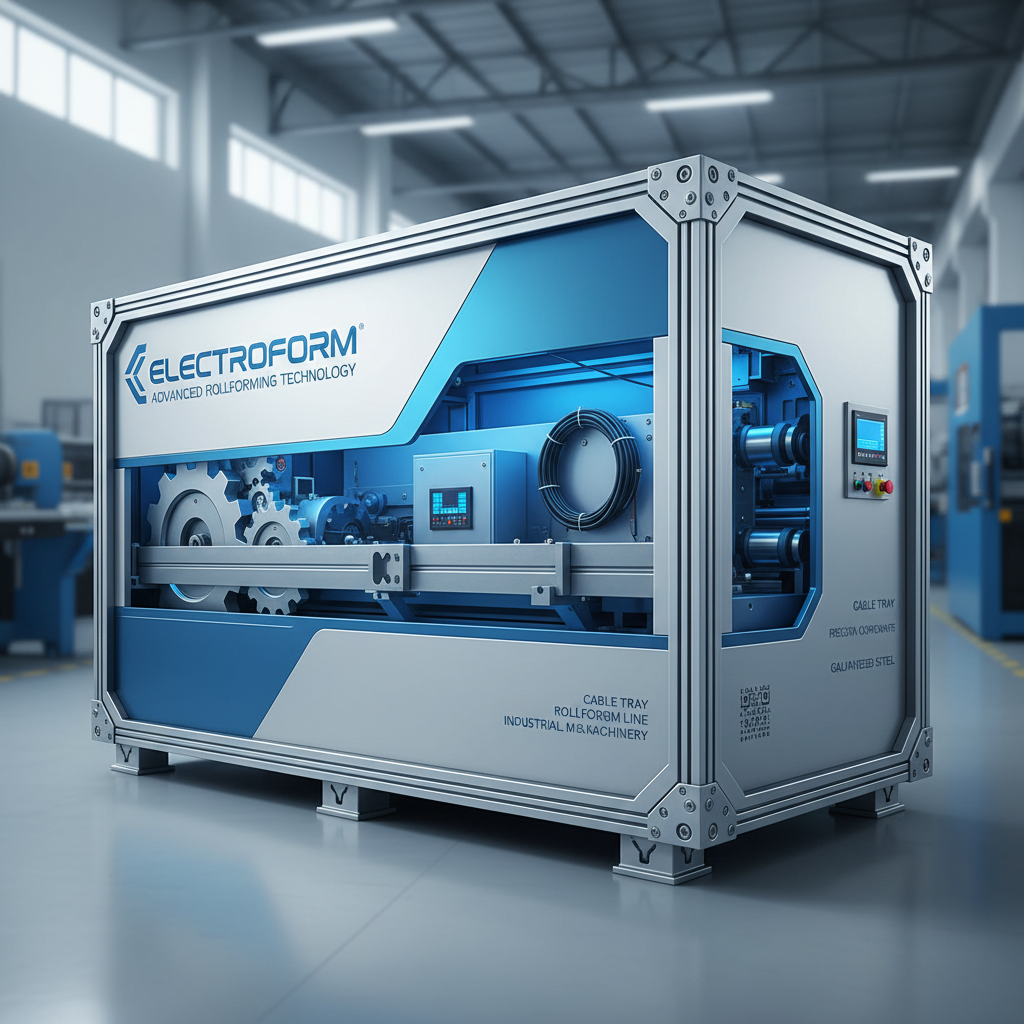
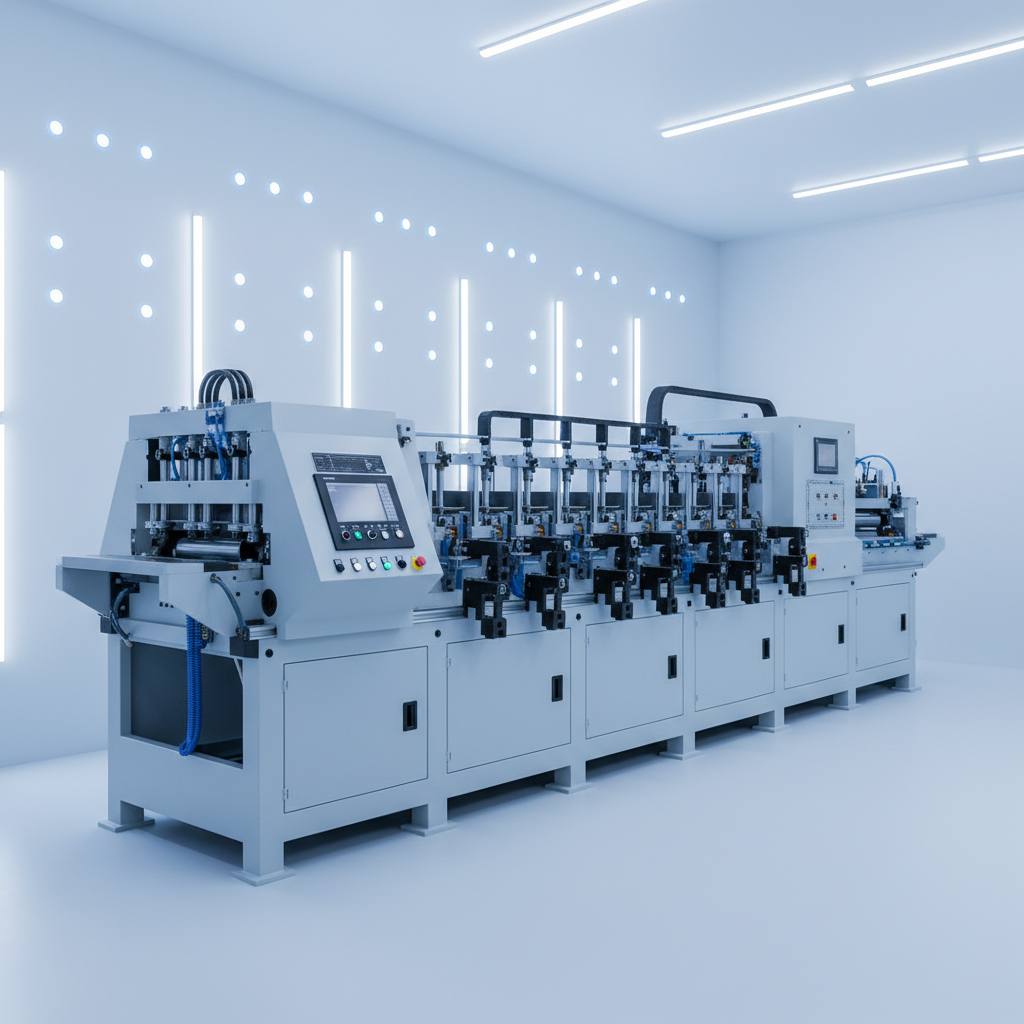
Look, I’ve spent the last fifteen years crawling around construction sites, getting my hands dirty with the materials that build our world. And I’ll tell you, getting electrical cabling right – safely and efficiently – is a constant headache. That’s where the galvanized steel cable tray roll forming machine comes in. It’s not just about bending metal; it’s about streamlining a critical piece of infrastructure, saving time, and ultimately, keeping projects on schedule and within budget. This isn’t some theoretical gadget; it’s a real-world solution to a persistent problem.
You talk to any electrical contractor, and they'll tell you about the bottlenecks created by traditional cable management. Pre-fabbed trays are expensive and inflexible. Field-cutting and bending is labor intensive and prone to error. The galvanized steel cable tray roll forming machine solves that. It allows you to create custom-length, perfectly-fitted trays on-site, as you need them. It's a game-changer for projects of any size, from small renovations to massive industrial builds.
And it's not just about speed. Galvanized steel itself is key. It’s tough, corrosion-resistant, and stands up to the harsh environments these cables are often exposed to. Roll forming allows us to maintain the integrity of that galvanization throughout the process, which is crucial for long-term reliability and safety. That’s a big deal when you're talking about protecting vital electrical systems.
The Core Benefits of galvanized steel cable tray roll forming machine
The biggest benefit, plain and simple, is speed. When you're running hundreds of feet of cable, constantly stopping to cut and bend trays adds up. This machine lets you produce custom lengths on demand, eliminating wasted material and dramatically reducing labor time. It’s especially crucial on projects with tight deadlines or complex layouts.
Beyond speed, the precision of roll forming is a huge advantage. You get consistent bends and accurate dimensions every time, reducing the risk of installation errors and ensuring a secure, professional finish. It means fewer call-backs, less rework, and a more satisfied client. We’ve seen projects shave weeks off their schedule just by switching to this method.
The Global Relevance of On-Site Cable Tray Production
This isn't just a Western world problem. I've worked on projects in Southeast Asia, Africa, and South America where getting materials to the site, let alone the right materials, is a logistical nightmare. A galvanized steel cable tray roll forming machine allows you to become less reliant on external suppliers and navigate challenging supply chains.
The demand for reliable electrical infrastructure is growing globally, driven by industrialization, urbanization, and the expansion of renewable energy projects. According to the International Energy Agency, global electricity demand is set to increase by 60% by 2040. Meeting that demand requires efficient cable management solutions, and the roll forming machine provides exactly that.
Consider remote industrial sites – mines, oil rigs, or large-scale agricultural operations. Shipping pre-fabricated trays to these locations can be prohibitively expensive. Having the ability to produce them on-site significantly reduces costs and project timelines. It’s about making reliable infrastructure accessible, even in the most challenging environments.
Defining the galvanized steel cable tray roll forming machine
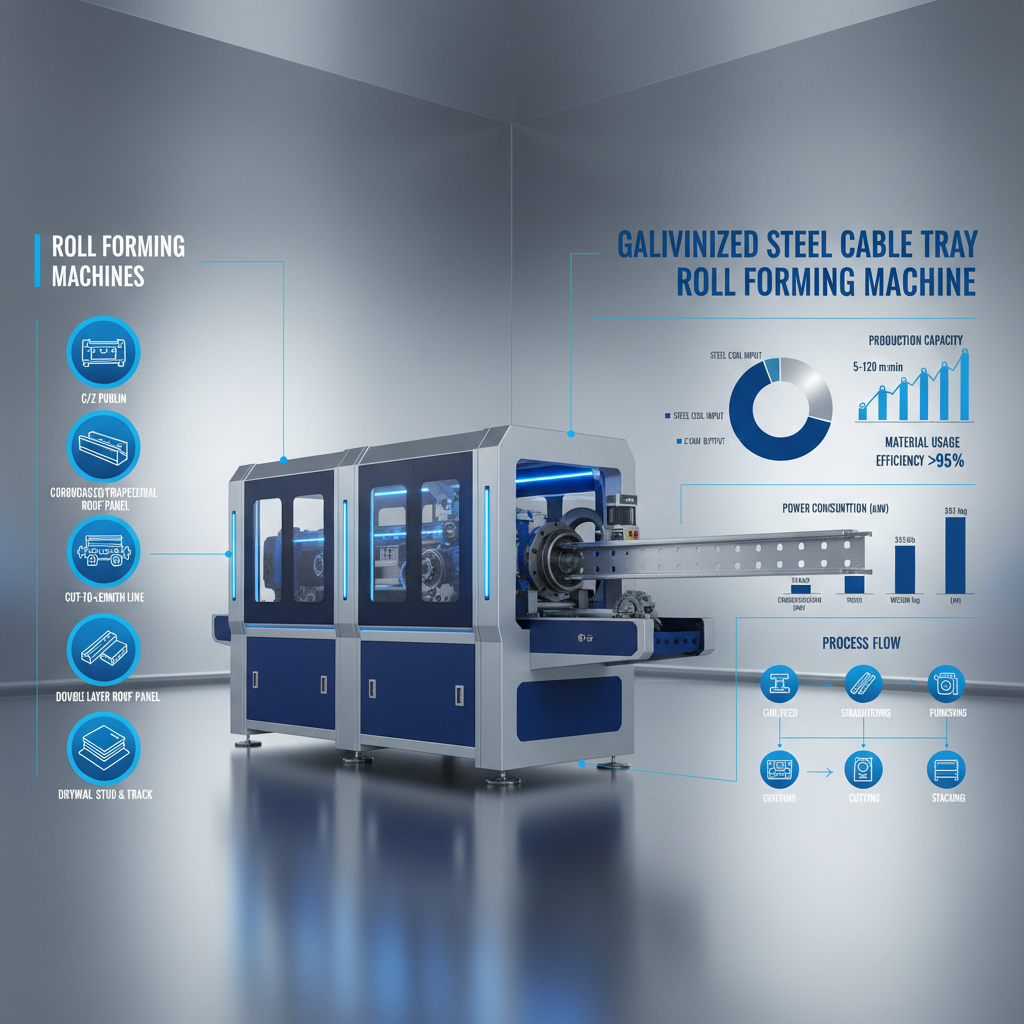
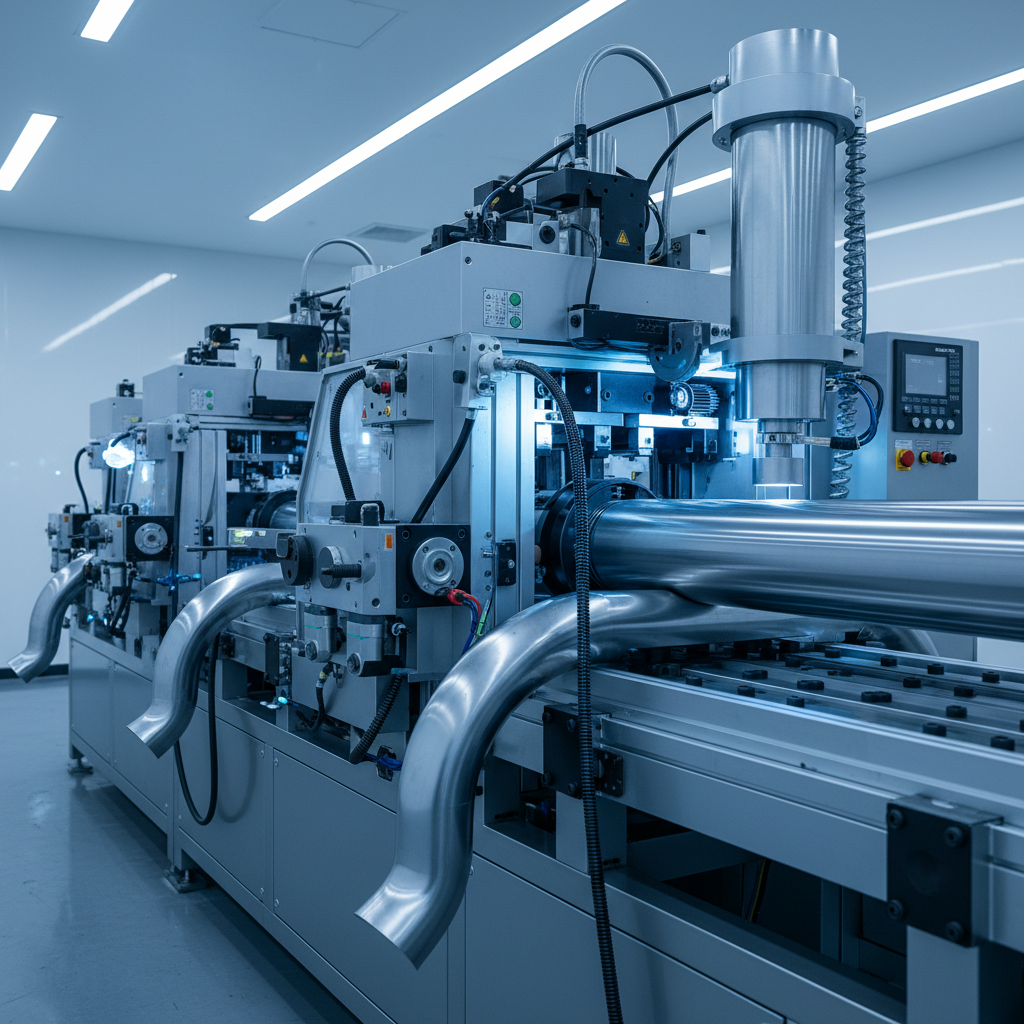
Simply put, a galvanized steel cable tray roll forming machine takes flat coils of galvanized steel and continuously bends them into the desired shape for cable trays. It's a relatively simple concept, but the engineering behind it is sophisticated. Think of it like a high-tech sheet metal bender, but automated and capable of producing long, consistent lengths. galvanized steel cable tray roll forming machine is making a difference in cable management.
What separates it from other methods is its efficiency and adaptability. Traditional fabrication methods rely on cutting, bending, and welding individual sections. Roll forming is a continuous process, meaning less waste, faster production, and a more consistent finished product. It's also easily adjustable to produce different tray widths and depths.
This technology ties directly into modern industrial needs for scalable infrastructure. As data centers grow, factories expand, and cities modernize, the demand for flexible and efficient cable management solutions will only increase. The galvanized steel cable tray roll forming machine addresses that demand head-on.
Key Advantages: Why Choose Roll Forming?
Let's break down the core benefits. First, there’s the material efficiency. You're using flat coil stock, which is typically cheaper than pre-fabricated trays. You're also minimizing waste as the machine only uses what it needs for each run. Second, the speed. A skilled operator can produce significantly more tray length in a day than could be achieved with manual methods.
Then you’ve got the customization aspect. Need a tray with specific mounting holes or a unique bend radius? The machine can be programmed to accommodate those requirements. This is invaluable for projects with complex layouts or unusual cable routing needs.
galvanized steel cable tray roll forming machine Performance Metrics
Real-World Applications and Use Cases
I've seen these machines put to work in everything from data center builds to massive industrial facilities. In post-disaster relief operations, the ability to quickly establish power and communications infrastructure is critical. A portable roll forming machine can be deployed to produce cable trays on-site, bypassing the need for lengthy supply chains.
In remote industrial zones, like mining operations in Australia or oil fields in the Middle East, the logistical challenges of transporting materials are significant. On-site production of cable trays reduces costs and ensures a consistent supply of essential components. It's about self-sufficiency and resilience.
Long-Term Value and Cost Analysis
Let’s talk money. While the initial investment in a galvanized steel cable tray roll forming machine is significant, the long-term cost savings are substantial. Reduced material waste, lower labor costs, and minimized downtime all contribute to a faster return on investment.
Beyond the financial benefits, there's the issue of sustainability. By reducing waste and optimizing material usage, you're minimizing your environmental footprint. Galvanized steel is also a highly recyclable material, further contributing to a more sustainable construction process.
And don’t forget the intangible benefits: improved safety, enhanced project quality, and a stronger reputation for delivering on time and within budget. These are all valuable assets that contribute to long-term success.
Future Trends and Innovations in Cable Tray Systems
We’re seeing a growing trend towards modular construction and prefabrication. The galvanized steel cable tray roll forming machine fits perfectly into this model, allowing for the efficient production of custom cable management solutions for modular building components.
Integration with Building Information Modeling (BIM) is another exciting development. BIM allows for the virtual design and planning of construction projects, and roll forming machines can be programmed to automatically produce trays based on the BIM model. This streamlines the process and reduces the risk of errors.
Finally, advancements in automation and robotics are making roll forming machines even more efficient and user-friendly. We're moving towards a future where these machines can operate with minimal human intervention, further reducing costs and improving productivity.
Key Factors Influencing galvanized steel cable tray roll forming machine Implementation
| Project Scale & Complexity |
On-Site Logistics & Space |
Operator Skill Level |
Initial Investment & ROI |
| Small, simple projects may not require the machine. Large, complex projects benefit most. |
Adequate space is needed for coil storage and machine operation. |
Training is required for machine operation and maintenance. |
High initial cost, but rapid ROI with high-volume projects. |
| Projects with unique tray requirements see increased value. |
Remote locations can minimize transport costs. |
Experienced technicians can optimize performance. |
Cost savings are amplified with reduced material waste. |
| Projects needing frequent tray modifications benefit from customization. |
Accessibility for maintenance and repair is crucial. |
Regular maintenance prevents breakdowns and downtime. |
Long-term reliability contributes to cost-effectiveness. |
| Projects prioritizing speed and efficiency see significant gains. |
Proximity to power supply is necessary. |
Advanced training unlocks machine's full potential. |
Reduced labor costs contribute to overall savings. |
| Large-scale installations necessitate on-site production. |
Dust and environmental control improve machine lifespan. |
Troubleshooting skills minimize downtime. |
Increased productivity enhances project profitability. |
| Complex cable routing demands adaptability. |
Safety protocols are essential for operator well-being. |
Data analysis can optimize machine settings. |
Improved quality reduces rework and warranty claims. |
FAQS
That depends on your project volume, but most contractors see a full return on investment within 12-18 months, often sooner. The savings on material costs, labor, and reduced downtime add up quickly. It really shines on projects requiring significant cable tray runs.
While not overly complex, some training is required. It’s not something anyone can jump into and master immediately. We provide comprehensive training programs to get your team up to speed. Basic mechanical aptitude and a familiarity with safety procedures are helpful.
Absolutely. Most machines are designed to accommodate a range of steel gauges, allowing you to adapt to different project requirements. It’s important to specify the gauge range you need when purchasing the machine.
Regular maintenance is crucial for ensuring optimal performance and longevity. This includes lubricating moving parts, checking belt tension, and inspecting the cutting blades. We offer maintenance schedules and service contracts to help you keep the machine running smoothly.
It depends. For very small projects, the initial investment might not be justified. However, if you consistently handle projects requiring even a moderate amount of cable tray, the machine can still deliver significant cost savings and efficiency gains.
Safety is paramount. Machines are equipped with features like emergency stop buttons, safety guards, and interlocks to prevent accidents. Proper training and adherence to safety procedures are essential for safe operation.
Conclusion
The galvanized steel cable tray roll forming machine isn't just a piece of equipment; it's a strategic investment. It’s about taking control of your cable management, reducing costs, improving efficiency, and ultimately, delivering better projects. It solves a real-world problem that contractors face every day.
Looking ahead, the integration of this technology with BIM and automation will only increase its value. If you’re serious about electrical infrastructure, I strongly recommend exploring the benefits of on-site roll forming. Visit our website at www.machineyingyee.com to learn more and discuss your specific needs.