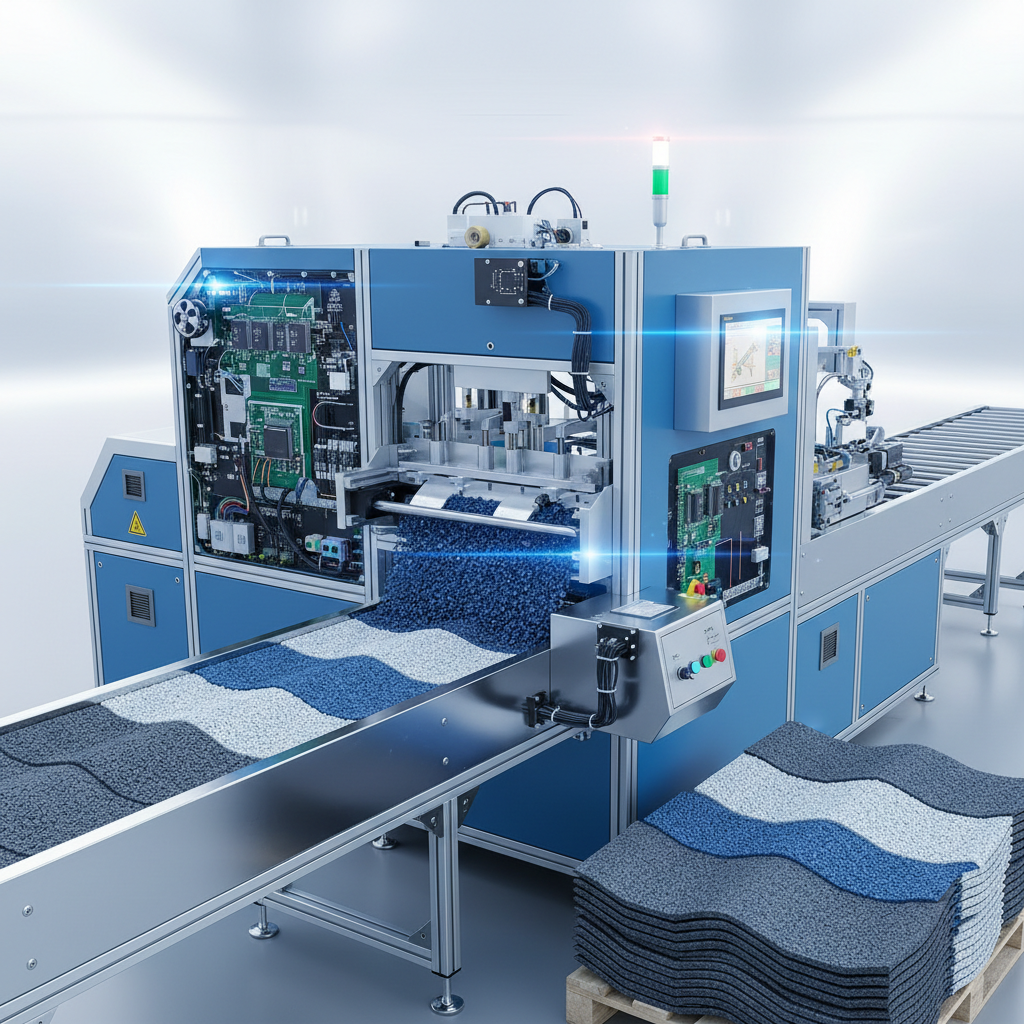
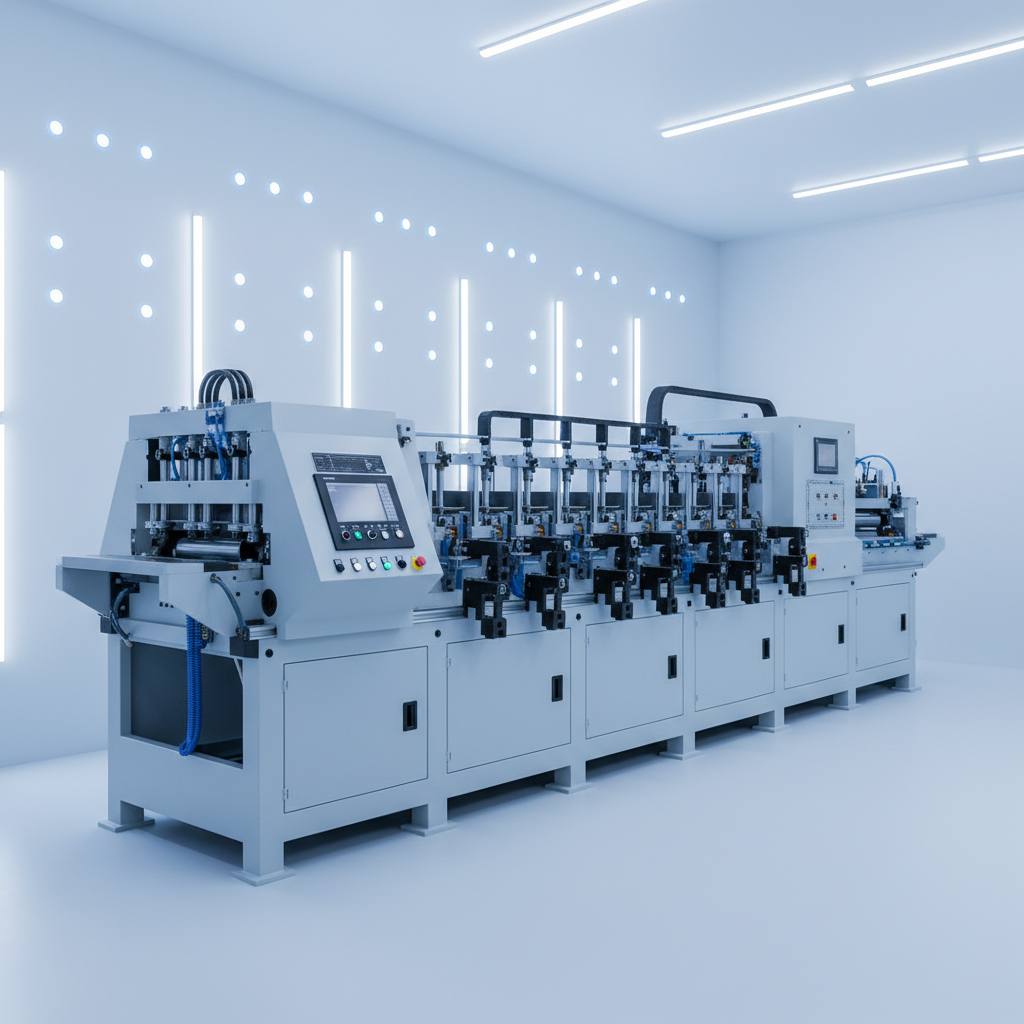
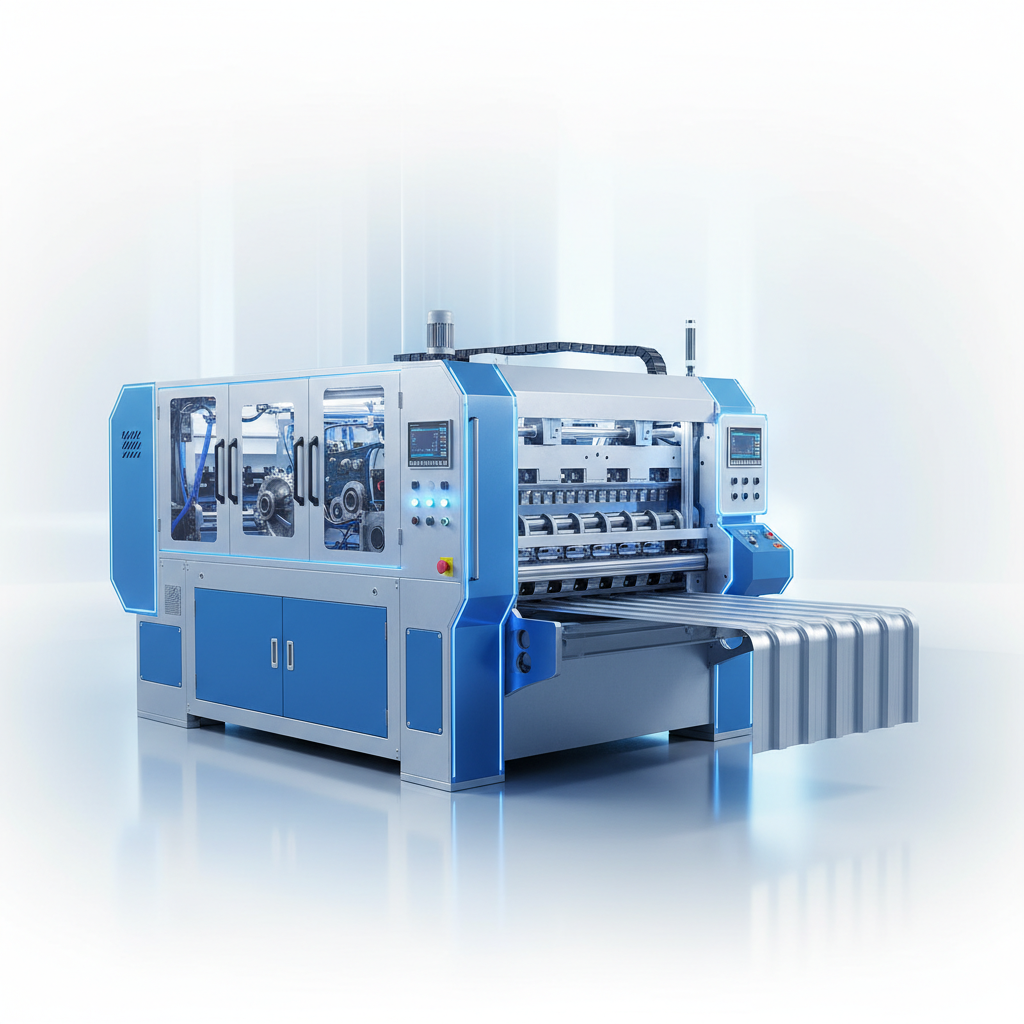
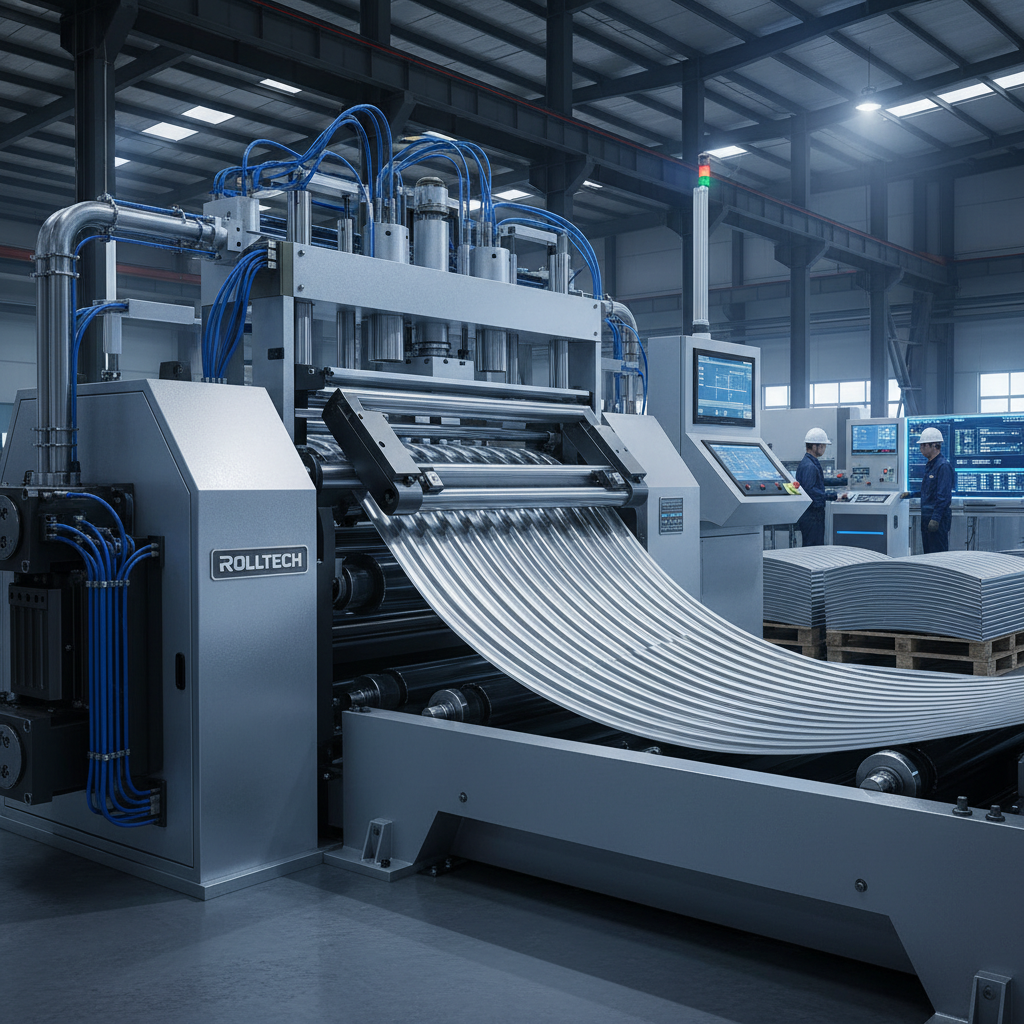
The global demand for durable and aesthetically pleasing roofing solutions has spurred significant advancements in the color stone coated roof tile production line. This technology combines the resilience of steel with the natural beauty of stone granules, creating roofing materials that are both long-lasting and visually appealing. Understanding this production process is crucial for construction professionals, architects, and manufacturers aiming to provide high-quality, sustainable roofing options in a rapidly evolving building landscape.
The color stone coated roof tile production line isn't simply about manufacturing; it’s about providing robust shelter against diverse climatic conditions. From scorching deserts to torrential downpours and heavy snowfall, these tiles offer superior protection, reducing maintenance costs and enhancing property value. This addresses a critical need for affordable and reliable housing globally, especially in regions prone to extreme weather events.
Ultimately, mastery of the color stone coated roof tile production line translates to a competitive edge in the building materials market, allowing for the creation of products that meet increasing demands for durability, sustainability, and aesthetic appeal. Its growing adoption worldwide signals its importance as a cornerstone of modern construction.
The Core Principles of color stone coated roof tile production line
At its heart, the color stone coated roof tile production line relies on a multi-stage process, beginning with the forming of a galvanized steel base. This base provides exceptional strength and durability. The subsequent application of multiple protective coatings, including a stone granule layer bonded with an acrylic film, is paramount.
This process isn’t merely assembly; it’s a sophisticated application of material science. Each layer serves a distinct purpose – corrosion resistance, UV protection, and aesthetic appeal. The final product offers a lifespan significantly exceeding traditional roofing materials, making it a sustainable and cost-effective choice.
Global Significance and Market Trends
The demand for color stone coated roof tiles is experiencing substantial growth globally, driven by factors such as increasing urbanization, stricter building codes focused on durability, and a growing awareness of sustainable construction practices. Emerging markets in Asia, Africa, and Latin America are particularly receptive to these tiles due to their affordability and longevity.
According to a report by the UN Habitat, access to safe and affordable housing remains a significant challenge worldwide. Color stone coated roof tiles offer a viable solution, providing durable, weather-resistant roofing at a relatively low cost compared to alternative materials. The World Bank also emphasizes the importance of resilient infrastructure in developing nations, and these tiles contribute directly to that goal.
The market is witnessing a trend toward more environmentally friendly production processes, utilizing recycled materials and reducing energy consumption. This reflects a broader industry shift toward sustainability and aligns with the principles of circular economy.
Defining color stone coated roof tile production line
A color stone coated roof tile production line is a comprehensive manufacturing process designed to create roofing tiles that mimic the aesthetic appeal of natural stone while delivering superior durability and performance. It involves the sequential layering of materials onto a steel base, culminating in a product resistant to extreme weather conditions, corrosion, and fading.
This production isn't solely industrial; it directly addresses fundamental human needs for shelter and security. By providing long-lasting and weather-resistant roofing, the color stone coated roof tile production line contributes to the creation of safe and habitable living spaces, particularly crucial in disaster-prone areas or regions with challenging climates.
Ultimately, the color stone coated roof tile production line represents a convergence of engineering, material science, and construction technology, resulting in a product that offers a compelling alternative to traditional roofing materials like asphalt shingles, clay tiles, and concrete tiles.
Key Factors in color stone coated roof tile production line
Several key factors contribute to the efficiency and quality of a color stone coated roof tile production line. These include the quality of the steel substrate, the effectiveness of the protective coating layers, the uniformity of the stone granule application, and the precision of the profiling and cutting processes.
Each of these factors directly impacts the final product's performance characteristics, such as its resistance to corrosion, UV degradation, hail impact, and wind uplift. Optimizing each stage of the production line is essential for delivering consistently high-quality tiles that meet industry standards and customer expectations.
Production Efficiency Metrics for color stone coated roof tile production line
Real-World Applications and Case Studies
Color stone coated roof tiles find application in a diverse range of projects, from residential homes and commercial buildings to industrial facilities and agricultural structures. Their durability and aesthetic versatility make them suitable for various architectural styles and climates.
In post-disaster relief operations, these tiles have proven invaluable for providing rapid and reliable roofing solutions in affected areas. Their lightweight nature facilitates easy transportation and installation, while their resistance to the elements ensures long-term protection for displaced communities. In remote industrial zones, where access to construction materials can be challenging, color stone coated roof tiles offer a durable and low-maintenance roofing solution.
Advantages and Long-Term Value Proposition
The advantages of color stone coated roof tiles are numerous. They offer exceptional longevity, often exceeding 50 years, significantly reducing lifecycle costs compared to traditional roofing materials. Their lightweight nature minimizes structural load, potentially lowering building costs.
Furthermore, their resistance to fire, wind, and hail provides enhanced safety and security. From a sustainability perspective, they are recyclable and require minimal maintenance, reducing environmental impact. The long-term value proposition extends beyond cost savings to include peace of mind, knowing that your roof is built to withstand the test of time.
Future Innovations and Challenges in color stone coated roof tile production line
The future of color stone coated roof tile production line is poised for innovation. Research and development efforts are focused on incorporating recycled materials into the steel substrate and acrylic film, further enhancing sustainability. Automation and AI-powered quality control systems are being implemented to improve production efficiency and reduce waste.
Digital transformation, including the use of predictive maintenance and real-time monitoring, will optimize production processes and minimize downtime. The integration of solar energy harvesting capabilities directly into the tiles represents another exciting avenue for innovation, creating self-powered roofing solutions.
Challenges include maintaining consistent quality control across different production facilities and reducing the environmental impact of the coating materials. Addressing these challenges will require collaborative efforts between manufacturers, researchers, and policymakers.
Summary of Key Challenges and Mitigation Strategies for color stone coated roof tile production line
| Challenge |
Impact on Production |
Mitigation Strategy |
Expected Outcome |
| Steel Substrate Cost Fluctuations |
Impacts profitability and pricing |
Strategic sourcing, long-term contracts |
Stabilized material costs |
| Coating Material Consistency |
Variations in color and protective properties |
Rigorous quality control, supplier audits |
Uniform product quality |
| Granule Adhesion Issues |
Premature granule loss, reduced weather resistance |
Optimized acrylic film formulation, improved bonding techniques |
Enhanced durability and longevity |
| Production Waste Management |
Environmental impact, increased costs |
Implementation of recycling programs, material reuse |
Reduced waste, lower environmental footprint |
| Automated System Maintenance |
Downtime, reduced production capacity |
Preventive maintenance schedules, skilled technicians |
Maximized uptime and efficiency |
| Skilled Labor Shortages |
Difficulty maintaining quality and efficiency |
Training programs, competitive compensation |
Enhanced workforce capabilities |
FAQS
Color stone coated roof tiles are renowned for their longevity, commonly lasting 50 years or more. This extended lifespan is attributed to the combination of a galvanized steel base, multiple protective coatings, and a durable stone granule layer. Proper installation and minimal maintenance contribute to maximizing their lifespan, offering a significant return on investment compared to traditional roofing materials.
Yes, these tiles demonstrate exceptional resistance to a wide range of extreme weather conditions. They are designed to withstand high winds (up to 140 mph), heavy hail impacts, intense UV radiation, and significant temperature fluctuations. The interlocking design and robust construction minimize the risk of damage from severe storms, making them a reliable roofing solution in challenging climates.
While the initial cost of color stone coated roof tiles may be higher than some traditional materials like asphalt shingles, their long-term value is often superior. Due to their extended lifespan and minimal maintenance requirements, the overall lifecycle cost is typically lower. The durability and resistance to damage also reduce the likelihood of costly repairs or replacements.
Yes, these tiles offer several environmental benefits. The steel substrate is often recyclable, and the tiles require minimal maintenance, reducing waste over their lifespan. Manufacturers are increasingly incorporating recycled materials into their production processes, further minimizing environmental impact. Their durability also reduces the need for frequent replacements, conserving resources.
Installation typically involves preparing the roof deck, applying an underlayment for moisture protection, and then carefully installing the tiles in an interlocking pattern. Proper fastening is crucial for ensuring wind resistance and structural integrity. It is highly recommended to use experienced and certified installers to guarantee a successful and long-lasting installation.
Color stone coated roof tiles require very little maintenance. Periodic inspections to remove debris and ensure proper drainage are recommended. Unlike some other roofing materials, they do not require painting, sealing, or regular treatments to maintain their appearance and performance. This minimal maintenance contributes to their long-term cost savings.
Conclusion
In conclusion, the color stone coated roof tile production line represents a significant advancement in roofing technology, offering a compelling combination of durability, aesthetic appeal, and sustainability. From its core principles of layered material science to its diverse global applications, this technology addresses critical needs for reliable and long-lasting roofing solutions. Its benefits extend beyond mere protection, contributing to safer, more resilient communities and a more sustainable built environment.
Looking ahead, continued innovation in material science, automation, and environmentally friendly practices will further enhance the performance and sustainability of color stone coated roof tiles. By embracing these advancements, we can unlock even greater potential for this technology to meet the evolving needs of the construction industry and contribute to a more sustainable future. Visit our website at www.machineyingyee.com to learn more about our color stone coated roof tile production line solutions.