The demand for high-quality, durable roofing and cladding solutions is constantly increasing across diverse industries, from commercial construction and industrial facilities to residential projects. A crucial element in achieving this is the precision and efficiency of metal standing seam folding machines. These machines are at the heart of producing long-lasting, weathertight metal roofing systems, and advancements in their technology are directly impacting the cost-effectiveness and sustainability of building projects worldwide. Understanding the capabilities and nuances of a metal standing seam folding machine is therefore essential for professionals in the construction, manufacturing, and metalworking sectors.
The global market for metal roofing is experiencing substantial growth, driven by factors like increasing environmental awareness, the desire for energy efficiency, and the longevity of metal roofs compared to traditional materials. This growth necessitates sophisticated manufacturing processes, and the metal standing seam folding machine plays a pivotal role. Specifically, the ability to create robust, aesthetically pleasing standing seam roofs is increasingly important for architects and builders seeking innovative and sustainable building solutions. This directly translates into a rising demand for machines capable of consistently delivering high-quality results.
Investing in a reliable and efficient metal standing seam folding machine is not merely about expanding production capacity; it’s about embracing quality, reducing material waste, and meeting the evolving demands of a competitive market. As building codes become stricter regarding energy efficiency and storm resistance, the need for precisely engineered metal roofing systems will only continue to grow, solidifying the importance of these specialized machines in the construction landscape.
Defining the Metal Standing Seam Folding Machine
A metal standing seam folding machine is a specialized piece of equipment used to create the interlocking seams characteristic of standing seam metal roofing and cladding. It precisely folds and interlocks metal panels, forming a strong, watertight connection. This process eliminates the need for exposed fasteners, contributing to the longevity and aesthetic appeal of the finished roof.
The development of these machines has been crucial in advancing the construction industry, allowing for faster, more efficient, and higher-quality installation of metal roofing systems. Standing seam metal roofs are known for their durability, resistance to extreme weather conditions, and minimal maintenance requirements, making them an increasingly popular choice for both residential and commercial buildings. This ultimately contributes to more sustainable and resilient infrastructure.
The Global Relevance of Standing Seam Metal Roofing
Standing seam metal roofing is rapidly gaining prominence globally, with a particularly strong presence in regions prone to harsh weather conditions like North America, Europe, and Australia. According to reports from the Metal Construction Association, the demand for metal roofing has consistently increased over the past decade, outpacing the growth of traditional roofing materials. This trend is driven by factors such as increasing concerns about climate change, the need for energy-efficient buildings, and the aesthetic appeal of metal roofs.
The United Nations’ Sustainable Development Goals (SDGs), particularly those related to sustainable cities and communities (SDG 11) and responsible consumption and production (SDG 12), are indirectly influencing the demand for standing seam metal roofing. Its durability and recyclability align with the principles of sustainable construction, minimizing waste and reducing the environmental impact of buildings. Furthermore, the long lifespan of metal roofs reduces the need for frequent replacements, conserving resources and lowering lifecycle costs.
However, challenges remain in ensuring widespread adoption, particularly in developing countries where initial costs can be a barrier. Addressing this requires innovation in manufacturing processes, reducing machine costs, and promoting the long-term economic benefits of standing seam metal roofing, making a high-quality metal standing seam folding machine a vital component of a sustainable building future.
Core Components and Operational Principles
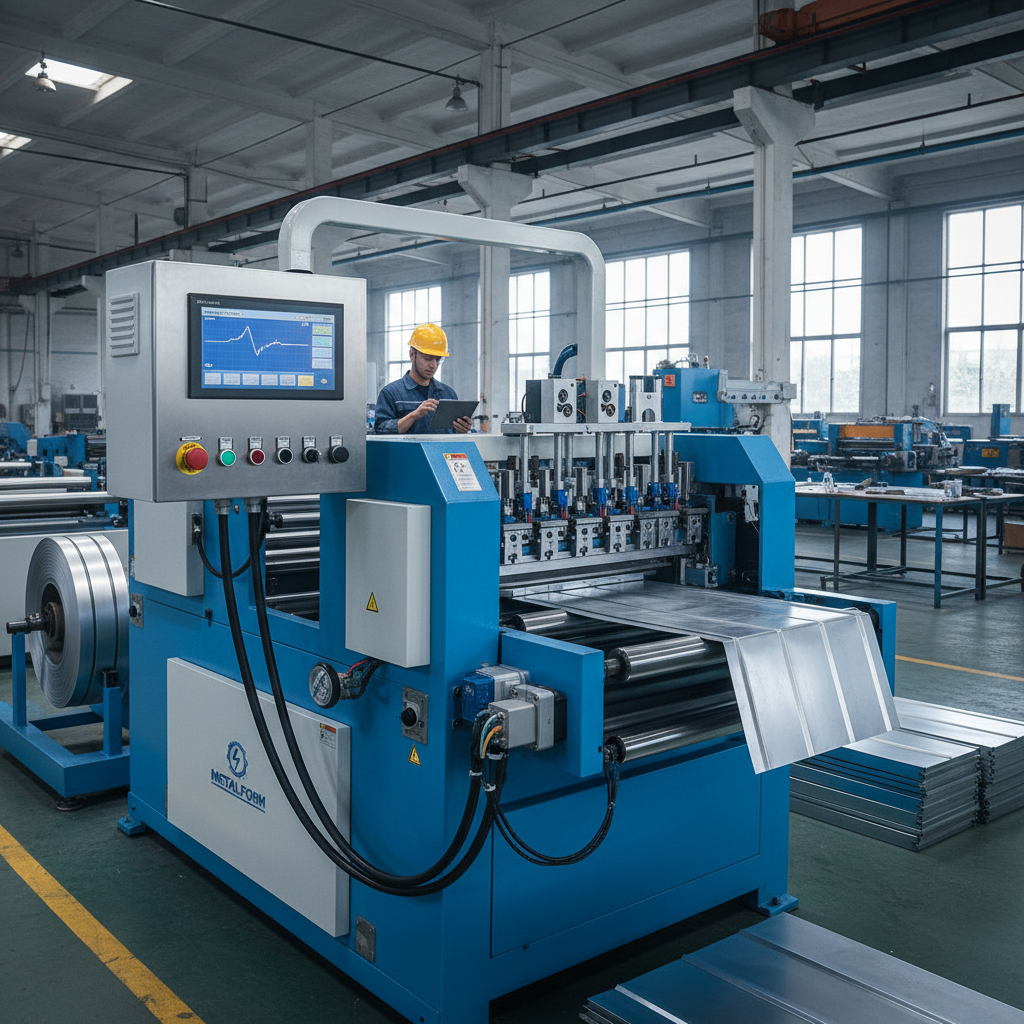
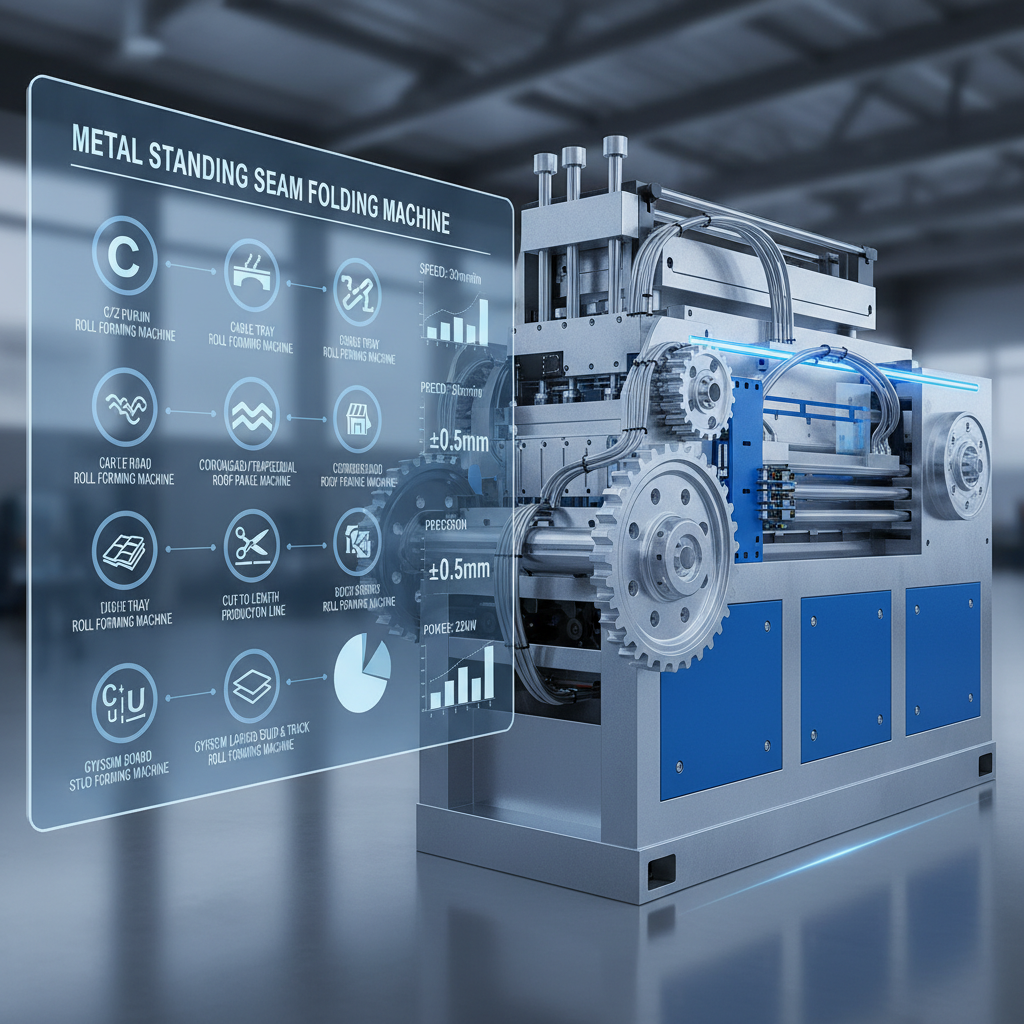
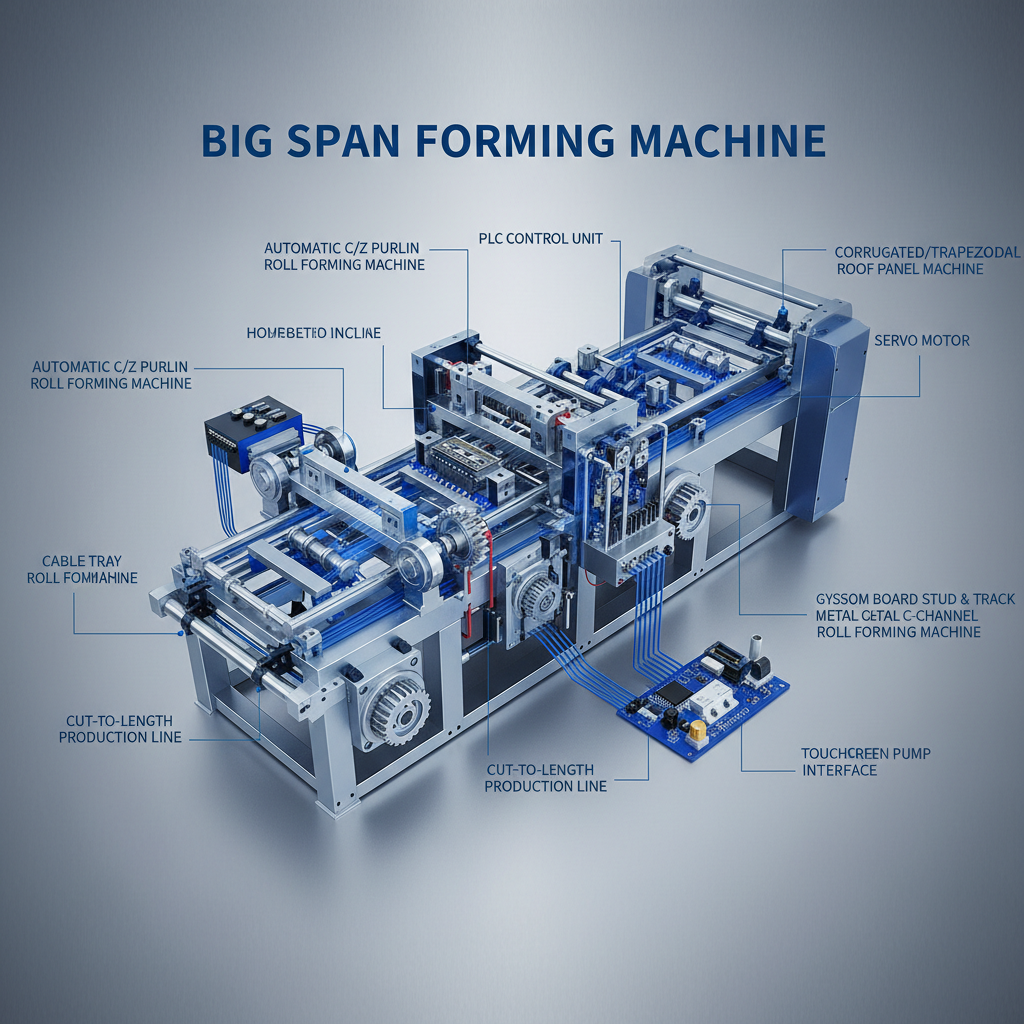
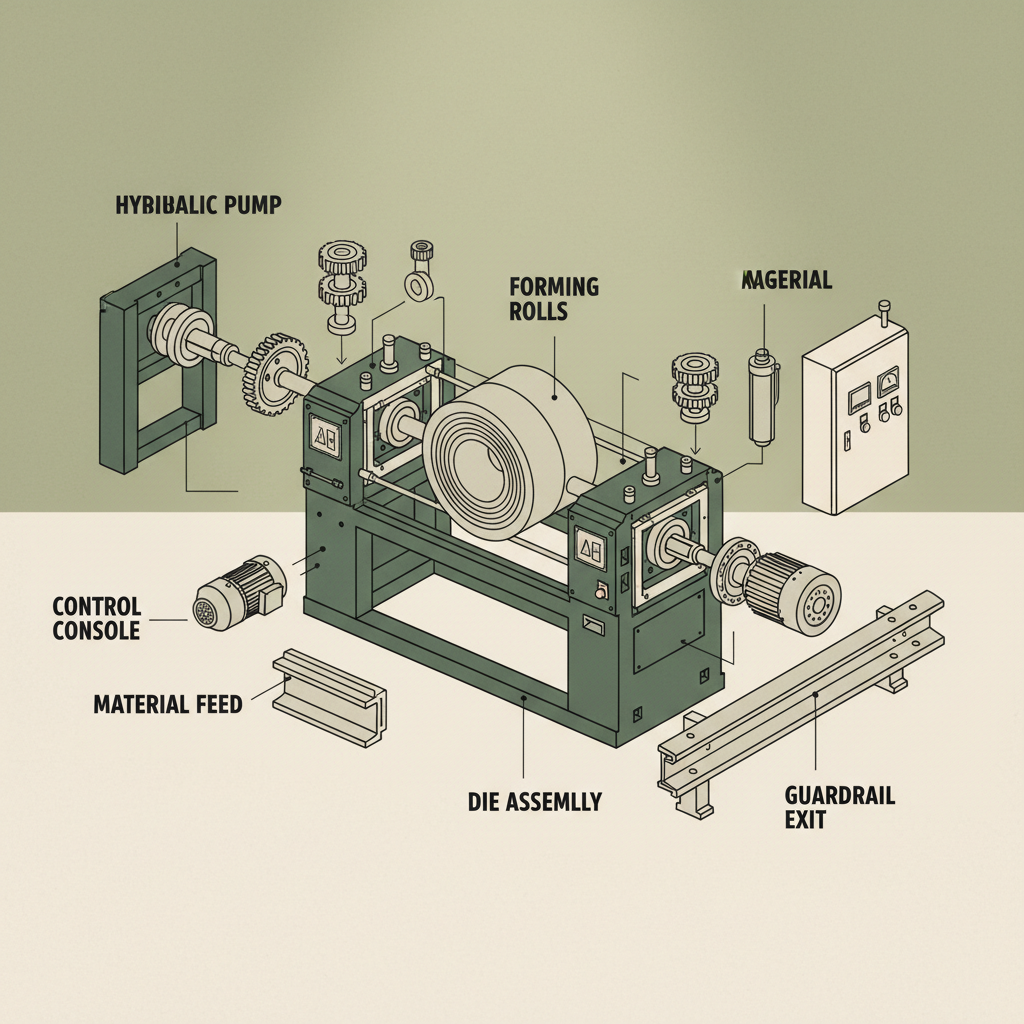
At its core, a metal standing seam folding machine comprises several key components working in unison. These include the feeding system (to precisely introduce the metal sheet), the forming rollers (which progressively shape the metal into the desired seam profile), the folding mechanism (to create the interlock), and the control system (typically PLC-based, for automation and precision). The quality of these components directly impacts the efficiency and accuracy of the folding process.
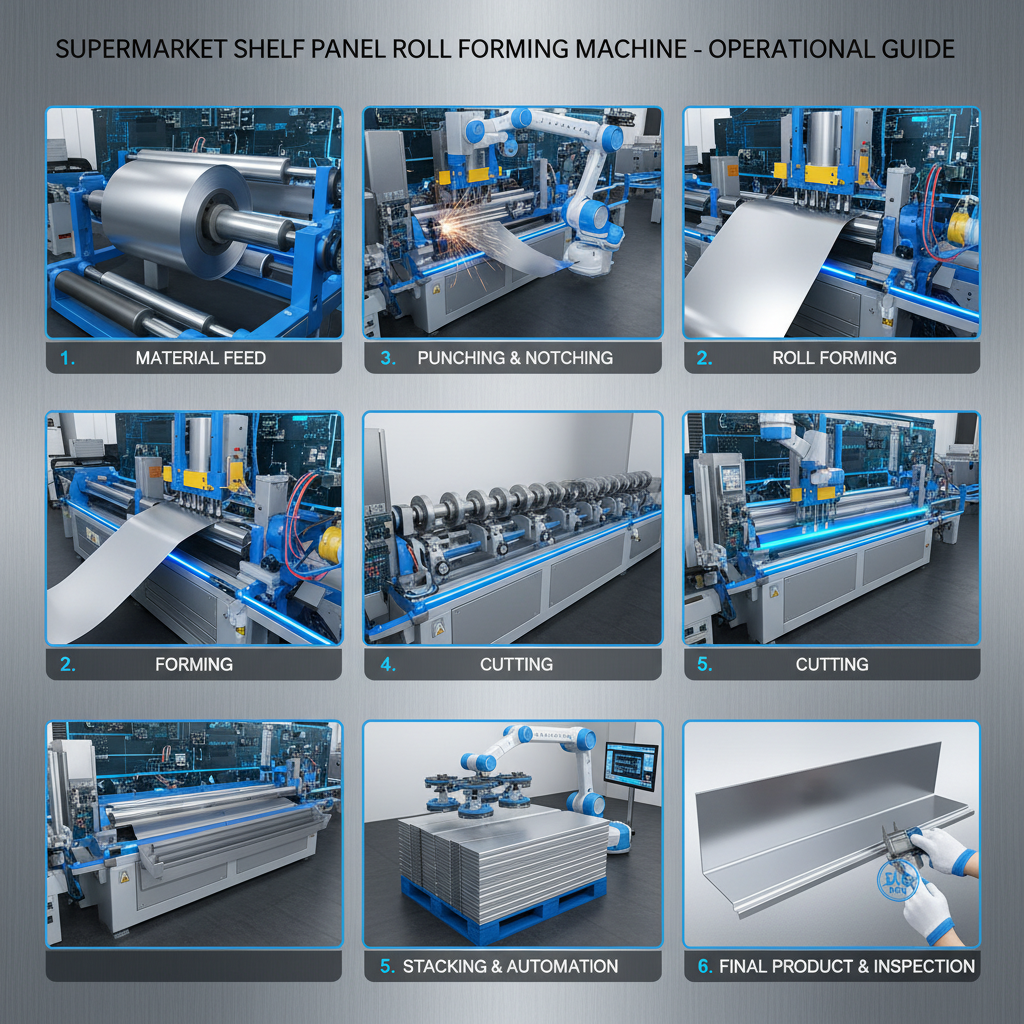
The operational principle relies on a series of precisely engineered rollers and dies that incrementally form the metal sheet. The metal is fed through the machine, and each roller station performs a specific shaping operation. Finally, the folding mechanism interlocks the seams, creating a watertight and weathertight connection. Modern machines often incorporate sensors and automated adjustments to ensure consistent quality and minimize material waste.
Understanding these core components and operational principles is crucial for operators and maintenance personnel to ensure optimal performance and longevity of the metal standing seam folding machine. Regular maintenance, proper alignment of rollers, and timely replacement of worn parts are essential for maintaining consistent production quality.
Key Performance Indicators of Metal Standing Seam Folding Machines
Assessing the performance of a metal standing seam folding machine requires consideration of several key indicators. These go beyond simply measuring output and encompass factors relating to efficiency, quality, and operational costs. Important KPIs include production speed (panels per hour), seam accuracy (measured in millimeters), material waste percentage, and energy consumption per panel produced.
Another crucial metric is the machine’s uptime, reflecting its reliability and minimizing production downtime. Furthermore, the ease of setup and changeover for different seam profiles is a significant factor, especially for manufacturers handling diverse project requirements. Ultimately, a high-performing machine maximizes productivity while minimizing costs and ensuring consistent product quality.
KPI Comparison for Metal Standing Seam Folding Machine Methods
Applications Across Industries and Geographies
The applications for metal standing seam roofing created by these machines are widespread. In the commercial sector, they are prevalent in large industrial buildings, warehouses, and office complexes, offering a durable and low-maintenance roofing solution. Residential applications include upscale homes and modern architectural designs where aesthetics and longevity are paramount.
Geographically, the demand is particularly strong in regions prone to severe weather, such as hurricane zones in the Southeastern United States and areas with heavy snowfall in Northern Europe. Furthermore, the adoption of standing seam metal roofing is growing in emerging markets, driven by a desire for sustainable building practices and durable infrastructure. In post-disaster relief operations, quickly deployable metal roofing solutions using metal standing seam folding machine-produced panels offer a resilient and long-lasting shelter option.
Advantages and Long-Term Economic Impact
Investing in a high-quality metal standing seam folding machine translates into numerous tangible benefits. These include reduced labor costs due to faster production speeds, minimized material waste through precise forming, and lower lifecycle costs associated with the durability and longevity of metal roofs. The elimination of exposed fasteners also reduces the risk of leaks and corrosion, leading to fewer maintenance requirements.
Beyond the economic advantages, there are significant environmental benefits. Metal roofs are often made from recycled materials and are fully recyclable at the end of their lifespan, contributing to a circular economy. They also reflect solar radiation, reducing energy consumption for cooling and contributing to lower carbon footprints. The reliability and resilience offered by standing seam metal roofs provide a sense of security and peace of mind for building owners.
Future Trends and Technological Advancements
The future of metal standing seam folding machine technology is focused on increased automation, precision, and sustainability. We are seeing a trend towards machines with integrated sensors and AI-powered controls that optimize the folding process, reduce waste, and improve product quality. Furthermore, research is underway to develop machines capable of handling new materials, such as high-strength alloys and composite metals.
Digitalization is playing a key role, with remote monitoring and diagnostics becoming increasingly common. This allows manufacturers to proactively address maintenance needs and minimize downtime. The integration of Building Information Modeling (BIM) software is also streamlining the design and fabrication process, improving accuracy and reducing errors. As the construction industry embraces Industry 4.0 principles, metal standing seam folding machines will become even more intelligent and interconnected.
The push for sustainable manufacturing practices will drive further innovation in energy efficiency and material utilization. Machines designed to minimize energy consumption and reduce waste will be increasingly sought after, aligning with the growing demand for environmentally responsible building solutions.
FAQS
A properly installed standing seam metal roof, manufactured using a high-quality folding machine, typically boasts a lifespan of 50-70 years, often exceeding that of traditional roofing materials. This longevity stems from the inherent durability of metal, the weathertight seam design, and the resistance to corrosion and fire. Regular maintenance, such as cleaning and inspection, can further extend its lifespan, making it a highly cost-effective long-term investment.
Metal standing seam folding machines require regular maintenance to ensure optimal performance and longevity. Key maintenance tasks include lubrication of moving parts, inspection and replacement of worn rollers and dies, cleaning of the machine, and calibration of sensors and controls. Following the manufacturer’s recommended maintenance schedule is crucial to prevent breakdowns and maintain consistent product quality.
Most metal standing seam folding machines are designed to handle a variety of metals, including galvanized steel, galvalume steel, aluminum, and copper. The specific metal compatibility depends on the machine’s design and the hardness and thickness of the metal. It’s essential to verify that the machine is compatible with the intended metal before processing to avoid damage or poor-quality seams.
The production speed of a modern metal standing seam folding machine varies depending on factors such as the metal type, thickness, seam profile, and machine automation level. However, typical production speeds range from 15 to 30 meters per hour. More advanced machines with automated feeding and control systems can achieve even higher speeds, significantly increasing manufacturing efficiency.
Automation significantly enhances the cost-effectiveness of a metal standing seam folding machine. Automated features such as PLC control systems, automatic feeding, and sensor-based adjustments reduce labor costs, minimize material waste, and improve product consistency. This leads to lower overall production costs and increased profitability, making automated machines a valuable investment for manufacturers.
Safety is paramount in the design of modern metal standing seam folding machines. Typical safety features include emergency stop buttons, safety guards to prevent access to moving parts, light curtains to detect intrusions, and overload protection systems. Operator training is also crucial to ensure safe operation and prevent accidents. Compliance with relevant safety standards is essential for manufacturers and operators.
Conclusion
In conclusion, the metal standing seam folding machine is a critical component in the modern construction landscape, enabling the production of durable, sustainable, and aesthetically pleasing metal roofing systems. Its impact extends beyond mere manufacturing efficiency, contributing to the long-term economic viability of projects, minimizing environmental impact, and enhancing the resilience of buildings in the face of challenging weather conditions. The understanding of its core components, performance indicators, and future trends is paramount for professionals in the industry.
As we move towards a future focused on sustainability and innovation, the continued advancement of metal standing seam folding machine technology will be essential. Investing in research and development, embracing automation, and prioritizing safety will be key to unlocking the full potential of this vital equipment and shaping a more resilient and environmentally responsible built environment. Explore our range of cutting-edge machines at www.machineyingyee.com.