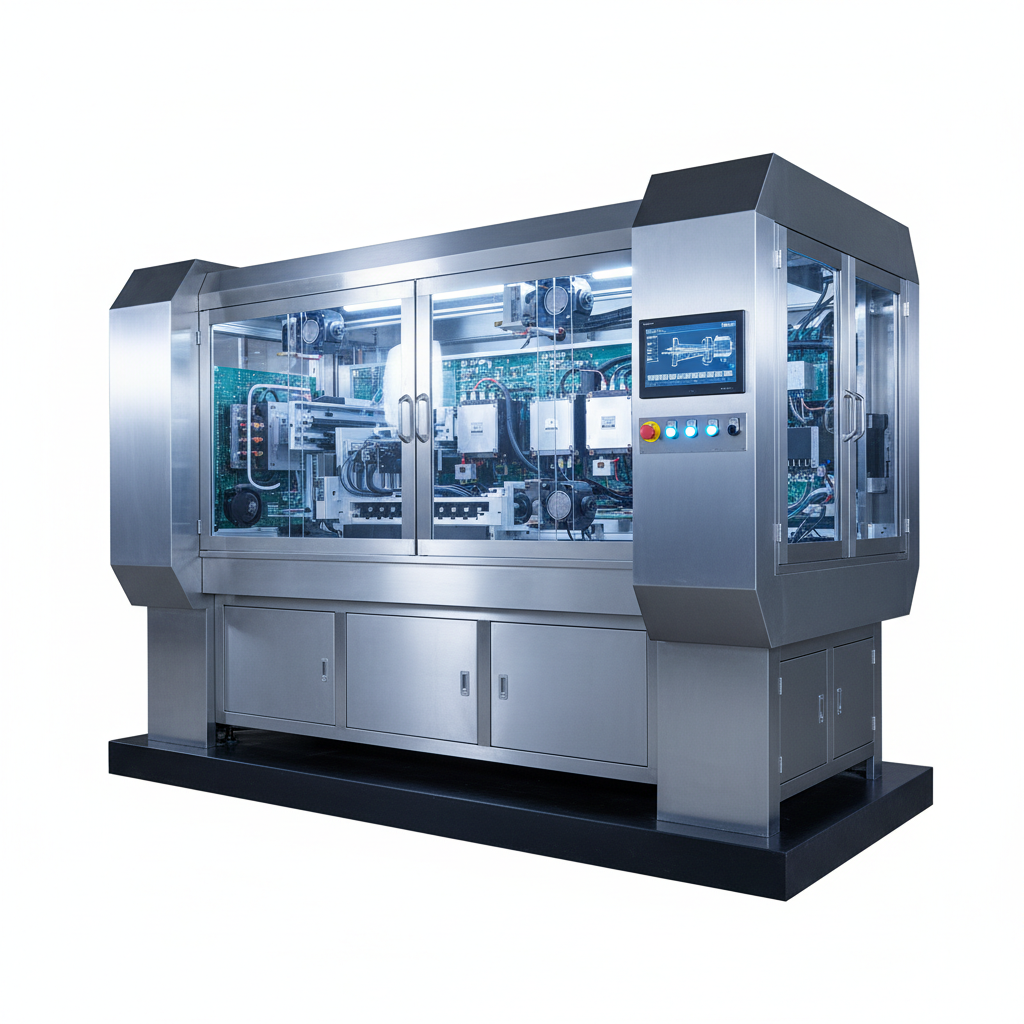
Roll forming truck chassis are increasingly vital components in modern logistics and transportation, offering a robust and cost-effective solution for vehicle frame construction. The global demand for efficient and durable trucks necessitates innovative chassis designs, and roll forming presents a compelling manufacturing process. This technology directly impacts supply chain resilience, freight costs, and the overall efficiency of goods movement worldwide. Understanding the intricacies of roll forming truck chassis is crucial for engineers, manufacturers, and logistics professionals alike.
The importance of roll forming truck chassis extends beyond mere cost reduction. It enables the production of lightweight yet incredibly strong chassis, contributing to improved fuel efficiency and reduced emissions. As the world transitions towards more sustainable transportation solutions, the demand for optimized chassis designs will only continue to grow. Furthermore, the scalability of roll forming allows for rapid production increases to meet fluctuating market demands, making it a cornerstone of modern truck manufacturing.
Ultimately, appreciating the technology behind roll forming truck chassis isn’t just about understanding a manufacturing process; it’s about recognizing its role in enabling global trade, supporting economic growth, and fostering more sustainable transportation practices. The continued evolution of this technology promises further advancements in truck chassis design, performance, and environmental impact.
Introduction to roll forming truck chassis
The process of roll forming involves continuously bending sheet metal through a series of rollers to create a desired cross-sectional profile. When applied to truck chassis, this translates into highly precise and consistently shaped frame components. These components are then assembled to create the complete chassis, providing a strong and durable foundation for the truck's cargo and powertrain. The efficiency and precision of roll forming is a key factor in its increasing adoption.
Unlike traditional fabrication methods that often rely on welding and more labor-intensive processes, roll forming offers a continuous production flow, minimizing waste and reducing manufacturing time. This streamlined process directly translates into cost savings and allows for large-scale production to meet the ever-growing demand for trucks across various industries. The use of high-strength steels in the roll forming process further enhances the chassis’s structural integrity.
Global Context and Demand
The global truck market is experiencing significant growth, driven by increasing trade volumes, infrastructure development, and the rising demand for efficient logistics solutions. According to data from the United Nations, global freight transport is projected to increase by over 50% by 2050. This growth necessitates a corresponding increase in the production of trucks, placing significant demands on chassis manufacturers. Roll forming truck chassis provides a scalable solution to meet this escalating demand.
Regions experiencing particularly strong growth in truck demand include Asia-Pacific, Latin America, and Africa, fueled by rapid industrialization and urbanization. The World Bank estimates that investments in infrastructure projects in these regions will continue to drive demand for commercial vehicles. Roll forming's ability to produce chassis efficiently and at a competitive cost makes it a preferred choice for manufacturers serving these emerging markets.
A key challenge facing the industry is the need to reduce transportation costs while simultaneously minimizing environmental impact. Roll forming contributes to both of these goals by enabling the production of lightweight chassis that improve fuel efficiency and reduce emissions. Meeting these competing demands is critical for the long-term sustainability of the trucking industry, and roll forming is playing an increasingly important role.
Defining roll forming truck chassis
A roll forming truck chassis is the structural framework of a truck, constructed using the roll forming process. It's not a single piece but an assembly of various components, often including side rails, cross members, and reinforcements, all meticulously shaped through successive passes through rollers. This process creates consistent and precise profiles, ensuring structural integrity and load-bearing capacity.
The defining characteristic of a roll forming truck chassis is its efficient production process and the resulting high strength-to-weight ratio. Unlike welding techniques, roll forming produces a seamless and consistent profile without the weakening effects of weld points. This is critical for withstanding the stresses of heavy loads and challenging road conditions.
In essence, a roll forming truck chassis provides the foundational support for all other truck components – the engine, drivetrain, cab, and cargo area. Its design and construction are paramount to the overall safety, performance, and longevity of the vehicle, playing a vital role in both commercial transport and essential service applications.
Core Components and Characteristics
Several key aspects contribute to the effectiveness of roll forming truck chassis. Durability is paramount; the chassis must withstand constant stress, vibrations, and varying load conditions. High-strength steel alloys are crucial here, ensuring resistance to fatigue and corrosion. Cost Efficiency is another vital factor, achievable through the continuous nature of the roll forming process, minimizing material waste and labor costs.
Scalability represents the ability to rapidly adjust production volume to meet fluctuating market demands. Roll forming excels in this regard, allowing manufacturers to quickly ramp up or down production without significant investment in new equipment. Design Flexibility enables the creation of customized chassis profiles to accommodate different truck configurations and specific payload requirements. Finally, Weight Optimization is essential for fuel efficiency; roll forming allows for precise material usage, reducing overall chassis weight without compromising structural integrity.
Comparison of Roll Forming Methods for Truck Chassis
Real-World Applications
Roll forming truck chassis are ubiquitous across a vast range of applications. They are essential for long-haul trucking, providing a robust and reliable foundation for transporting goods across continents. They also feature prominently in the construction industry, supporting dump trucks, cement mixers, and other heavy-duty vehicles.
In post-disaster relief operations, the durability and rapid manufacturability of roll forming chassis are invaluable, enabling the quick deployment of trucks to deliver essential supplies and equipment. Furthermore, in remote industrial zones such as mining operations and oil fields, where trucks operate under extreme conditions, roll forming chassis provide the necessary strength and resilience.
Advantages and Long-Term Value
The benefits of utilizing roll forming truck chassis extend far beyond immediate cost savings. The enhanced durability translates into reduced maintenance requirements and a longer service life, contributing to a lower total cost of ownership. The lightweight nature of roll formed chassis improves fuel efficiency, reducing operating expenses and minimizing carbon emissions – a critical consideration in today’s environmentally conscious market.
From a societal perspective, the reliability of these chassis contributes to safer transportation, reducing the risk of accidents and protecting both drivers and the public. The trust and confidence placed in manufacturers who employ this technology are paramount, fostering long-term partnerships and sustainable growth. The consistent quality and performance associated with roll forming enhance brand reputation and customer loyalty.
Future Trends and Innovations
The future of roll forming truck chassis is poised for significant innovation. The integration of advanced materials, such as high-strength low-alloy (HSLA) steels and aluminum alloys, will further reduce weight and enhance durability. Automation and digital twin technology are also set to revolutionize the manufacturing process, enabling greater precision, faster production cycles, and predictive maintenance.
Sustainability is a key driver of innovation, with a growing focus on utilizing recycled materials and minimizing waste. The development of closed-loop manufacturing systems, where materials are continuously recycled and reused, will further reduce the environmental impact of chassis production. The implementation of Industry 4.0 principles, including data analytics and machine learning, will optimize processes and improve overall efficiency.
Finally, the exploration of hybrid and electric truck technologies will necessitate specialized chassis designs optimized for battery integration and weight distribution. Roll forming is well-positioned to adapt to these evolving requirements, providing a flexible and cost-effective manufacturing solution for the next generation of trucks.
FAQS
Roll forming provides several advantages over welding, including increased production speed, reduced material waste, and a stronger, more consistent final product. Welding can create weak points in the chassis structure due to heat-affected zones, while roll forming produces a seamless profile. The continuous nature of roll forming also allows for greater automation and lower labor costs, making it a more cost-effective solution overall. Furthermore, roll formed chassis generally have a better strength-to-weight ratio.
Material selection is crucial. High-strength low-alloy (HSLA) steels are commonly used due to their excellent strength-to-weight ratio and corrosion resistance. Aluminum alloys are also gaining popularity for weight reduction, particularly in applications where fuel efficiency is a priority. The specific grade of steel or aluminum used will depend on the intended application and the expected load-bearing requirements of the chassis. Careful consideration must be given to factors like yield strength, tensile strength, and fatigue resistance.
The lifespan of a roll forming truck chassis varies depending on operating conditions and maintenance practices. However, with proper care, a well-designed and manufactured roll formed chassis can last for 10-20 years or even longer. Factors that affect lifespan include the severity of the loads carried, the road conditions encountered, and the frequency of maintenance inspections. Regular corrosion protection and timely repairs are essential for maximizing chassis longevity.
Yes, roll forming offers a high degree of design flexibility. The shape and dimensions of the chassis components can be customized to accommodate different truck configurations, payload requirements, and mounting points for other components. This allows manufacturers to tailor the chassis to specific applications, such as dump trucks, flatbeds, or refrigerated carriers. Customization often involves adjusting the roll forming dies to create the desired profile.
Roll forming promotes sustainability through several avenues. Its efficient material usage minimizes waste, and the lightweight chassis contribute to improved fuel efficiency and reduced emissions. The ability to use recycled materials in the roll forming process further enhances its environmental benefits. Furthermore, the longevity of roll formed chassis reduces the need for frequent replacements, conserving resources.
Rigorous quality control measures are essential throughout the roll forming process. These include regular inspections of the raw materials, precise alignment and calibration of the roll forming dies, and dimensional checks of the finished components. Non-destructive testing methods, such as ultrasonic testing, may also be used to detect any internal flaws or defects. Statistical process control (SPC) is commonly employed to monitor and maintain consistent product quality.
Conclusion
Roll forming truck chassis represents a pivotal advancement in vehicle manufacturing, offering a compelling combination of durability, cost-effectiveness, and scalability. Its ability to deliver lightweight yet robust chassis solutions is critical in meeting the growing demands of the global transportation industry and contributing to more sustainable practices. The ongoing evolution of materials, automation, and digital technologies promises to further enhance the performance and efficiency of roll formed chassis.
Looking ahead, continued investment in research and development is essential to unlock the full potential of roll forming. Embracing innovative materials, optimizing manufacturing processes, and integrating smart technologies will ensure that roll forming truck chassis remain at the forefront of the industry, driving efficiency, safety, and sustainability for years to come. To learn more about our expertise in roll forming truck chassis, visit our website: www.machineyingyee.com.