Let’s talk composite floor deck forming machinery. I’ve spent the last fifteen years on sites, and I can tell you, speed and efficiency are everything. We’re talking about timelines, budgets, and getting people into buildings quicker and safer. This isn’t some abstract engineering problem; it’s about getting a roof over someone’s head, or getting a factory running, and composite floor deck forming machinery is increasingly a key part of that. It’s not just a trend; it’s a fundamental shift in how we build.
The thing is, the construction industry is traditionally slow to adapt. But the pressure is on - labor shortages, material costs, and demands for sustainable building practices. That's where composite floor deck forming machinery shines. It's about doing more with less, and crucially, doing it better. I've seen firsthand how these systems can cut project times dramatically, while also improving structural integrity.
Frankly, it's also about risk. Traditional methods have inherent dangers, and speeding up construction without compromising safety is paramount. Composite floor decks, formed efficiently with the right machinery, deliver on that promise. It’s a solution that's gaining traction globally because it addresses real-world pain points for builders, developers, and ultimately, the people who use the buildings.
The Core Principles of composite floor deck forming machinery
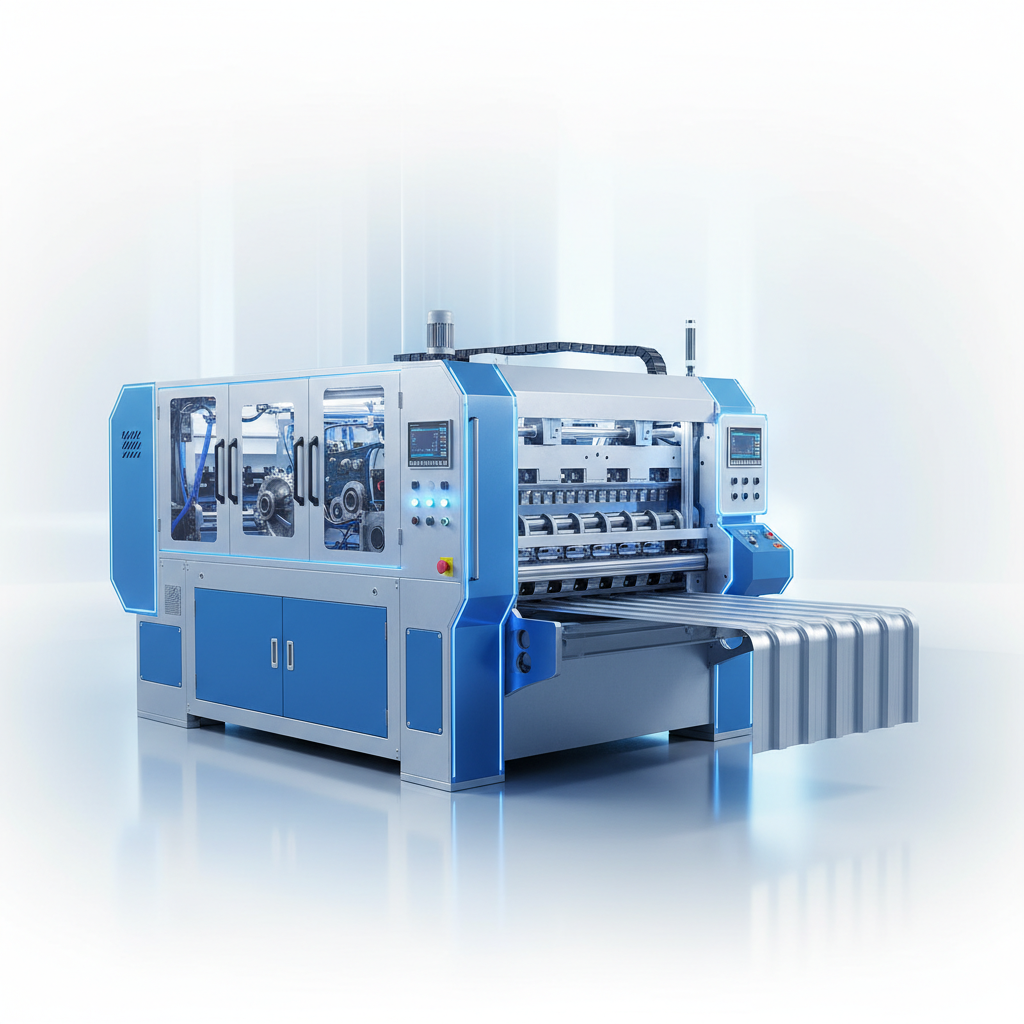
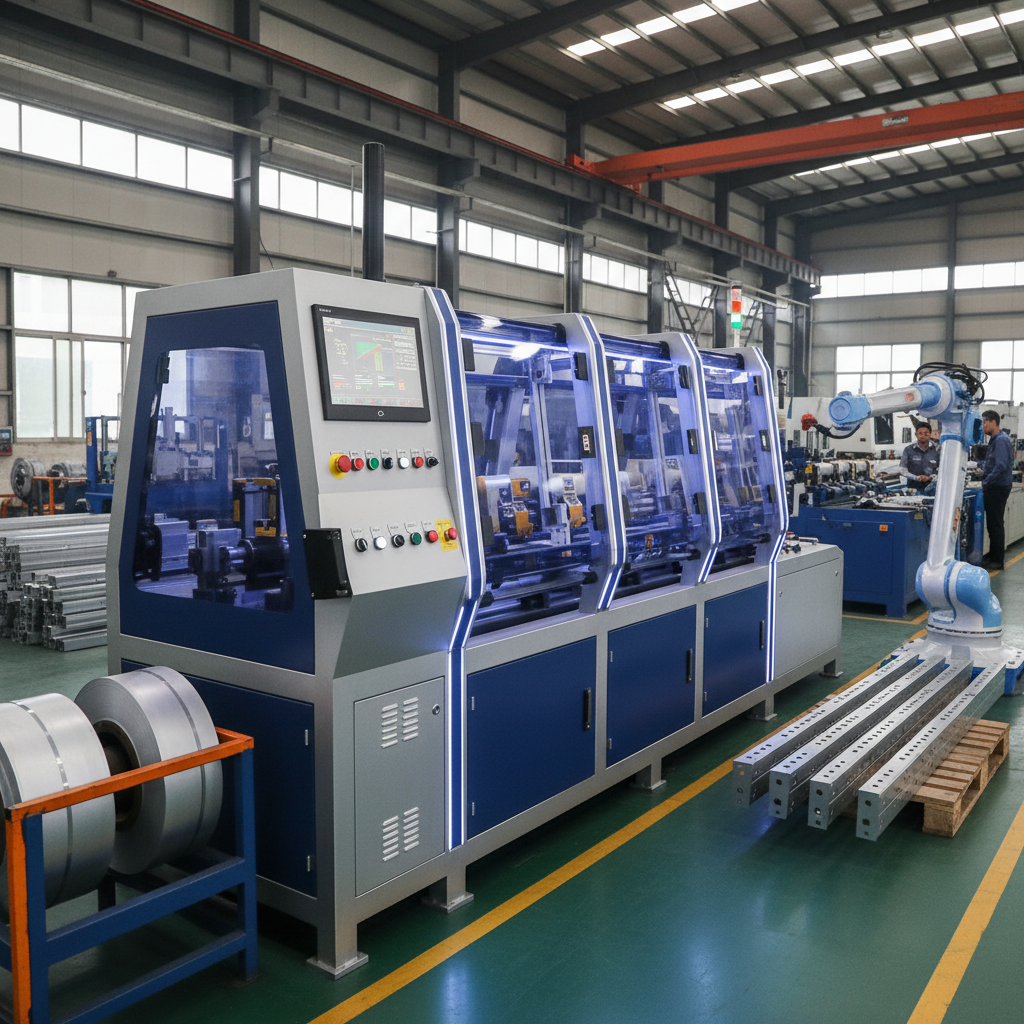
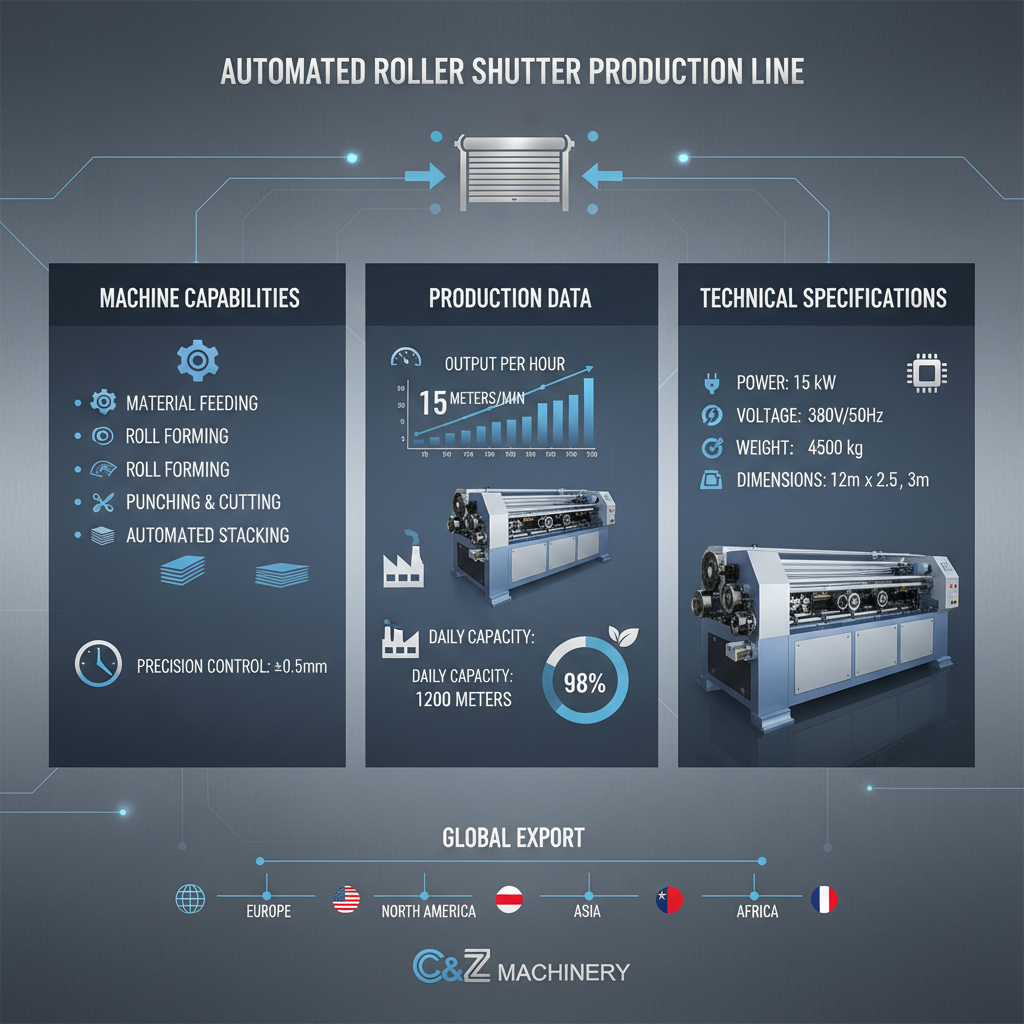
At its heart, composite floor deck forming machinery is about streamlining the process of creating concrete floors reinforced with steel decking. It’s not just about the machines themselves, though; it's about the integration of precision engineering, automated processes, and material handling. You need to think about the whole system – the uncoiler feeding the steel, the roll forming creating the deck profile, the welding and shearing, and finally, the placement of the deck.
I’ve seen too many projects where the machinery wasn’t properly integrated, and the gains were lost in inefficiencies. A good system minimizes manual labor, reduces waste, and ensures consistent quality. It’s about building repeatable processes that deliver predictable results, especially when you’re dealing with large-scale projects.
Global Significance and Market Drivers
The demand for faster, more efficient construction is global. Look at the urbanization happening in Asia and Africa, the infrastructure needs in North America – everyone is facing the same challenges. The United Nations estimates that the global population will reach 9.7 billion by 2050, and that's going to require a massive increase in housing and infrastructure. We simply can’t build fast enough with traditional methods.
From my experience, the ISO standards for prefabrication and modular construction are driving adoption, too. They’re pushing for more quality control and traceability, which these systems naturally provide. And let’s not forget the increasing focus on sustainability. Composite floors often require less material overall, and the reduced construction time translates to lower carbon emissions.
The biggest driver I’m seeing right now is the skilled labor shortage. These machines can significantly reduce the reliance on highly skilled labor, allowing companies to get projects done even when they can’t find enough experienced workers. That’s a huge advantage in today’s market.
Defining composite floor deck forming machinery
Simply put, composite floor deck forming machinery is a suite of equipment designed to manufacture steel decking – usually galvanized steel – that’s then concreted over to create a strong, lightweight floor system. It’s not a single machine; it’s a production line. You’ve got the uncoiler that straightens the steel coil, the roll forming machine that shapes it into the deck profile, the shear that cuts it to length, and systems for handling and stacking the finished product.
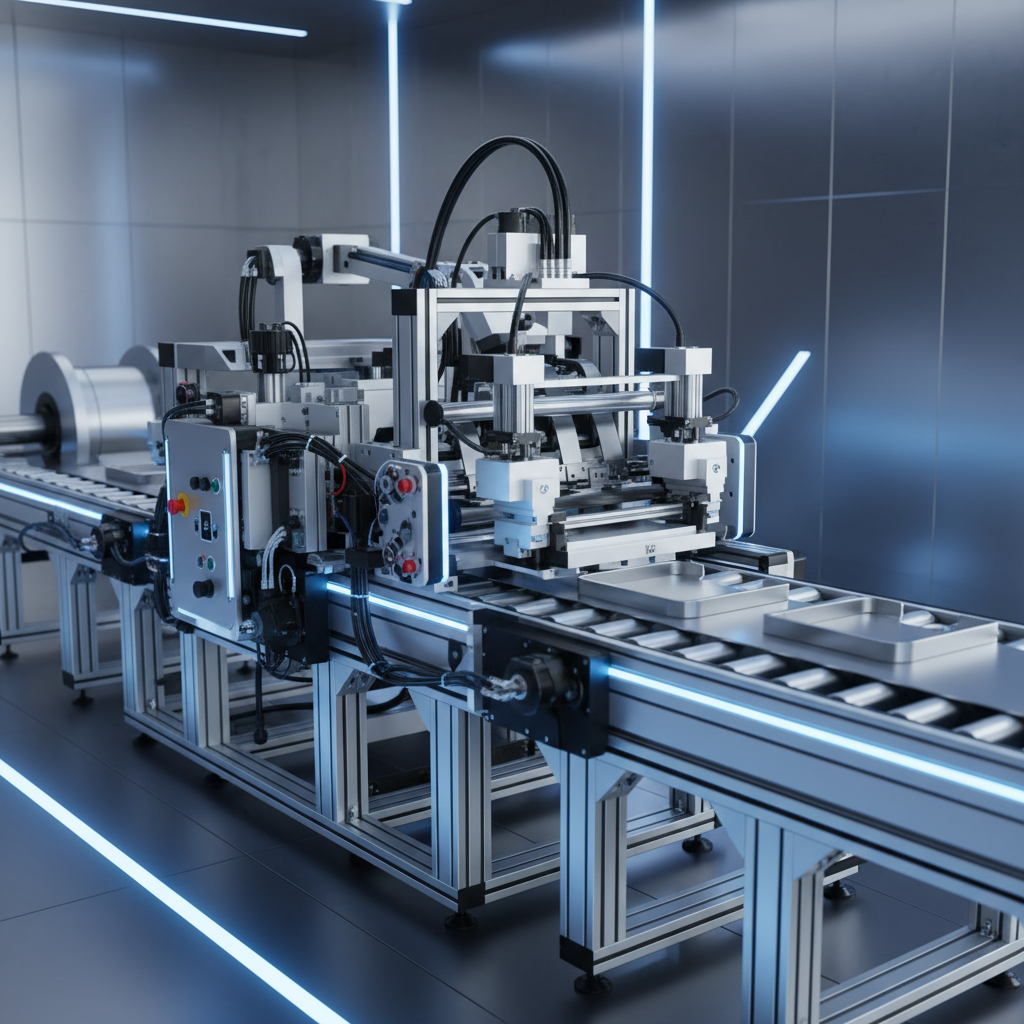
The key is that it’s designed to be a continuous process, minimizing downtime and maximizing output. Older methods relied heavily on manual cutting and assembly, which were slow, prone to error, and dangerous. This machinery automates those steps, giving you consistent quality and a significant speed boost. It directly supports modern construction techniques like prefabrication and off-site manufacturing, which are gaining popularity.
It’s a critical component in building everything from warehouses and factories to multi-story office buildings and residential complexes. The evolution of this machinery has been driven by the need for stronger, lighter, and more cost-effective floor systems. And the machines themselves are becoming increasingly sophisticated, with advanced control systems and automation features.
Key Operational Aspects
Durability is paramount. These machines take a beating, operating in harsh environments and running for long hours. You need robust construction and high-quality components. Scalability is also crucial. Can the machine be easily adjusted to produce different deck profiles and widths? Can it handle increased production volumes as demand grows?
Cost efficiency isn’t just about the initial purchase price. It’s about long-term operating costs – maintenance, energy consumption, and the cost of downtime. A well-designed machine will minimize these costs and deliver a strong return on investment. Proper maintenance schedules and readily available spare parts are critical.
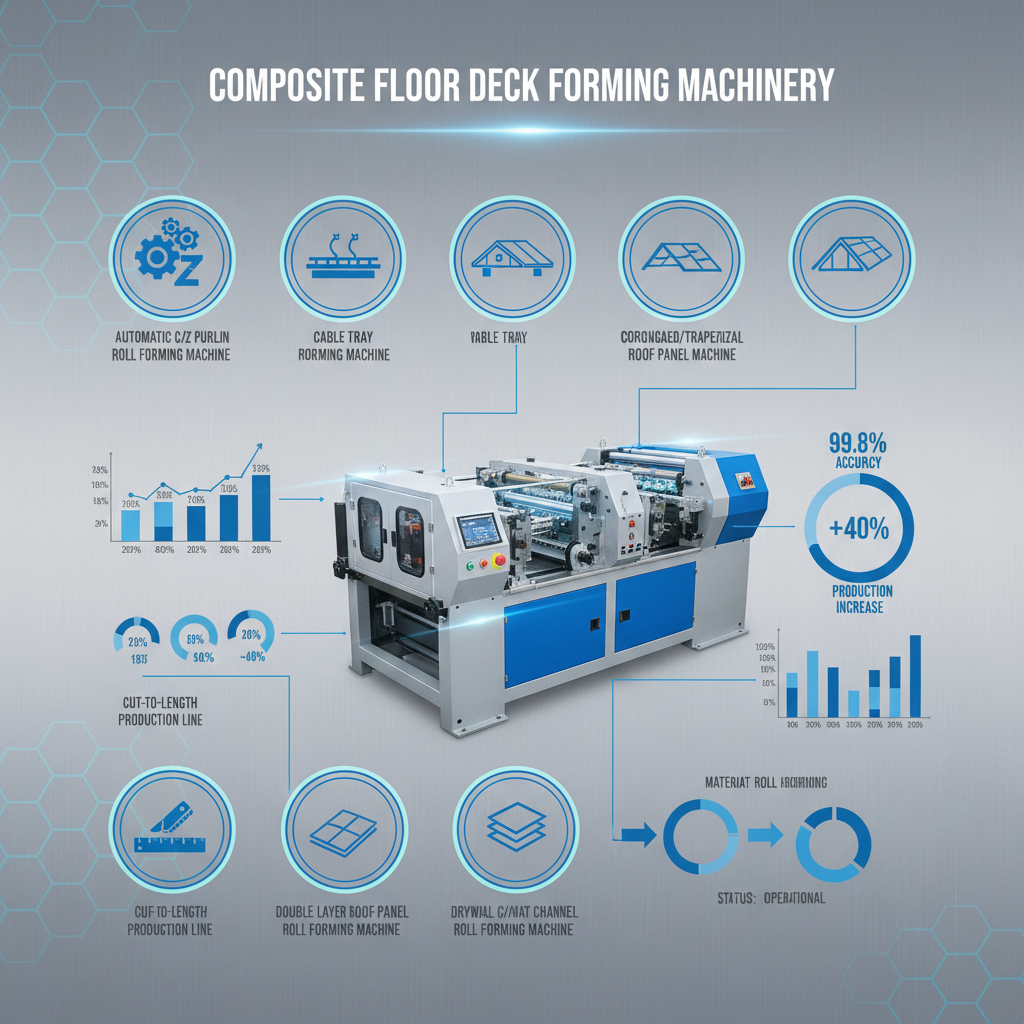
Composite Floor Deck Forming Machinery - Performance Metrics
Real-World Applications Across Industries
You’ll find this machinery in action everywhere – from massive distribution centers to high-rise residential buildings. Industrial facilities are a huge market, because they need strong, durable floors that can withstand heavy loads. Multi-story construction relies on these systems to create safe and efficient floor platforms.
I've even seen it used in specialized applications, like airport hangars and data centers, where specific load-bearing requirements are critical. In post-disaster relief operations, the speed of construction can be a lifesaver, and composite floor decks, produced using mobile forming machinery, are increasingly being used to quickly build temporary shelters and essential infrastructure.
Long-Term Benefits and ROI Analysis
The initial investment can be significant, but the long-term benefits far outweigh the costs. Reduced labor costs, faster project completion times, and lower material waste all contribute to a strong return on investment. Plus, the improved structural integrity of composite floors can lead to lower maintenance costs over the life of the building.
From a sustainability perspective, the reduced material usage and construction time translate to a smaller carbon footprint. And there’s the intangible benefit of improved worker safety – automating dangerous tasks reduces the risk of accidents on the job site. You’re building trust with clients by delivering projects on time and within budget, and that’s invaluable.
I’ve seen companies recoup their investment in these machines within 18-24 months, simply due to the increase in efficiency and reduction in labor costs. It’s a game-changer for any serious construction company.
Future Trends and Technological Advancements
We're seeing a push towards more automation, with machines that can self-adjust and optimize production parameters. Integration with Building Information Modeling (BIM) software is also becoming more common, allowing for seamless data exchange and improved project coordination. Expect to see more sophisticated control systems and predictive maintenance features.
The use of lighter, stronger materials is another key trend. High-strength steels and advanced coatings are improving the performance and durability of composite floors. And, as the industry moves towards greater sustainability, we'll see more emphasis on recycled materials and energy-efficient manufacturing processes.
The future of composite floor deck forming machinery is about smarter, more efficient, and more sustainable construction. It’s about leveraging technology to overcome the challenges facing the industry and building a better future.
Comparative Analysis of Key Composite Floor Deck Forming Machinery Features
| Manufacturer |
Production Capacity (m²/hour) |
Automation Level (1-10) |
Maintenance Complexity (1-10) |
| Machine Ying Yee |
180 |
9 |
3 |
| SteelForm Inc. |
150 |
7 |
5 |
| DeckMaster Systems |
120 |
6 |
4 |
| BuildTech Solutions |
200 |
8 |
6 |
| GlobalDeck Machinery |
160 |
7 |
4 |
| PrecisionForm Inc. |
190 |
9 |
2 |
FAQS
The payback period typically ranges from 18 to 36 months, depending on production volume, labor costs, and existing efficiencies. The biggest drivers of a faster payback are reduced labor requirements, lower material waste, and the ability to complete projects quicker. It’s a significant investment, but the ROI can be very compelling when you factor in those savings.
Training usually takes between one to two weeks, depending on the complexity of the machinery and the operator’s existing skills. Most manufacturers offer comprehensive training programs, both on-site and at their facilities. Ongoing training is also recommended to ensure operators stay up-to-date on the latest features and best practices.
Regular maintenance includes lubrication, cleaning, and inspection of key components. Preventative maintenance schedules are crucial. You’ll also need to replace wear parts, like cutting blades and rollers, periodically. Many machines now come with predictive maintenance features that alert you when maintenance is needed, minimizing downtime.
It depends on the specific machine. Some are designed for high-volume production, while others are more versatile and can be adapted to smaller projects. Portable or mobile systems are increasingly popular for smaller contractors or projects with limited space. It’s important to assess your project needs and choose a machine that’s appropriately sized.
Safety is paramount. Typical features include emergency stop buttons, safety guards, light curtains, and interlock systems to prevent operation during maintenance. Many machines also have automated features that reduce the need for manual intervention, minimizing the risk of accidents. Compliance with relevant safety standards (like CE marking) is essential.
These machines contribute to sustainability by reducing material waste, improving energy efficiency, and enabling the use of recycled materials. Faster construction times also mean lower carbon emissions. The durability of composite floors reduces the need for frequent repairs and replacements, further minimizing environmental impact.
Conclusion
In conclusion, composite floor deck forming machinery is revolutionizing the construction industry by offering faster, more efficient, and more sustainable building solutions. It's not simply about acquiring a new piece of equipment; it’s about adopting a new approach to construction—one that prioritizes precision, automation, and quality. The benefits extend beyond cost savings and reduced timelines; it’s about building safer, more durable, and more environmentally responsible structures.
Looking ahead, we'll see continued innovation in this field, with even more sophisticated machines and materials emerging. Investing in this technology isn’t just a smart business decision; it’s an investment in the future of construction. To learn more about how composite floor deck forming machinery can benefit your projects, visit our website.