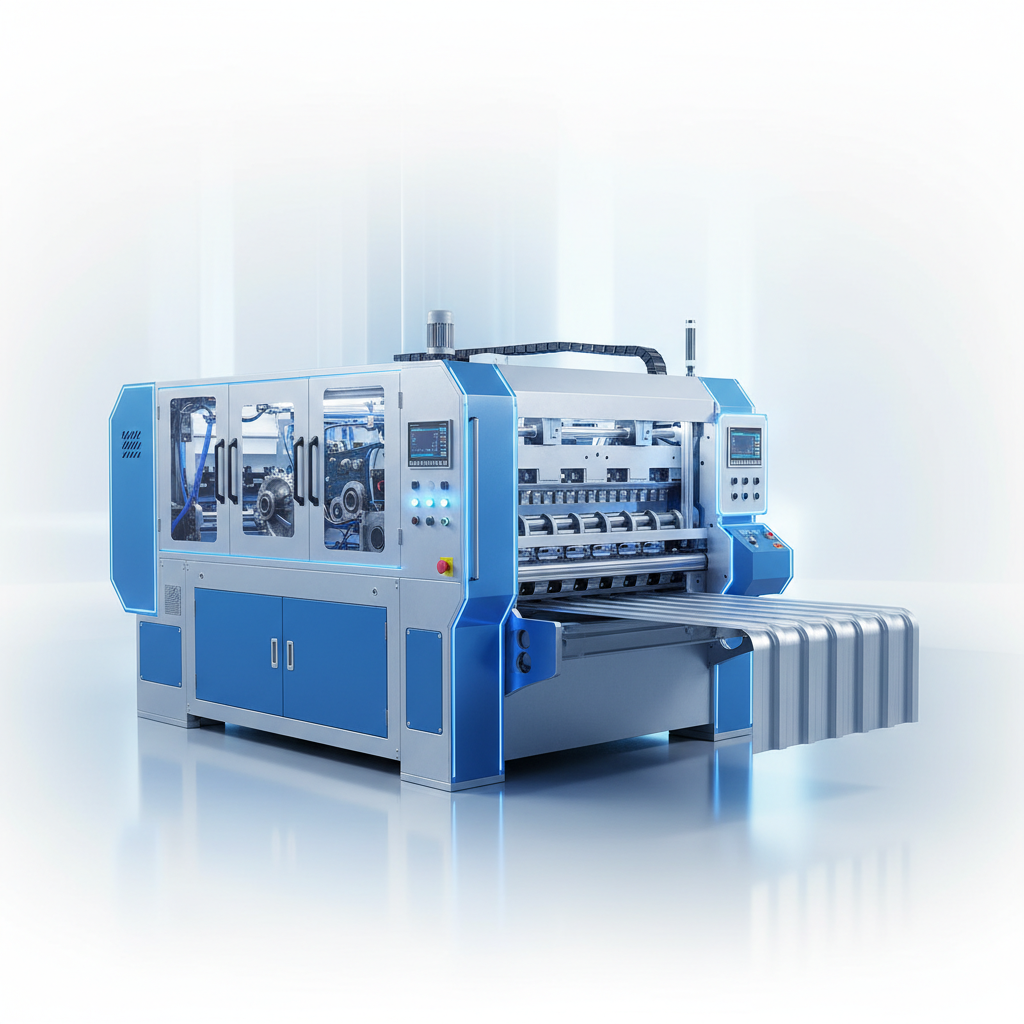
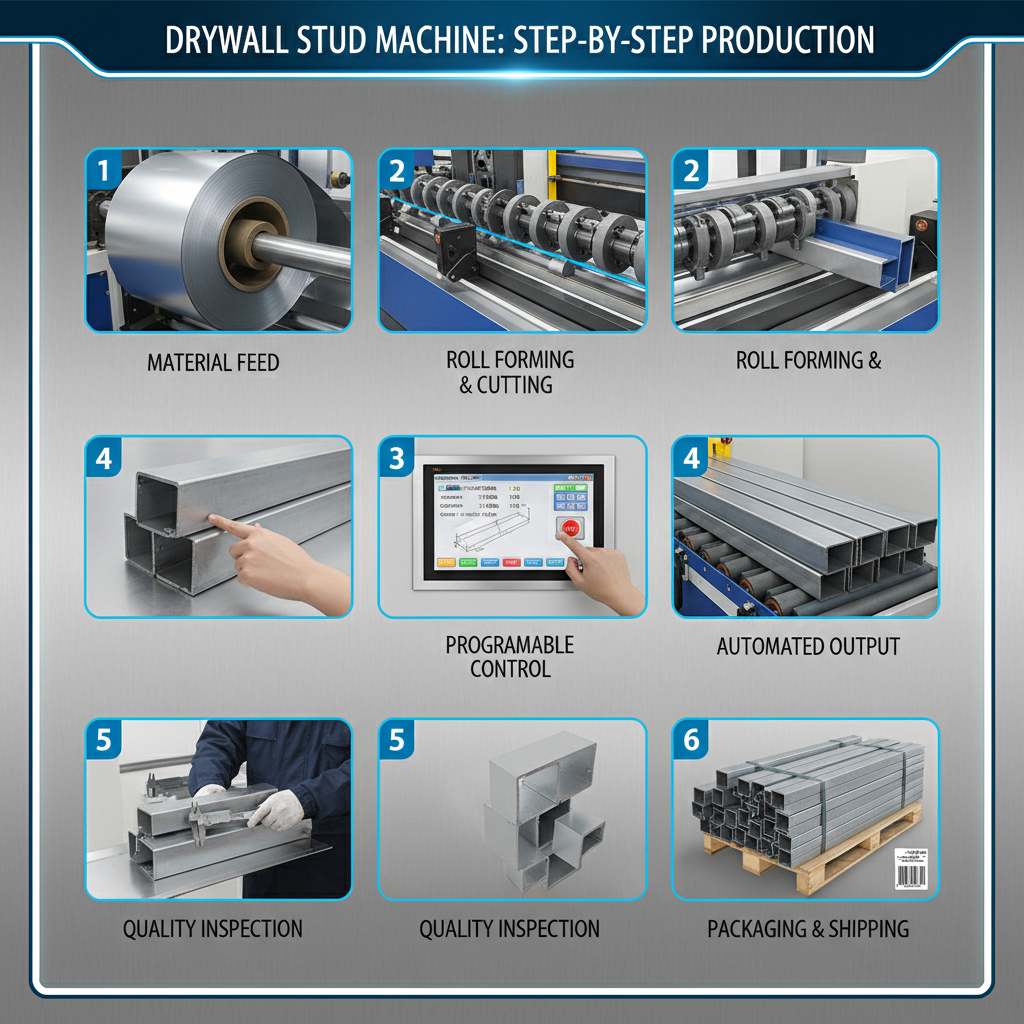
The c channel steel roll forming machine is a cornerstone of modern construction and manufacturing, offering a cost-effective and efficient method for producing structural components. Globally, the demand for steel structures is continuously rising, fueled by infrastructure development in emerging economies and a growing need for sustainable building solutions. This machine plays a crucial role in meeting this demand, streamlining production and reducing material waste.
The significance of the c channel steel roll forming machine extends beyond mere construction. It’s instrumental in diverse sectors including solar panel mounting, racking systems, warehouse shelving, and even transportation infrastructure. The increasing adoption of pre-engineered steel buildings (PEBs) directly correlates with the widespread use of these machines, offering faster construction timelines and lower labor costs.
Understanding the capabilities and nuances of c channel steel roll forming machines is vital for engineers, architects, manufacturers, and anyone involved in the building and industrial sectors. Its efficient operation and adaptable design make it a key element in driving innovation and economic growth across a variety of industries.
Introduction to c channel steel roll forming machine
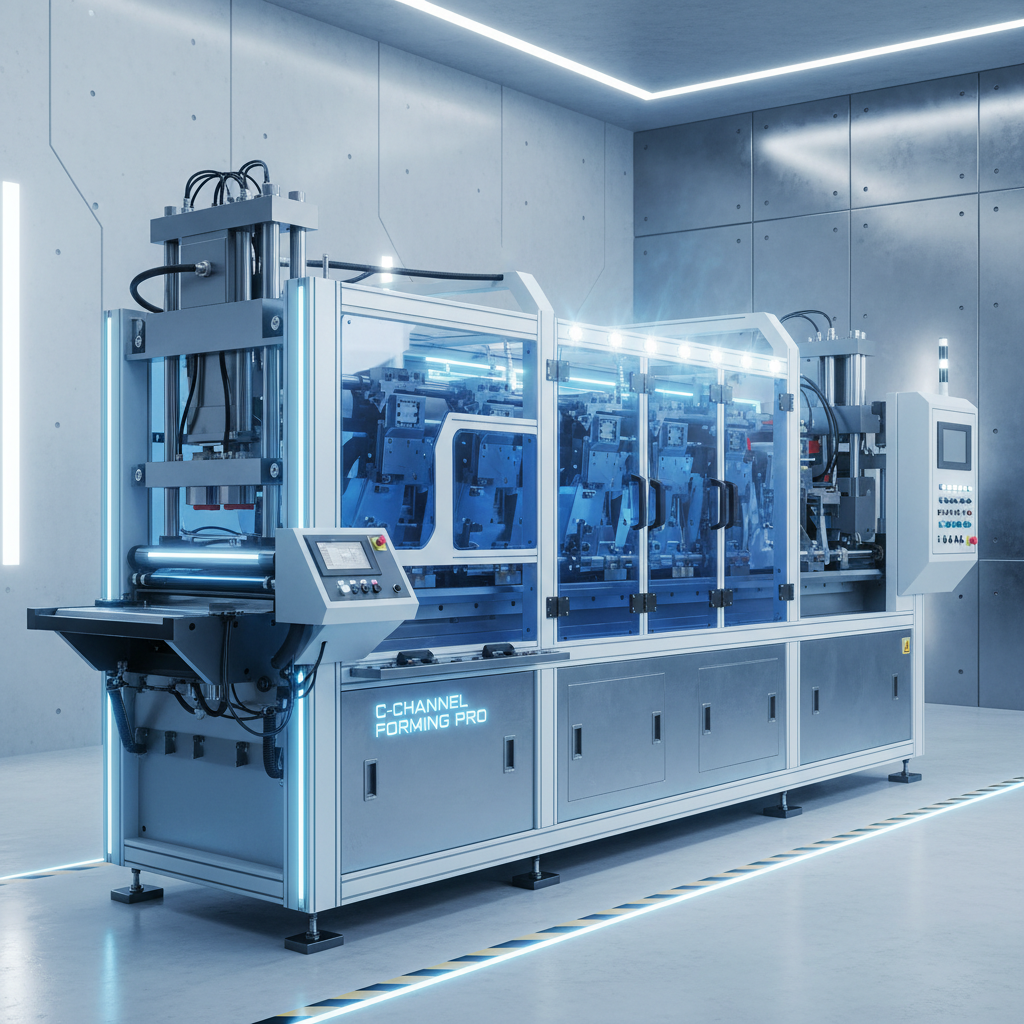
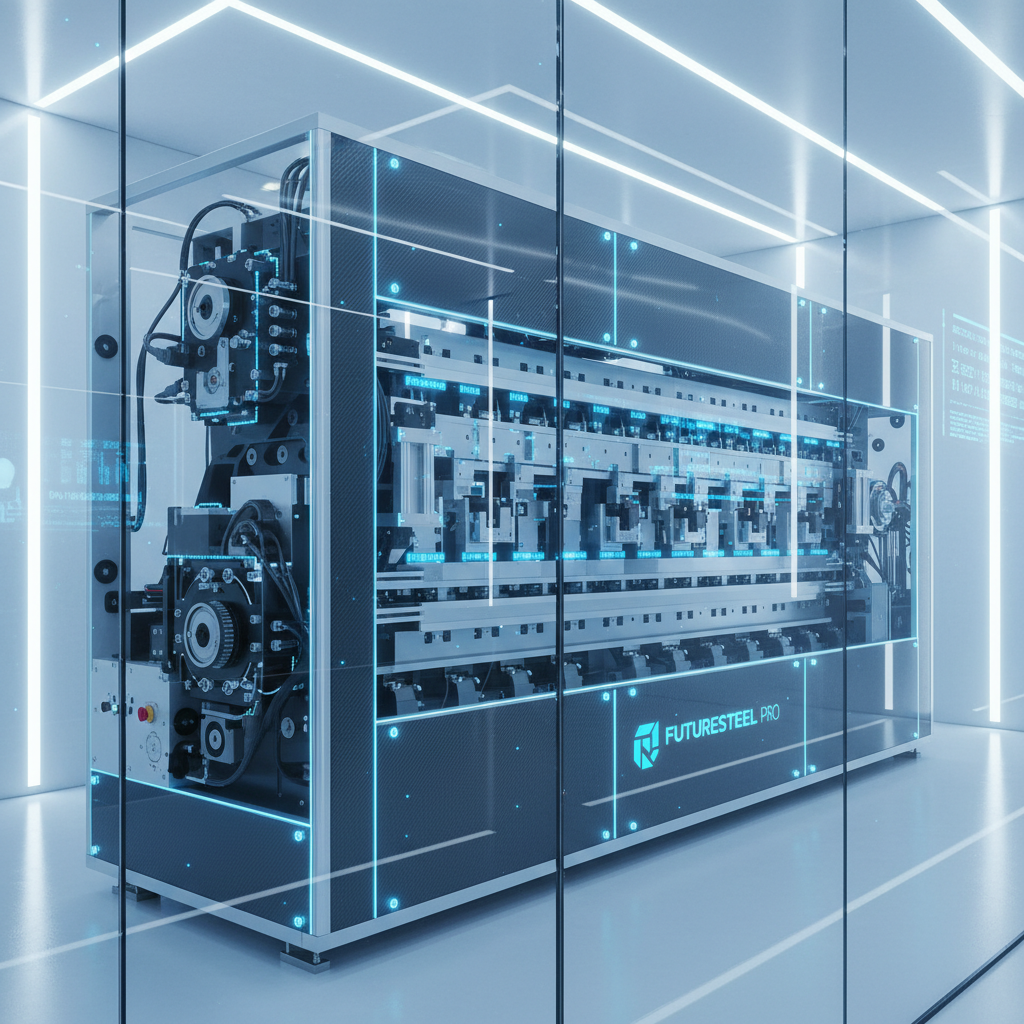
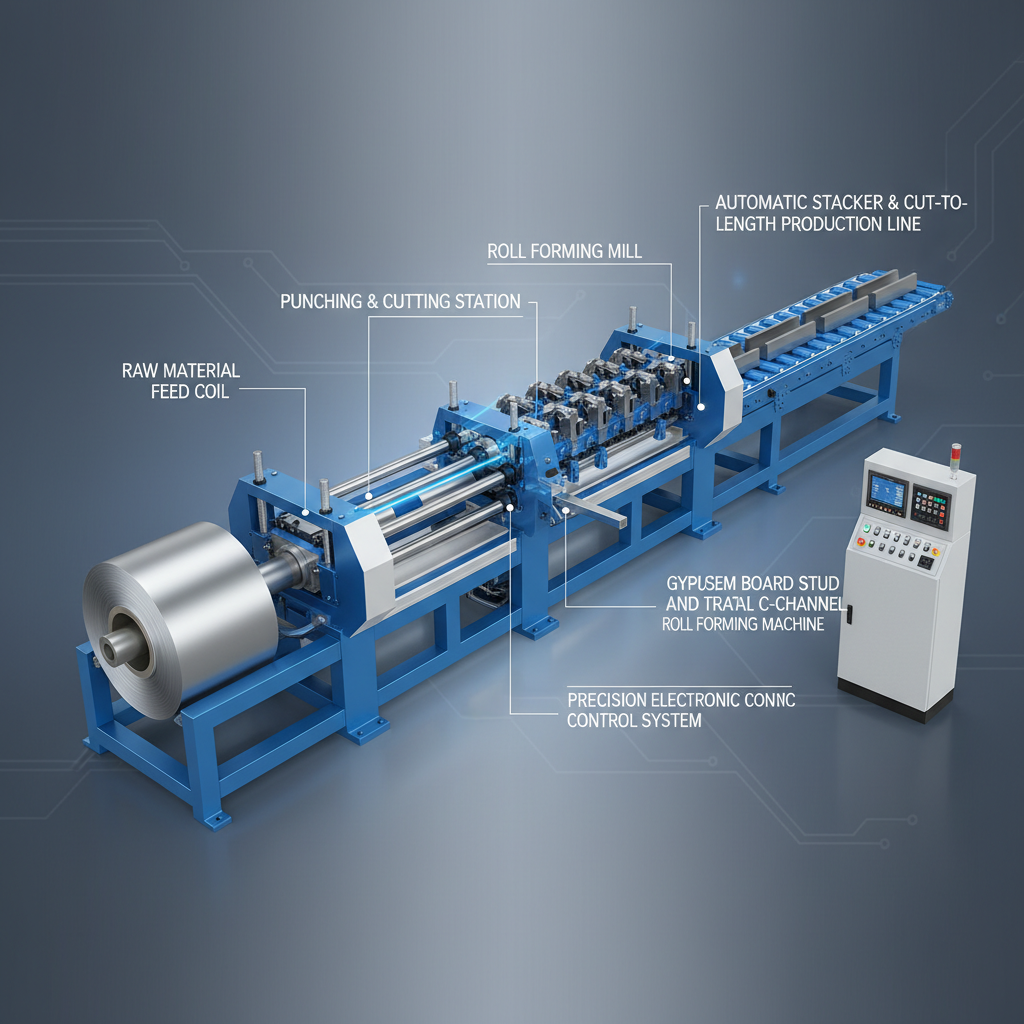
A c channel steel roll forming machine is a specialized industrial equipment designed to continuously bend steel coils into a specific "C" shaped profile. This process, known as roll forming, is preferred for its high efficiency, consistent product quality, and cost-effectiveness compared to traditional fabrication methods. The machine itself comprises a series of rollers, each incrementally shaping the steel until the desired profile is achieved.
These machines are categorized based on their capacity, the thickness of the steel they can process, the width of the resulting C-channel, and the level of automation. Modern machines often incorporate computer-controlled systems for precise adjustments and real-time monitoring, ensuring optimal performance and minimal waste. c channel steel roll forming machine manufacturers are constantly innovating to provide solutions tailored to specific industry needs.
Global Relevance and Industry Context
The global steel industry is a massive economic force, with annual production exceeding 1.8 billion tonnes (World Steel Association, 2023). A significant portion of this output is destined for the construction sector, where steel C-channels are fundamental building blocks. Rapid urbanization and infrastructure development, particularly in Asia-Pacific and Africa, are driving increased demand for these profiles, fueling the growth of the c channel steel roll forming machine market.
According to a report by Research and Markets, the global roll forming machine market is projected to reach USD X billion by 2030, with a CAGR of Y% during the forecast period. This growth is not only attributed to construction but also to the expanding applications in renewable energy (solar panel mounting), automotive (structural components), and logistics (warehousing and racking systems).
The challenge lies in balancing this demand with sustainable manufacturing practices. The industry is increasingly focused on reducing energy consumption, minimizing waste, and utilizing recycled materials in the production of steel and the operation of c channel steel roll forming machines.
Defining the c channel steel roll forming machine
In its simplest terms, a c channel steel roll forming machine takes flat steel coils and, through a series of shaped rollers, progressively bends it into a ‘C’ shaped cross-section. This process is continuous, meaning the machine can produce long lengths of C-channel profiles efficiently and consistently. The resulting profiles are known for their high strength-to-weight ratio, making them ideal for structural applications.
The connection to modern industry and humanitarian needs is profound. In construction, C-channels provide the framework for buildings, warehouses, and bridges. In agriculture, they are used in greenhouse structures and irrigation systems. In disaster relief, prefabricated steel structures built using C-channels offer rapid and durable shelter solutions. The efficient production of these components directly impacts the speed and cost of development and recovery efforts.
This technology contributes to building resilience and enabling sustainable growth worldwide, showcasing its importance beyond simple construction material production.
Key Factors and Core Components
Several key factors contribute to the effectiveness and value of a c channel steel roll forming machine. Durability is paramount; machines must withstand continuous operation and the stresses of handling heavy steel coils. Robust construction and high-quality components are essential for longevity. Production Speed is another critical factor, impacting output and overall cost-effectiveness. Higher speeds require advanced automation and precise control systems.
Profile Accuracy ensures that the produced C-channels meet the required specifications and tolerances. Accurate rollers and calibration are vital for consistent quality. Versatility allows the machine to produce different C-channel sizes and thicknesses, catering to a wider range of applications. Automation Level significantly impacts labor costs and production efficiency. Fully automated machines require minimal operator intervention. Cost Efficiency encompasses not only the initial investment but also ongoing maintenance, energy consumption, and material waste.
Performance Metrics of c channel steel roll forming machine
Global Applications and Use Cases
C channel steel roll forming machines are employed extensively in the construction of warehouses and industrial buildings, providing efficient and cost-effective structural support. In the agricultural sector, they are used to create frameworks for greenhouses and animal shelters, ensuring durability and maximizing space utilization. c channel steel roll forming machine are vital in these scenarios.
In regions prone to natural disasters, prefabricated steel structures manufactured with C-channels are rapidly deployed as temporary shelters and emergency facilities. Organizations like the Red Cross and Habitat for Humanity often utilize these structures for their rapid deployment capabilities. In remote industrial zones, where transportation costs are high, locally manufactured C-channels reduce reliance on expensive imports.
Furthermore, the growing solar energy industry relies heavily on C-channel steel profiles for mounting solar panels, providing a robust and adjustable framework for optimal energy capture. The versatility of C-channels ensures their continued relevance across diverse geographical locations and industrial applications.
Advantages and Long-Term Value
The advantages of utilizing c channel steel roll forming machines are substantial. Cost savings are achieved through reduced material waste, lower labor requirements, and faster production times. Sustainability is enhanced by the ability to use recycled steel and minimize environmental impact. Structural Integrity is guaranteed through consistent profile accuracy and high-strength materials.
The long-term value extends beyond these tangible benefits. Steel structures are known for their longevity and resilience, providing a safe and reliable infrastructure for decades. The adoption of innovative technologies in c channel steel roll forming machines fosters trust and confidence in the quality of the finished product, promoting responsible building practices and enduring investments.
Future Trends and Innovations
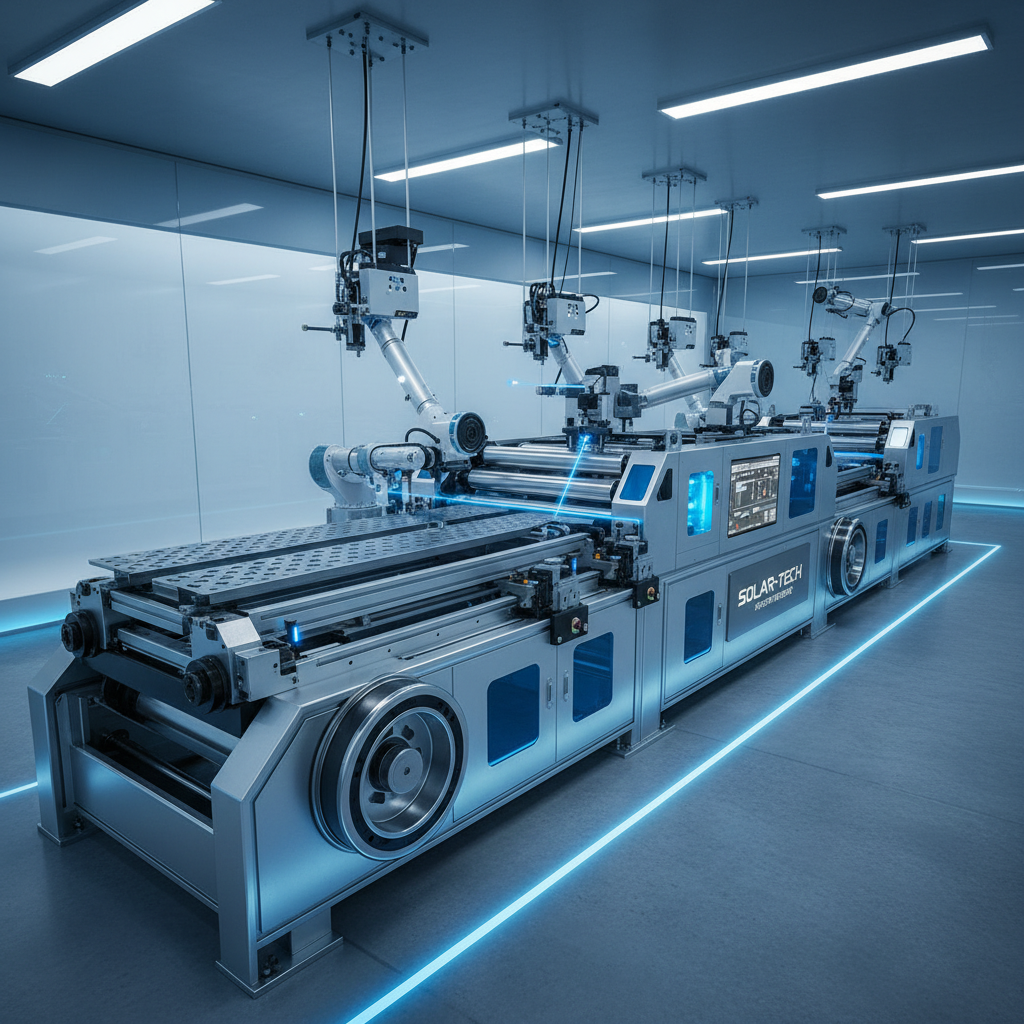
The future of c channel steel roll forming machines is intertwined with advancements in automation, digitalization, and sustainable manufacturing. Integration with Industrial Internet of Things (IIoT) technologies enables real-time monitoring, predictive maintenance, and optimized production processes. The increasing use of high-strength, lightweight steels further enhances the performance and efficiency of C-channel profiles.
The development of more energy-efficient machines and the incorporation of renewable energy sources into the manufacturing process are key priorities. Furthermore, the adoption of 3D modeling and simulation tools allows for greater design flexibility and customization, catering to increasingly complex structural requirements. These trends collectively contribute to a more sustainable, efficient, and innovative future for the c channel steel roll forming industry.
Challenges and Solutions
Despite their many benefits, c channel steel roll forming machines face certain challenges. Maintaining consistent quality with varying steel grades and thicknesses requires skilled operators and precise machine calibration. The initial investment cost can be significant, particularly for fully automated systems. Furthermore, ensuring worker safety during operation is paramount.
Solutions include investing in operator training programs, implementing robust quality control procedures, and exploring financing options to reduce the upfront cost barrier. Incorporating advanced safety features such as emergency stop mechanisms and protective guarding is essential. The development of more user-friendly machine interfaces and remote diagnostic capabilities can also mitigate potential challenges.
Analysis of Factors Affecting c channel steel roll forming machine Performance
| Material Quality |
Machine Age |
Operator Skill Level |
Maintenance Frequency |
| High-quality steel coils result in superior profile accuracy and reduced defects. |
Older machines may exhibit decreased precision and require more frequent repairs. |
Highly skilled operators can optimize machine settings and troubleshoot issues efficiently. |
Regular maintenance prevents breakdowns and extends the lifespan of the machine. |
| Low-grade steel can lead to inconsistencies and reduced structural integrity. |
Newer machines offer advanced automation and improved performance capabilities. |
Insufficient training can result in errors and reduced productivity. |
Infrequent maintenance increases the risk of unexpected downtime and costly repairs. |
| Material inconsistencies require more frequent adjustments and quality checks. |
Mid-range machines offer a balance of performance and affordability. |
Experienced operators are adept at identifying and correcting deviations from optimal settings. |
Preventive maintenance schedules minimize the likelihood of unexpected failures. |
| Using recycled steel contributes to sustainability but may require additional processing. |
Machine upgrades can enhance performance and extend operational life. |
Continuous learning and adaptation to new technologies are crucial for maintaining operator proficiency. |
Predictive maintenance using sensor data can identify potential issues before they escalate. |
| Controlling material thickness variations is essential for achieving consistent profile dimensions. |
Refurbished machines offer a cost-effective alternative to new equipment. |
Proper operator technique minimizes material waste and maximizes production efficiency. |
Detailed maintenance records facilitate troubleshooting and identify recurring issues. |
| Material certifications ensure compliance with industry standards and specifications. |
Automated systems reduce operator dependence and improve consistency. |
Effective communication between operators and maintenance personnel is vital for resolving issues promptly. |
Investing in high-quality replacement parts ensures long-term reliability and performance. |
FAQS
The production speed of a c channel steel roll forming machine varies significantly based on factors like the steel thickness, channel size, and level of automation. Generally, speeds range from 10 to 60 meters per minute. More advanced machines with automated feeding and cutting systems can achieve speeds closer to the higher end of this range, maximizing output and efficiency.
Regular maintenance is crucial for ensuring the longevity and performance of a c channel steel roll forming machine. This includes lubricating moving parts, inspecting rollers for wear, cleaning the machine, and checking electrical connections. Annual inspections by a qualified technician are recommended to identify and address potential issues before they lead to breakdowns. Preventative maintenance schedules should be implemented.
The steel thickness capacity of a c channel steel roll forming machine depends on its design and power. Most machines can handle steel coils ranging from 0.5mm to 3mm thick. However, heavier-duty machines are available for processing thicker materials. Choosing a machine with the appropriate thickness capacity is essential for your specific application.
With proper maintenance and care, a c channel steel roll forming machine can have a lifespan of 15-20 years or even longer. Factors such as the quality of construction, the frequency of use, and the operating environment all contribute to the machine’s longevity. Regular inspections and timely repairs are essential for maximizing its lifespan.
Safety is paramount when operating a c channel steel roll forming machine. Operators should always wear appropriate personal protective equipment (PPE), including safety glasses, gloves, and steel-toe boots. Emergency stop buttons should be readily accessible and tested regularly. Guarding should be in place to prevent access to moving parts. Proper training and adherence to safety protocols are essential.
C channel steel roll forming machines are utilized across a diverse range of industries. Common applications are found in construction (structural framing), agriculture (greenhouse structures), manufacturing (racking systems), solar energy (panel mounting), automotive (component fabrication), and logistics (warehouse shelving). The versatility of the C-channel profile makes it a valuable component in numerous industrial applications.
Conclusion
In conclusion, the c channel steel roll forming machine represents a cornerstone of modern manufacturing and construction. Its ability to efficiently and cost-effectively produce high-quality C-channel profiles makes it invaluable across diverse industries, from building and infrastructure to agriculture and renewable energy. The key benefits – durability, scalability, and versatility – contribute to long-term value and sustainability.
Looking ahead, the continued integration of automation, digitalization, and sustainable practices will further enhance the capabilities of these machines. Investing in advanced technologies, prioritizing operator training, and maintaining a commitment to safety are essential for maximizing the return on investment and ensuring a resilient and innovative future for the c channel steel roll forming industry. Visit our website at www.machineyingyee.com to learn more about our solutions.