The global construction industry is rapidly evolving, seeking faster, more efficient, and cost-effective building solutions. A key component of this evolution is the widespread adoption of stud and track drywall forming machines, which are revolutionizing interior construction processes. These machines automate the traditionally labor-intensive task of framing interior walls, contributing to significant gains in productivity and reduced construction timelines. Understanding the nuances of these machines is crucial for contractors, architects, and anyone involved in modern building projects.
The demand for quicker construction cycles is driven by factors like urbanization, population growth, and a need for rapid disaster relief housing. The stud and track drywall forming machine directly addresses these needs by offering a streamlined approach to wall framing. According to a report by the Associated General Contractors of America, skilled labor shortages are a major constraint on construction growth; automation, such as provided by these machines, offers a viable solution. This technology not only speeds up construction but also improves the consistency and quality of the finished product.
Investing in and effectively utilizing a stud and track drywall forming machine is no longer a luxury but a necessity for construction firms looking to stay competitive in today's market. From large-scale commercial projects to residential developments, the benefits are substantial, offering a path toward more efficient and sustainable building practices. The integration of these systems is key to future growth in the industry.
Introduction to stud and track drywall forming machine
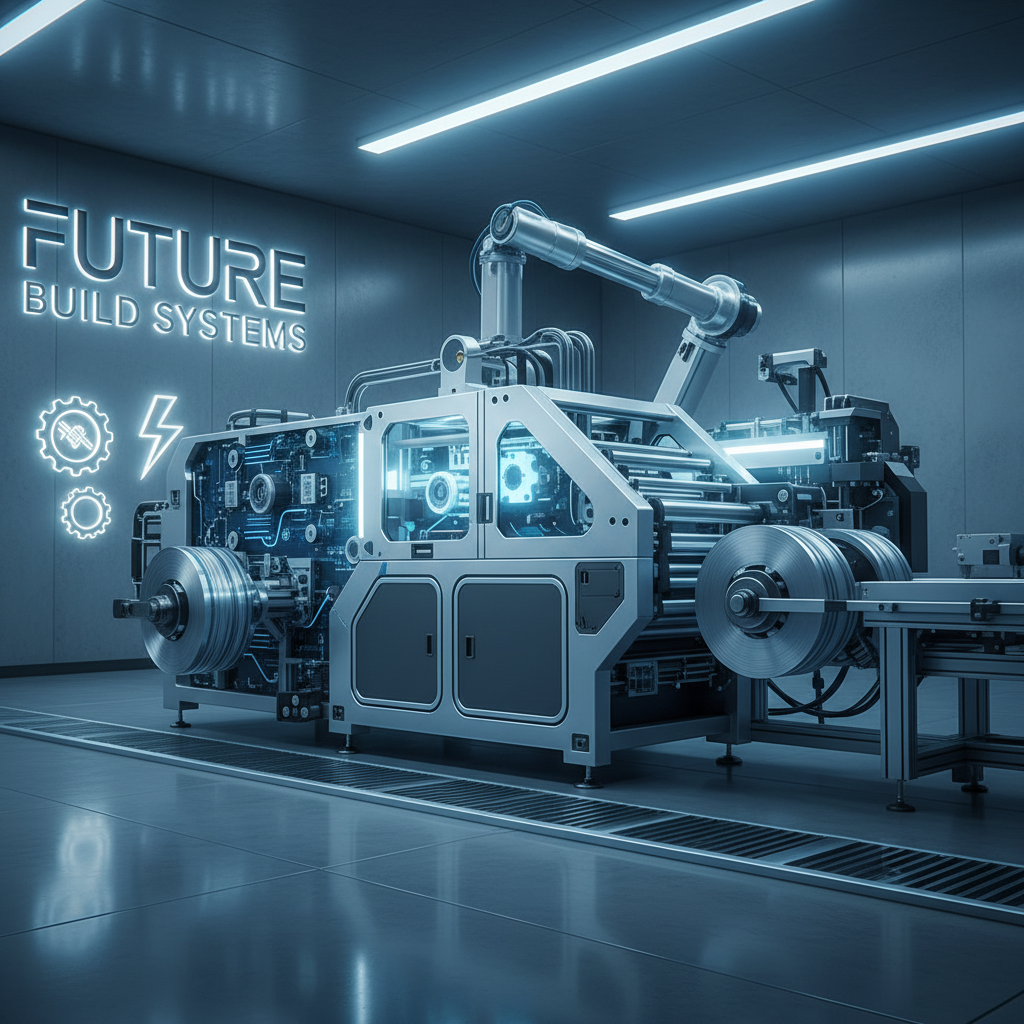
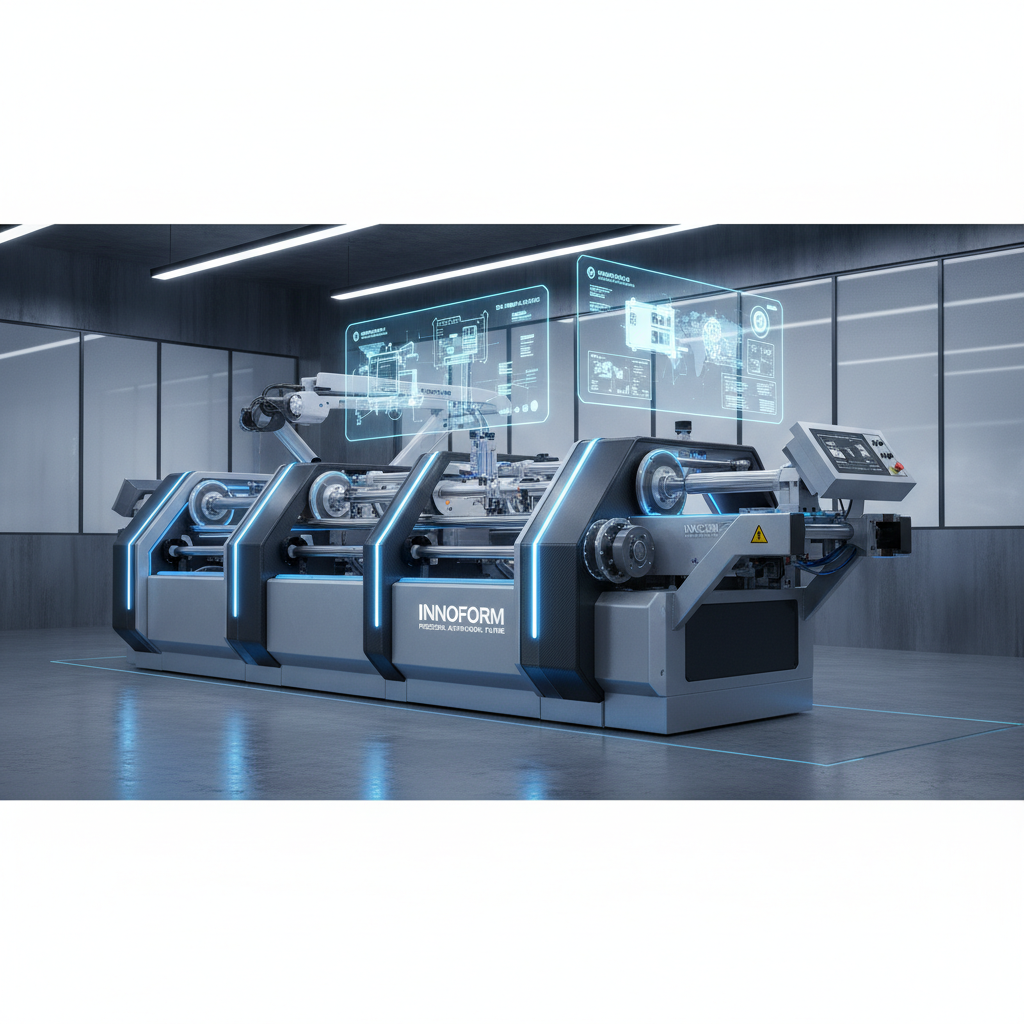
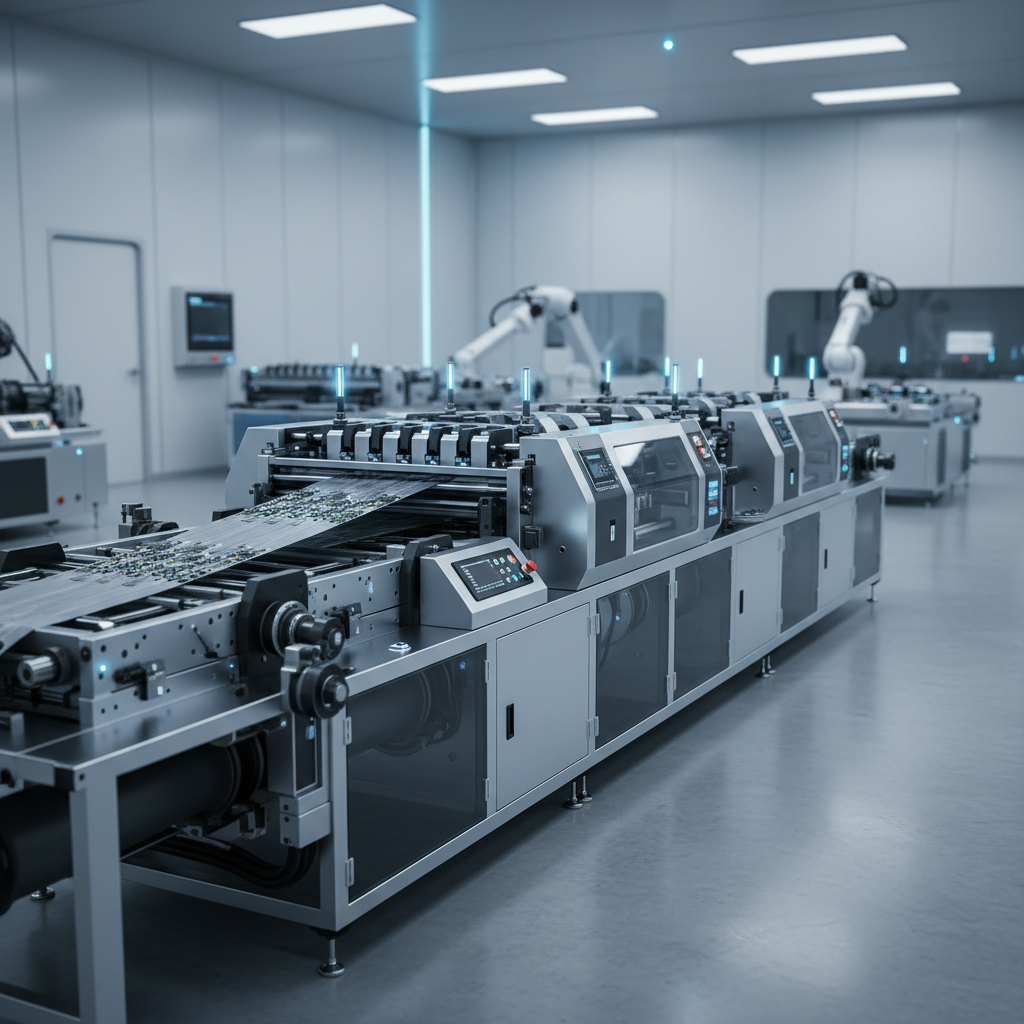
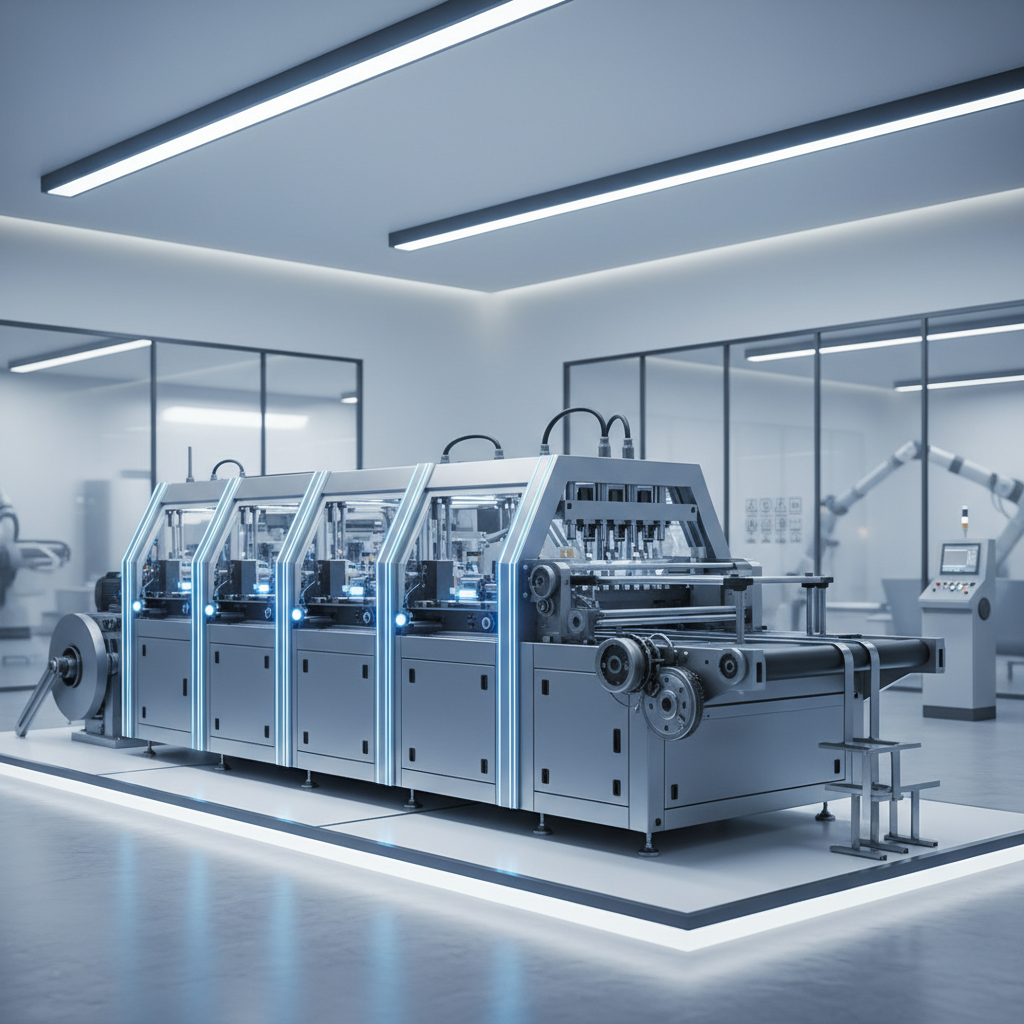
The stud and track drywall forming machine represents a significant advancement in interior construction technology. It's essentially an automated system designed to rapidly and accurately assemble the metal framing that forms the structural base for drywall installation. These machines typically feature programmable controls, allowing for customized wall dimensions and configurations.
Understanding the operational principles of these machines is vital for optimizing their performance. Key elements include precise metal cutting capabilities, automated stud spacing, and mechanisms for securely fastening the studs to the track. Modern machines often incorporate features like self-leveling capabilities and diagnostic systems to ensure consistent and reliable operation.
Global Relevance and Industry Context
The global construction industry contributes significantly to economic growth, accounting for approximately 6% of global GDP, according to the World Bank. The demand for affordable and rapidly constructed housing, especially in developing nations and disaster-prone areas, is a critical driver for innovation in building technologies. The stud and track drywall forming machine directly responds to this need by accelerating construction timelines and reducing labor costs.
The rise of prefabrication and modular construction is closely linked to the adoption of technologies like this. Building Information Modeling (BIM) is also increasingly integrated with these machines, enabling precise digital designs to be translated into physical structures. International standards, like those set by the International Organization for Standardization (ISO), are playing a role in defining quality and safety requirements for these automated systems.
A major challenge facing the construction industry is the shrinking skilled labor pool. Many experienced tradespeople are retiring, and attracting new talent is proving difficult. The stud and track drywall forming machine offers a way to mitigate this challenge by automating a traditionally labor-intensive process, thereby reducing reliance on specialized skills.
Defining stud and track drywall forming machine
A stud and track drywall forming machine is a specialized piece of equipment designed to automate the process of creating the metal framework for drywall installation within interior walls. This framework consists of vertical studs that are connected to horizontal tracks, forming a robust and stable structure. Traditionally, this process involved manual cutting, measuring, and fastening, which was time-consuming and prone to inconsistencies.
The connection to modern industry lies in the increasing demand for efficiency and precision in construction. These machines are emblematic of the broader trend towards automation and prefabrication. They align with humanitarian needs by providing a rapid and cost-effective solution for constructing shelters and facilities in disaster-stricken areas or for addressing housing shortages in underserved communities.
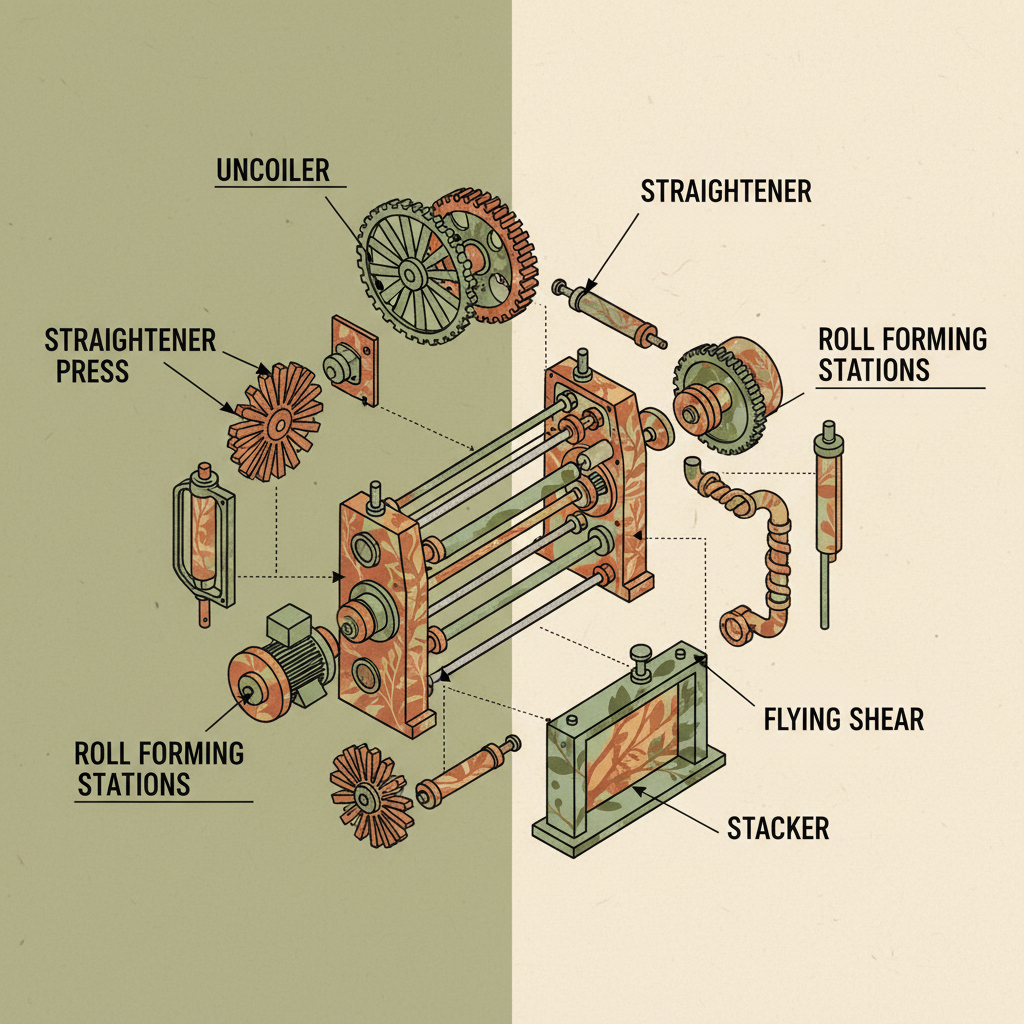
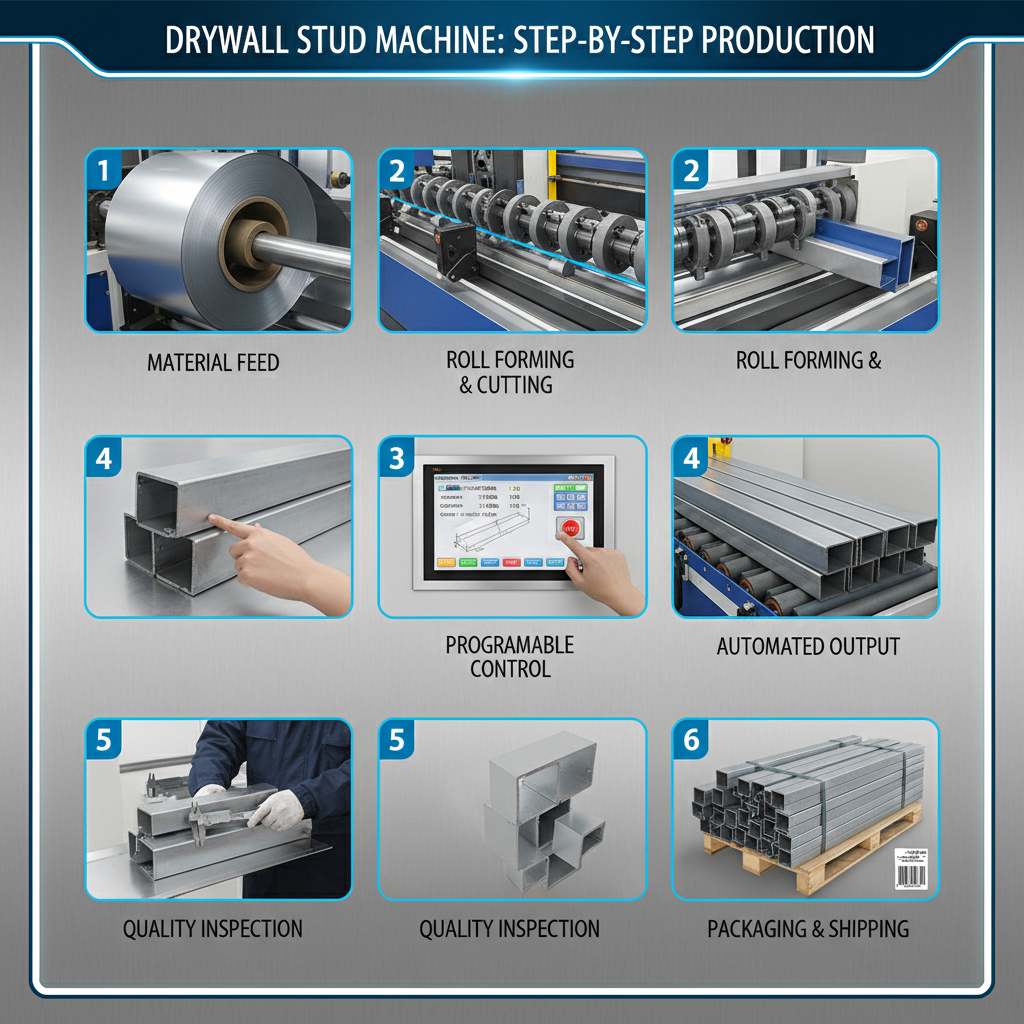
Essentially, the machine takes raw metal coil stock and, through a series of automated processes – cutting, crimping, and forming – produces precisely dimensioned studs and tracks that are ready for assembly. This reduces material waste, improves structural integrity, and significantly accelerates the construction process.
Key Factors and Core Components
Durability: Machines built with high-quality steel and robust components are essential for long-term reliability and minimizing downtime. Regular maintenance and preventative care are also crucial for extending the lifespan of the equipment.
Accuracy: Precise cutting and forming capabilities are paramount for ensuring the structural integrity of the walls. Modern machines utilize advanced sensors and control systems to achieve tight tolerances and minimize errors.
Stud and Track Drywall Forming Machine Performance Metrics
Global Applications & Use Cases
These machines are utilized extensively in large-scale commercial construction projects around the globe, significantly reducing framing times for office buildings, retail spaces, and hotels. They're particularly valuable in regions with high labor costs, where automation offers a competitive advantage. In North America and Europe, the adoption rate is high due to the focus on efficiency and building sustainability.
In post-disaster relief operations, the ability to rapidly construct temporary shelters is critical. The stud and track drywall forming machine enables the quick assembly of durable and safe structures for displaced populations. Organizations like the Red Cross and Habitat for Humanity are increasingly exploring the use of these technologies in emergency response scenarios.
Furthermore, in remote industrial zones where access to skilled labor is limited, these machines provide a viable solution for building facilities and infrastructure. Mining camps, oil and gas installations, and other remote projects benefit from the reduced reliance on specialized tradespeople.
Advantages and Long-Term Value
The most tangible benefit is cost savings – reduced labor costs, decreased material waste, and faster project completion all contribute to a lower overall construction budget. From a sustainability perspective, the precise cutting and forming minimizes material waste, reducing the environmental impact of construction projects. The consistency of the framing improves the energy efficiency of the buildings by creating tighter seals and reducing air leakage.
Beyond the economic and environmental advantages, there's a significant social impact. Faster construction means quicker access to housing and facilities for communities in need. The increased safety of automated processes reduces the risk of workplace injuries. Ultimately, the stud and track drywall forming machine embodies innovation and fosters trust in modern building practices.
Future Trends & Innovations
Integration with Building Information Modeling (BIM) will continue to be a major trend, enabling seamless data transfer between design and fabrication. This will allow for even greater precision and customization. We can anticipate the development of machines that can handle a wider range of metal gauges and profiles, offering greater versatility.
The incorporation of artificial intelligence (AI) and machine learning (ML) will further optimize machine performance, predicting maintenance needs and adapting to changing project requirements. Sustainable materials and manufacturing processes will also become increasingly important, driving the development of eco-friendly machines and reducing the carbon footprint of construction.
FAQS
The payback period varies depending on project volume and labor costs, but generally ranges from 12 to 24 months. The significant reduction in labor hours and material waste quickly offsets the initial investment. Many companies experience a return on investment within the first year, particularly on large-scale projects where the machine's efficiency is fully realized.
Most manufacturers offer comprehensive training programs that cover machine operation, maintenance, and troubleshooting. The training typically lasts between 3-5 days and covers both theoretical concepts and hands-on practice. Ongoing technical support is usually available to address any issues that may arise after installation.
Yes, stud and track drywall forming machines are versatile and can be adapted to both residential and commercial applications. The programmability of the machine allows for the creation of different stud and track sizes and configurations to meet the specific requirements of each project. They are frequently used in everything from single-family homes to high-rise buildings.
Safety is a priority in the design of these machines. Common features include emergency stop buttons, safety guards around moving parts, and automatic shut-off mechanisms. Many machines also incorporate light curtains and safety sensors to prevent accidental contact with the equipment. Regular safety inspections are essential to ensure proper functioning.
When properly operated and maintained, stud and track drywall forming machines produce framing that meets or exceeds the structural requirements of traditional stick framing. The consistent spacing and accurate fastening achieved by the machine result in a stronger and more stable wall assembly. Furthermore, the use of high-quality metal materials ensures durability and long-term performance.
Power consumption varies depending on the machine's size and features, but typically ranges from 10 to 20 kilowatts. Modern machines are designed with energy efficiency in mind, incorporating features like automatic power-down modes when idle. The energy savings from reduced labor and material waste often outweigh the machine's power consumption.
Conclusion
In conclusion, the stud and track drywall forming machine represents a transformative technology in the construction industry. By automating a traditionally labor-intensive process, these machines offer significant benefits in terms of cost savings, efficiency, sustainability, and safety. The global adoption of this technology is poised to accelerate as construction companies seek to address challenges such as labor shortages and rising material costs.
Looking ahead, continued innovation in areas like AI integration and sustainable materials will further enhance the capabilities and benefits of these machines. Investing in this technology is not merely about improving current construction practices; it's about shaping the future of the built environment. To learn more about how a stud and track drywall forming machine can benefit your projects, visit our website: stud and track drywall forming machine.