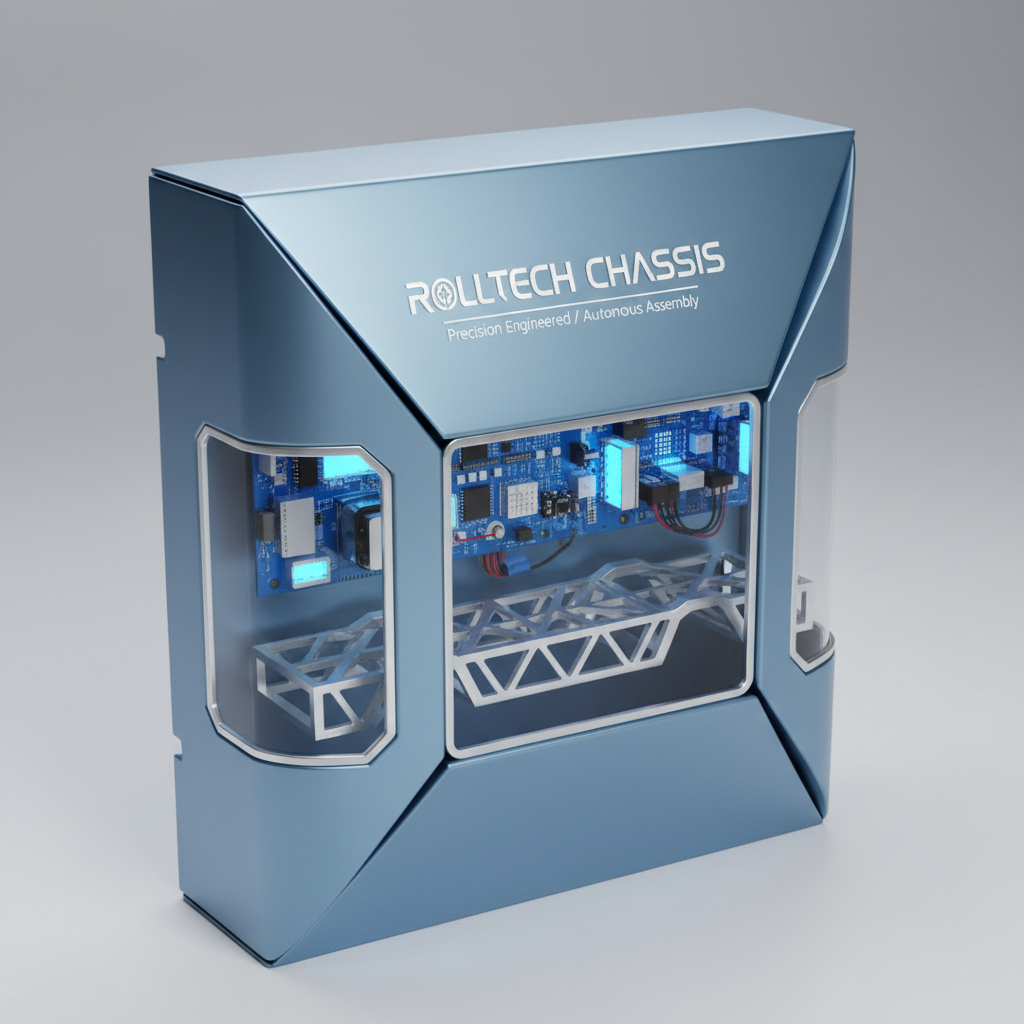
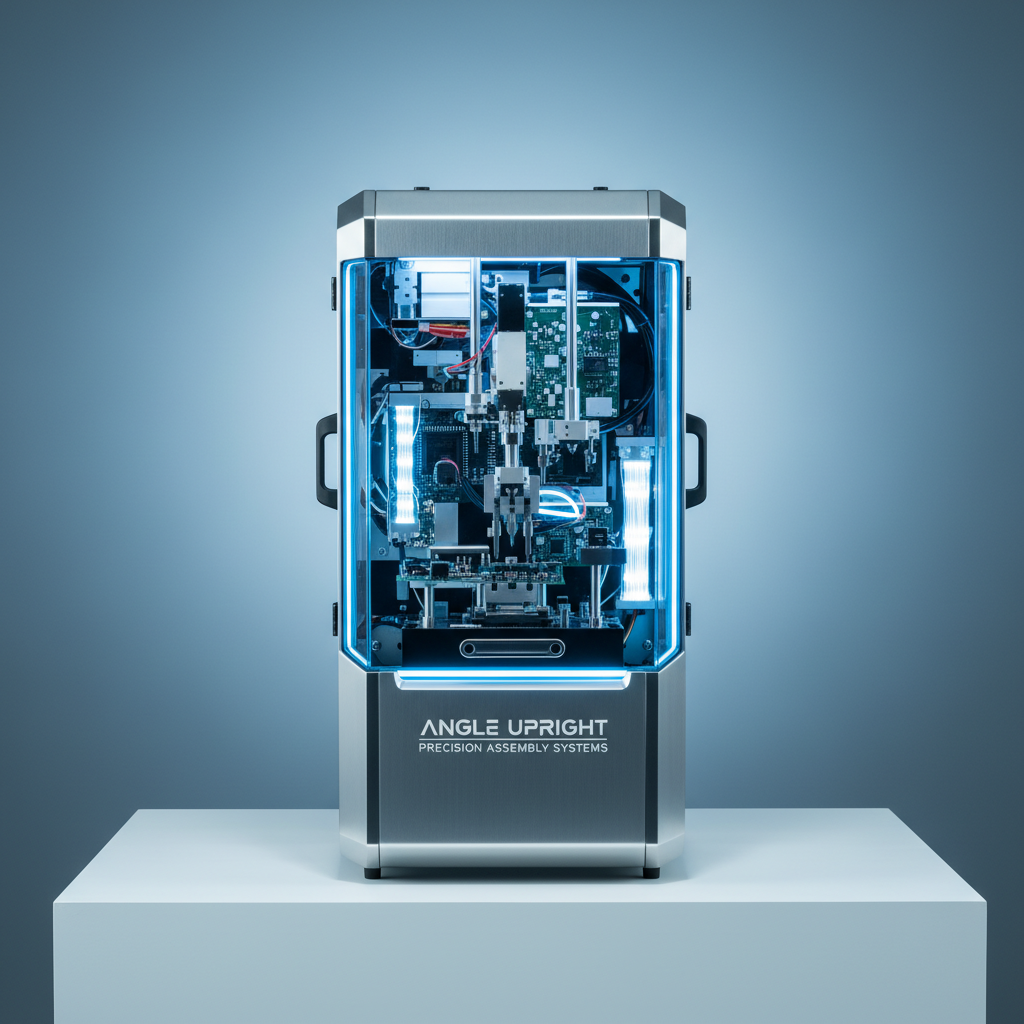
The demand for rapid and efficient construction solutions is surging globally, fueled by factors like urbanization, disaster relief needs, and the increasing urgency for affordable housing. At the heart of this revolution lies the stud and track frame making machine, a pivotal technology transforming how we build structures. These machines automate the production of light-gauge steel frames, offering a significant leap forward in speed, precision, and cost-effectiveness compared to traditional construction methods.
Globally, the construction industry faces immense pressure to deliver sustainable and resilient infrastructure. The stud and track frame making machine directly addresses this challenge by enabling the creation of structures that are not only faster to build but also demonstrably stronger, lighter, and more environmentally friendly than conventional alternatives. The United Nations estimates that over 1.6 billion people globally lack adequate housing, highlighting the crucial role of innovative construction technologies in tackling this pressing humanitarian issue.
From disaster response scenarios requiring immediate shelter to large-scale affordable housing projects and the burgeoning modular construction industry, the stud and track frame making machine is becoming increasingly indispensable. Its adaptability and efficiency position it as a key enabler of modern construction practices, paving the way for a more sustainable and equitable built environment.
Introduction to stud and track frame making machine
The rise of prefabrication and modular construction has significantly driven the demand for efficient framing solutions. The stud and track frame making machine stands as a central component in this shift, providing the capacity to rapidly produce the skeletal framework of buildings with unmatched precision. These machines are no longer a niche technology but a core element in modern construction project workflows.
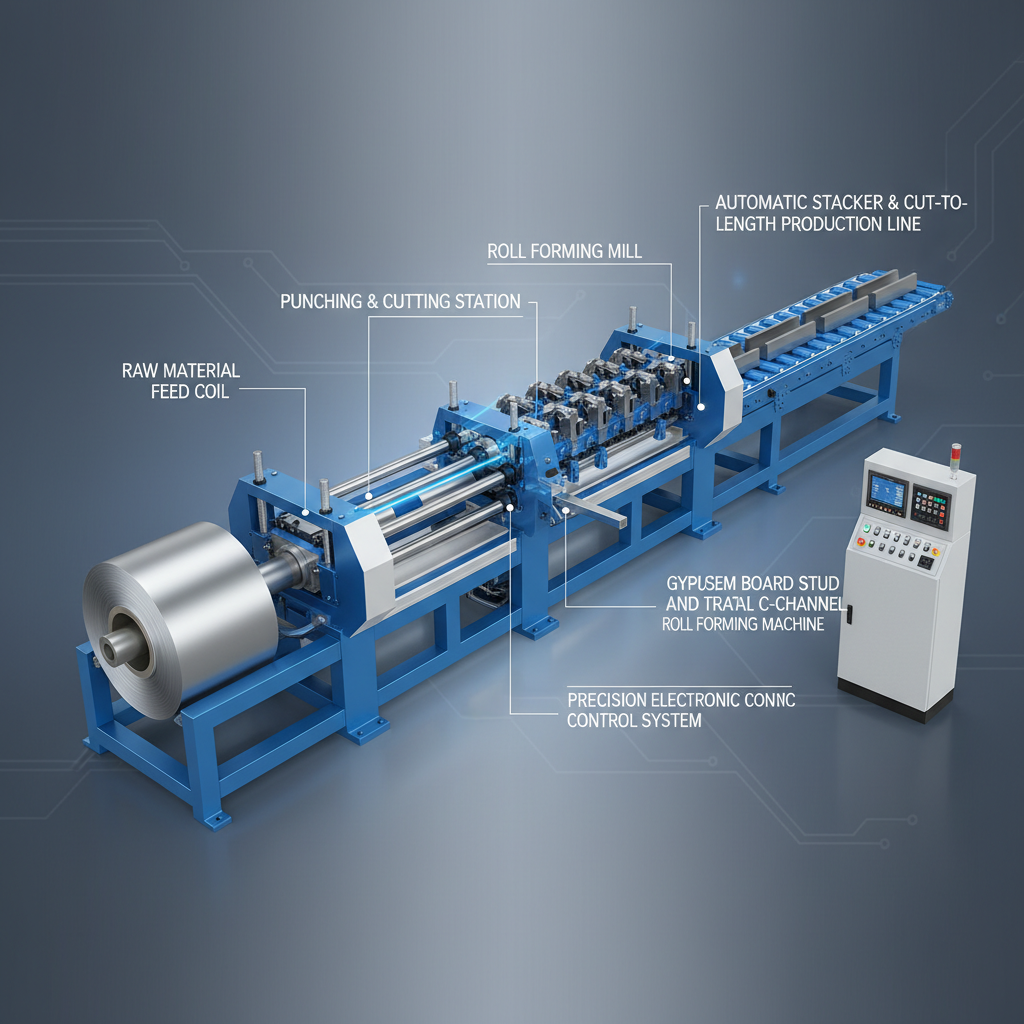
The core function of a stud and track frame making machine is to automatically cut, punch, and form light-gauge steel coils into the desired stud and track profiles. This automation drastically reduces labor costs, minimizes material waste, and ensures consistent quality across all framing components. This is crucial for adhering to stringent building codes and project specifications.
Global Relevance and Industry Impact
The global construction industry is a multi-trillion-dollar market, with a constantly growing need for innovative technologies. The stud and track frame making machine directly addresses critical challenges within this industry, including labor shortages, rising material costs, and the imperative for sustainable building practices. According to a recent report by the World Bank, sustainable infrastructure investment is crucial for achieving global development goals.
The impact of these machines extends beyond cost savings and efficiency. They empower builders to create structures that are inherently stronger, more durable, and resistant to natural disasters. This is particularly vital in regions prone to earthquakes, hurricanes, and other extreme weather events. Furthermore, light-gauge steel is a recyclable material, contributing to a lower carbon footprint and supporting green building initiatives.
The adoption rate of stud and track frame making machine technology is rapidly increasing in both developed and developing nations. From North America and Europe to Asia and Africa, construction companies are recognizing the long-term benefits of investing in automated framing solutions. This widespread adoption underscores the technology's global relevance and potential for transformative change.
Defining stud and track frame making machine
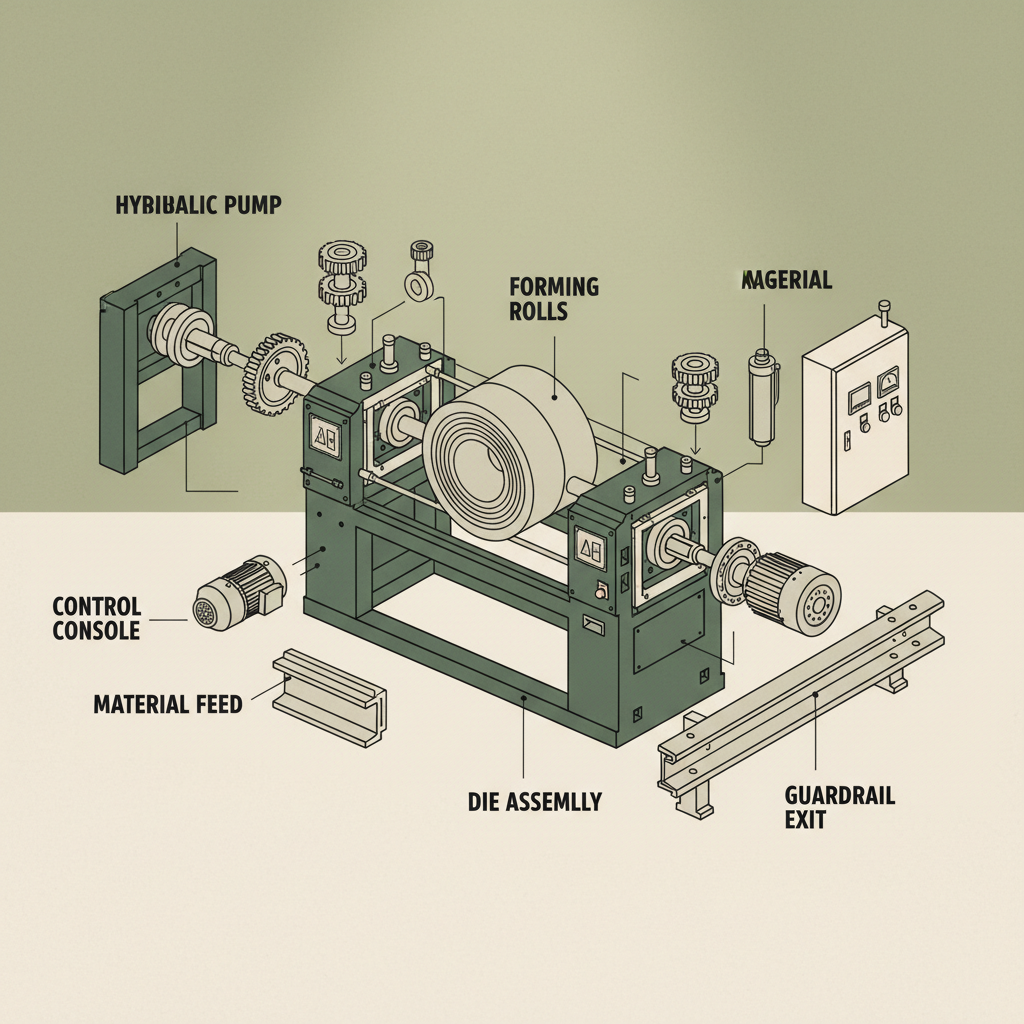
A stud and track frame making machine is an automated system designed to produce light-gauge steel framing components used in both residential and commercial construction. It takes coils of steel as input and, through a series of processes including uncoiling, leveling, forming, and cutting, transforms them into precisely dimensioned studs, tracks, and other framing members.
These machines represent a significant departure from traditional wood framing, offering several key advantages. They create a more consistent and structurally sound framework, reduce material waste, and streamline the construction process. The output of these machines is frequently used in modular construction, panelized building, and conventional stick-built projects where speed and precision are paramount.
The connection to modern industry and humanitarian needs is clear. In areas recovering from natural disasters, rapid deployment housing built with steel framing generated by these machines can provide immediate shelter and long-term stability. Simultaneously, they offer a pathway towards more sustainable and affordable housing solutions in rapidly urbanizing environments.
Key Factors of stud and track frame making machine
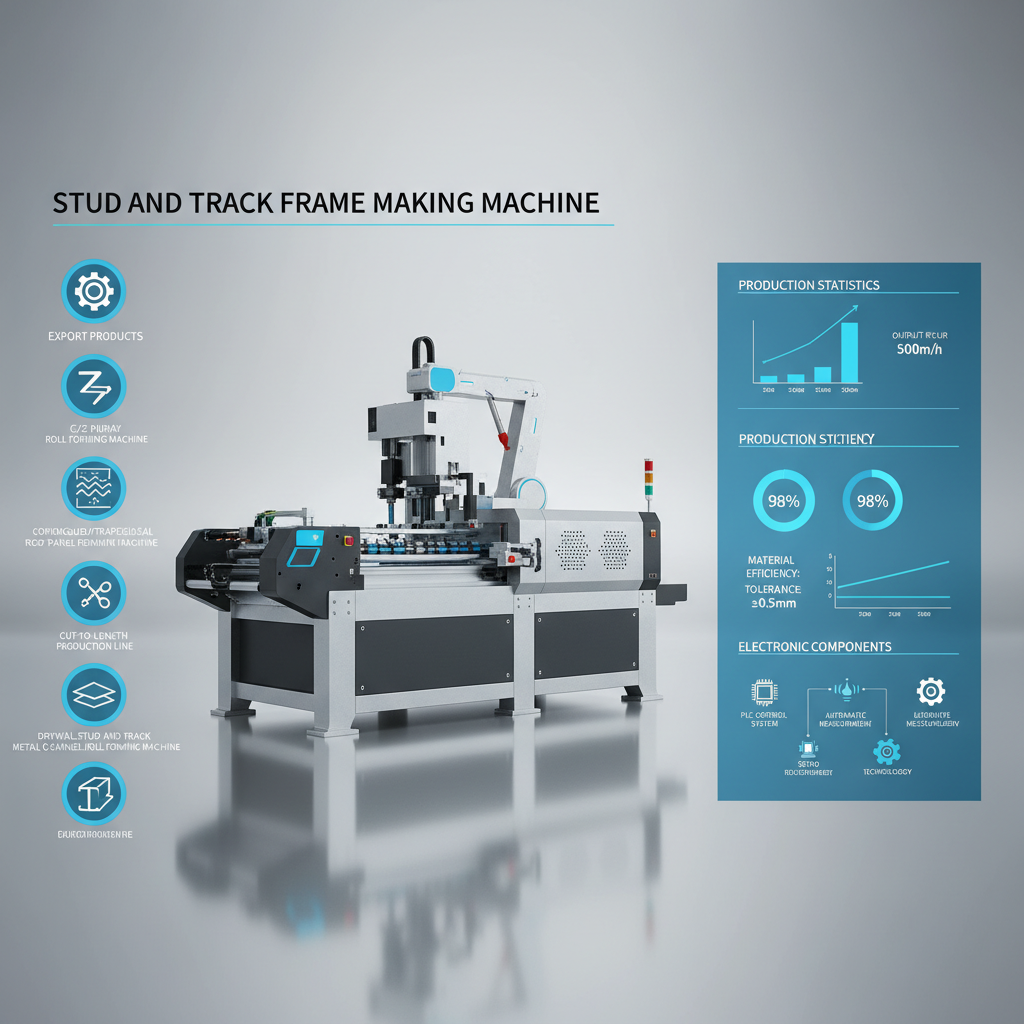
When evaluating stud and track frame making machine options, several key factors come into play. Durability is paramount. A robustly built machine will withstand continuous operation and provide years of reliable service, minimizing downtime and maintenance costs. Precision is another critical aspect, ensuring that framing components are accurately sized and shaped for seamless assembly.
Scalability is vital for businesses anticipating growth. Choosing a machine with sufficient capacity to meet future demands prevents bottlenecks and maintains production efficiency. Cost Efficiency, encompassing both the initial investment and ongoing operational expenses, is also a significant consideration. Machines with low energy consumption and minimal material waste offer long-term savings.
Production Capacity Comparison of stud and track frame making machine
Global Applications and Use Cases
The applications of stud and track frame making machine are diverse and expanding. In post-disaster relief operations, these machines can be deployed rapidly to provide prefabricated shelters for affected communities. In remote industrial zones, they enable the construction of robust and durable buildings with minimal reliance on skilled labor.
Across North America, modular home manufacturers are increasingly utilizing stud and track frame making machine to streamline production and enhance the quality of their homes. Similarly, in Europe, companies are leveraging the technology for sustainable building projects and to meet stringent energy efficiency standards. The versatility of the resulting steel frames allows for a wide range of architectural designs and construction methods.
Furthermore, in emerging economies, these machines are proving invaluable for addressing the growing demand for affordable housing. The speed and efficiency of the process allow developers to deliver housing solutions at a faster pace and lower cost, contributing to improved living conditions and economic development.
Advantages and Long-Term Value
Investing in a stud and track frame making machine offers tangible benefits that extend beyond immediate cost savings. Reduced labor requirements translate into lower project expenses and faster completion times. The precision of the framing ensures structural integrity and minimizes material waste, contributing to sustainability.
The long-term value is further enhanced by the durability and resilience of steel framing. Structures built with steel are less susceptible to fire, pests, and rot, reducing maintenance costs and extending the lifespan of the building. This fosters a sense of safety, security, and long-term investment for occupants.
Future Trends and Innovations
The future of stud and track frame making machine technology is focused on greater automation, integration with Building Information Modeling (BIM) software, and the use of advanced materials. We can expect to see machines capable of handling a wider range of steel gauges and profiles, as well as incorporating features like robotic welding and assembly.
Sustainability is also a key driver of innovation. The development of machines capable of processing recycled steel and utilizing renewable energy sources will further reduce the environmental impact of construction. Digital transformation will play a crucial role, with machines becoming increasingly connected and data-driven, enabling predictive maintenance and optimized production processes.
Challenges and Solutions
While stud and track frame making machine offer significant advantages, challenges remain. The initial investment cost can be a barrier for some businesses. Ensuring a skilled workforce capable of operating and maintaining these machines is also crucial. Compatibility with existing construction practices and building codes can require adaptation and training.
Solutions include exploring financing options, providing comprehensive training programs, and collaborating with industry organizations to promote the adoption of standardized framing techniques. Furthermore, developing more user-friendly machine interfaces and offering remote support services can alleviate operational challenges.
A key challenge is also ensuring interoperability between different machines and software platforms. Open standards and data exchange protocols are needed to facilitate seamless collaboration across the construction ecosystem.
Summarizing Core Aspects of stud and track frame making machine Challenges and Solutions
| Challenge |
Impact Level (1-10) |
Proposed Solution |
Implementation Cost (1-10) |
| High Initial Investment |
8 |
Lease-to-Own Programs & Government Incentives |
6 |
| Skilled Operator Shortage |
7 |
Comprehensive Training Programs & Certification |
5 |
| Building Code Compatibility |
6 |
Collaboration with Regulatory Bodies |
4 |
| Machine Maintenance Complexity |
5 |
Remote Diagnostics & Preventative Maintenance Schedules |
7 |
| Software Interoperability Issues |
7 |
Adoption of Open Standards & APIs |
8 |
| Material Supply Chain Disruptions |
4 |
Diversification of Suppliers & Local Sourcing |
3 |
FAQS
The primary advantages include increased speed and efficiency, greater precision, reduced material waste, and enhanced structural integrity. Steel framing is also resistant to fire, pests, and rot, offering a longer lifespan and lower maintenance costs compared to wood. These machines enable consistent quality and faster project completion, reducing labor expenses and improving overall project profitability.
Steel framing is ideal for a wide range of projects, including residential homes, multi-story buildings, commercial structures, and modular construction. It’s particularly well-suited for projects requiring fast turnaround times, high structural integrity, or resistance to environmental factors like fire and earthquakes. Disaster relief housing and affordable housing initiatives also benefit significantly.
The ROI varies depending on factors such as production volume, labor costs, and material prices. However, businesses typically see a significant return within 2-5 years due to reduced labor expenses, minimized material waste, and faster project completion. The increased efficiency and quality also lead to higher customer satisfaction and repeat business.
While the machines are automated, some technical expertise is required for operation and maintenance. Training programs are typically offered by manufacturers to equip operators with the necessary skills. Regular preventative maintenance and troubleshooting are essential to ensure optimal performance and minimize downtime. Remote diagnostic support is often available.
Steel is a highly recyclable material, making steel framing a more sustainable option than wood framing, which relies on deforestation. The reduced material waste generated by stud and track frame making machines further minimizes environmental impact. Steel is also non-combustible, contributing to fire safety and reducing the risk of forest fires.
Buildings constructed with steel framing generally have a longer lifespan than those built with wood framing. Steel is resistant to rot, pests, and decay, and it maintains its structural integrity over time. With proper maintenance, a steel-framed building can easily last for 50-100 years or more, offering a durable and reliable investment.
Conclusion
In conclusion, the stud and track frame making machine represents a pivotal advancement in construction technology, offering a compelling solution to global challenges in housing, infrastructure, and sustainability. Its benefits – speed, precision, durability, and cost-effectiveness – make it an increasingly indispensable tool for builders worldwide. The capacity to rapidly deploy resilient and affordable structures is paramount in a world facing growing urbanization and climate change.
Looking ahead, the continued innovation in this field promises even greater efficiency, integration with digital technologies, and a reduced environmental footprint. Investing in stud and track frame making machine is not merely adopting a new technology; it’s embracing a future of smarter, faster, and more sustainable construction practices. Visit our website at www.machineyingyee.com to learn more about how we can help you transform your construction projects.