search
Close
0%

Table of Contents

The demand for efficient and reliable infrastructure is constantly growing globally, driving innovation in construction and manufacturing technologies. A key component of modern infrastructure, particularly in water management and industrial processing, is the down pipe forming machine. These machines are essential for creating durable and precisely engineered piping systems, and understanding their capabilities, applications, and future trends is crucial for professionals across various sectors. This article provides a comprehensive overview of down pipe forming machine, covering its definition, core components, global applications, advantages, future innovations, and potential challenges.

The significance of down pipe forming machine extends beyond mere construction; it impacts public health, environmental sustainability, and economic development. Reliable drainage systems, made possible by these machines, prevent waterborne diseases and mitigate flood risks. Efficient industrial piping, also reliant on these technologies, enhances production processes and minimizes waste. The increasing focus on sustainable infrastructure and resource management further elevates the importance of optimizing down pipe forming machine technology.

Ultimately, understanding down pipe forming machine is vital for anyone involved in infrastructure development, manufacturing, or environmental engineering. The ability to select the right machine, optimize its performance, and adapt to emerging technologies will be crucial for building a more resilient and sustainable future.
Advancements in Down Pipe Forming Machine for Modern Infrastructure Solutions

The Fundamentals of down pipe forming machine

Advancements in Down Pipe Forming Machine for Modern Infrastructure Solutions

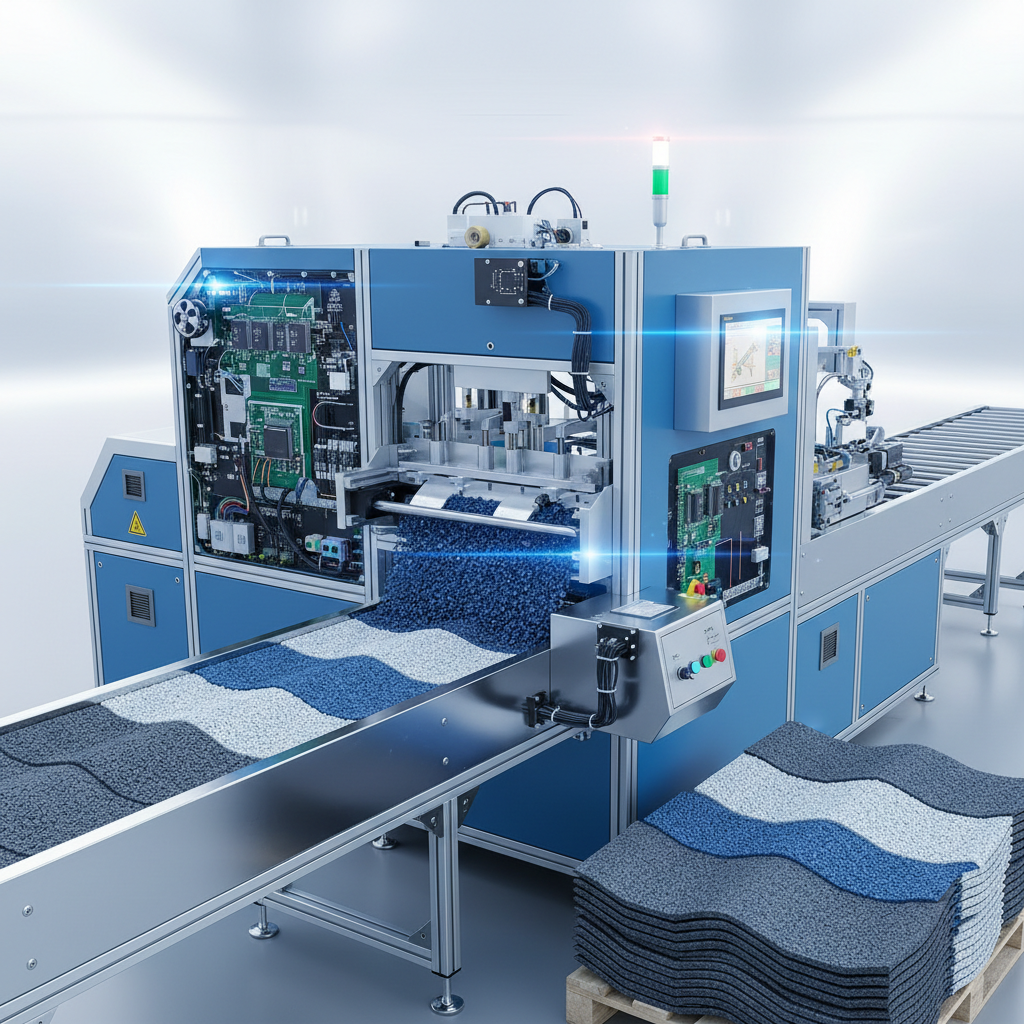
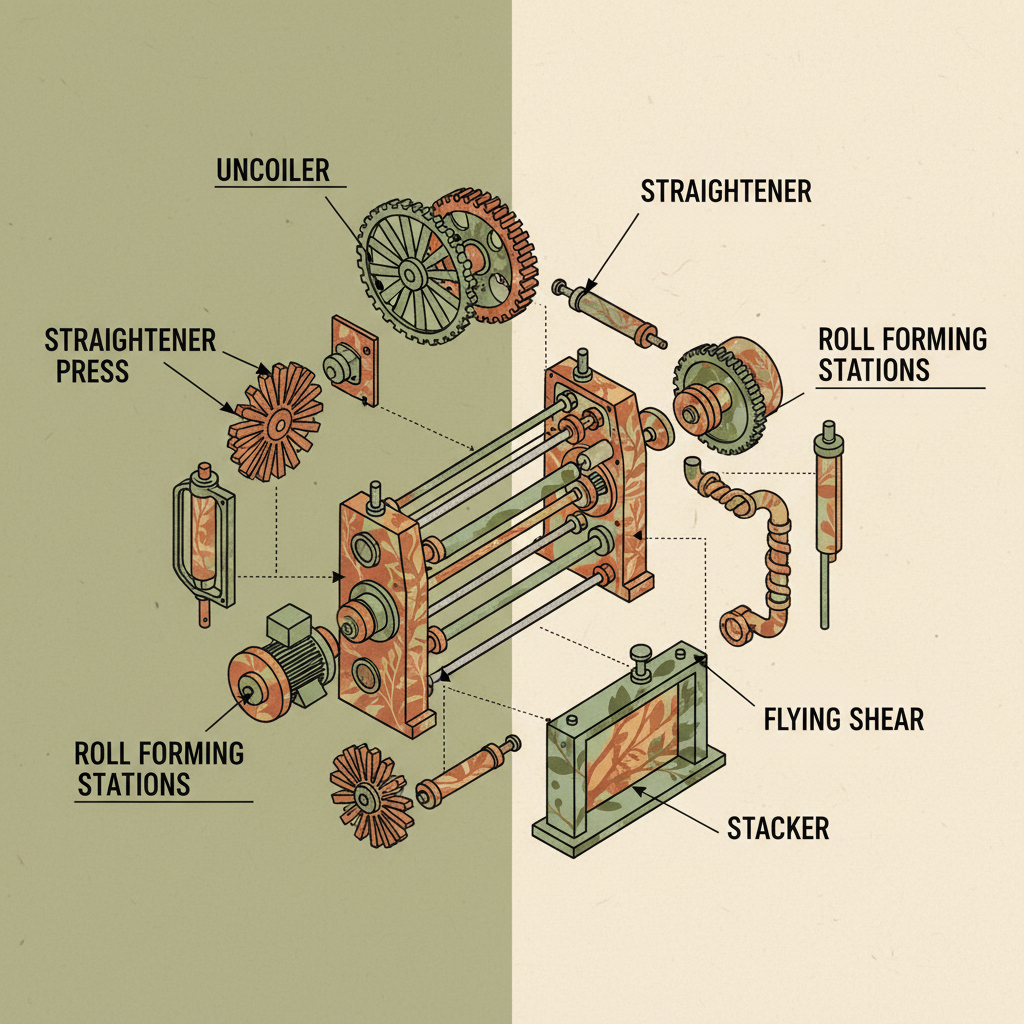
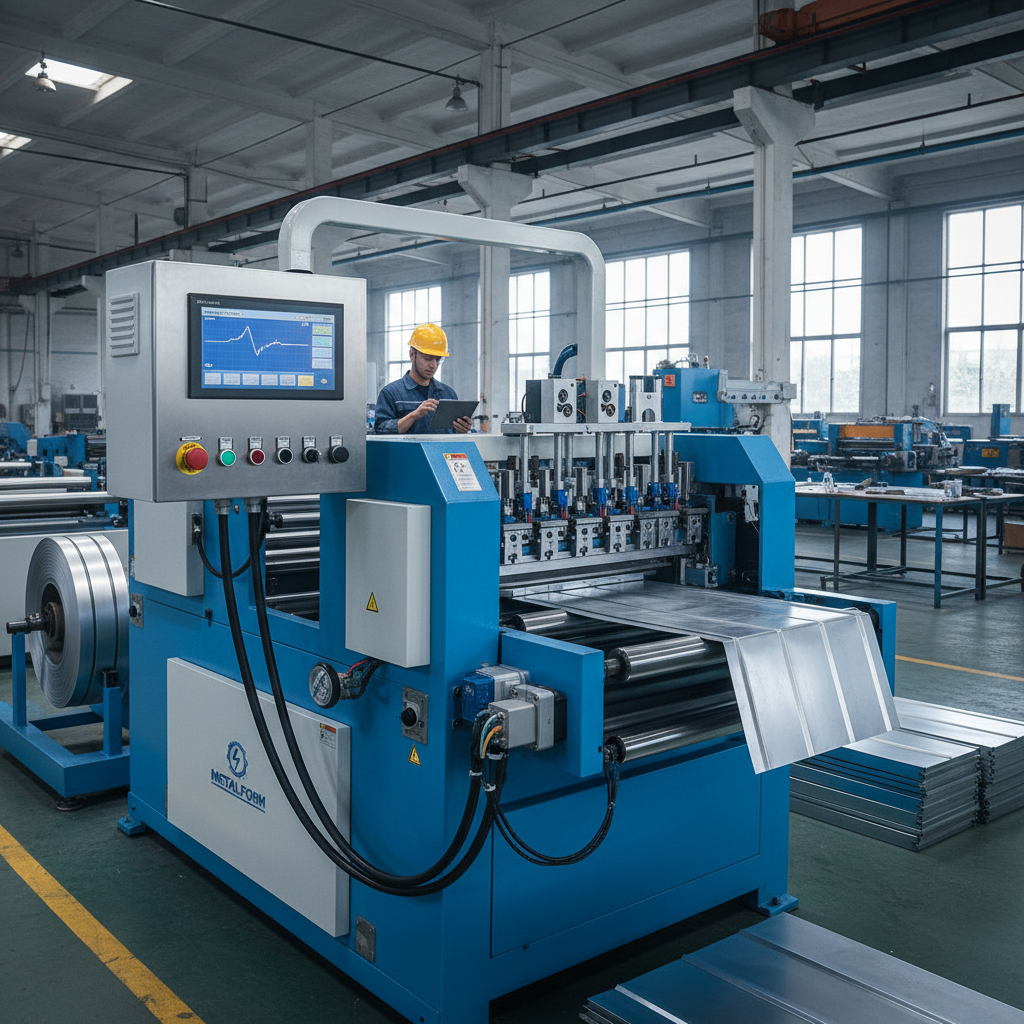
A down pipe forming machine, at its core, automates the process of shaping metal sheets into cylindrical down pipes. This is achieved through a series of rollers, dies, and forming stations, precisely engineered to create pipes of specific diameters and lengths. Modern machines boast advanced control systems, allowing for customization and consistent product quality.

The efficiency and precision offered by these machines are critical for large-scale projects where uniformity and speed are paramount. Without automated down pipe forming, manufacturing would rely heavily on manual labor, increasing costs and compromising consistency. Understanding the basic components and operation of a down pipe forming machine is fundamental to appreciating its role in modern manufacturing.

Global Relevance and Industry Context

The demand for down pipes is driven by global urbanization, infrastructure development, and stricter building codes related to water management. The United Nations estimates that 55% of the world's population lives in urban areas, a figure expected to rise to 68% by 2050. This growth necessitates robust drainage systems, increasing the need for efficient down pipe manufacturing.

Furthermore, industries such as construction, agriculture, and manufacturing heavily rely on down pipes for various applications, from rainwater harvesting to industrial fluid transport. The World Bank's investment in infrastructure projects across developing nations directly contributes to the demand for down pipe forming machine as countries strive to modernize their systems.

The ISO standards for pipe manufacturing (specifically ISO 2531 and ISO 4427) also influence the quality and production requirements, driving the need for advanced down pipe forming machine capable of meeting these rigorous specifications. This global context underscores the importance of reliable and efficient down pipe forming technology.

Defining the down pipe forming machine

A down pipe forming machine is a specialized piece of equipment designed to automatically shape metal sheets, typically steel, aluminum, or stainless steel, into cylindrical down pipes. Unlike manual methods, a down pipe forming machine uses a series of rollers and dies to progressively bend and form the metal into the desired shape, ensuring consistent diameter and wall thickness.

Its connection to modern industry is undeniable. The construction industry relies heavily on down pipes for rainwater drainage, while industrial sectors utilize them for fluid and gas transportation. Its humanitarian impact lies in its contribution to improved sanitation and water management systems, particularly in developing regions, reducing waterborne diseases and improving public health.

Effectively, a down pipe forming machine bridges the gap between raw material and finished product, offering a scalable and cost-effective solution for meeting the growing demand for high-quality piping systems. It’s a cornerstone of modern infrastructure, enabling the efficient and reliable management of vital resources.

Key Factors Influencing Performance

The performance of a down pipe forming machine is influenced by several key factors. Durability is crucial, as these machines often operate in demanding industrial environments. Robust construction and high-quality materials are essential for minimizing downtime and maximizing lifespan.

Precision is another vital aspect. Accurate forming ensures consistent pipe dimensions, crucial for proper fit and function in drainage or industrial systems. This is achieved through precise roller alignment and advanced control systems.

Performance Metrics for down pipe forming machine


Real-World Applications and Use Cases

Down pipe forming machine are integral to numerous industries. In the construction sector, they are used to produce down pipes for residential, commercial, and industrial buildings, ensuring efficient rainwater drainage. In agriculture, these machines contribute to irrigation systems, providing reliable water delivery to crops.

Industrial applications are also widespread, with down pipes used for transporting fluids, gases, and materials in processing plants, chemical facilities, and manufacturing operations. In post-disaster relief operations, portable down pipe forming machines can be deployed to quickly create drainage systems, mitigating flood risks and improving sanitation.

Advantages and Long-Term Value Proposition

The advantages of employing a down pipe forming machine are substantial. Cost efficiency is a primary benefit, as automated production reduces labor costs and minimizes material waste. Reliability is enhanced through consistent product quality and reduced risk of human error.

Furthermore, these machines promote sustainability by enabling the use of recyclable materials and minimizing environmental impact. From a societal perspective, access to reliable drainage and water management systems contributes to improved public health and quality of life. The long-term value lies in the durable infrastructure these machines help create, bolstering communities and supporting economic growth.

Future Trends and Innovation Landscape

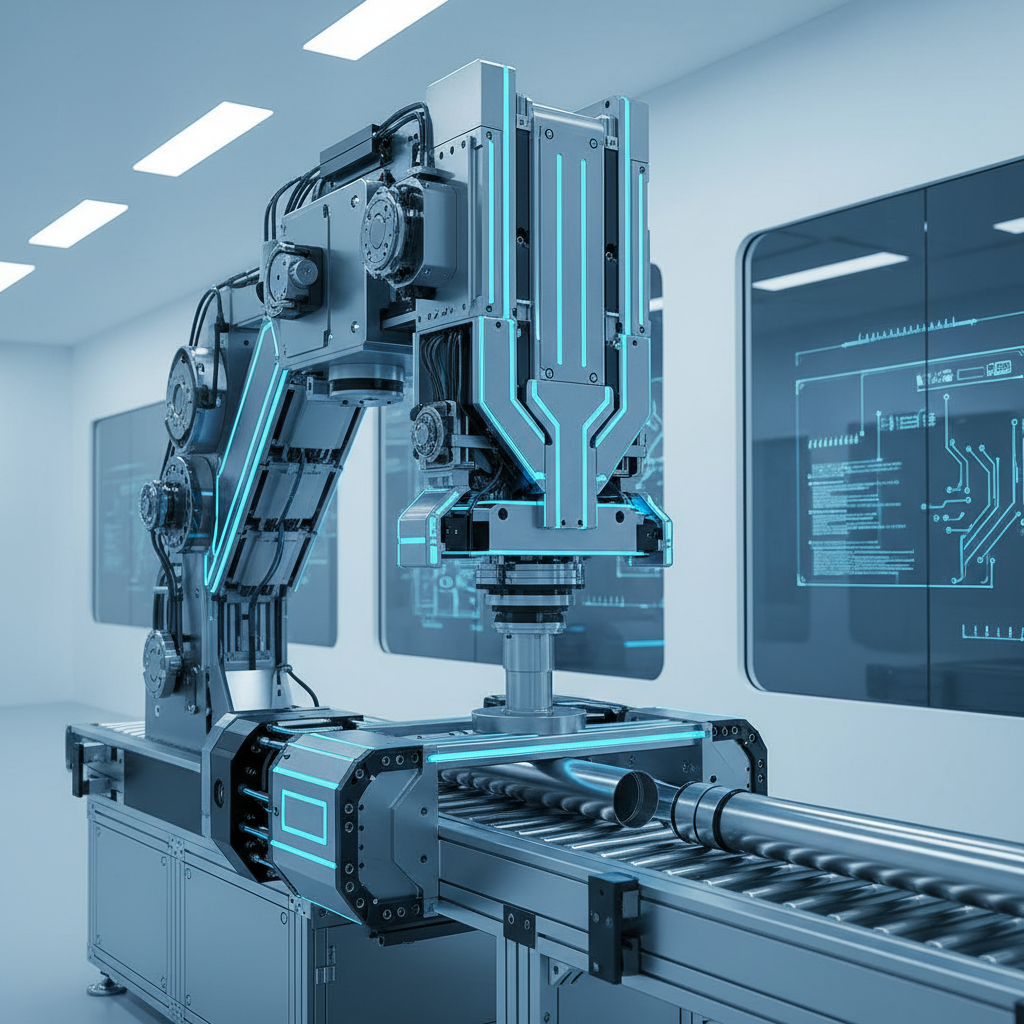
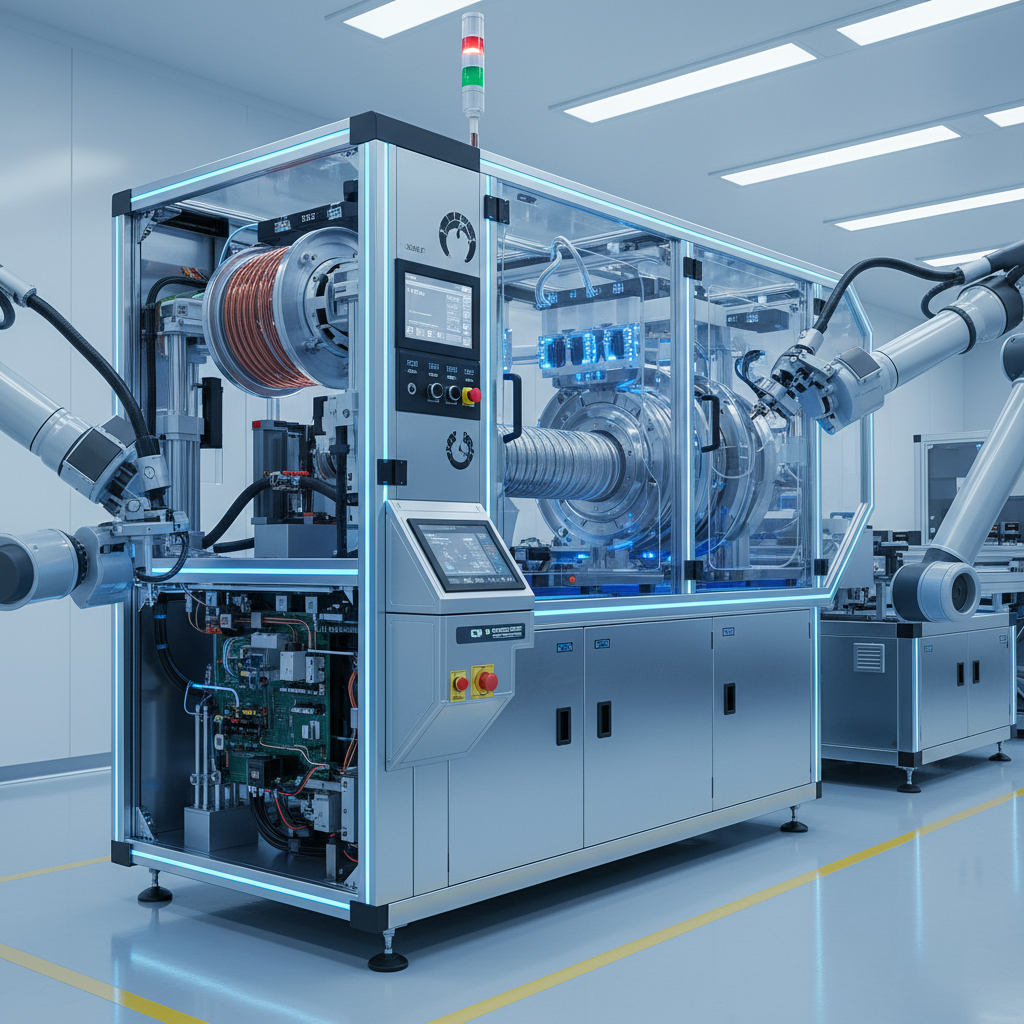
The future of down pipe forming machine is geared towards increased automation, integration with digital technologies, and a greater emphasis on sustainability. Expect to see machines incorporating AI-powered quality control systems, optimizing production processes and minimizing defects.

The integration of Industry 4.0 principles – including IoT sensors and data analytics – will allow for predictive maintenance, reducing downtime and enhancing overall efficiency. Furthermore, the development of machines capable of processing more sustainable materials, such as recycled plastics or bio-based polymers, will align with the growing demand for environmentally friendly infrastructure solutions.

FAQS

What is the typical lifespan of a high-quality down pipe forming machine?

A well-maintained, high-quality down pipe forming machine can realistically last between 15 and 20 years, sometimes even longer. This longevity depends heavily on factors like the quality of construction, the frequency of use, the operating environment, and the diligence of preventative maintenance. Regular lubrication, inspection of wear parts, and adherence to manufacturer guidelines are crucial for maximizing the machine's lifespan.

What level of operator skill is required to operate a down pipe forming machine effectively?

While modern down pipe forming machine are increasingly automated, some level of operator skill is still required. Operators typically need to understand basic machine operation, safety protocols, material handling, and quality control procedures. Training programs are often available from manufacturers to ensure operators can efficiently and safely operate the equipment. Basic mechanical aptitude is also beneficial.

What types of materials can be used with a down pipe forming machine?

The most common materials used with down pipe forming machine are galvanized steel, stainless steel, and aluminum. However, some machines are capable of processing other metals like copper or even certain plastics depending on the die and roller configurations. The material compatibility should always be confirmed with the manufacturer before operation to avoid damage to the machine or the production of substandard pipes.

How does automation impact the cost-effectiveness of down pipe forming?

Automation significantly enhances cost-effectiveness. By reducing labor requirements, minimizing material waste through precise forming, and increasing production speed, automated down pipe forming machine lower the overall cost per unit. This leads to higher profit margins and a quicker return on investment, particularly for large-scale production runs. Reduced defect rates also contribute to lower costs by minimizing rework and scrap.

What maintenance procedures are crucial for down pipe forming machine?

Regular maintenance is vital. This includes daily lubrication of moving parts, weekly inspections for wear and tear, and periodic cleaning of the machine. It’s essential to check and replace worn rollers and dies, monitor the functionality of the control system, and ensure proper alignment of all components. Following the manufacturer's recommended maintenance schedule will prolong the machine’s life and ensure optimal performance.

What safety features should I look for in a down pipe forming machine?

Essential safety features include emergency stop buttons, safety guards around moving parts, and proper electrical grounding. Machines should also incorporate overload protection to prevent damage and ensure operator safety. Training operators on proper safety procedures and enforcing the use of personal protective equipment (PPE) are crucial for preventing accidents. Compliance with relevant safety standards (e.g., CE marking) is also important.

Conclusion

In conclusion, the down pipe forming machine represents a critical component of modern infrastructure and manufacturing. From its fundamental role in shaping piping systems to its contribution to sustainable development and efficient resource management, understanding its capabilities, applications, and future trends is paramount. The benefits extend beyond simple production efficiency, encompassing cost savings, reliability, and a positive impact on public health and environmental sustainability.

Looking ahead, continuous innovation in automation, digital integration, and material science will further enhance the performance and versatility of down pipe forming machine. By embracing these advancements, industries can unlock new levels of efficiency, sustainability, and resilience. To learn more about cutting-edge down pipe forming machine solutions and how they can benefit your operations, visit our website: www.machineyingyee.com
Christopher Wilson

Christopher Wilson

Christopher Wilson is the Research and Development Specialist at YingYee Machinery and Technology Service Co., Ltd. He focuses on researching emerging trends and technologies in the metal processing industry to inform future product development. Christopher's expertise lies in analyzing competitor products, identifying potential improvements, and evaluating new materials and manufacturing
Previous Revolutionizing Downpipe Production with Steel Downpipe Roll Former Making Machine Technology
Next China Motor Stud Design Reliability and Practical Application Insights
What can we do to help you?