| Application Scenario | Material Grade | Load Capacity (kg/level) | Cost-Effectiveness (1-5, 5 being best) |
|---|---|---|---|
| Small Parts Storage | Q235 | 150 | 4 |
| Pallet Racking | Q345 | 800 | 3 |
| Archival Storage | Q235 | 50 | 5 |
| High-Density Storage | Q345 | 1000 | 2 |
| Automated Warehouse | High-Strength Low Alloy Steel | 1200 | 1 |
| Cold Storage | Stainless Steel | 600 | 2 |
Typically, Q235 and Q345 are the workhorses. Q235 is generally used for lighter loads and is more affordable. Q345 offers higher strength and is better suited for heavy-duty applications. Sometimes you'll see high-strength low-alloy steels, but they come with a price premium and aren’t always necessary for standard warehousing needs. Selecting the right grade impacts the overall load capacity and durability, so it’s a critical decision during the design phase.
Crucial. The coating protects against corrosion, extending the life of the racking. Hot-dip galvanization is the standard due to its durability and cost-effectiveness, but powder coating offers a cleaner finish, albeit with less corrosion resistance. For corrosive environments, specialized coatings or even stainless steel are required to prevent premature failure. Ignoring the coating can lead to costly repairs or replacements down the line.
Check the uprights for straightness and alignment. Verify that all connections are secure and properly tightened. Inspect the welds for any cracks or imperfections. Also, ensure that the foundation is level and capable of supporting the load. It’s a good idea to have a qualified inspector review the installation to identify any potential issues before they become major problems.
Absolutely. Customization is very common. We can adjust the beam spacing, upright height, and frame width to accommodate various pallet dimensions. We can also add features like pallet supports, dividers, and safety barriers to meet specific storage requirements. It’s important to provide accurate pallet dimensions during the design phase to ensure a proper fit.
Lead times can vary significantly depending on the complexity of the project and current demand. A standard project might take 4-6 weeks, while a highly customized one could take 8-12 weeks or longer. We always try to provide accurate lead times upfront, but unforeseen delays can sometimes occur due to material availability or manufacturing capacity.
Always wear appropriate personal protective equipment (PPE), including safety glasses, gloves, and steel-toe boots. Ensure that the racking is properly anchored to the floor. Avoid overloading the racking beyond its rated capacity. Regularly inspect the racking for any damage or wear. Follow proper procedures for handling and lifting materials. And never attempt to modify the racking without consulting a qualified engineer.
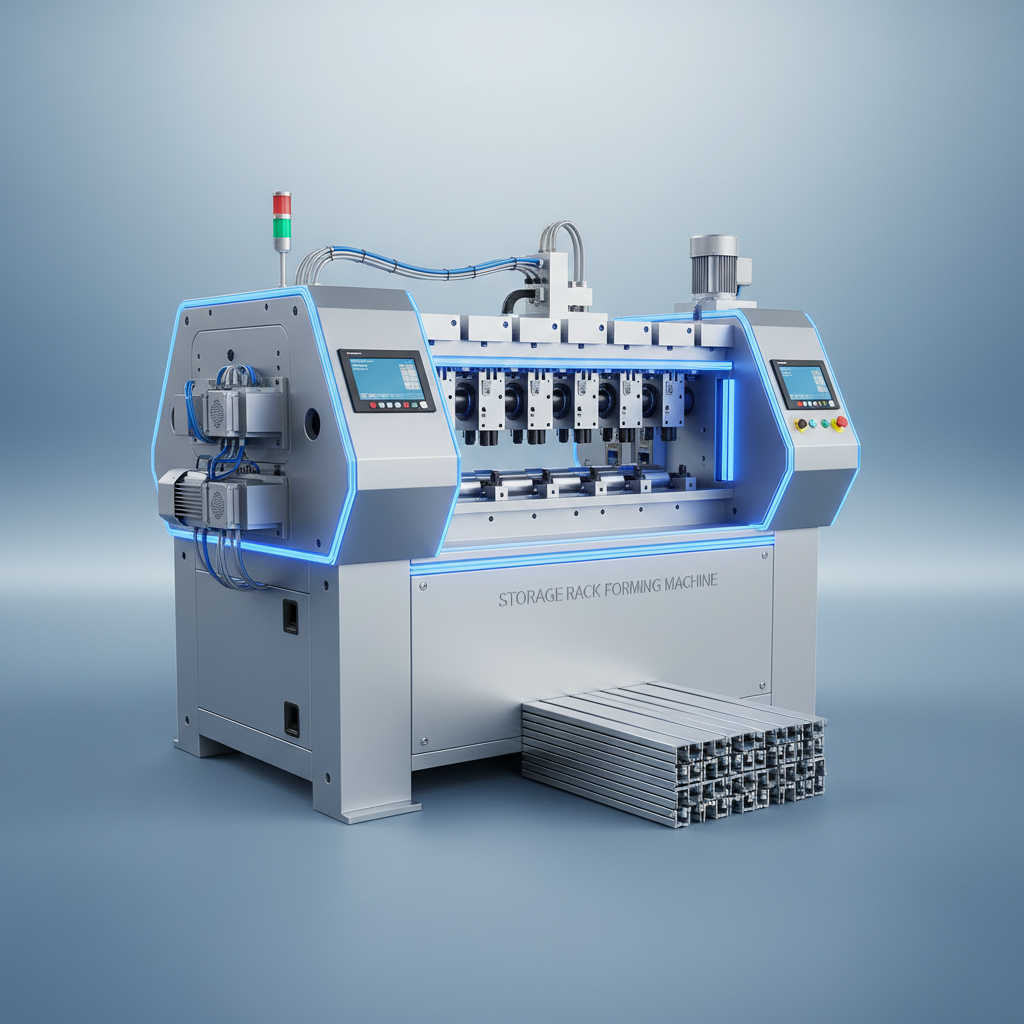
Ultimately, storage rack roll forming machine is a balancing act. It’s about finding the sweet spot between cost, strength, durability, and functionality. It’s about understanding the application, the environment, and the potential risks. We’ve seen designs that look great on paper fall apart in the real world, and we’ve seen simple, robust designs withstand years of abuse.
The worker tightening the last screw is the ultimate judge. Whether this thing works or not, the worker will know the moment he tightens the screw. That’s what keeps me up at night, making sure that screw holds. And that’s why I still go to the factories, get my hands dirty, and talk to the guys on the floor. Because, at the end of the day, it's not about the engineering; it's about making sure things don’t fall on someone’s head.