The concept of a simple slitting line, though seemingly basic, underpins a vast array of industrial processes and logistical solutions globally. From the efficient production of tapes and films to the creation of precisely cut materials for packaging and manufacturing, the reliability and effectiveness of a simple slitting line are paramount. Understanding its principles and advancements is crucial for optimizing productivity and minimizing waste across multiple sectors.
The global demand for precisely cut materials is consistently high, driven by industries like packaging, textiles, medical devices, and paper converting. According to industry reports, the global slitting and rewinding machine market is projected to reach significant growth in the coming years, highlighting the continued importance of this technology. A key challenge lies in balancing precision with speed, and minimizing material loss during the slitting process – a challenge a well-designed simple slitting line directly addresses.
Effective simple slitting lines directly translate to cost savings, reduced material waste, and improved product quality for businesses across the globe. Beyond purely economic benefits, efficient slitting lines also contribute to sustainable manufacturing practices by reducing scrap and optimizing resource utilization. This makes understanding and implementing effective simple slitting line technology increasingly vital in today’s competitive landscape.
Introduction to simple slitting line
A simple slitting line is a fundamental process used in numerous industries to convert large rolls of material into narrower, precisely cut strips. It's a versatile operation employing rotating blades to shear materials like paper, plastic film, fabric, and nonwovens. The simplicity of the concept belies its crucial role in manufacturing processes.
The efficiency of a simple slitting line significantly impacts downstream operations, affecting product quality, production speeds, and overall profitability. Optimizing parameters such as blade sharpness, tension control, and web guiding is vital for achieving consistent, high-quality results. Companies are increasingly seeking advancements in simple slitting line technology to improve these aspects.
Defining a simple slitting line
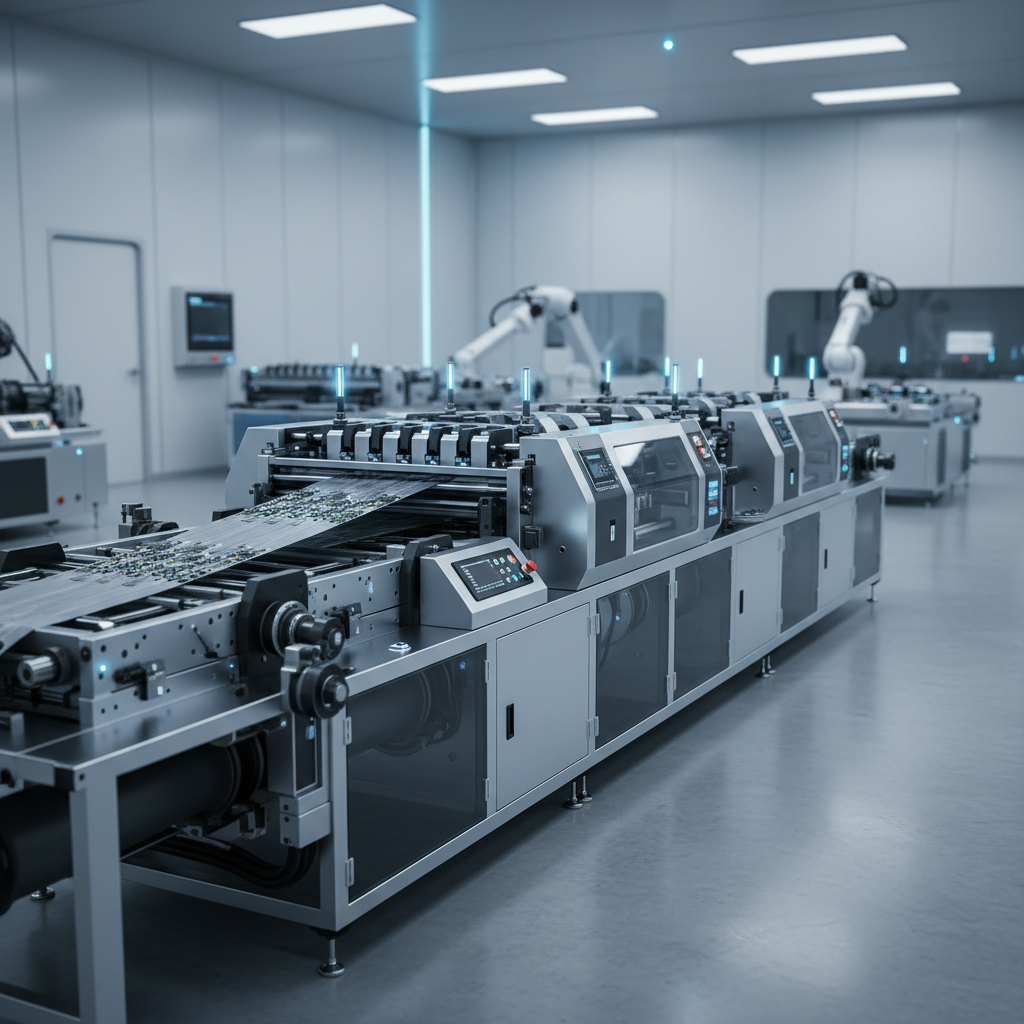
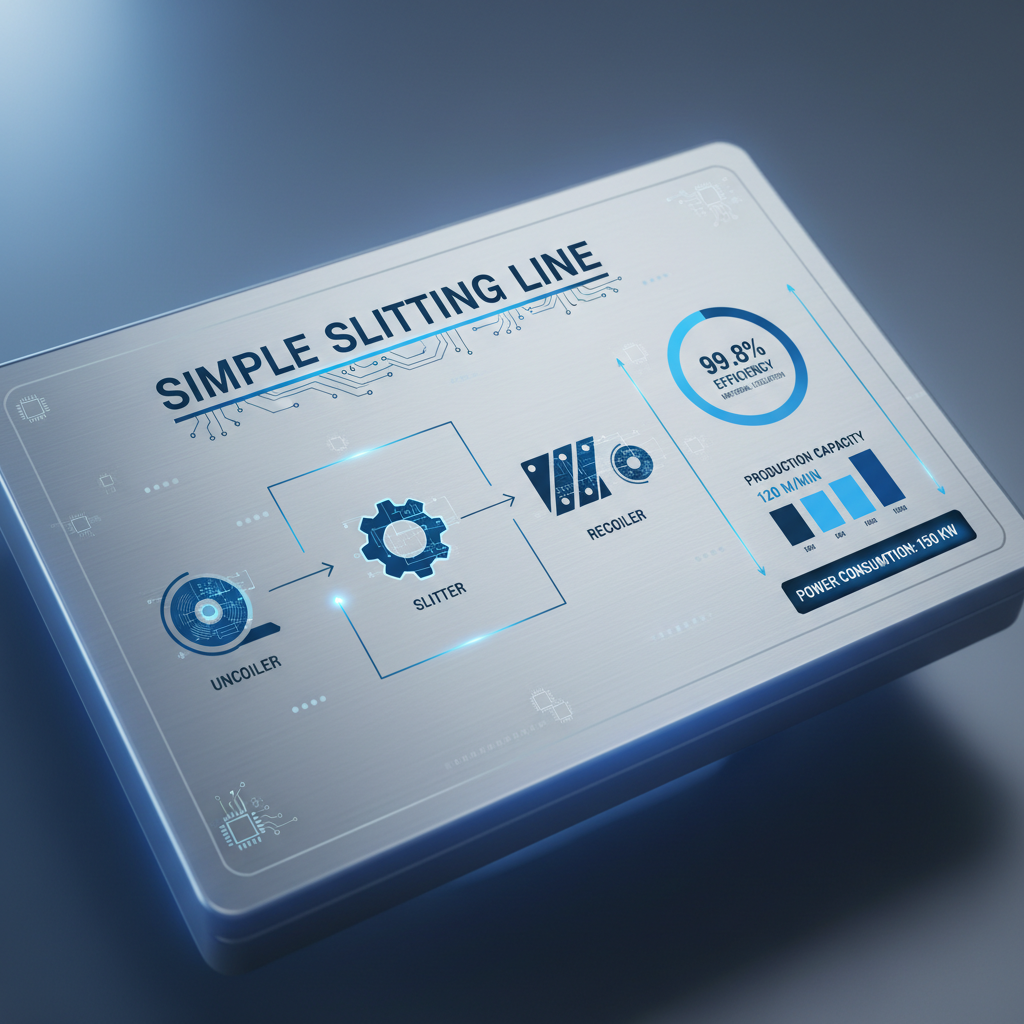
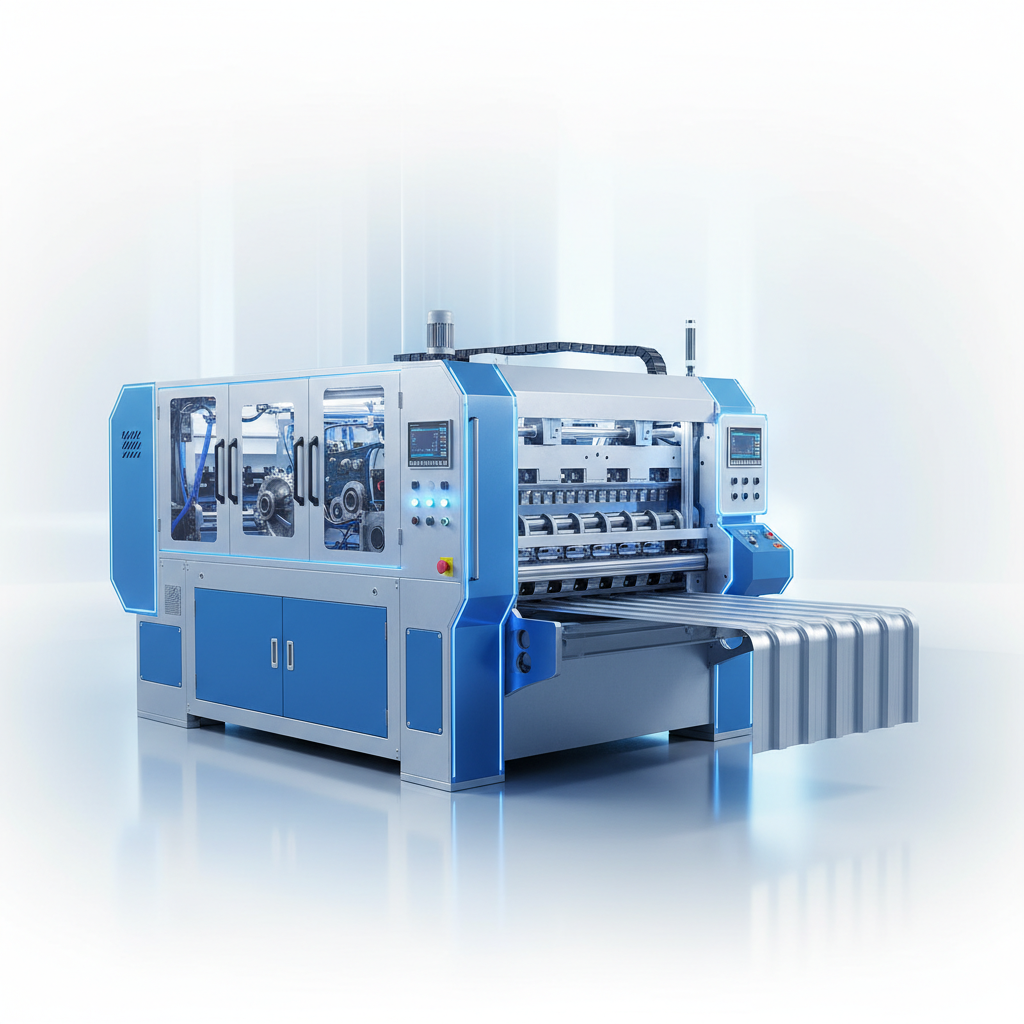
At its core, a simple slitting line is a machine or system designed to cut wide rolls of flexible materials into multiple narrower rolls. The process involves unwinding the material from a parent roll, guiding it through a series of blades, and then rewinding the resulting strips onto smaller rolls or collecting them for further processing. This method is essential for creating products ranging from adhesive tapes to packaging films.
The connection to modern industry is undeniable; virtually every consumer product relies on materials processed through slitting lines at some point in their production. From the food we eat (packaged using slit film) to the labels on products, a reliable simple slitting line is often an unseen, yet critical component.
Furthermore, humanitarian aid often depends on materials processed by these lines – things like tarpaulin sheeting, medical packaging, and even the fabrics used in emergency shelters. The ability to quickly and efficiently produce these materials is vital in disaster relief and emergency situations.
Core Components of a simple slitting line
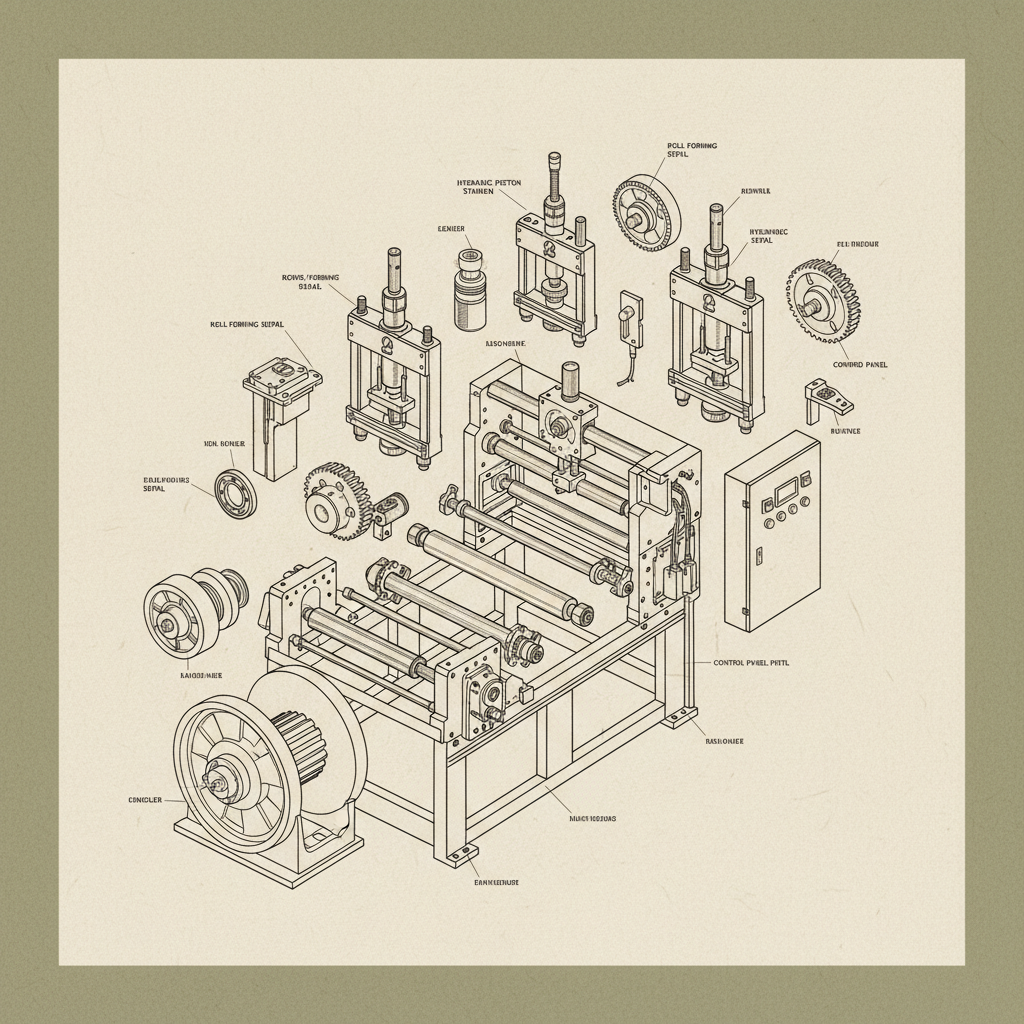
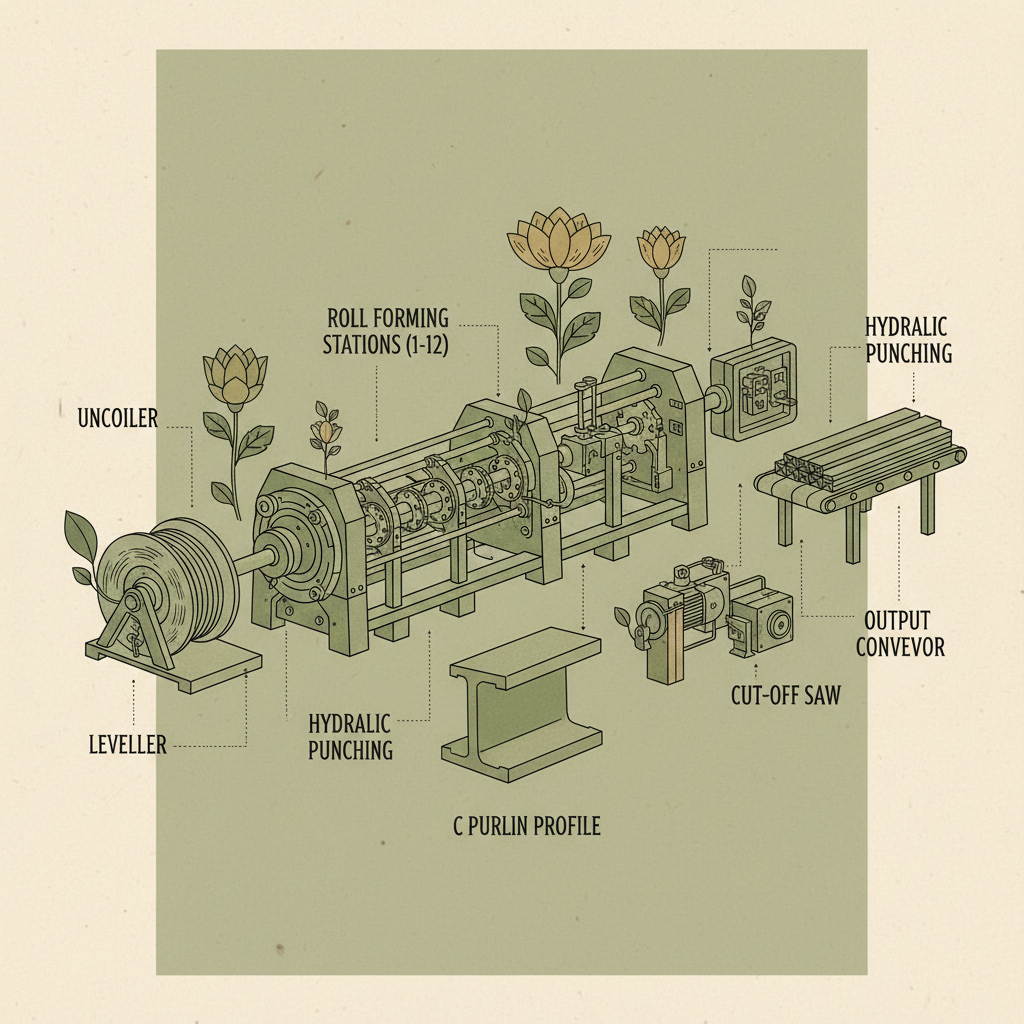
Several key components define the functionality of a simple slitting line. These include an unwinder, a tension control system, slitting blades (rotary or shear), a web guiding system, and a rewinder. Each component plays a crucial role in ensuring precise and efficient cutting.
Blade Sharpness and Material Compatibility: The choice of blade material (e.g., steel, carbide) and its sharpness directly influence cut quality and frequency of blade changes. Selecting the correct blade for the material being slit is critical to prevent tearing or dulling. Tension Control: Maintaining consistent tension throughout the slitting process prevents wrinkling, stretching, or breaking of the material. Web Guiding: Accurate web guiding ensures the material travels straight through the line, preventing skewing and uneven cuts.
Proper synchronization of these components is vital for optimal performance. Sophisticated control systems often incorporate sensors and automated adjustments to maintain consistent quality and minimize downtime. The simplicity of a well-designed system doesn’t equate to a lack of complexity in its engineering.
Practical Applications of simple slitting line
Simple slitting lines are employed across a remarkably diverse range of industries. In the packaging sector, they’re used to create adhesive tapes, protective films, and labels. The textile industry relies on slitting lines for cutting fabrics and nonwovens.
Medical device manufacturers use precisely slit materials for bandages, surgical tapes, and packaging for sterile products. Paper converting operations employ slitting lines to produce rolls of paper for printers, fax machines, and other applications. The automotive industry also utilizes slit materials for interior components and specialized tapes.
Slitting Line Performance Metrics
Advantages and Long-Term Value
The tangible benefits of investing in a robust simple slitting line are substantial. Cost savings are realized through reduced material waste, minimized downtime, and improved production efficiency. Sustainability is enhanced by optimizing resource utilization and decreasing scrap.
Beyond the purely economic advantages, a reliable simple slitting line builds trust with customers by ensuring consistent product quality. It also contributes to a safer working environment by automating processes and reducing the need for manual handling of materials. These factors translate into long-term value and a competitive advantage for businesses.
Future Trends in simple slitting line Technology
The future of simple slitting lines is being shaped by advancements in automation, digital control systems, and materials science. Expect to see increasing integration of sensors and data analytics to optimize cutting parameters in real-time.
The development of new blade materials and coatings will further enhance cutting precision and blade lifespan. Sustainable practices are driving innovation in areas like energy efficiency and the reduction of waste. The move towards Industry 4.0 principles will see slitting lines becoming increasingly interconnected and integrated into broader manufacturing ecosystems.
Challenges and Innovative Solutions
Despite advancements, several challenges remain in the field of simple slitting line technology. Maintaining consistent tension across the web, dealing with difficult-to-cut materials, and minimizing dust and debris are common hurdles.
Innovative solutions include the use of closed-loop tension control systems, advanced blade geometries, and enhanced dust extraction systems. The adoption of machine learning algorithms can help predict and prevent potential problems, optimizing performance and reducing downtime.
Furthermore, the rise of digital twins allows for virtual testing and optimization of slitting line configurations, reducing the need for costly physical prototypes.
Summarizing Key Challenges and Solutions for simple slitting line
| Challenge |
Impact on simple slitting line |
Potential Solution |
Implementation Cost (1-10) |
| Web Tension Variations |
Inconsistent cuts, material defects |
Closed-loop tension control system |
7 |
| Material Compatibility |
Blade wear, poor cut quality |
Optimized blade material selection |
5 |
| Dust and Debris Accumulation |
Reduced product quality, safety hazards |
Enhanced dust extraction system |
6 |
| Blade Wear and Tear |
Frequent blade changes, downtime |
Advanced blade coatings |
4 |
| Skewing and Misalignment |
Uneven cuts, wasted material |
Precise web guiding system |
8 |
| Process Optimization |
Suboptimal performance, inefficiency |
Machine learning-based optimization |
9 |
FAQS
Selecting the right blades involves considering the material being slit, the desired cut quality, and the blade's lifespan. Factors like blade material (steel, carbide, ceramic), blade geometry (shear, rotary), and coating all play a role. Softer materials might require sharper blades, while abrasive materials necessitate more durable options. The goal is to balance precision, efficiency, and cost-effectiveness.
Tension control is crucial for ensuring consistent and high-quality slitting. Incorrect tension can lead to wrinkling, stretching, or even breakage of the material. Common methods include manual tension adjustment, pneumatic tension control (using air pressure), and automated closed-loop tension systems that utilize sensors and feedback control to maintain consistent tension throughout the process. Automated systems provide the most precise and reliable results.
Regular maintenance is essential for ensuring the longevity and optimal performance of a simple slitting line. This includes daily blade inspections and sharpening or replacement as needed, lubrication of moving parts, cleaning of dust and debris accumulation, and periodic checks of tension control systems and web guiding components. Preventative maintenance schedules are highly recommended to minimize downtime and avoid costly repairs.
Minimizing waste involves several strategies. Precise blade alignment and sharpness are paramount. Optimizing web tension and guiding systems prevents skewing and uneven cuts. Utilizing trimming recovery systems to recycle or repurpose edge trims can also significantly reduce waste. Proper material handling and storage prevent damage and ensure material integrity.
Safety is paramount. Operators should always wear appropriate personal protective equipment (PPE), including safety glasses and gloves. Ensure all safety guards are in place and functioning correctly. Lockout/tagout procedures should be followed during maintenance. Emergency stop buttons should be easily accessible. Comprehensive training on safe operating procedures is essential for all personnel.
The lifespan of a simple slitting line machine can vary widely depending on factors such as build quality, operating conditions, and maintenance practices. With regular maintenance and proper care, a well-built machine can reliably operate for 10-20 years or even longer. However, components like blades, bearings, and control systems may require periodic replacement during this time. Investing in a quality machine from a reputable manufacturer is crucial for maximizing lifespan.
Conclusion
In conclusion, the simple slitting line remains a cornerstone of modern manufacturing and materials processing. Its ability to efficiently and precisely convert large rolls of material into usable components is critical across a diverse range of industries. Understanding the core components, optimizing operation, and embracing future trends in automation and sustainability are key to maximizing its value.
Looking ahead, continued innovation in blade technology, control systems, and data analytics will further enhance the performance and efficiency of simple slitting lines. By investing in these advancements, businesses can unlock new levels of productivity, reduce waste, and maintain a competitive edge. For more information on optimizing your slitting line operations, visit our website: https://www.machineyingyee.com.