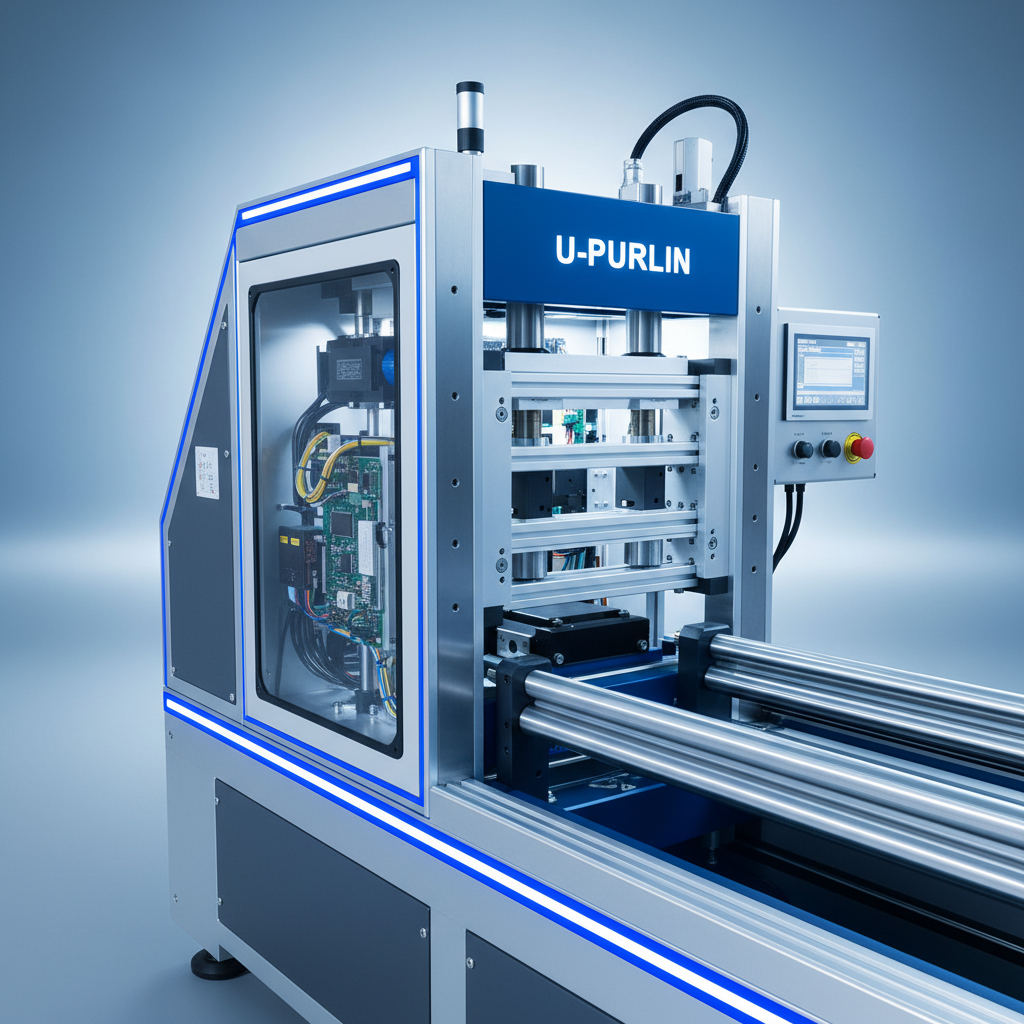
The global demand for zinc is steadily increasing, driven by its crucial role in galvanizing steel – protecting it from rust and corrosion. This creates a substantial need for efficient and reliable zinc making machine, which are essential for producing high-quality zinc ingots and alloys. Understanding the intricacies of these machines, from their core components to emerging technologies, is vital for industries ranging from construction and automotive to healthcare and agriculture.
The efficiency and sustainability of zinc production are becoming increasingly important considerations. Traditional methods often involve significant energy consumption and environmental impact. Advanced zinc making machine designs are focusing on reducing these drawbacks through optimized processes, waste heat recovery, and the integration of renewable energy sources. This drive towards greener manufacturing practices is reshaping the industry landscape.
Investing in knowledge and understanding of modern zinc making machine is therefore not just a business imperative, but also a crucial step toward a more sustainable and resilient future. These machines are the backbone of a critical industrial supply chain and their advancement directly impacts global infrastructure and economic growth.
The Significance of Zinc Making Machine
A reliable zinc making machine is the cornerstone of a productive zinc processing plant. Without it, meeting the global demand for zinc – a critical material in countless applications – becomes significantly more challenging. These machines represent a substantial capital investment and, when properly maintained and operated, offer significant returns over their lifespan.
Beyond simply producing zinc, modern machines are designed with sustainability in mind. This includes minimizing waste, optimizing energy consumption, and reducing environmental emissions. Investing in these advanced technologies not only improves profitability but also demonstrates a commitment to responsible manufacturing practices.
Defining Zinc Making Machine
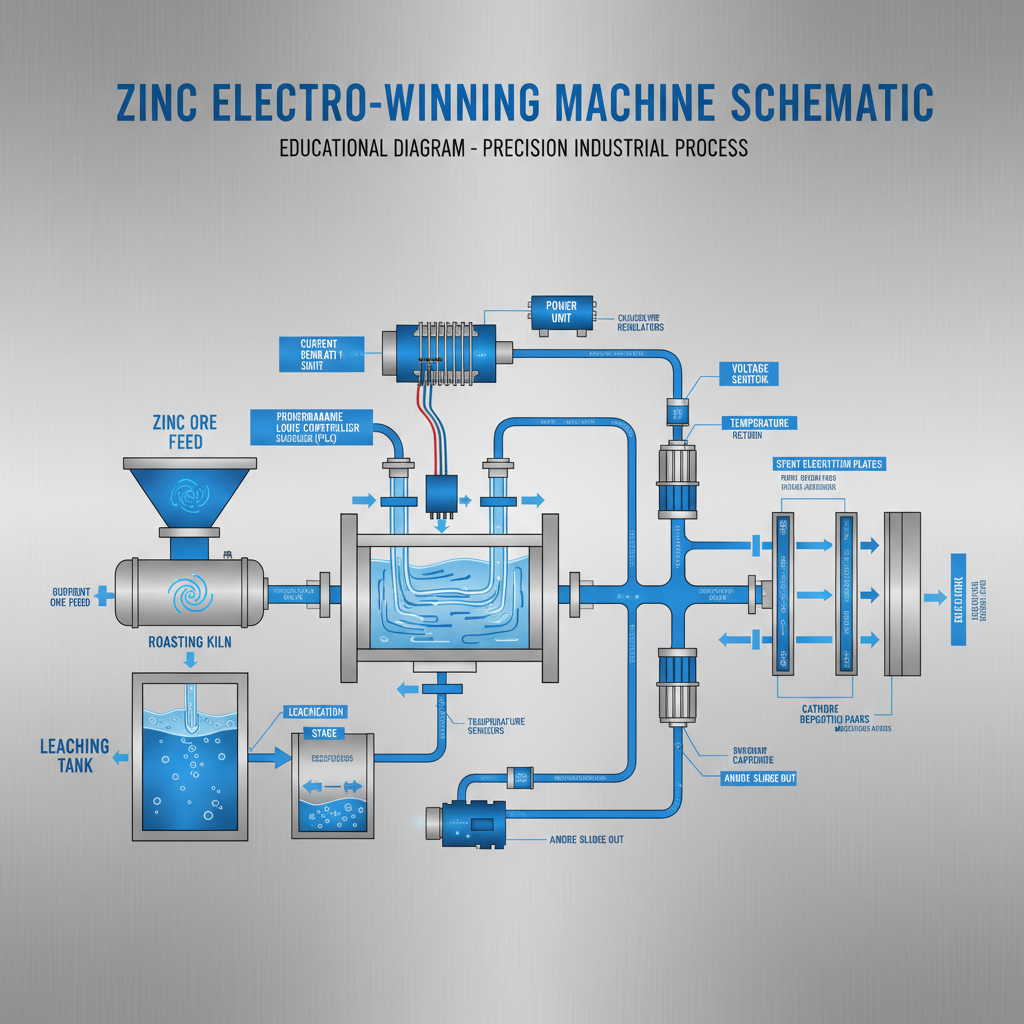
A zinc making machine refers to the integrated system of equipment used to extract and refine zinc from its raw materials, typically zinc ores such as sphalerite (zinc sulfide). This process commonly involves a series of stages including ore concentration, roasting, leaching, purification, and finally, the production of metallic zinc through processes like electrowinning or distillation.
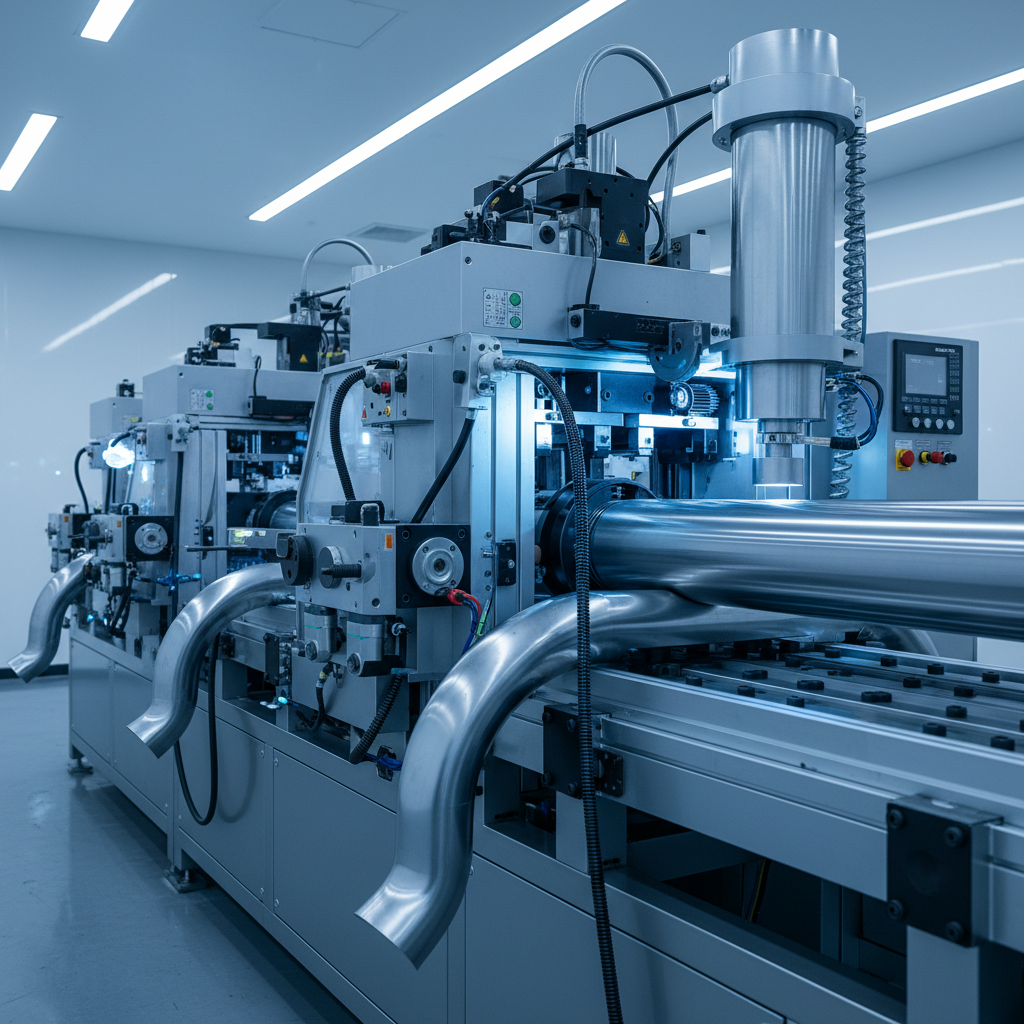
These machines are not a single unit, but a complex network of furnaces, reactors, filters, and control systems working in concert. Modern machines incorporate sophisticated automation and monitoring technologies to ensure consistent quality, high throughput, and safe operation. The type of machine employed depends on the specific ore being processed and the desired purity of the final zinc product.
The importance of zinc production extends far beyond industrial applications. Zinc is crucial for human health, playing a vital role in immune function and wound healing. Therefore, efficient and reliable zinc making machine contribute to both economic prosperity and public health.
Key Factors for Optimal Performance
Durability is paramount when considering a zinc making machine. The harsh operating environment, involving high temperatures, corrosive chemicals, and abrasive materials, demands robust construction and high-quality components to minimize downtime and extend the machine’s lifespan.
Scalability is another crucial factor. The ability to easily expand production capacity as demand increases is essential for maintaining competitiveness. Modular designs and flexible configurations allow zinc making machine to be adapted to changing market conditions.
Cost efficiency is a key driver in the selection of a zinc making machine. This encompasses not only the initial purchase price but also ongoing operating costs, including energy consumption, maintenance requirements, and labor expenses. Optimized designs and advanced control systems can significantly reduce these costs.
Operational Efficiency and Zinc Making Machine
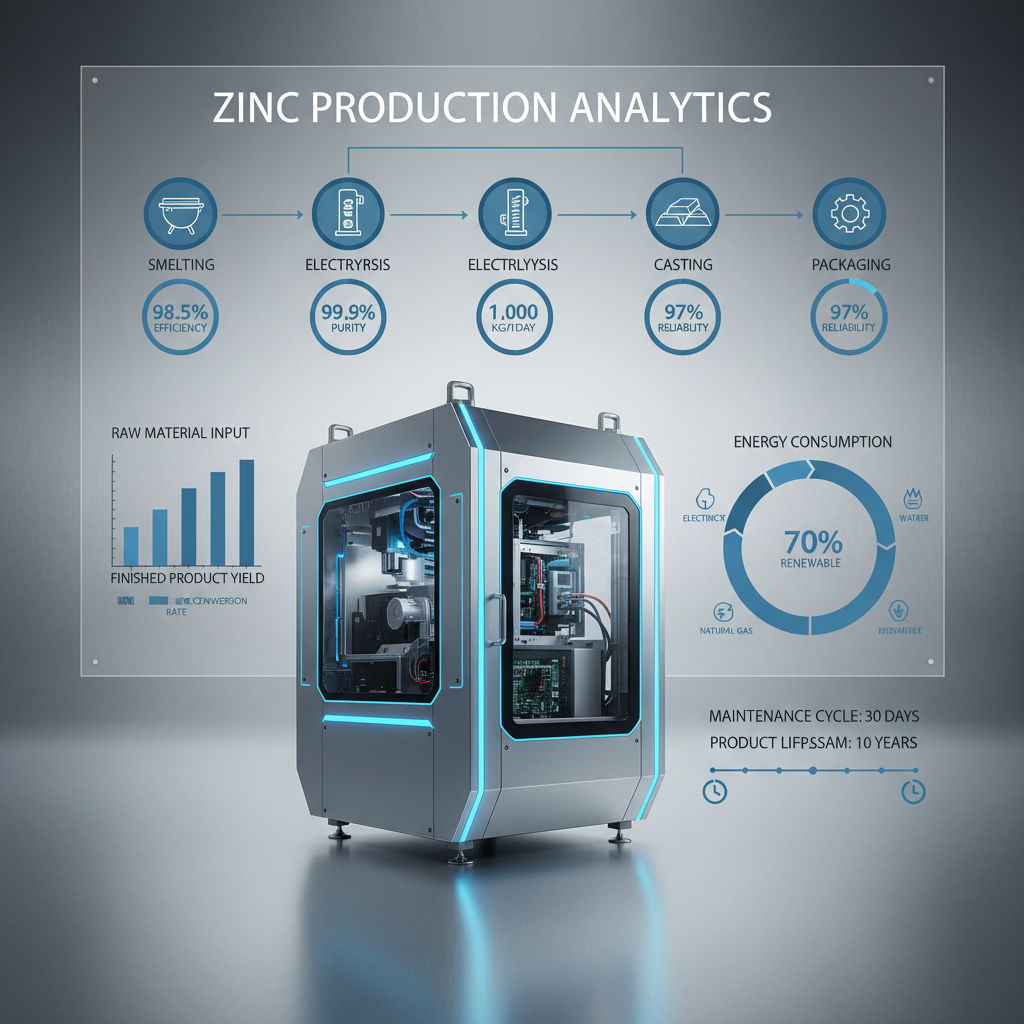
The operational efficiency of a zinc making machine directly impacts the profitability of a zinc production facility. Factors contributing to efficiency include optimized process control, minimized material losses, and reduced energy consumption.
Modern machines incorporate sophisticated sensors and automated control systems to continuously monitor and adjust process parameters, ensuring consistent product quality and maximizing throughput. Real-time data analysis allows operators to identify and address potential problems before they lead to costly downtime.
Zinc Making Machine Performance Metrics
Global Applications and Industry Impact
The zinc produced by zinc making machine is vital to numerous industries globally. A primary use is galvanizing steel, protecting it from corrosion in construction, automotive, and infrastructure projects. This extends the lifespan of steel structures, reducing maintenance costs and environmental impact.
Zinc also plays a crucial role in the production of die-cast parts for the automotive and electronics industries, providing strength, durability, and corrosion resistance. Furthermore, zinc compounds are essential ingredients in paints, rubber, pharmaceuticals, and fertilizers, highlighting its diverse range of applications.
Advantages & Long-Term Value
Investing in a high-quality zinc making machine translates into significant long-term benefits. Reduced energy consumption and waste generation lower operating costs and minimize environmental impact, contributing to a more sustainable business model.
The enhanced process control and consistent product quality provided by advanced machines increase market competitiveness and customer satisfaction. Reliable operation and reduced downtime translate into increased production output and higher profitability. Ultimately, a well-chosen zinc making machine is a strategic investment that drives long-term growth and success.
Beyond financial gains, deploying modern, efficient zinc production technology promotes responsible resource management and contributes to a healthier planet, aligning with global sustainability goals.
Future Trends and Innovations in Zinc Production
The future of zinc making machine lies in embracing automation, digitalization, and sustainable technologies. Advanced sensor networks and artificial intelligence are being integrated to optimize process control, predict maintenance needs, and improve overall efficiency.
Research is also focused on developing new leaching and electrowinning techniques that reduce energy consumption and minimize the use of hazardous chemicals. The integration of renewable energy sources, such as solar and wind power, into zinc production facilities is becoming increasingly common.
Furthermore, advancements in materials science are leading to the development of more durable and corrosion-resistant components for zinc making machine, extending their lifespan and reducing maintenance requirements.
Key Performance Indicators for Assessing Zinc Making Machine Efficiency
| Process Stage |
Efficiency Metric |
Target Range |
Improvement Potential |
| Ore Roasting |
Sulfur Dioxide Capture Rate |
90-95% |
Implementation of advanced gas scrubbing systems |
| Leaching |
Zinc Extraction Rate |
85-90% |
Optimization of leaching parameters (temperature, pH, reagent concentration) |
| Purification |
Impurity Removal Efficiency |
99% |
Utilizing advanced solvent extraction or ion exchange techniques |
| Electrowinning |
Current Efficiency |
75-80% |
Optimizing electrolyte composition and electrode materials |
| Energy Consumption |
kWh per Ton of Zinc |
Below 4.0 |
Waste heat recovery and efficient motor drives |
| Waste Management |
Solid Waste Generation |
Minimized |
Implementation of circular economy principles and waste valorization strategies |
FAQS
The lifespan of a zinc making machine varies depending on several factors, including the quality of construction, operating conditions, and maintenance practices. However, with proper care, a well-built machine can reliably operate for 20-30 years. Regular inspections, preventative maintenance, and timely replacement of worn components are crucial for maximizing its lifespan.
Regular maintenance is essential for ensuring the reliable operation of a zinc making machine. Key requirements include lubricating moving parts, inspecting and replacing worn components, cleaning filters, and calibrating sensors. Implementing a preventative maintenance schedule based on manufacturer recommendations is highly advisable to minimize downtime and prevent costly repairs.
Automation significantly enhances the efficiency of zinc production by optimizing process control, reducing labor costs, and minimizing human error. Automated systems can continuously monitor and adjust process parameters, ensuring consistent product quality and maximizing throughput. Real-time data analysis allows for proactive identification and resolution of potential problems.
Safety is paramount when operating a zinc making machine. Potential hazards include exposure to high temperatures, corrosive chemicals, and moving parts. Implementing comprehensive safety protocols, providing adequate training to operators, and using appropriate personal protective equipment (PPE) are crucial for preventing accidents.
Zinc production can have environmental impacts, including air and water pollution, and the generation of waste materials. These impacts can be minimized through the implementation of advanced pollution control technologies, waste recycling programs, and the adoption of sustainable production practices. Investing in energy-efficient zinc making machine also plays a crucial role.
The costs associated with setting up a zinc making facility are substantial and vary depending on the scale of operation, the location, and the technology employed. Major cost components include the zinc making machine itself, land acquisition, infrastructure development, environmental permits, and operating expenses. A detailed feasibility study is essential for accurately estimating the total investment required.
Conclusion
In conclusion, the zinc making machine is a critical component of the global economy, underpinning countless industrial applications and contributing to vital aspects of modern life. Understanding the intricacies of these machines, from their core components and operational efficiencies to emerging trends and future innovations, is essential for success in this dynamic industry. Investing in advanced technologies, prioritizing sustainability, and implementing robust maintenance practices are key to maximizing profitability and minimizing environmental impact.
Looking ahead, the zinc production industry will continue to evolve, driven by the demand for sustainable materials and the need for optimized resource utilization. Embracing automation, digitalization, and circular economy principles will be crucial for ensuring long-term competitiveness and responsible manufacturing. Visit our website at www.machineyingyee.com to learn more about our state-of-the-art zinc making machine solutions.