The global construction industry is experiencing a surge in demand for efficient and reliable building materials and techniques. Central to this evolution is the increasing adoption of cold-formed steel, and specifically, the use of u purlin roll forming machine to produce lightweight, high-strength structural components. This technology addresses critical needs for rapid construction, cost-effectiveness, and sustainable building practices worldwide. The ability to consistently produce high-quality purlins contributes to safer and more durable structures across diverse applications.
The role of u purlin roll forming machine isn't merely limited to construction; it impacts infrastructure projects, industrial buildings, and even agricultural structures. As urbanization continues at an unprecedented rate, particularly in developing nations, the demand for quicker, more affordable, and adaptable building solutions will only intensify. This creates a substantial opportunity for companies specializing in advanced roll forming technology.
Understanding the nuances of u purlin roll forming machine—from design considerations and material science to operational efficiency and quality control—is crucial for architects, engineers, contractors, and manufacturers alike. The effective implementation of this technology can significantly reduce project timelines, minimize waste, and improve overall structural integrity, positioning it as a cornerstone of modern building practices.
The Core Principles of u purlin Roll Forming Machine
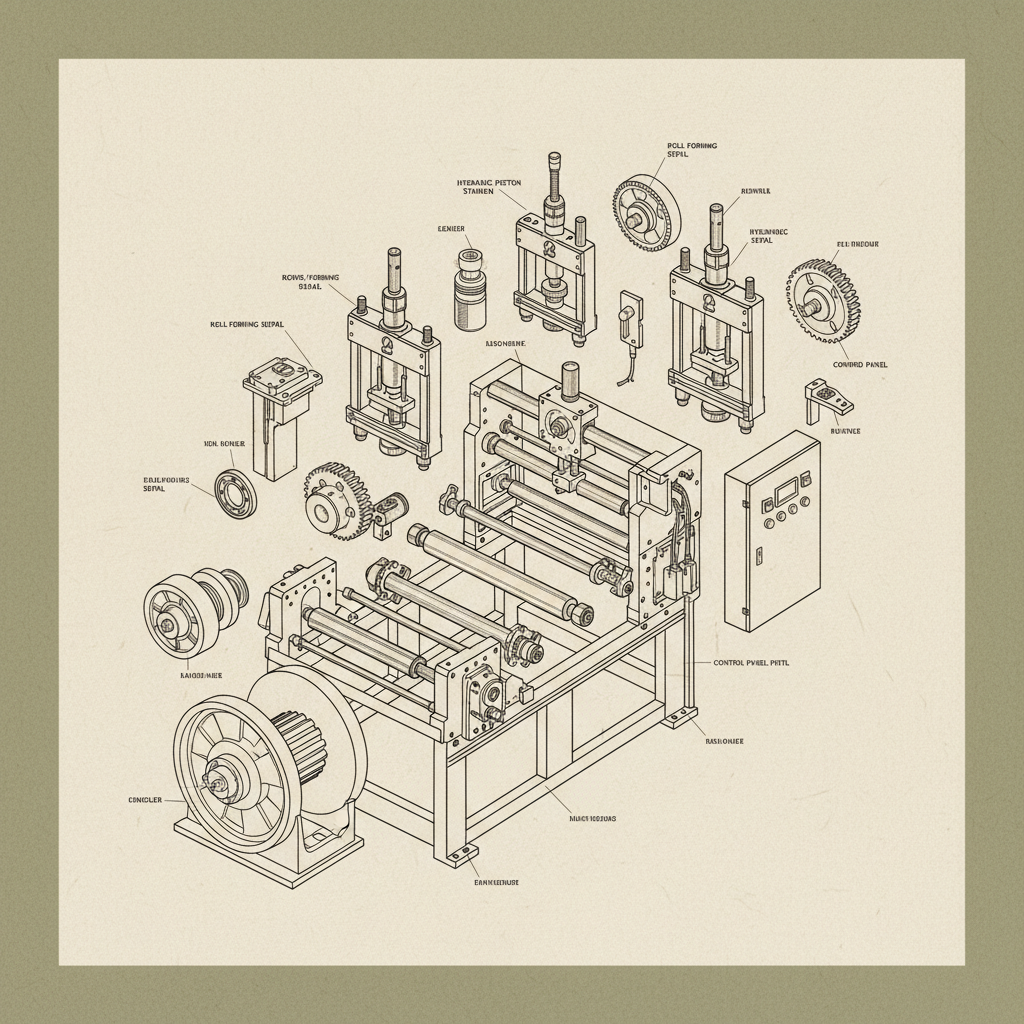
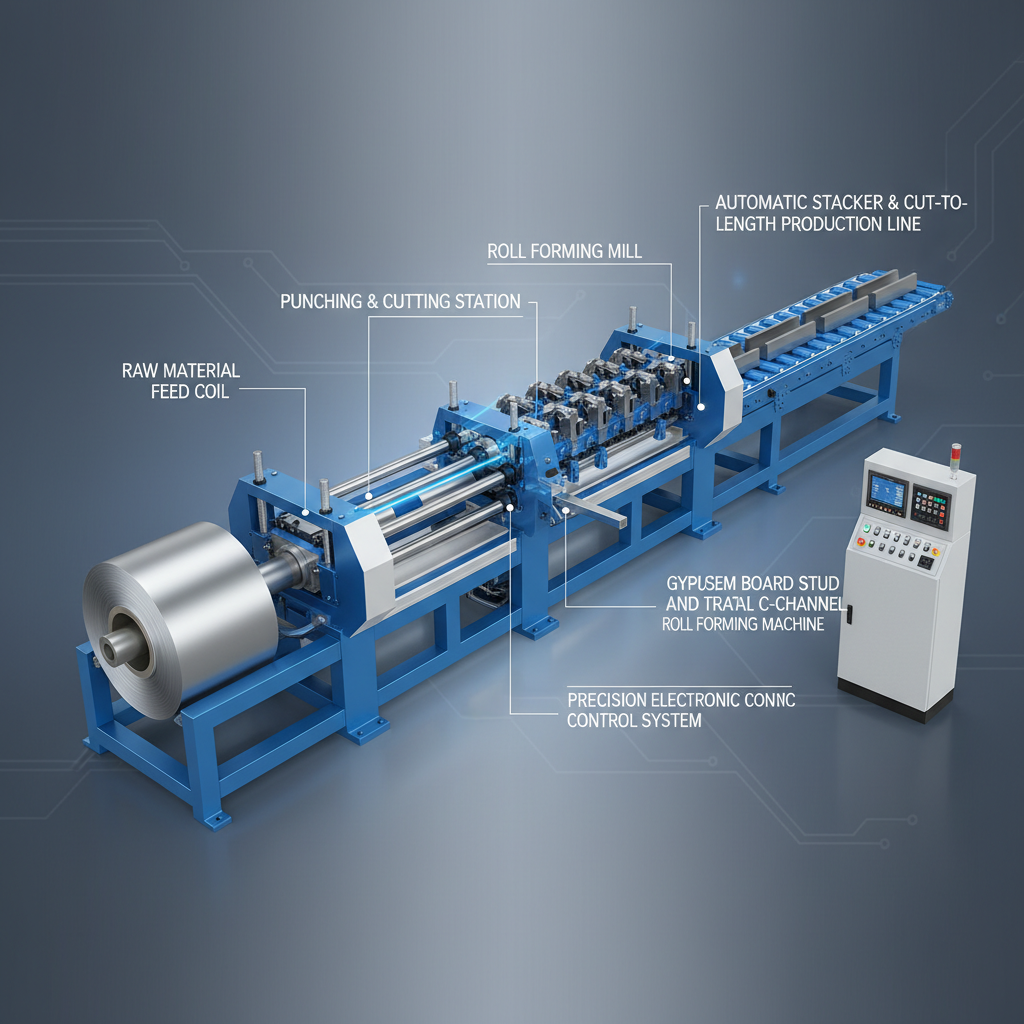
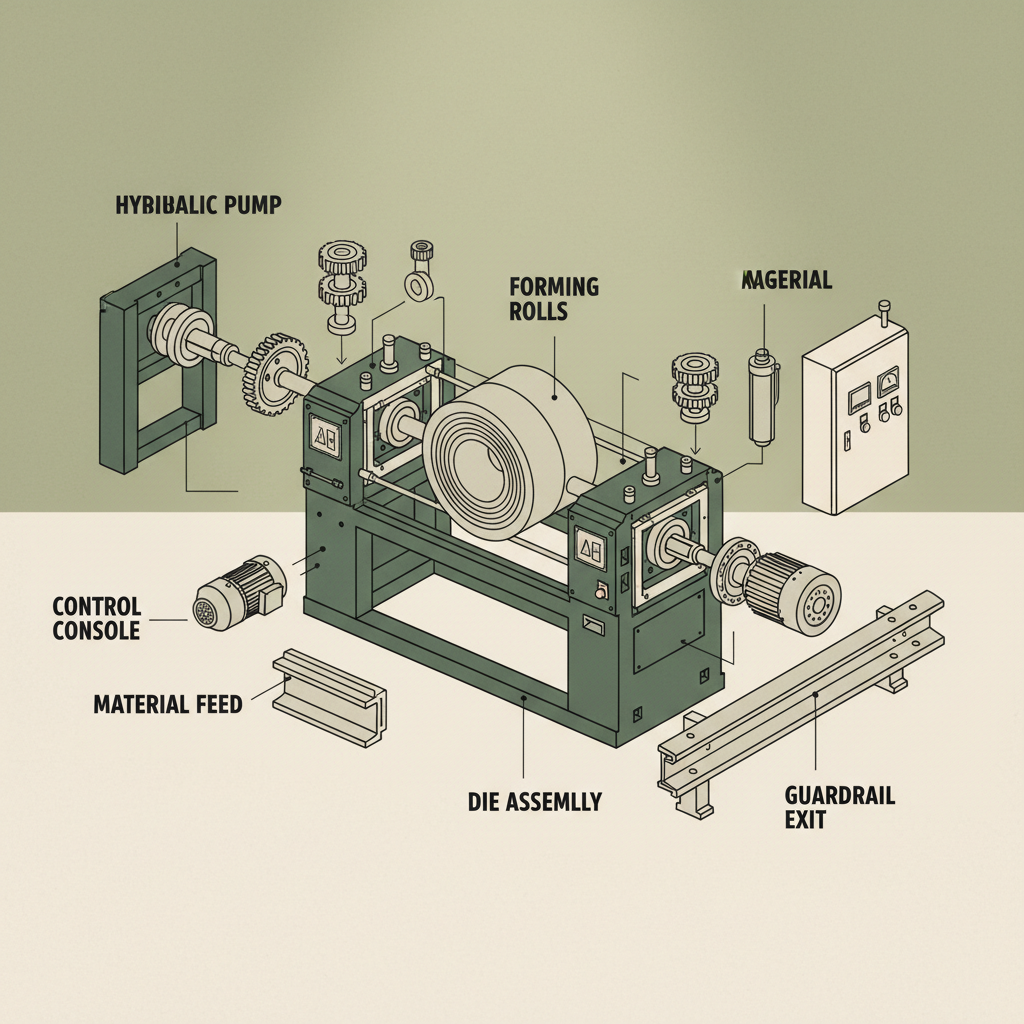
At its core, a u purlin roll forming machine utilizes a series of rollers to progressively bend a flat steel coil into the desired U-shape, creating purlins used for structural support in buildings. The process is continuous, allowing for efficient, high-volume production. Optimizing the roller design, material selection, and machine speed are critical to achieving consistent quality and minimizing material waste.
The fundamental principle revolves around plasticity – the metal's ability to deform permanently without fracturing. Precise control over the force and path of the rollers ensures the steel undergoes controlled deformation, resulting in the accurate and repeatable production of u purlins. This process requires a robust machine frame and precise alignment to maintain consistency and prevent defects.
Global Relevance and Industry Trends
The demand for u purlin roll forming machine is strongly linked to global construction activity, particularly in emerging economies experiencing rapid urbanization and infrastructure development. According to reports from the World Bank, investments in infrastructure are projected to reach trillions of dollars in the coming decades, fueling the demand for efficient building materials and technologies. u purlin roll forming machine plays a vital role in meeting these demands.
A key trend within the industry is the increasing focus on sustainability and green building practices. Cold-formed steel purlins produced by these machines offer a lighter weight alternative to traditional materials like timber or concrete, reducing transportation costs and the overall carbon footprint of construction projects. Furthermore, steel is highly recyclable, contributing to a circular economy.
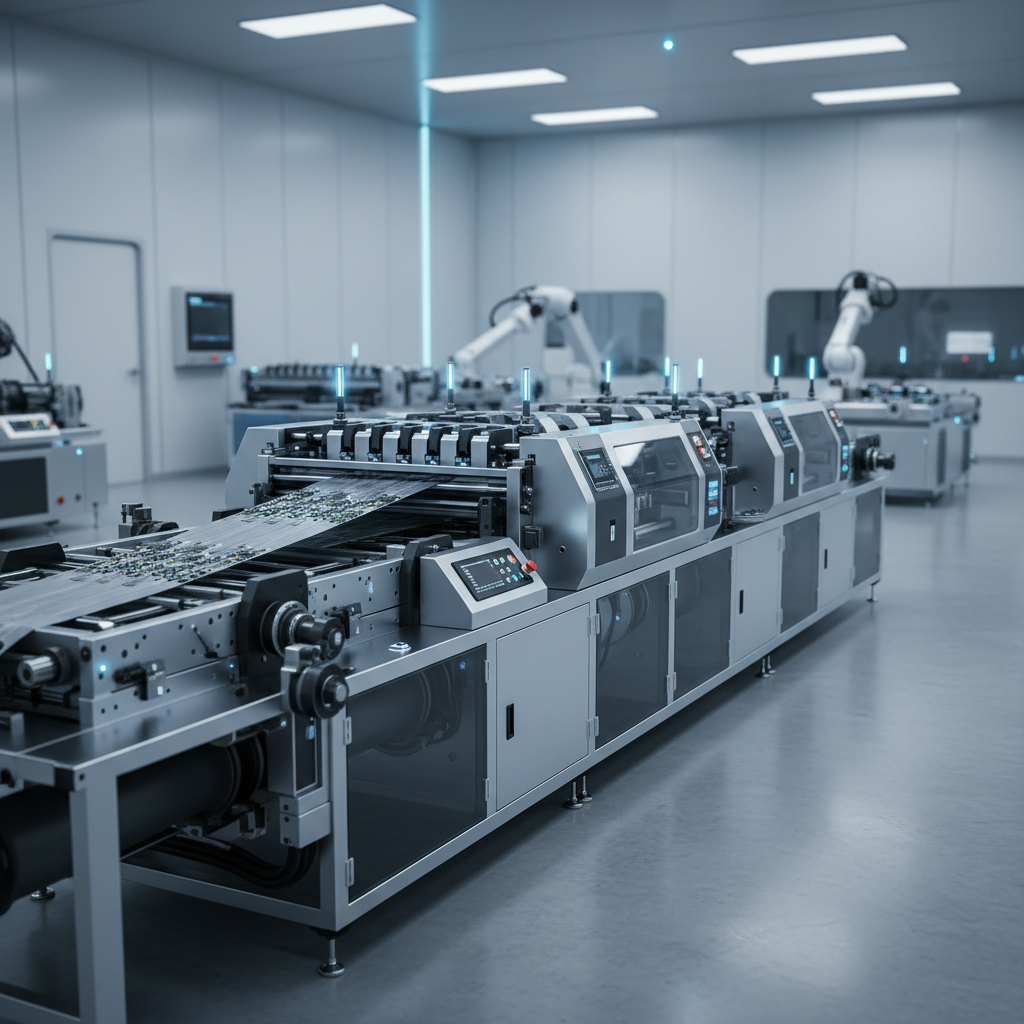
Another significant trend is the integration of automation and digitalization into manufacturing processes. Modern u purlin roll forming machine are increasingly equipped with computer numerical control (CNC) systems and real-time monitoring capabilities, enabling precise control, reduced downtime, and improved product quality. This integration is essential for staying competitive in the evolving market.
Defining u purlin Roll Forming Machine
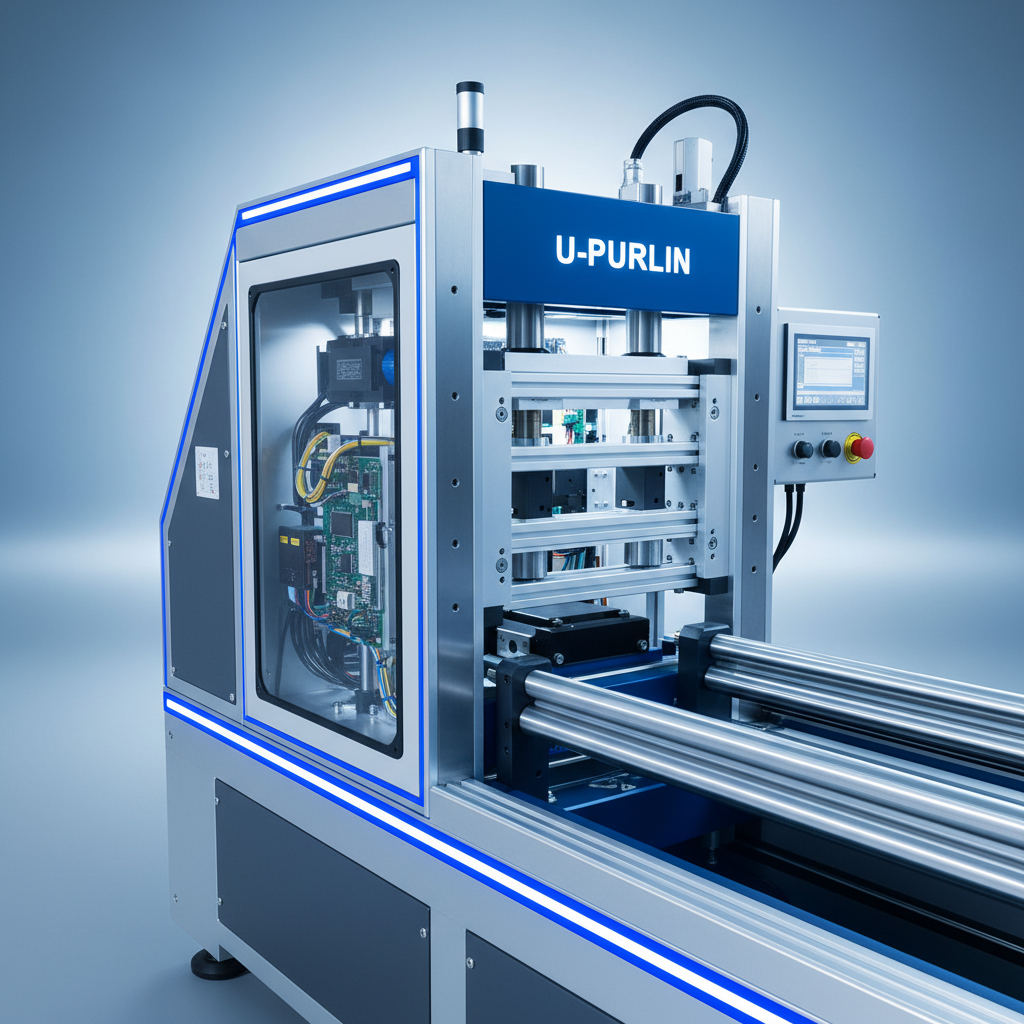
A u purlin roll forming machine is a specialized industrial machine designed to continuously shape flat steel coils into U-shaped profiles, commonly known as purlins. These purlins are essential structural components used in roofing, wall framing, and other building applications, providing support and stability. They are widely favored in both residential and commercial construction.
The connection to modern industry lies in its efficiency and scalability. Unlike traditional fabrication methods which can be labor-intensive and prone to inconsistencies, a u purlin roll forming machine delivers consistent quality and high production rates. This makes it an indispensable tool for meeting the demands of large-scale construction projects.
Its relevance to humanitarian needs, while less direct, arises from its contribution to rapid and affordable housing solutions. Lightweight steel framing, produced by these machines, facilitates the construction of durable and disaster-resistant shelters, particularly in areas prone to natural disasters. This ability to provide safe and stable structures quickly is invaluable in emergency response situations.
Key Factors Influencing Performance
Durability is paramount. A robust machine frame, high-quality rollers, and reliable drive system are essential for withstanding continuous operation and ensuring consistent product quality. Material selection, opting for hardened steel rollers, directly impacts the machine's longevity and ability to handle diverse steel grades.
Scalability is another critical factor. The machine’s capacity to adjust to varying production volumes and purlin sizes is vital for meeting diverse project requirements. Modular designs and quick-change tooling systems enhance scalability, allowing for rapid adaptation to changing customer demands.
Performance Metrics for Different u purlin Roll Forming Machine Methods
Worldwide Applications of u purlin Roll Forming Machine
In North America, u purlin roll forming machine are extensively used in the construction of warehouses, industrial facilities, and agricultural buildings. The speed and efficiency of the process contribute significantly to reduced project timelines and lower construction costs. u purlin roll forming machine are becoming increasingly popular for self-storage facilities.
Across Europe, stringent building codes and a focus on sustainable construction have driven demand for high-quality cold-formed steel purlins. These machines are integral to producing components for energy-efficient buildings and infrastructure projects adhering to strict environmental standards.
Advantages and Long-Term Value Proposition
The primary advantage of using a u purlin roll forming machine is cost efficiency. Reduced material waste, lower labor costs, and faster production times translate into significant savings. Moreover, the lightweight nature of steel purlins reduces transportation costs and simplifies installation.
The long-term value extends beyond immediate cost savings. Steel is a durable and resilient material, ensuring the longevity of structures built with these purlins. This reduces maintenance costs and extends the lifespan of buildings, contributing to a more sustainable and reliable infrastructure.
Future Innovations and Technological Advancements
The integration of Artificial Intelligence (AI) and Machine Learning (ML) is poised to revolutionize u purlin roll forming machine. AI-powered systems can optimize machine parameters in real-time, predict maintenance needs, and improve product quality control.
The exploration of new materials, such as high-strength low-alloy (HSLA) steels and galvanized steel coatings, will further enhance the performance and durability of purlins. Additionally, advancements in automation, including robotic loading and unloading systems, will improve efficiency and reduce the need for manual labor.
Sustainability is a driving force for innovation. Developing machines that minimize energy consumption and reduce waste are crucial steps toward a more eco-friendly manufacturing process, aligning with global efforts to combat climate change.
FAQS
A well-maintained u purlin roll forming machine can typically last for 15-20 years or more, depending on usage, maintenance schedules, and the quality of its components. Regular lubrication, inspection of rollers and drive systems, and timely replacement of worn parts are crucial for extending its lifespan.
Most u purlin roll forming machine are designed to handle galvanized steel, galvalume steel, and prepainted steel coils. The thickness of the coil typically ranges from 0.5mm to 3.0mm, and the width depends on the machine's specifications. It’s essential to verify compatibility with the machine manufacturer.
While modern machines are increasingly automated, some level of operator skill is still required. Operators need to understand machine settings, material properties, and quality control procedures. Basic mechanical aptitude and the ability to troubleshoot minor issues are beneficial.
Standard safety features include emergency stop buttons, safety guards around moving parts, light curtains, and overload protection systems. Proper training and adherence to safety protocols are crucial to prevent accidents and ensure a safe working environment.
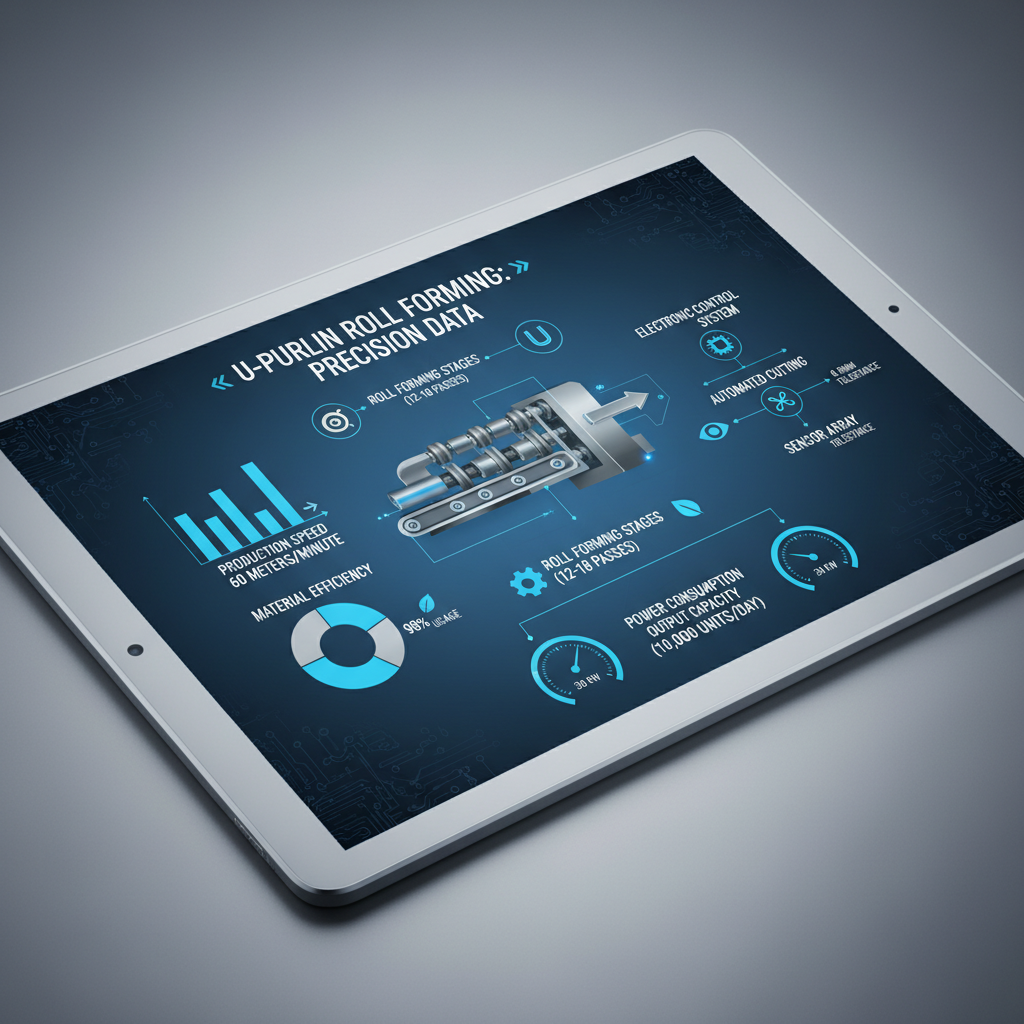
Production speeds vary depending on the machine’s specifications, the thickness and width of the steel coil, and the complexity of the purlin profile. Typical speeds range from 10 to 50 meters per minute, though more advanced machines can achieve even higher speeds.
Power consumption varies significantly based on the machine's size and capacity. A smaller, entry-level machine may consume around 15-20 kW, while larger, high-speed machines can require 50 kW or more. Energy efficiency is an increasing consideration in machine design.
Conclusion
In conclusion, the u purlin roll forming machine represents a critical technology in modern construction and infrastructure development. Its ability to produce high-quality, durable, and cost-effective purlins has made it an indispensable tool for builders and engineers worldwide. The advantages in terms of speed, efficiency, and sustainability are substantial, and its continued evolution promises even greater benefits in the future.
Looking ahead, the integration of advanced technologies like AI and automation will further optimize performance and enhance the value proposition of these machines. Investing in research and development to improve material efficiency, reduce energy consumption, and enhance safety features will be crucial for ensuring that u purlin roll forming machine remain at the forefront of innovation in the construction industry. Visit our website: www.machineyingyee.com