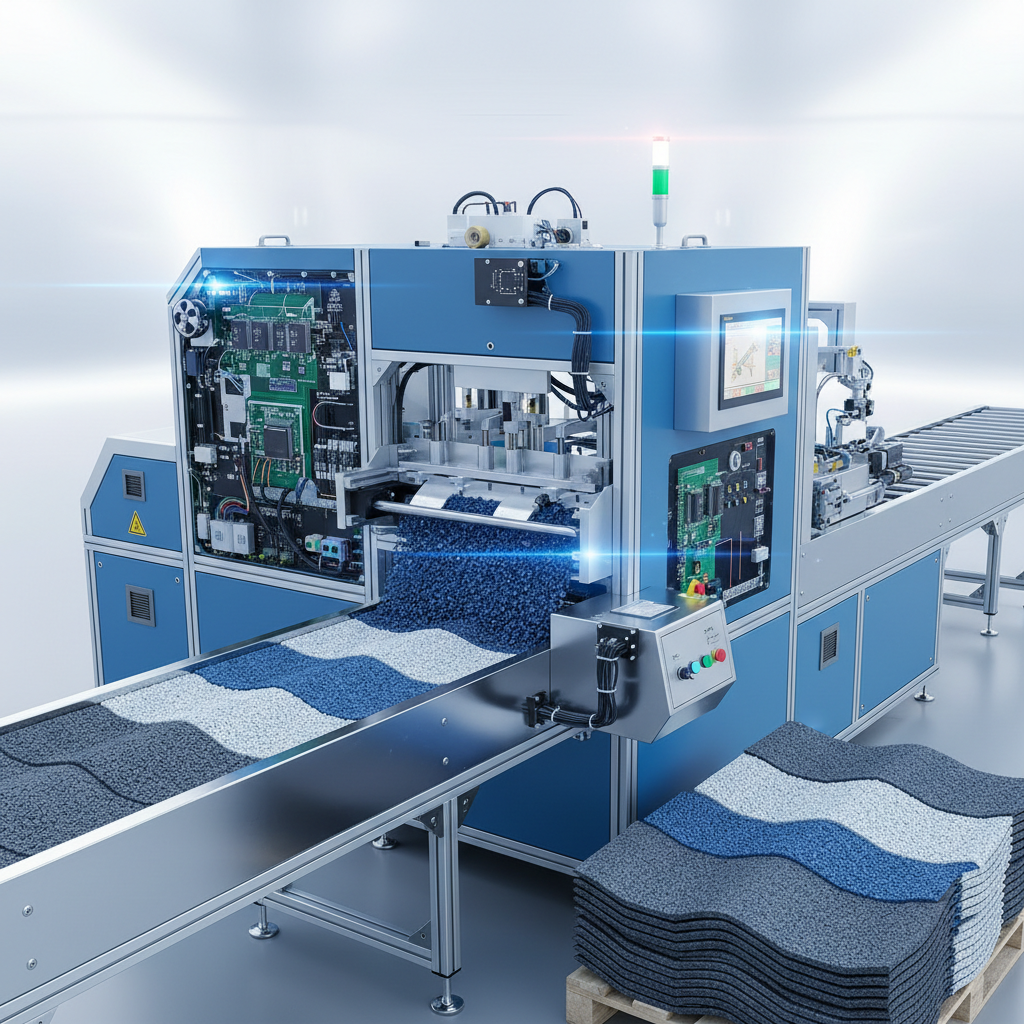
The realm of construction is constantly evolving, driven by demands for efficiency, durability, and cost-effectiveness. Central to this evolution is the roller shutter door forming machine, a pivotal piece of equipment transforming how doors are manufactured and installed globally. These machines aren’t merely tools; they are enablers of streamlined production, impacting everything from residential buildings to industrial complexes and even emergency shelter solutions. Understanding their function, applications, and future potential is crucial for stakeholders across the construction and manufacturing sectors.
The global market for automated door systems, including those reliant on roller shutter technology, is experiencing substantial growth. According to recent reports, the sector is projected to reach billions of dollars in the coming years, fueled by increasing urbanization, infrastructure development, and a growing emphasis on security and energy efficiency. This growth places significant demand on the reliable and efficient production of roller shutter doors, making the roller shutter door forming machine an increasingly vital component in the supply chain.
The core challenge within the door manufacturing industry lies in balancing production speed with quality and customization. Traditional methods often involve labor-intensive processes that can be prone to inconsistencies and delays. A sophisticated roller shutter door forming machine directly addresses this problem by automating key stages of production, ensuring consistent quality, and allowing for faster turnaround times, ultimately contributing to lower costs and increased project efficiency.
Introduction to Roller Shutter Door Forming Machines
The modern construction landscape demands solutions that prioritize both speed and precision. Roller shutter doors, known for their security, durability, and space-saving designs, are increasingly integral to both residential and commercial builds. The roller shutter door forming machine represents a significant advancement in manufacturing these essential components, enabling higher production rates and consistent product quality.
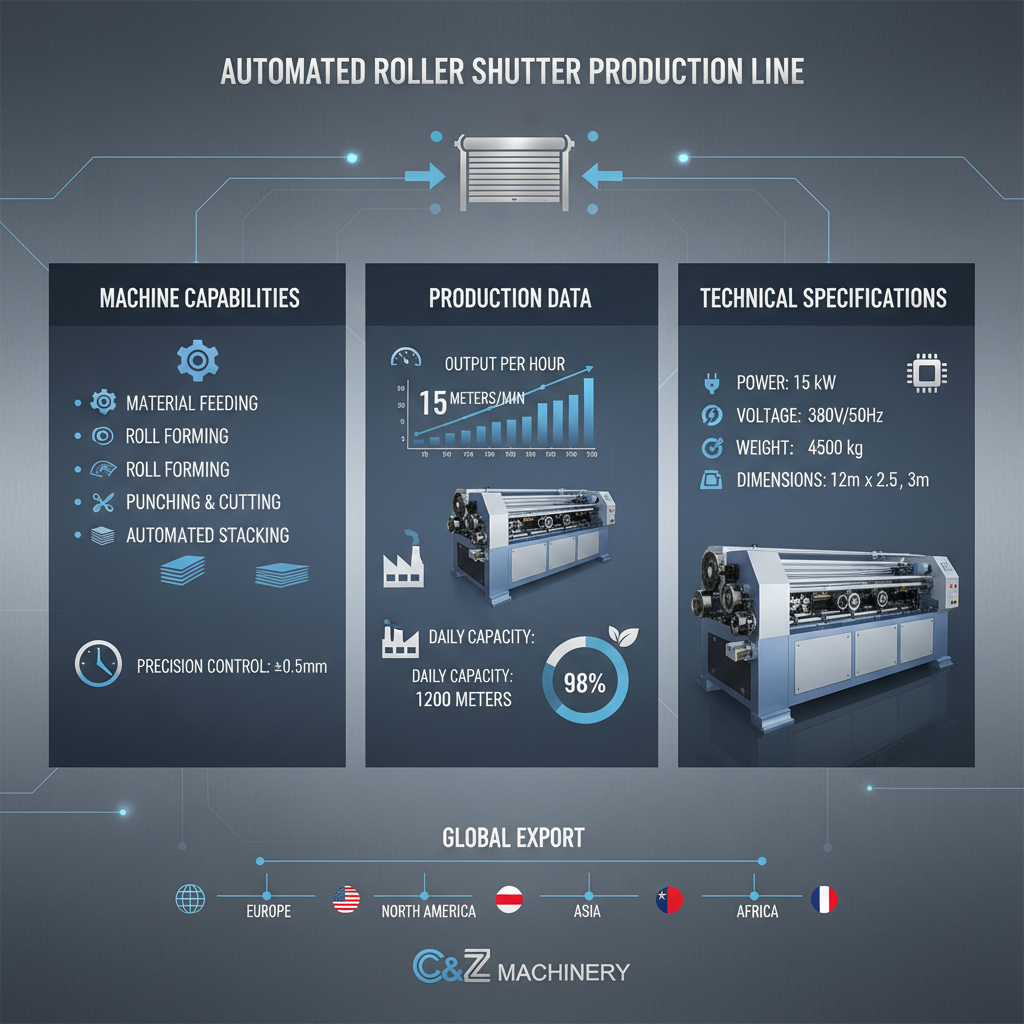
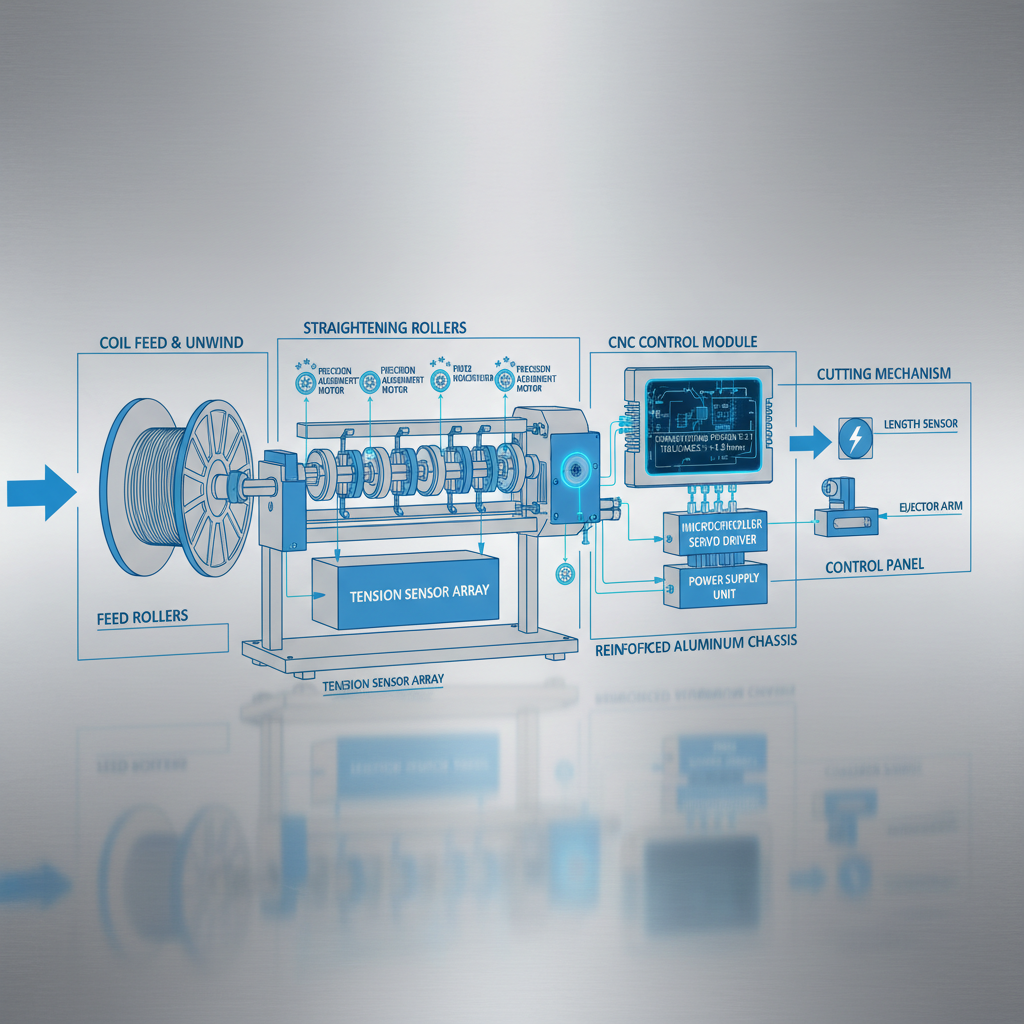
These machines are not simply automated replacements for traditional methods; they incorporate sophisticated technologies such as CNC controls, precision sensors, and automated material handling systems. This integration allows for intricate door designs, customizable specifications, and reduced material waste, offering a compelling value proposition for manufacturers seeking to optimize their operations.
Defining the Roller Shutter Door Forming Machine
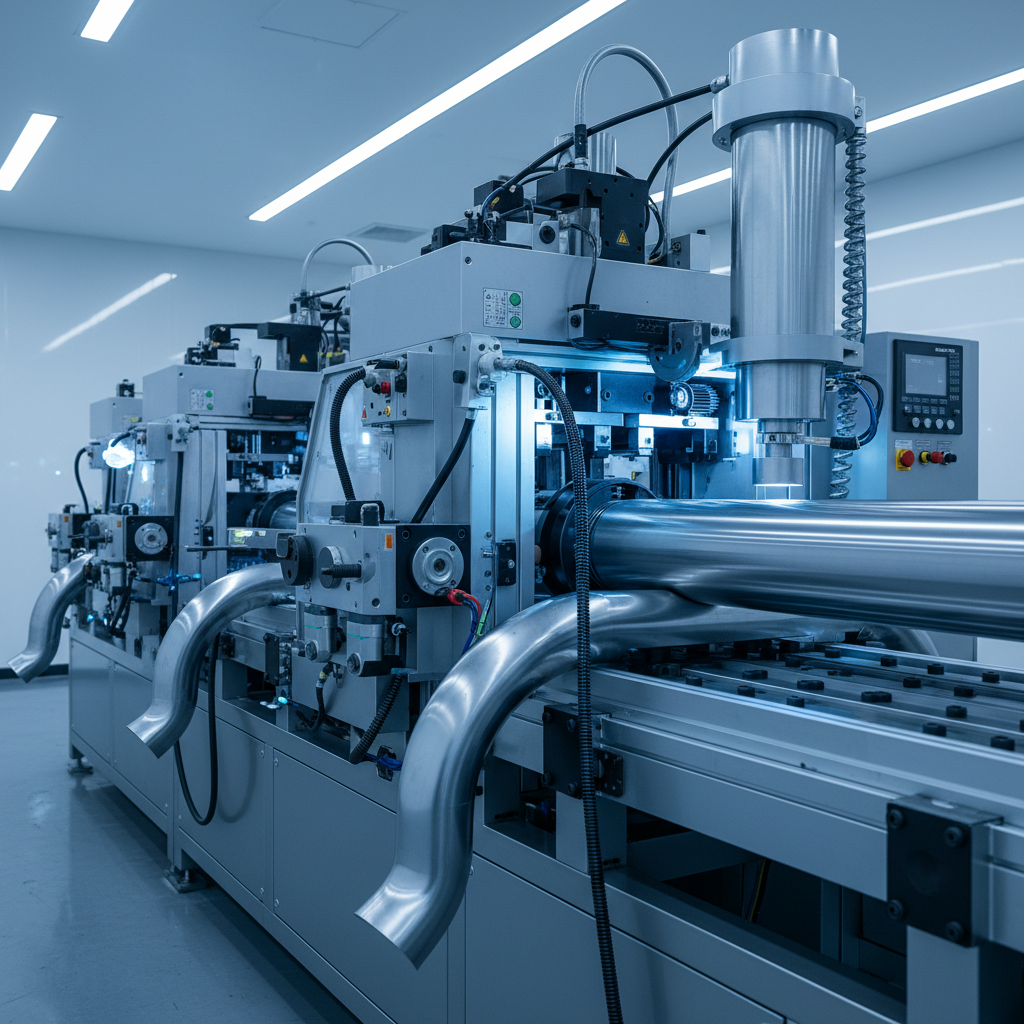
A roller shutter door forming machine is a specialized piece of industrial equipment designed to automate the process of creating the slats, profiles, and components that constitute a roller shutter door. Traditionally, this process involved manual bending, cutting, and assembly, which was both time-consuming and prone to human error. The machine streamlines these steps, utilizing a series of rollers, dies, and automated controls to shape sheet metal (typically steel or aluminum) into the desired profiles.
At its core, the machine takes flat metal coils or sheets and progressively forms them into the curved slats characteristic of roller shutter doors. The process typically involves multiple stages, including pre-profiling, shaping, cutting to length, and sometimes even applying a protective coating. The level of automation can vary, with some machines requiring minimal operator intervention while others necessitate more manual control.
This technology isn’t limited to just residential doors. It plays a critical role in the production of industrial doors, security shutters, and even specialized applications requiring robust and reliable door systems. Its connection to modern industry lies in its ability to improve efficiency, reduce costs, and enhance the quality of these essential building components.
Key Factors of a Quality Machine
When evaluating a roller shutter door forming machine, several key factors determine its overall performance and suitability. Durability is paramount, as these machines operate continuously in demanding industrial environments. Look for robust construction using high-quality steel and components designed for longevity.
Scalability is another critical consideration. Can the machine accommodate different slat widths, thicknesses, and profiles? A versatile machine allows manufacturers to cater to a broader range of customer demands and adapt to changing market trends. The ability to easily adjust tooling and settings is essential for achieving this flexibility.
Cost efficiency extends beyond the initial purchase price. Consider the machine’s energy consumption, maintenance requirements, and the potential for reducing material waste. Automation features that minimize operator intervention can also lead to significant long-term cost savings. Precise control systems are also vital, minimizing scrap and maximizing material utilization.
Applications Across Industries
The applications of roller shutter door forming machines are remarkably diverse. In the construction industry, they are used extensively to produce doors for residential garages, commercial warehouses, and industrial facilities. The speed and precision offered by these machines enable builders to meet tight deadlines and deliver high-quality installations.
The retail sector benefits from these machines in the form of security shutters for storefronts, protecting valuable merchandise and deterring theft. Emergency services often rely on roller shutter doors for fire stations and ambulance bays, ensuring quick and reliable access. Furthermore, the agricultural industry utilizes these doors for securing barns, storage facilities, and livestock shelters.
Roller Shutter Door Forming Machine Efficiency by Method
Advantages and Long-Term Value
Investing in a roller shutter door forming machine offers a multitude of tangible benefits. Reduced labor costs are immediately apparent, as automation minimizes the need for manual intervention. This leads to increased production capacity and faster turnaround times, allowing manufacturers to fulfill orders more efficiently.
Furthermore, the consistent quality produced by these machines enhances brand reputation and customer satisfaction. Reduced material waste contributes to sustainability efforts and lowers overall production expenses. The reliability of modern machines minimizes downtime and ensures continuous operation, maximizing profitability.
Global Applications and Use Cases
Across Europe, manufacturers are utilizing roller shutter door forming machines to meet the demand for energy-efficient building components, particularly in regions with stringent building codes. In North America, these machines are instrumental in producing doors for industrial warehouses and self-storage facilities.
In developing nations, the machines are being deployed to support affordable housing initiatives and provide secure building solutions in areas prone to natural disasters. This includes providing quickly manufactured and easily installed shutters for emergency shelters and temporary housing.
Furthermore, in remote industrial zones, where skilled labor may be scarce, these machines provide a reliable means of producing essential building components locally, reducing reliance on costly imports and supporting economic development.
Future Trends & Innovations
The future of roller shutter door forming machines is geared towards even greater automation and integration with digital technologies. Predictive maintenance systems, powered by IoT sensors, will enable proactive servicing and minimize downtime. Machine learning algorithms will optimize production parameters in real-time, maximizing efficiency and reducing waste.
The incorporation of sustainable materials, such as recycled aluminum and bio-based polymers, will further enhance the environmental footprint of roller shutter doors. The development of more versatile machines capable of producing a wider range of door profiles and designs will also be a key trend.
Finally, the integration of digital twin technology will allow manufacturers to simulate production processes and optimize machine performance virtually, reducing the need for costly physical experimentation and accelerating innovation.
Summary of Key Factors Influencing Roller Shutter Door Forming Machine Performance
| Machine Type |
Automation Level |
Material Compatibility |
Production Capacity (Doors/Hour) |
| Basic Mechanical |
Low (Manual Operation) |
Steel, Aluminum |
5-10 |
| Semi-Automatic |
Medium (Assisted Forming) |
Steel, Aluminum, Some Composites |
10-20 |
| Fully Automatic |
High (CNC Controlled) |
Steel, Aluminum, Composites, PVC |
20-40 |
| High-Speed Automatic |
Very High (Fully Integrated) |
Steel, Aluminum, Specialized Alloys |
40-60 |
| Modular Automatic |
Medium-High (Configurable) |
Wide Range of Materials |
15-30 |
| Digital Twin Enabled |
Very High (AI-Optimized) |
All Standard Materials |
30-50 |
FAQS
A well-maintained roller shutter door forming machine can have a lifespan of 10-20 years, depending on usage, the quality of components, and the frequency of preventative maintenance. Regular lubrication, cleaning, and timely replacement of worn parts are crucial for maximizing longevity. Choosing a machine from a reputable manufacturer with readily available spare parts also significantly extends its operational life.
Operating a roller shutter door forming machine typically requires training in basic machine operation, safety protocols, and troubleshooting common issues. Maintenance training should cover lubrication procedures, component replacement, and preventative maintenance schedules. Manufacturers usually provide training programs, and specialized courses are also available. Skilled technicians are often needed for complex repairs or adjustments.
The floor space requirement varies based on the machine’s size and level of automation. Smaller, semi-automatic machines might require around 50-100 square meters, while fully automatic, high-capacity machines can necessitate 200 square meters or more. It’s important to consider space for material storage, machine access for maintenance, and product handling.
Modern roller shutter door forming machines incorporate numerous safety features, including emergency stop buttons, safety guards and interlocks to prevent access to moving parts, light curtains to detect obstructions, and overload protection systems. Adhering to safety standards and providing proper operator training are essential for ensuring a safe working environment. Regular safety inspections are also crucial.
The most common materials are galvanized steel and aluminum, offering a balance of strength, durability, and corrosion resistance. Other materials like stainless steel, PVC, and composite materials are also used for specialized applications. The choice of material depends on factors such as cost, climate, and the desired level of security and insulation.
While the initial investment in a roller shutter door forming machine is significant, the long-term cost savings typically outweigh manual production costs. Automation reduces labor requirements, minimizes material waste, and increases production speed, leading to lower per-unit costs. Furthermore, consistent quality and reduced defect rates contribute to increased profitability.
Conclusion
In conclusion, the roller shutter door forming machine stands as a cornerstone of modern door manufacturing. Its capacity to elevate production efficiency, ensure consistent quality, and adapt to diverse industry needs makes it an invaluable asset for businesses across the globe. Understanding its core components, applications, and emerging trends is essential for staying competitive in a rapidly evolving market.
Looking ahead, continued innovation in automation, material science, and digital integration will further enhance the capabilities of these machines. Investing in these technologies not only boosts profitability but also contributes to a more sustainable and resilient construction industry. For reliable roller shutter door forming machine solutions and expert guidance, visit our website today.