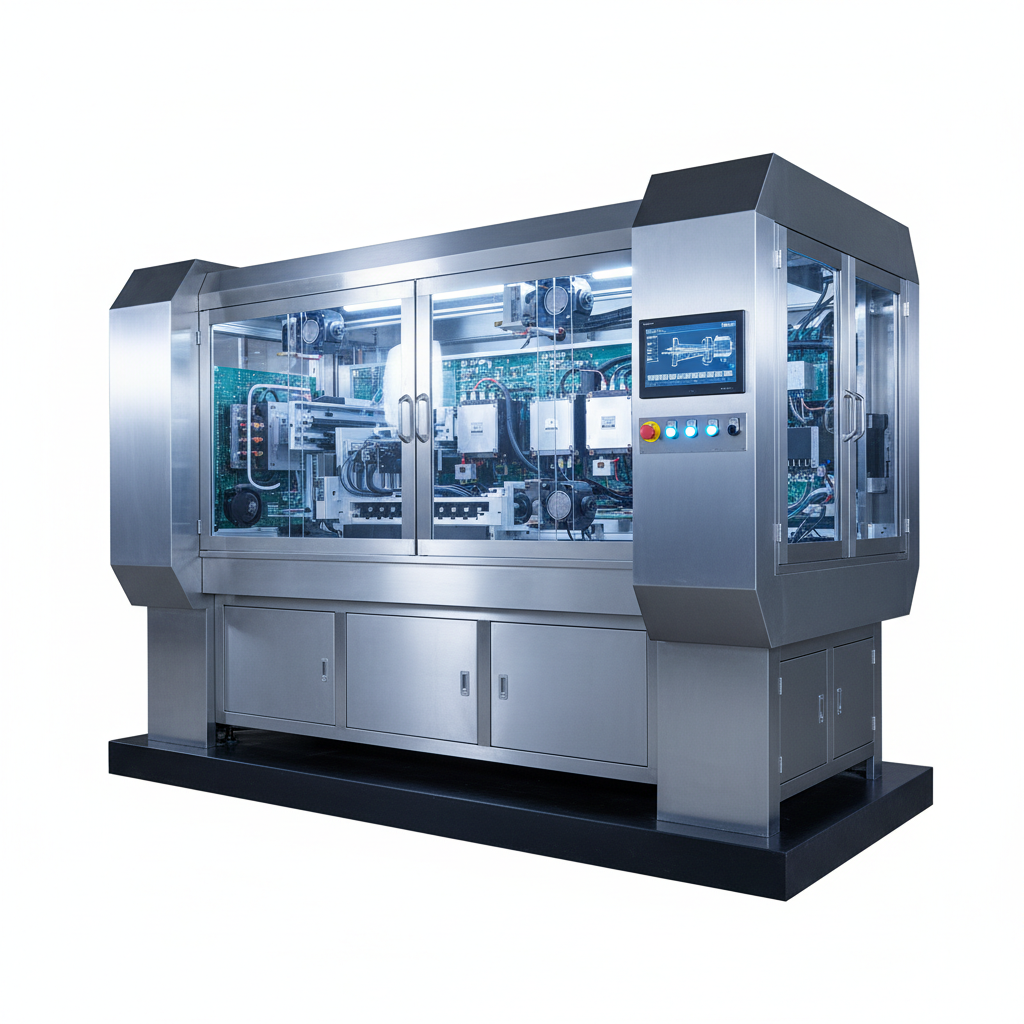
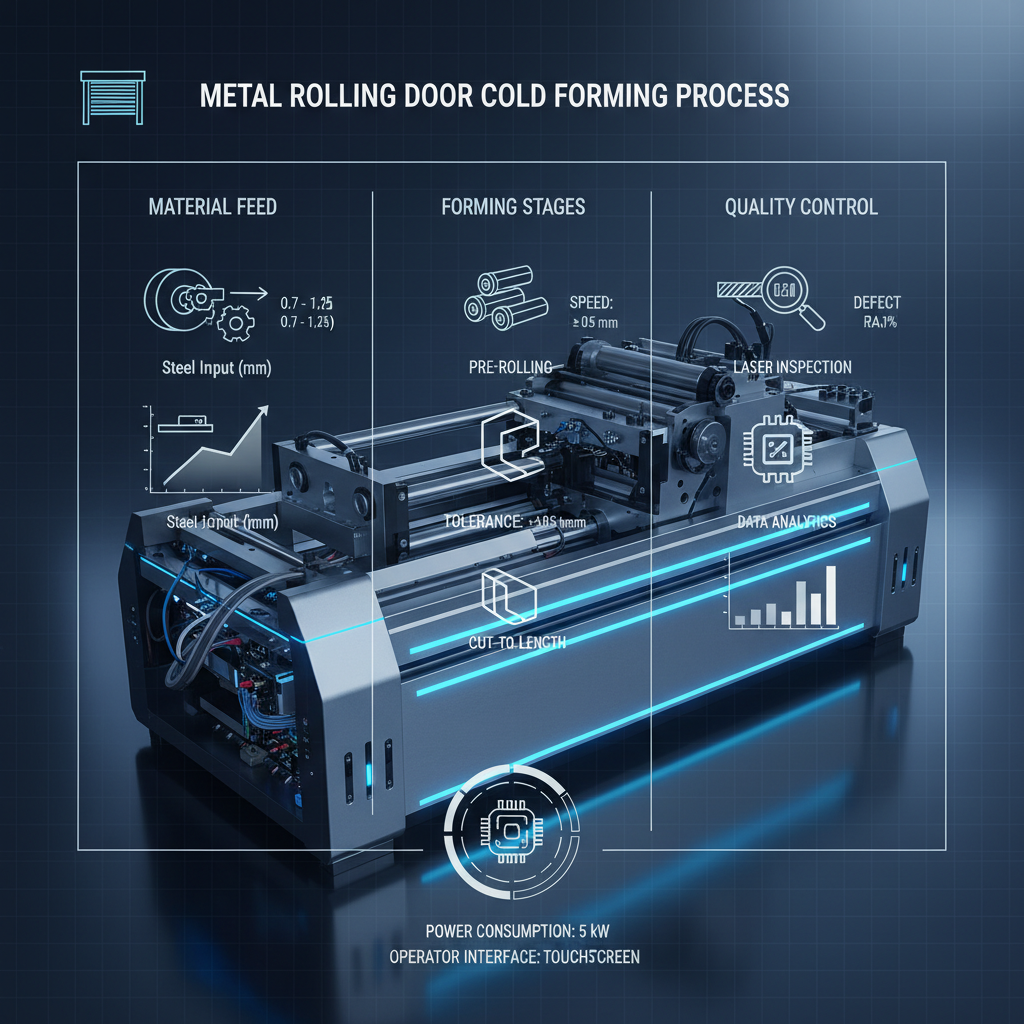
The global demand for efficient and reliable building materials is continuously growing, particularly in sectors requiring robust security and durability. The metal rolling door cold forming machine represents a critical solution for manufacturers aiming to meet this demand, offering a cost-effective and scalable production process for high-quality rolling doors. This technology is increasingly essential in construction, industrial facilities, and commercial buildings worldwide.
The significance of the metal rolling door cold forming machine extends beyond simple production efficiency. It addresses the need for quick and adaptable manufacturing processes in a dynamic market. With growing emphasis on security and weather resistance, the demand for reliable rolling doors is anticipated to rise, making this machine a crucial component in modern manufacturing landscapes. Investing in this technology allows businesses to respond swiftly to market changes and maintain a competitive edge.
Understanding the intricacies of metal rolling door cold forming machinery—from its core components to its practical applications—is paramount for professionals in the construction, manufacturing, and building materials industries. Mastering this technology not only improves production efficiency but also ensures the delivery of secure, durable, and high-quality rolling door systems to a global market.
Introduction to Metal Rolling Door Cold Forming Machines
A metal rolling door cold forming machine is a specialized piece of manufacturing equipment designed to produce the components of rolling doors through a process of cold forming. This method uses dies and rollers to shape metal sheets into the required profiles without heating, ensuring material integrity and energy efficiency. The process itself is integral to creating durable and precisely engineered rolling door systems.
These machines are pivotal in streamlining the production of rolling doors, offering significant advantages over traditional methods like cutting and welding. By utilizing cold forming, manufacturers can achieve higher production rates, reduce material waste, and create more consistent product quality, meeting the ever-increasing demands of the construction and security industries.
Global Relevance and Market Dynamics
The demand for rolling doors is globally significant, driven by the need for security in commercial and residential buildings, as well as industrial facilities requiring secure access points. According to industry reports, the global rolling door market is projected to reach substantial growth in the coming years, with Asia-Pacific and North America representing key growth regions. This growth is fueled by increasing construction activity and a heightened focus on security measures worldwide.
Statistics from the World Bank indicate a consistent rise in infrastructure development, particularly in emerging economies, directly impacting the demand for building materials like rolling doors. The ISO standards for security doors, continually evolving to address new threats, necessitate advanced manufacturing technologies like the metal rolling door cold forming machine to meet stringent quality and performance requirements.
A significant challenge lies in balancing cost-effectiveness with product quality and durability. Traditional manufacturing methods can be labor-intensive and prone to inconsistencies. The metal rolling door cold forming machine addresses this challenge by offering a precise, efficient, and scalable production solution.
Defining Metal Rolling Door Cold Forming Technology
Metal rolling door cold forming technology is a manufacturing process where metal sheets – typically steel or aluminum – are passed through a series of rollers and dies to achieve the desired shape and profile. Unlike hot forming, this process is performed at room temperature, preserving the metal's strength and minimizing oxidation. This technique is particularly well-suited for producing the slats, guides, and other components that make up a rolling door system.
This process is inextricably linked to modern industry, allowing for the mass production of complex shapes with a high degree of accuracy and consistency. It addresses the humanitarian need for secure and durable infrastructure, particularly in regions prone to natural disasters or requiring enhanced security measures. The technology's ability to create robust structures from readily available materials makes it invaluable in a variety of applications.
The efficiency of the cold forming process translates to significant cost savings for manufacturers, allowing them to offer competitive pricing without compromising on quality. Moreover, the environmentally friendly nature of cold forming – reduced energy consumption and minimal waste – aligns with growing sustainability concerns in the construction industry.
Key Operational Factors and Components
The operational success of a metal rolling door cold forming machine hinges on several key factors. These include the quality of the raw materials used (typically galvanized steel or aluminum), the precision of the dies and rollers, and the expertise of the machine operators. Maintaining optimal machine settings and regular maintenance are crucial for ensuring consistent product quality and minimizing downtime.
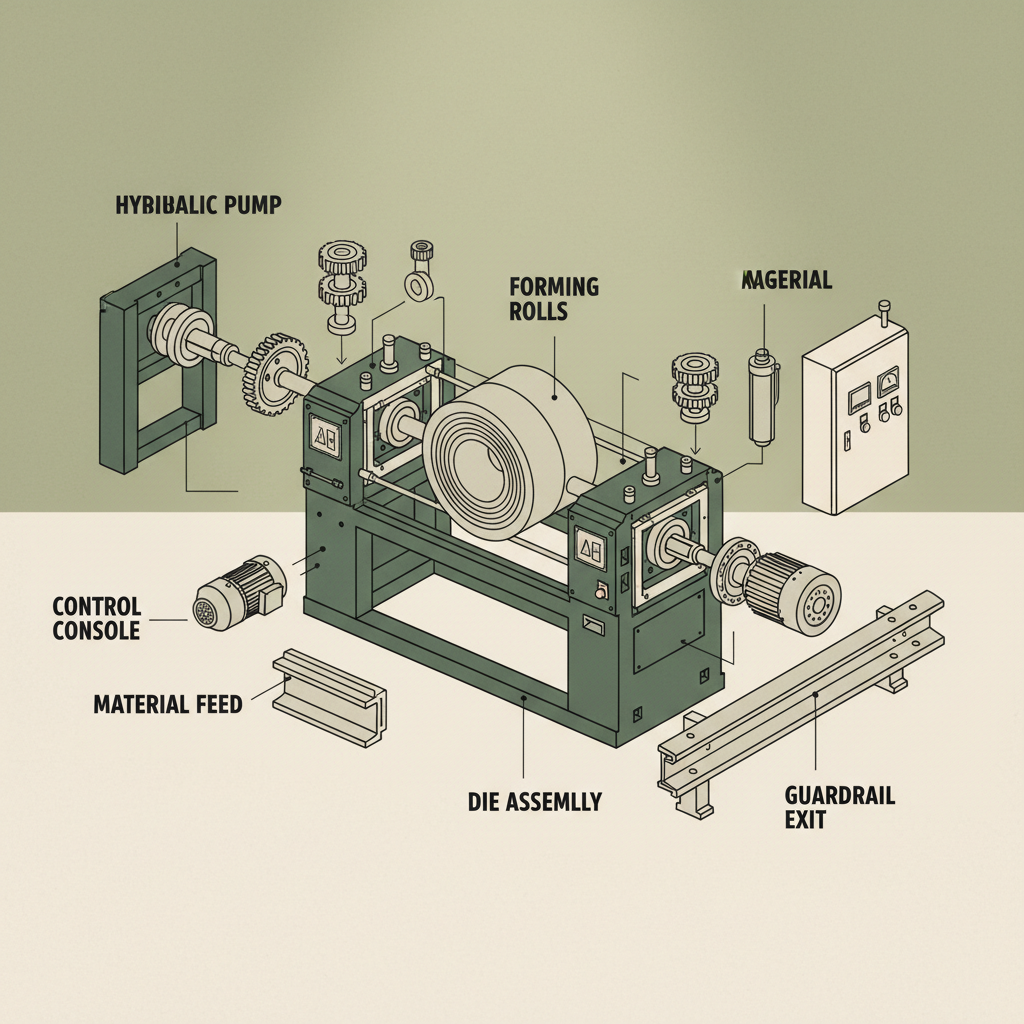
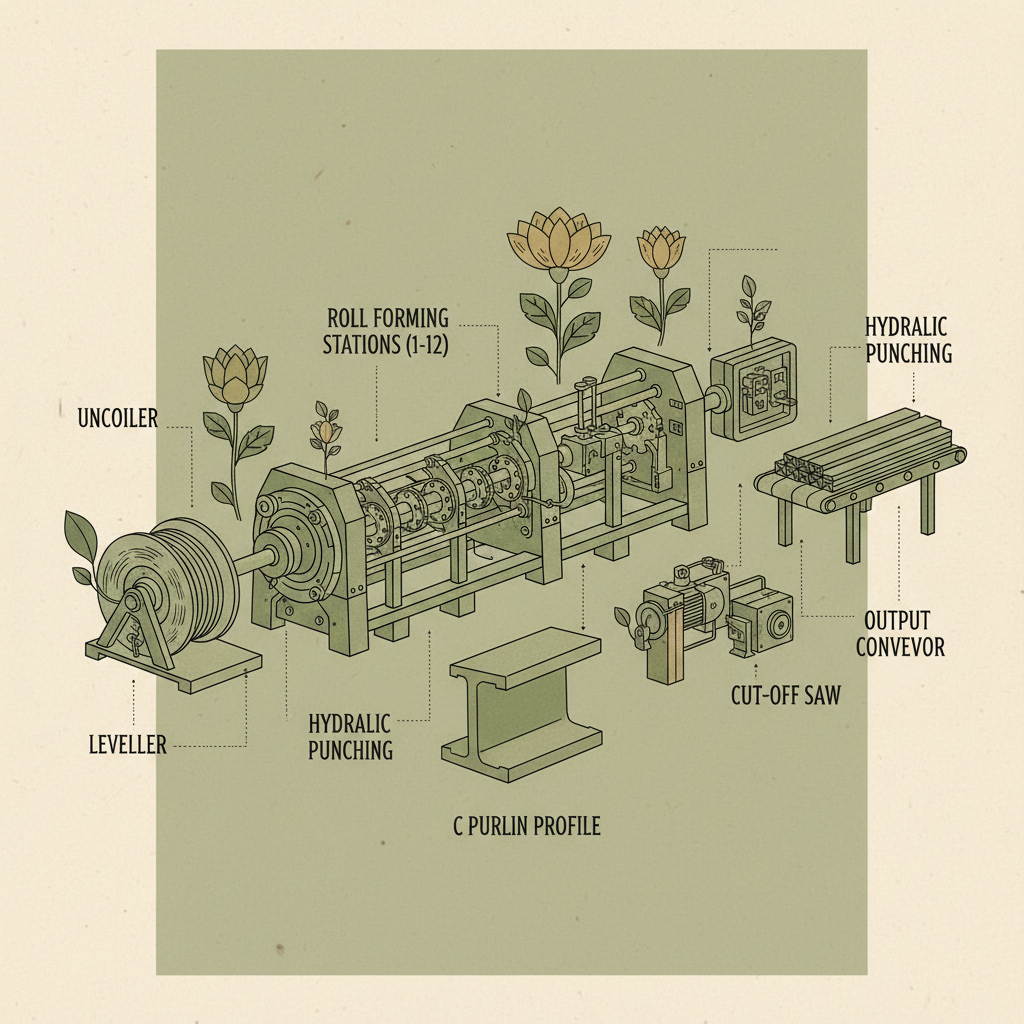
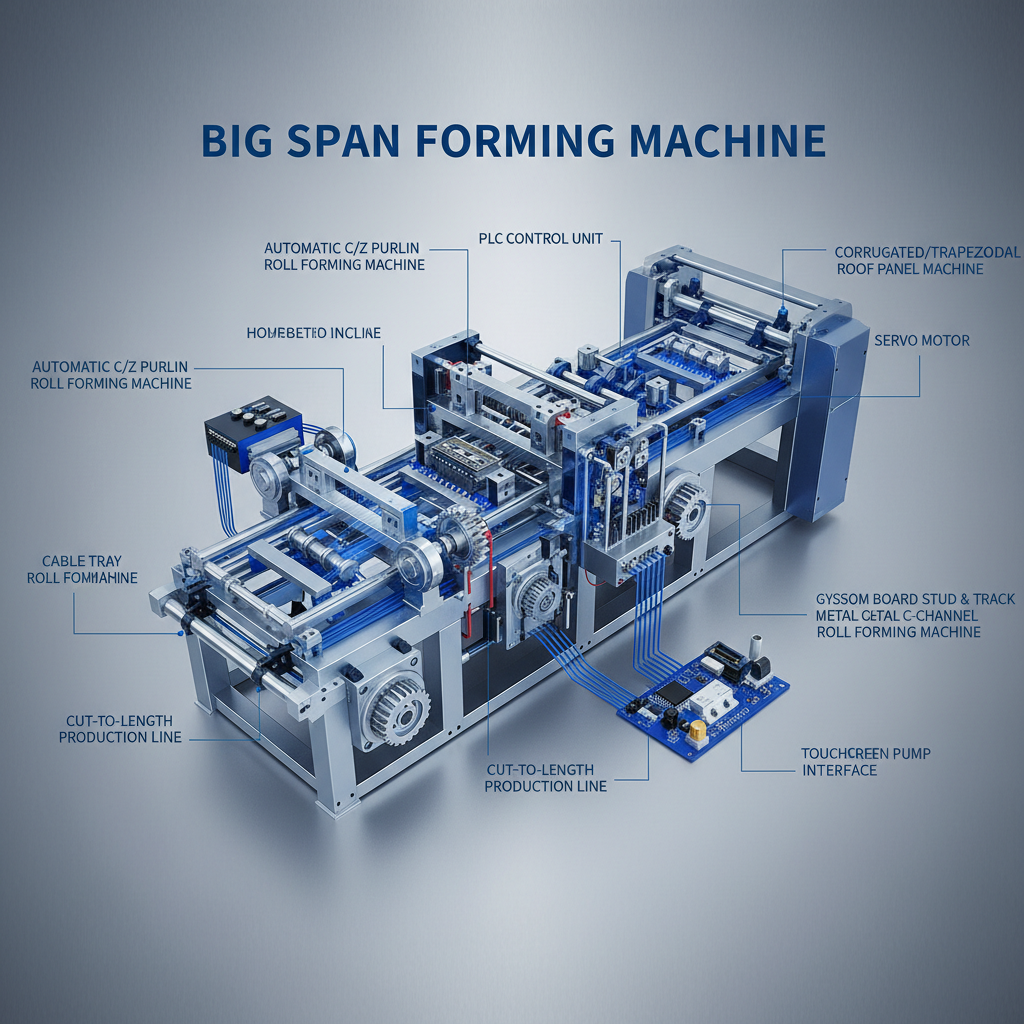
The core components of these machines typically include an uncoiler to feed the metal sheet, a leveling unit to ensure flatness, a series of forming rollers arranged in a cascade to progressively shape the metal, a cutting mechanism to precisely size the finished profiles, and a control system to manage the entire process. Understanding the interplay of these components is essential for maximizing efficiency and producing high-quality rolling door components.
Component Performance Impact on Metal Rolling Door Cold Forming Machine Output
Real-World Applications and Use Cases
Metal rolling door cold forming machines are used extensively in a variety of sectors. In the construction industry, they provide the means to manufacture rolling doors for commercial buildings, warehouses, and retail spaces. Industrial facilities utilize these doors for secure access control and to protect valuable equipment.
These machines are also integral to supplying rolling doors for self-storage facilities, fire stations, and residential garages. In post-disaster relief operations, quickly deployable rolling door systems offer a secure and reliable solution for temporary shelters and essential infrastructure protection. Furthermore, remote industrial zones often rely on these machines to produce localized building materials, reducing transportation costs and ensuring timely project completion.
Advantages and Long-Term Value Proposition
The advantages of utilizing a metal rolling door cold forming machine are numerous and substantial. The primary benefit is cost reduction, achieved through increased production speed, reduced material waste, and lower labor requirements. Sustainability is also a key advantage, as cold forming consumes less energy compared to traditional hot forming methods.
Beyond the economic and environmental benefits, these machines provide significant value in terms of product reliability and durability. Cold-formed rolling doors exhibit superior strength and resistance to corrosion, ensuring long-term performance and minimizing maintenance costs. This translates to enhanced safety and security for building occupants, fostering trust and peace of mind. The innovation inherent in this technology allows manufacturers to consistently deliver high-quality products, building a strong reputation and fostering customer loyalty.
Future Trends and Technological Innovations
The future of metal rolling door cold forming technology is poised for significant advancements. Automation and robotics are increasingly being integrated into machine designs, enhancing efficiency, precision, and reducing the need for manual labor. The adoption of advanced materials, such as high-strength alloys and composite materials, will further improve the performance and durability of rolling doors.
Digital transformation is also playing a critical role, with the development of smart machines that utilize sensors and data analytics to optimize production processes and predict maintenance needs. Sustainable manufacturing practices, including energy-efficient machine designs and the use of recycled materials, will become increasingly important as environmental regulations tighten and consumer demand for eco-friendly products grows.
Integration with Building Information Modeling (BIM) software and digital twins can allow for virtual prototyping and simulation of rolling door systems, accelerating the design process and improving overall project efficiency.
FAQS
The lifespan of rolling doors created with a metal rolling door cold forming machine varies depending on material quality, environmental conditions, and maintenance. However, properly maintained doors generally last between 20-30 years or more. High-quality galvanized steel and consistent cold forming techniques are key to maximizing longevity. Regular inspections and lubrication are also vital to prevent premature wear and tear and ensure continued smooth operation, minimizing potential replacement costs over time.
While modern machines are becoming increasingly automated, a moderate level of operator skill is still necessary. Operators need to understand the machine’s controls, perform routine maintenance, and monitor the production process for quality control. Training programs are generally provided by machine manufacturers to ensure operators are proficient in setup, operation, and troubleshooting. Basic mechanical aptitude and a willingness to learn are crucial for maximizing efficiency and minimizing downtime.
The most commonly used metals are galvanized steel and aluminum. Galvanized steel provides excellent strength and corrosion resistance, making it ideal for many applications. Aluminum is favored for its lightweight properties and resistance to rust. The choice of metal depends on the specific application and budget. Other alloys can also be used, depending on the desired properties of the finished rolling door, but they require careful consideration of the cold forming process and material compatibility.
Production capacity varies significantly based on the machine’s size, automation level, and the complexity of the rolling door profiles. However, a typical machine can produce anywhere from 50 to 200+ meters of rolling door profiles per hour. Automated systems with multiple forming stations generally achieve higher production rates. Understanding the specific requirements of your production volume is essential for selecting the right machine.
Safety is paramount when operating this equipment. Essential measures include installing safety guards around moving parts, providing proper training to operators, implementing lockout/tagout procedures during maintenance, and wearing appropriate personal protective equipment (PPE), such as safety glasses and gloves. Regular safety inspections and adherence to manufacturer guidelines are crucial for preventing accidents and ensuring a safe working environment. Emergency stop mechanisms should be readily accessible.
Automation significantly enhances the ROI of a metal rolling door cold forming machine by reducing labor costs, increasing production speed, and improving product consistency. Automated systems require less manual intervention, minimizing errors and waste. The initial investment in automation is offset by long-term cost savings and increased profitability. Furthermore, automated machines can operate for longer hours with reduced operator fatigue, maximizing overall output and maximizing the return on investment.
Conclusion
In conclusion, the metal rolling door cold forming machine represents a vital piece of technology for manufacturers seeking to produce high-quality, durable, and secure rolling doors efficiently and cost-effectively. From its global relevance in construction and security to its ability to address challenges in material production and sustainability, this machine plays a critical role in modern infrastructure development. By understanding the core components, applications, and future trends associated with this technology, businesses can position themselves for success in a rapidly evolving market.
Looking ahead, continued innovation in automation, materials science, and digital integration will further enhance the capabilities of metal rolling door cold forming machines. Investing in this technology is not merely an operational upgrade; it's a strategic move toward a more resilient, sustainable, and secure future. Visit our website at www.machineyingyee.com to learn more about our comprehensive range of metal rolling door cold forming solutions.