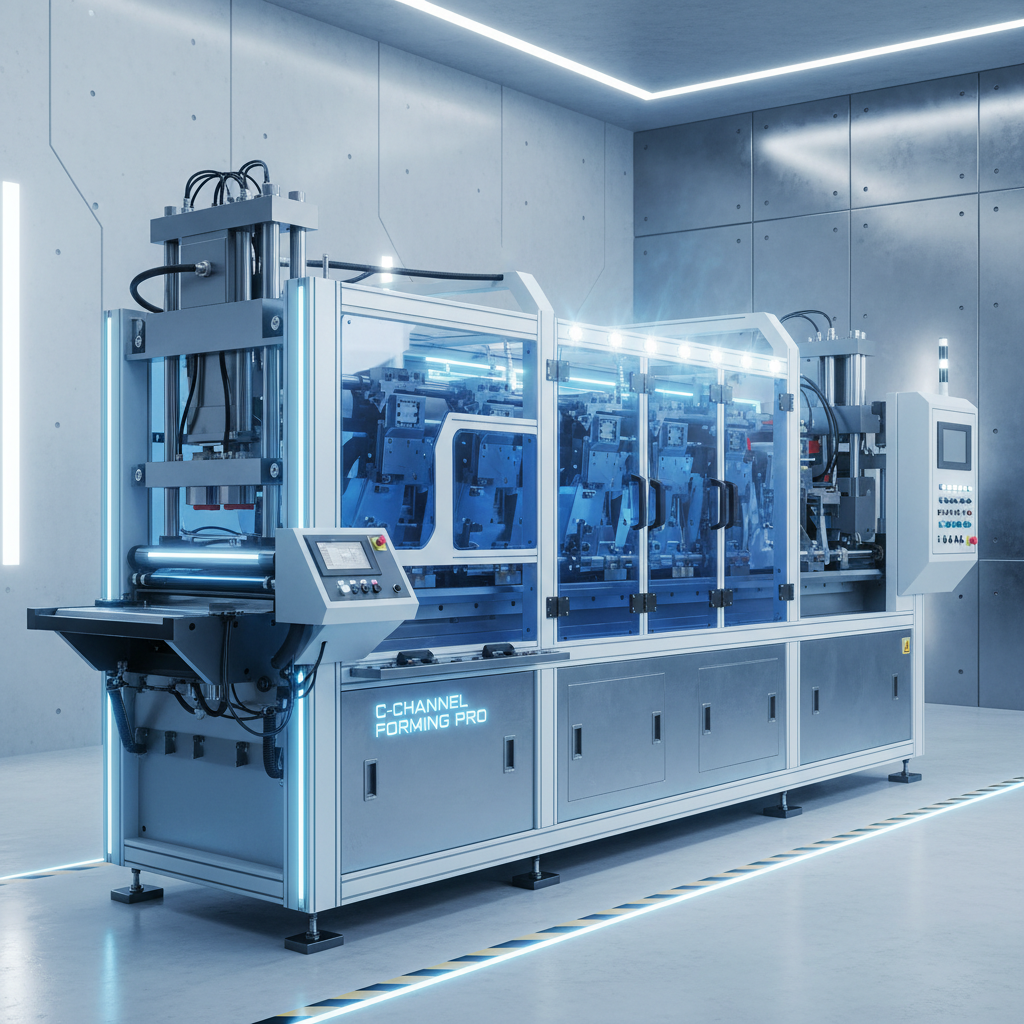
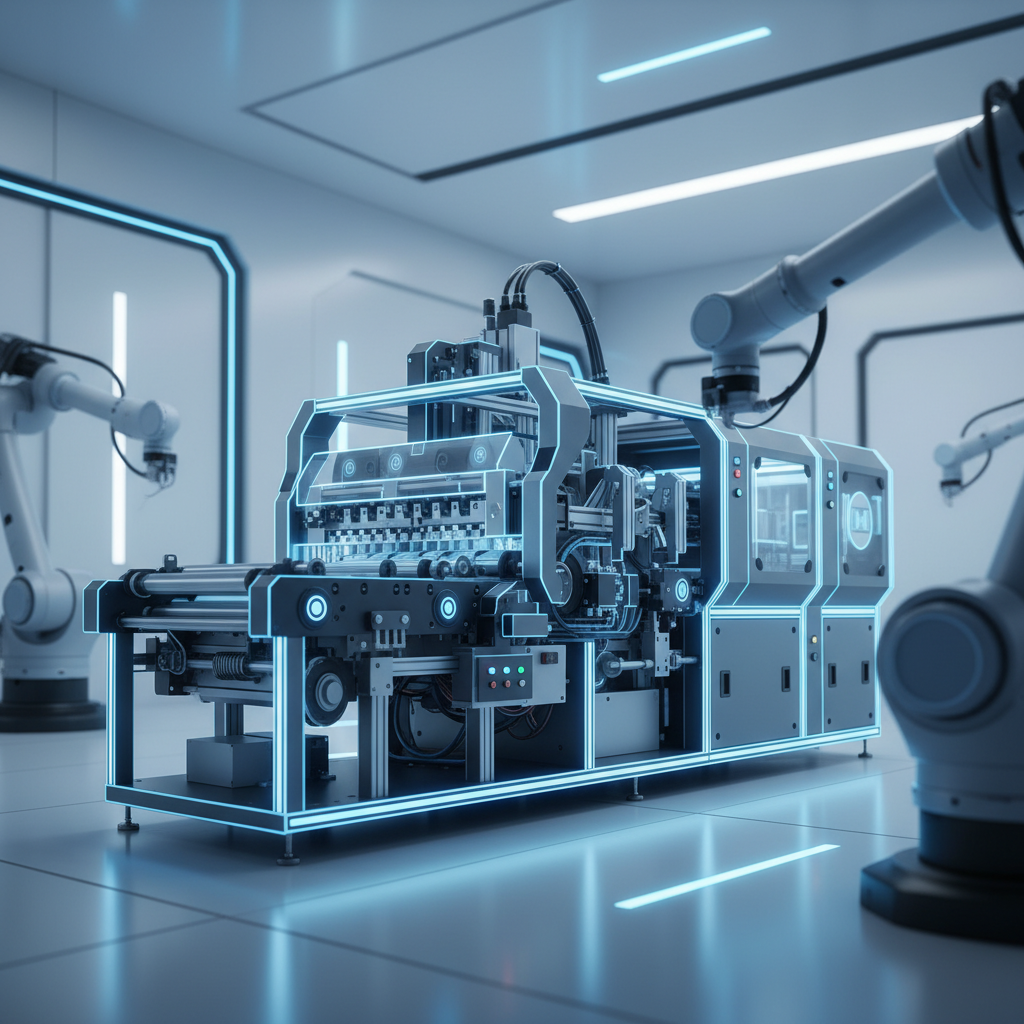
The global need for efficient and reliable infrastructure is constantly growing, particularly in sectors like wastewater management and industrial processing. A downpipe machine addresses this need by providing a robust and automated solution for creating durable and consistent downpipes, essential for safe and effective fluid transport. Understanding the principles and applications of these machines is becoming increasingly important for engineers, construction professionals, and municipalities worldwide.
Downpipe machines aren’t just about manufacturing pipes; they represent a shift towards optimized material usage, reduced labor costs, and increased project efficiency. Globally, infrastructure projects face challenges like skilled labor shortages and stringent environmental regulations. A high-quality downpipe machine can mitigate these issues, delivering cost-effective and sustainable solutions for a wide range of applications.
The impact of these machines extends beyond economic benefits. Reliable downpipe systems are crucial for public health and safety, preventing water contamination and reducing the risk of flooding. As urbanization continues and populations grow, the demand for efficient and dependable downpipe infrastructure will only increase, making the understanding and adoption of downpipe machine technology paramount.
The Significance of Downpipe Machines
Downpipe machines play a critical role in modern infrastructure development, offering a solution to the increasing demand for effective drainage and fluid transport systems. Their importance lies in their ability to create durable, leak-proof downpipes efficiently, minimizing material waste and labor costs. Downpipe machine technology has evolved significantly, now incorporating advanced automation and precision engineering.
The proper functioning of downpipes is essential for preventing water damage to buildings, managing stormwater runoff, and ensuring the safe disposal of wastewater. Without reliable downpipe systems, structures are vulnerable to erosion, flooding, and potential structural failure. Consequently, investing in high-quality downpipe machines is a proactive step towards long-term infrastructure resilience and public safety.
Defining Downpipe Machine Technology
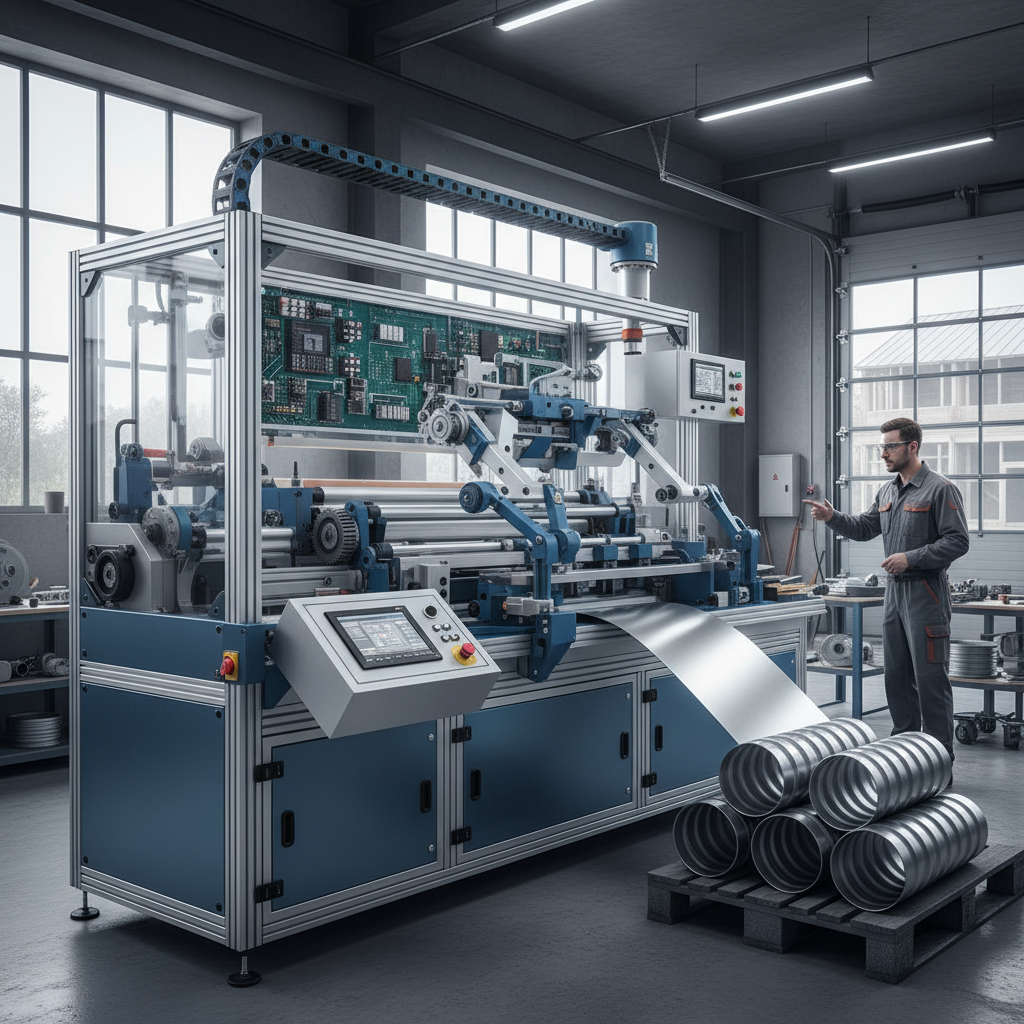
A downpipe machine is an automated or semi-automated system designed to manufacture downpipes, typically from sheet metal. These machines use a series of rollers, forming tools, and welding or joining mechanisms to create cylindrical or rectangular downpipes of varying sizes and lengths. The core function is to precisely shape the metal sheet into the desired downpipe profile, ensuring structural integrity and smooth interior surfaces.
Modern downpipe machines often incorporate Computer Numerical Control (CNC) technology, allowing for precise adjustments to forming parameters and automated production runs. This enhances consistency and reduces the need for manual intervention. The output of a downpipe machine is crucial for a multitude of applications, ranging from residential building construction to large-scale industrial projects.
The technology represents a vital component in contemporary construction and industrial processes, contributing to the efficiency and reliability of fluid management systems. The continuous advancements in downpipe machine technology are driven by the need for increased productivity, reduced material waste, and higher-quality finished products.
Core Components and Operational Factors
Several key components contribute to the effective operation of a downpipe machine. These include the unwinding system for the metal sheet, the forming rollers that shape the metal, the welding or joining system to create a seamless seam, the cutting mechanism to determine pipe length, and the control system – often CNC-based – to manage the entire process. The quality of each component directly affects the final product.
Operational factors also significantly influence downpipe machine performance. These include the type of metal being used (e.g., galvanized steel, aluminum, stainless steel), the thickness of the sheet metal, the desired downpipe diameter, and the machine's speed and precision settings. Maintaining optimal machine settings is critical for achieving consistent results and minimizing defects.
Regular maintenance and calibration of the downpipe machine are paramount. Lubricating moving parts, inspecting rollers for wear, and ensuring accurate welding parameters are essential for prolonging the machine's lifespan and maintaining its production quality. Ignoring these factors can lead to costly repairs and reduced efficiency.
Performance Metrics of Downpipe Machines
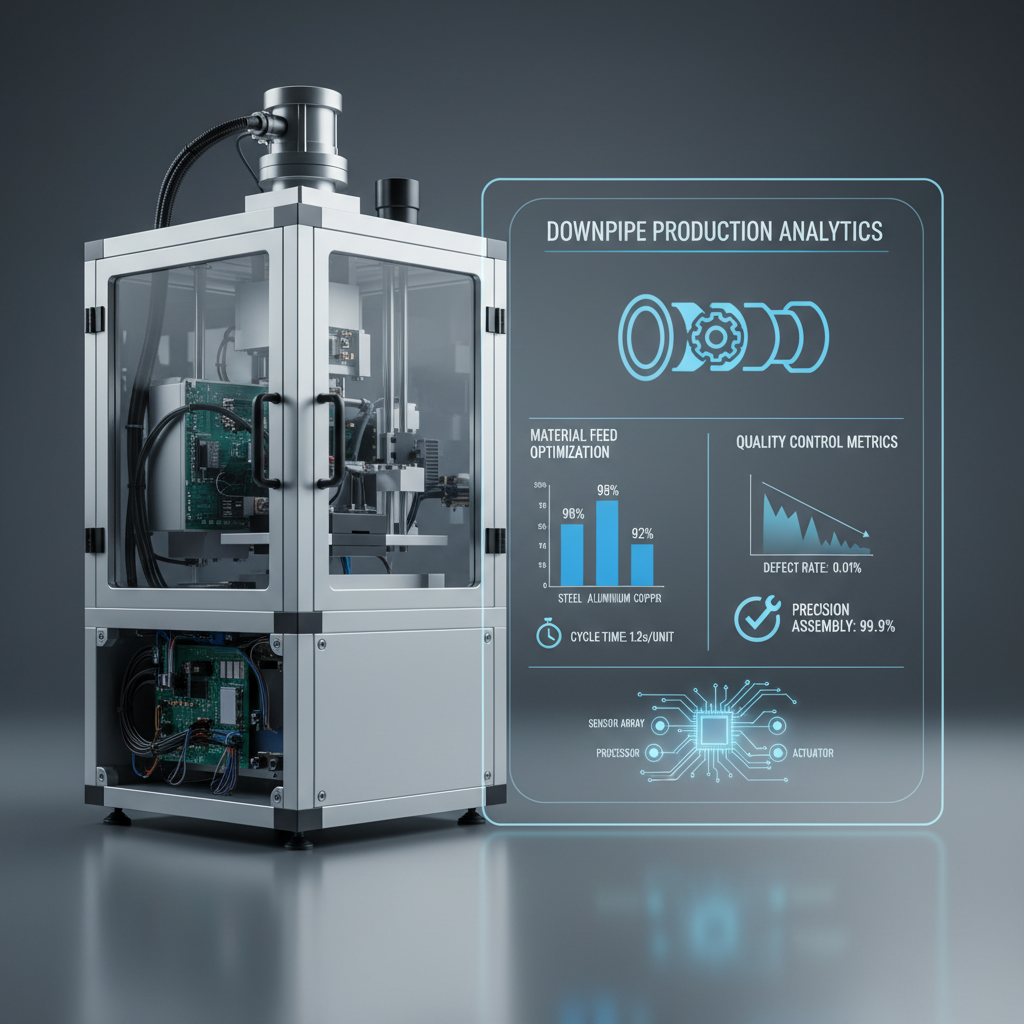
Evaluating the performance of a downpipe machine requires assessing several key metrics. Production rate, measured in meters or feet of downpipe produced per hour, is a primary indicator of efficiency. Dimensional accuracy, reflecting how closely the produced downpipes adhere to specified dimensions, is crucial for ensuring proper fit and functionality.
Another critical metric is material utilization. Minimizing scrap and waste is both economically and environmentally beneficial. The consistency of the weld seam or joint, assessing its strength and leak-proof integrity, is also paramount. Finally, machine uptime, representing the percentage of time the machine is operational and not undergoing maintenance, directly impacts overall productivity.
Downpipe Machine Performance Comparison
Global Applications and Industry Impact
Downpipe machines find extensive use across a wide range of industries globally. In the construction sector, they are essential for building residential, commercial, and industrial structures, providing crucial drainage systems. The agricultural industry utilizes downpipes for irrigation and water management systems.
Furthermore, downpipe machines play a significant role in industrial facilities for waste water management, chemical processing, and fluid transfer. In post-disaster relief operations, portable downpipe machines can be deployed to quickly manufacture drainage systems for temporary shelters and sanitation facilities. Regions experiencing rapid urbanization, particularly in Asia and Africa, are witnessing increased demand for these machines.
Advantages and Long-Term Value Proposition
The advantages of utilizing a downpipe machine are multifaceted. Reduced labor costs, increased production speed, and consistent product quality are primary economic benefits. Minimized material waste contributes to cost savings and environmental sustainability. The automation provided by these machines also improves workplace safety by reducing the risk of manual handling injuries.
From a long-term perspective, investing in a reliable downpipe machine offers a substantial return on investment. The enhanced durability and performance of the produced downpipes contribute to the longevity of infrastructure projects, minimizing maintenance and replacement costs. The improved efficiency and reduced waste align with sustainability goals, enhancing a company’s reputation and environmental responsibility.
Beyond purely economic factors, the reliability and consistency of downpipe systems contribute to public safety and confidence in infrastructure, bolstering trust and social well-being.
Future Trends in Downpipe Machine Technology
The future of downpipe machine technology is poised for significant advancements. Integration of Artificial Intelligence (AI) and Machine Learning (ML) will enable predictive maintenance, optimizing machine performance and minimizing downtime. The use of advanced materials, such as lightweight alloys and corrosion-resistant polymers, will lead to more durable and efficient downpipe systems.
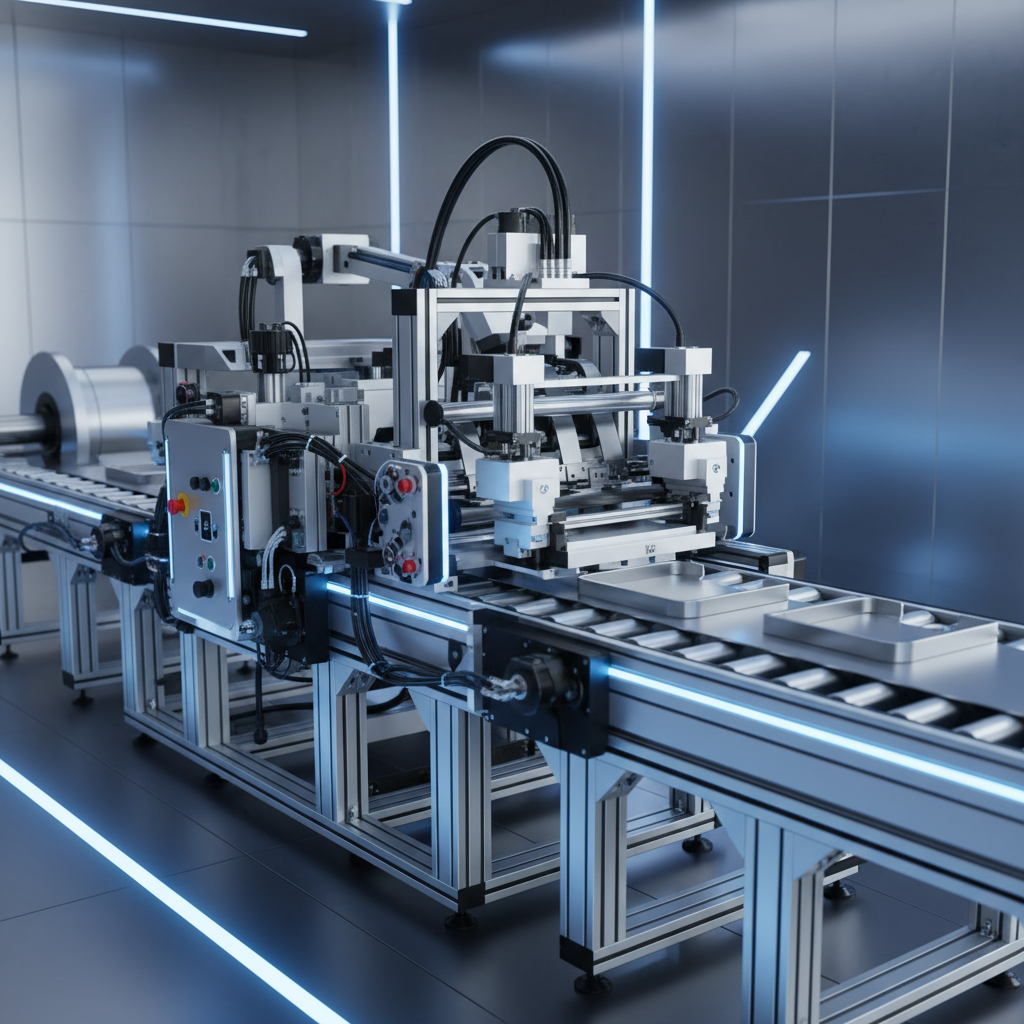
Automation will continue to increase, with fully automated production lines capable of handling diverse downpipe specifications. Furthermore, the adoption of Industry 4.0 principles, including data analytics and cloud connectivity, will enable real-time monitoring and remote control of downpipe machines, improving operational efficiency and responsiveness.
The development of more sustainable manufacturing processes, incorporating recycled materials and reducing energy consumption, will also be a key trend. The integration of digital twin technology, creating virtual replicas of the machines for simulation and optimization, is expected to play an increasing role in future advancements.
Summary of Future Trends in Downpipe Machine Technology
| Trend Category |
Description |
Impact on Downpipe Machine Performance |
Implementation Timeline |
| AI and ML Integration |
Utilizing AI algorithms for predictive maintenance and process optimization. |
Increased uptime, reduced maintenance costs, improved product quality. |
2-5 years |
| Advanced Material Adoption |
Implementing lightweight and corrosion-resistant materials. |
Enhanced durability, reduced weight, increased lifespan of downpipes. |
1-3 years |
| Full Automation |
Complete automation of the downpipe manufacturing process. |
Increased production speed, reduced labor costs, improved consistency. |
3-7 years |
| Industry 4.0 Integration |
Connecting downpipe machines to cloud platforms for remote monitoring and control. |
Real-time data insights, improved operational efficiency, enhanced responsiveness. |
2-5 years |
| Sustainable Manufacturing |
Utilizing recycled materials and reducing energy consumption. |
Reduced environmental impact, enhanced brand reputation, lower operating costs. |
Ongoing |
| Digital Twin Technology |
Creating virtual replicas of downpipe machines for simulation and optimization. |
Improved machine design, optimized performance, reduced development time. |
5-10 years |
FAQS
Investing in a downpipe machine offers significant advantages over manual production, including increased production speed, consistent product quality, reduced labor costs, and minimized material waste. Automated machines ensure precise forming and welding, resulting in durable and leak-proof downpipes. Furthermore, they improve workplace safety by reducing the need for manual handling of heavy materials. The long-term cost savings and increased efficiency make it a worthwhile investment for businesses.
Most downpipe machines are versatile and can process a variety of metal sheet materials, including galvanized steel, aluminum, stainless steel, and even some coated metals. The machine's capabilities will depend on its specific design and tooling. It's crucial to verify the machine’s compatibility with the intended material before making a purchase. Consider the material’s thickness and required finish to ensure optimal results.
Regular maintenance is essential for ensuring the longevity and optimal performance of a downpipe machine. A typical maintenance schedule includes daily lubrication of moving parts, weekly inspection of rollers and forming tools, monthly cleaning of the machine’s interior, and annual professional servicing. Monitoring and replacing wear-and-tear components proactively is also crucial. Following the manufacturer’s recommendations is vital.
Safety is paramount when operating a downpipe machine. Essential safety features include emergency stop buttons, safety guards around moving parts, interlock systems that prevent operation when guards are removed, and overload protection mechanisms. Proper training for operators on safe operating procedures is equally important. Ensure the machine complies with relevant safety standards and regulations.
With proper maintenance and regular servicing, a high-quality downpipe machine can have a lifespan of 15 to 20 years or even longer. Factors that influence lifespan include the machine's build quality, operating conditions, frequency of use, and adherence to maintenance schedules. Investing in a durable machine and implementing a preventative maintenance program will maximize its longevity.
CNC (Computer Numerical Control) technology significantly enhances the efficiency of downpipe machines by enabling precise control over the forming process. It allows for automated adjustments to parameters like speed, pressure, and cutting angles, resulting in consistent product quality and reduced waste. CNC machines can also handle complex downpipe designs with ease, increasing versatility and reducing the need for manual intervention.
Conclusion
In conclusion, downpipe machines represent a vital component in modern infrastructure, offering a pathway to efficient, reliable, and sustainable fluid management systems. From reduced production costs and increased product quality to enhanced safety and environmental responsibility, the benefits of investing in this technology are substantial. Understanding the core components, performance metrics, and future trends associated with downpipe machines is crucial for professionals across diverse industries.
Looking ahead, continued innovation in areas like AI, advanced materials, and Industry 4.0 integration will further revolutionize downpipe machine technology. Embracing these advancements will enable businesses to optimize their operations, minimize their environmental footprint, and meet the growing global demand for high-quality drainage and fluid transport solutions. To learn more about our range of downpipe machines and how they can benefit your business, visit our website: www.machineyingyee.com.