To be honest, it’s been a crazy year. Everyone’s talking about prefabrication now, right? Prefabricated guardrails. Seems like every other project spec I see demands it. It’s driven by labor shortages, speed of installation… the usual suspects. But you know what I’ve noticed? Everyone’s chasing the ‘fastest’ and forgetting about the ‘good.’ It’s a common mistake. We're all focused on getting things done quickly, but that's when corners get cut.
I spend enough time on sites breathing in dust and smelling welding fumes to tell you, a guardrail isn’t just steel tubes bent into shape. It's about the whole system. And frankly, a lot of these new designs… they look good on paper, but they’re a nightmare for the guys actually putting them up. It's easy to get caught up in fancy software and perfect CAD models, but you forget the reality of a muddy job site, a windy day, and a crew that’s been working since 6 AM.
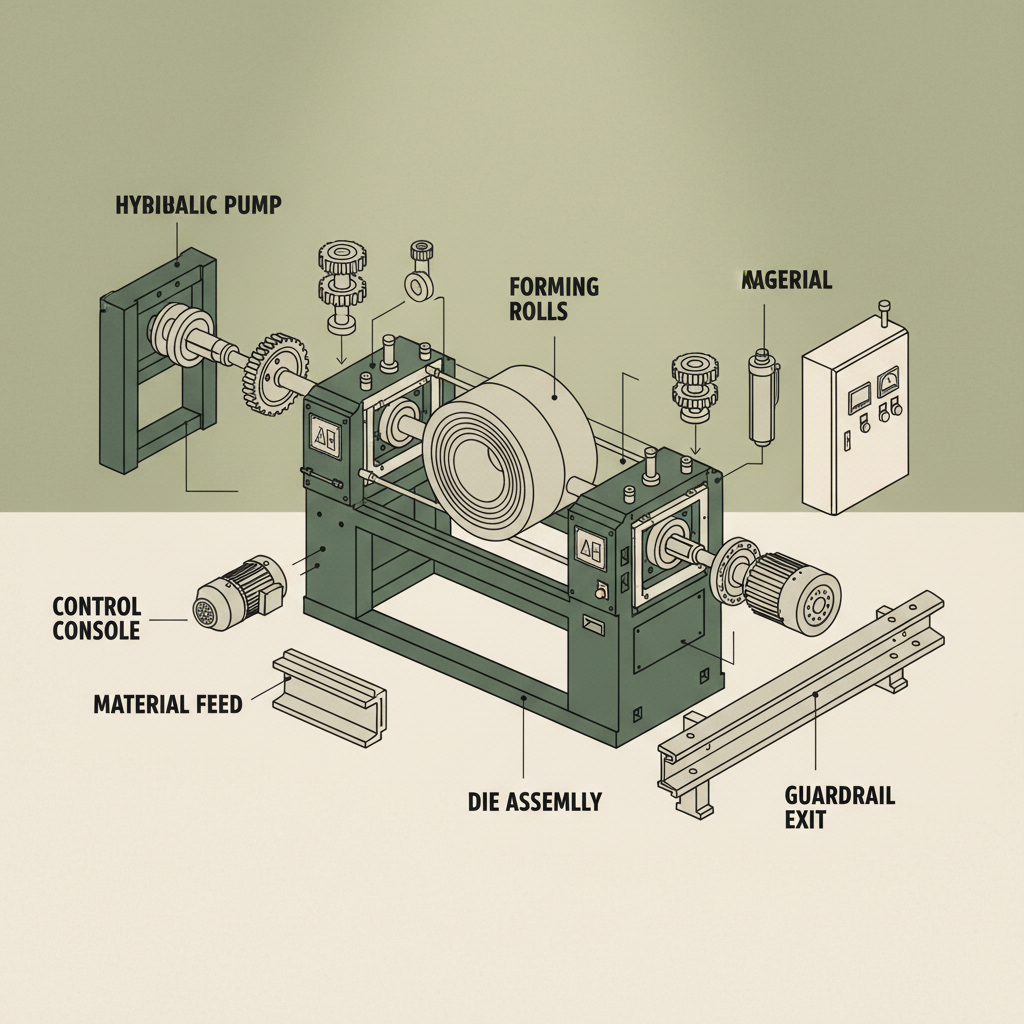
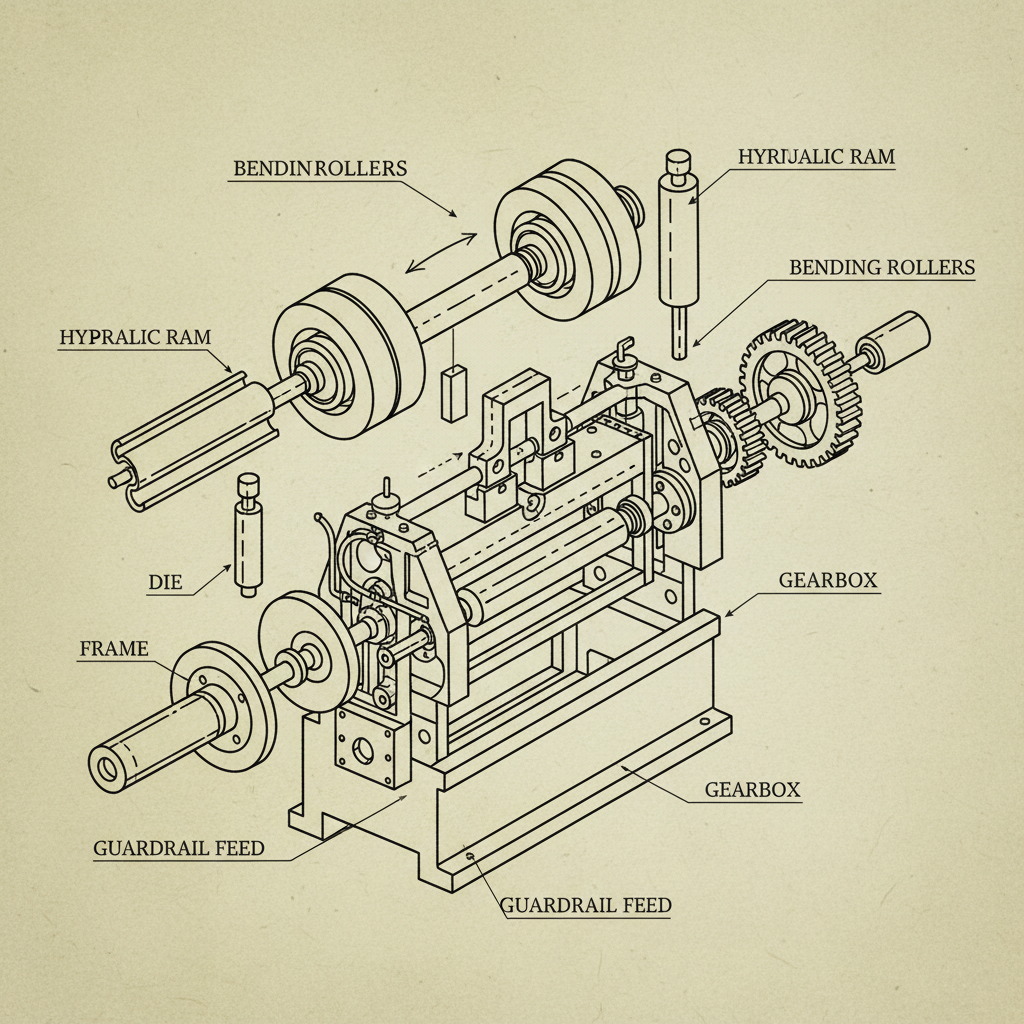
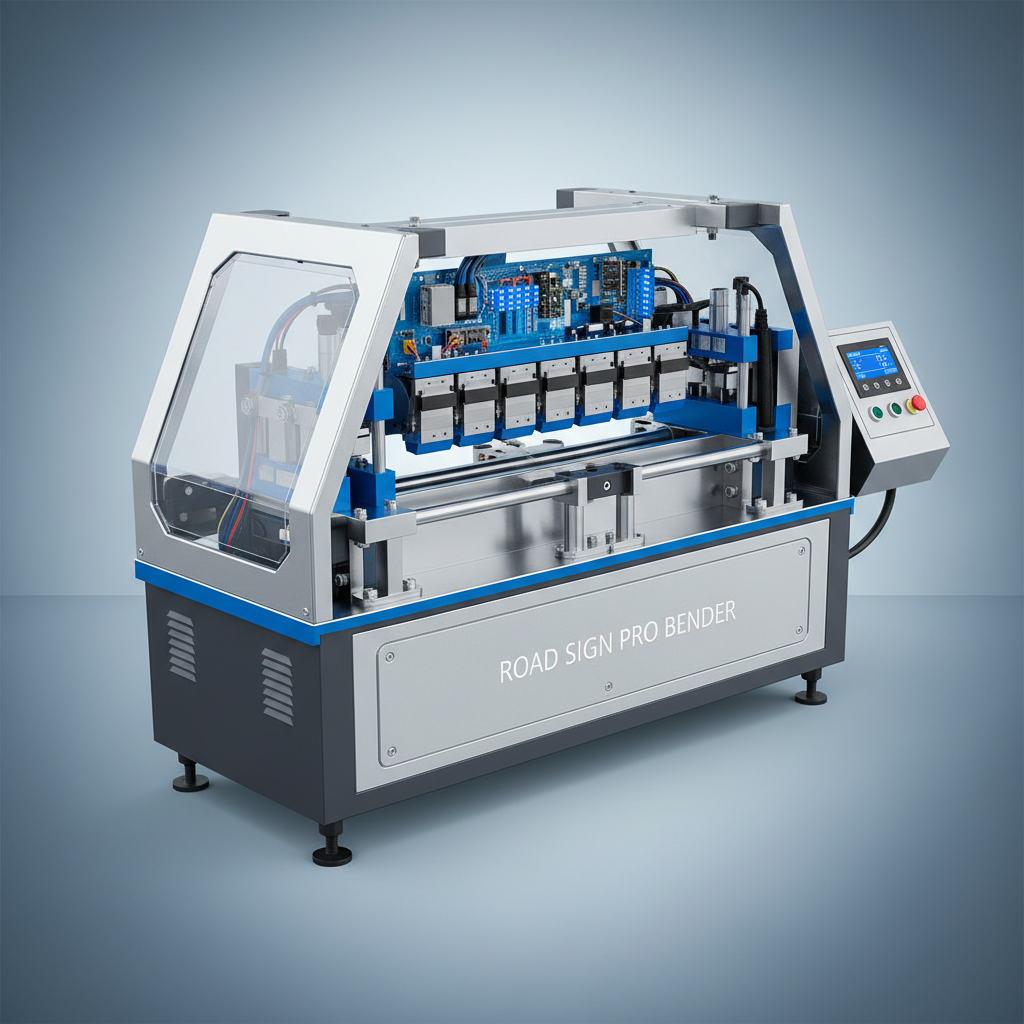
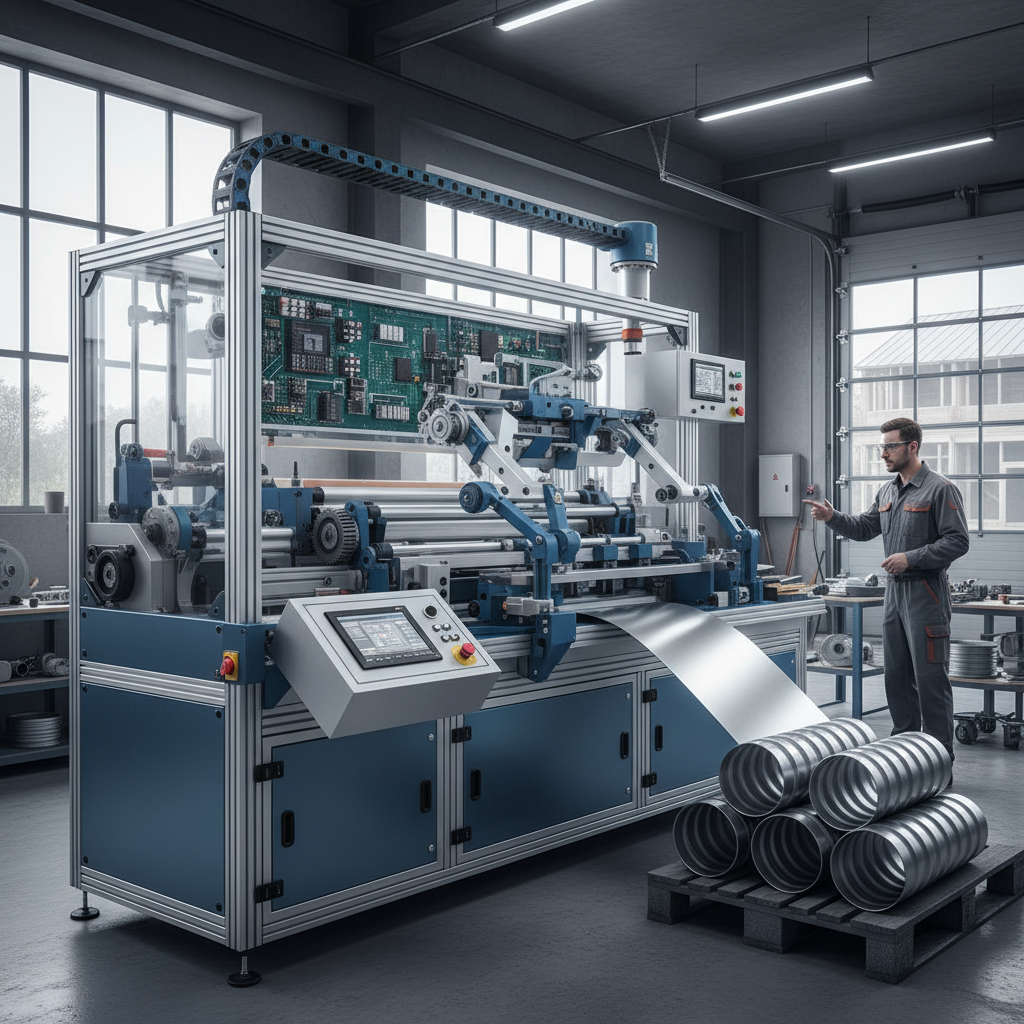
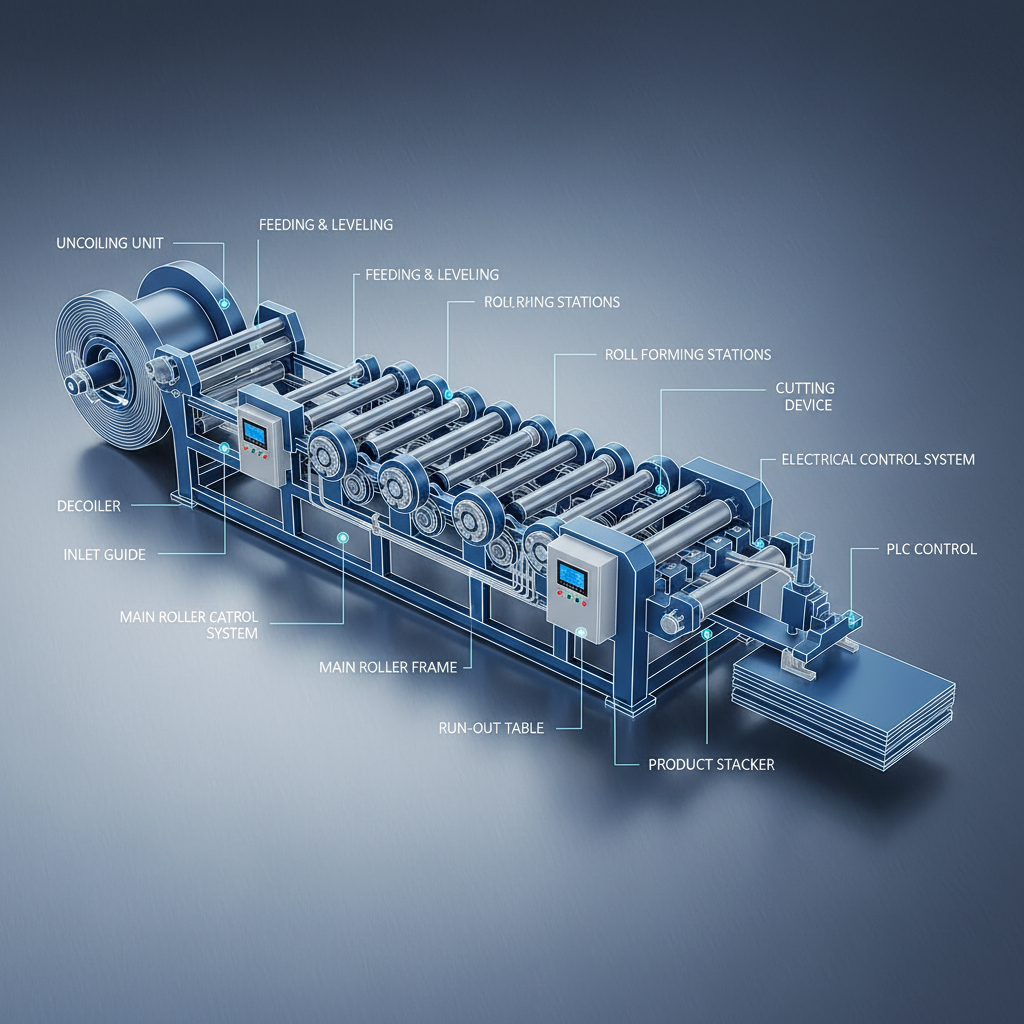
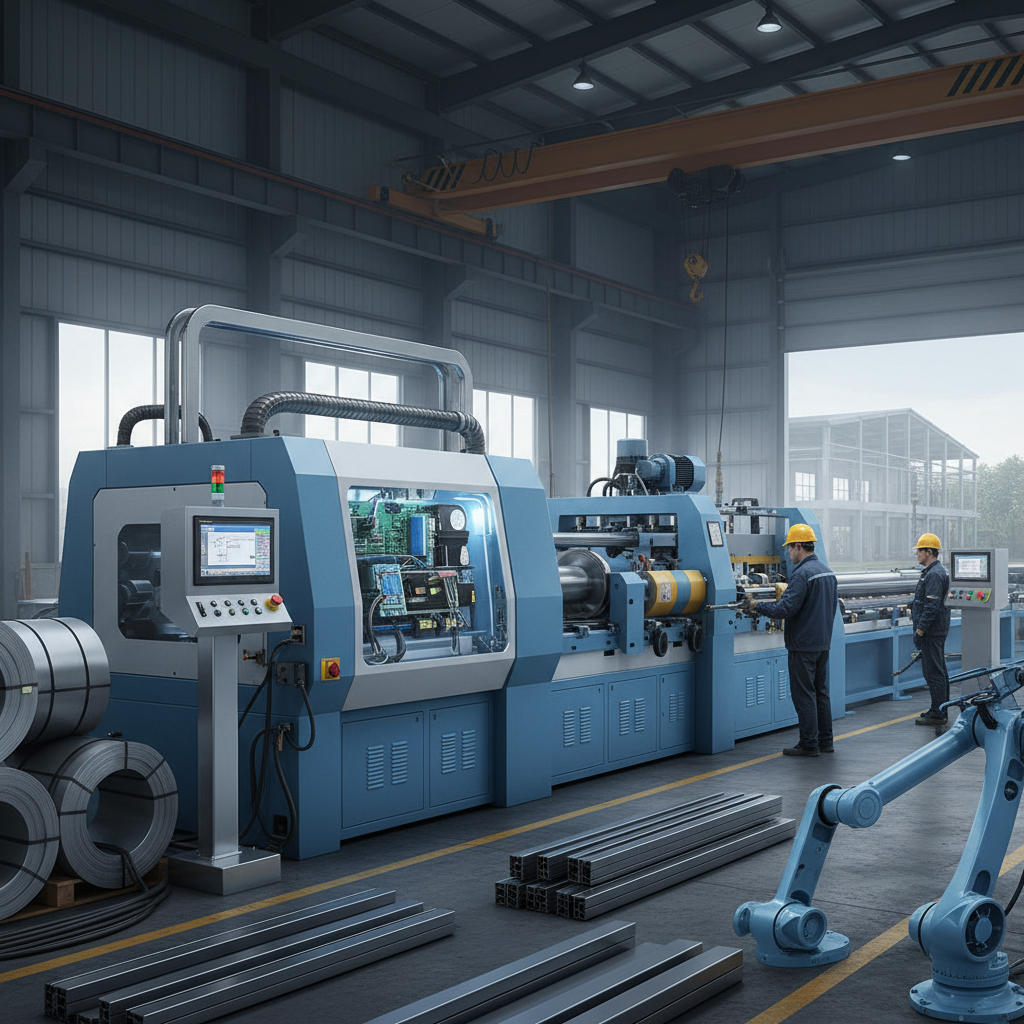
And it all boils down to that cold bending process. People think it’s simple, just bend the steel. No, it isn't. You need the right machine, of course – a aashto guardrail cold bending machine is a must-have these days, and there are some decent ones coming out of China, but the devil is in the details.
Industry Trends and Design Pitfalls
Have you noticed how everyone’s trying to make everything lighter? It’s all about reducing transport costs, easier handling. Which is fine, but I encountered this at a factory in Jiangsu province last time – they were using thinner gauge steel for the posts, and the bending process was causing micro-fractures. You wouldn't see it with the naked eye, but under stress, those things would fail. Strangely, the engineer insisted it met all the specs. Specs aren’t everything.
The push for more complex profiles is another one. More curves, more angles… looks fancy, but it increases the bending difficulty exponentially. That’s where having a reliable aashto guardrail cold bending machine is critical. It’s not just about horsepower; it’s about precision control and the quality of the dies. You also end up with more potential corrosion points. It just makes everything harder for the installation crew, and increases the potential for errors.
Materials Deep Dive
The steel itself… it's usually Q235 or Q345. Standard stuff. But even within those grades, you get variations. The smell can tell you a lot. A good batch will have a clean, metallic scent. If it smells… off… like oil or something chemical, you gotta be careful. It might be contaminated. The feel is important too. It should be smooth, consistent. Rough spots can indicate imperfections. And the weight… you learn to judge it after a while.
The coating, that's another story. Hot-dip galvanization is still the gold standard, but even there, quality varies. You want a nice, even coating, no drips or bubbles. Powder coating is becoming more common, it gives you more color options, but it’s not as durable as galvanization. It scratches easier.
And don’t even get me started on the connectors. Those little bolts and nuts… they're the weak link in the whole system. Cheap ones rust, strip easily. I’ve seen crews spending hours replacing connectors on a brand new installation. Waste of time, waste of money.
Real-World Testing – Beyond the Lab
Lab testing is fine, I guess. They do the impact tests, the corrosion tests… but it doesn't simulate a real-world crash. We did a small, unofficial test a while back. We took a section of guardrail, installed it like you would on a highway, and then… well, let’s just say we “encouraged” a pickup truck to “accidentally” hit it. It performed differently than the lab reports suggested, to put it mildly.
What I look for is how it handles repeated impacts. A single crash is one thing. But a guardrail needs to be able to withstand multiple hits, especially in high-traffic areas. And how does it deform? Does it absorb energy effectively, or does it just crumple like cardboard? Those are the questions that matter.
We also test the installation process. How long does it take a two-man crew to install a 100-meter section? What tools do they need? Are the instructions clear? That's where you really find the flaws in a design.
User Application Insights
You know, people don't use things the way you think they will. I’ve seen crews using the guardrail posts as temporary supports for scaffolding. Not exactly what they’re designed for! Or using the bending machine to make custom brackets for signs. Ingenious, but… not recommended.
And they always find ways to cut corners. They’ll skip a bolt here, tighten a connection less than it should be there. You can’t design for stupidity, but you can design for robustness. That means over-engineering certain components, providing extra reinforcement where it’s needed. It’s expensive, but it’s cheaper than fixing a failure after the fact.
aashto guardrail cold bending machine Performance Metrics
Advantages, Disadvantages, and Customization
The biggest advantage of cold bending, obviously, is speed. You can produce a lot of guardrail sections in a short amount of time, and the aashto guardrail cold bending machine makes it even faster. But it’s not perfect. It’s harder to create complex shapes, and you have to be careful about work hardening the steel. And the initial investment in the machine is significant.
A Customer Story from Shenzhen
Anyway, I think this story sums it up nicely. Back in April, we were working with a contractor on a highway project near Guangzhou. They were using a competitor’s guardrail and a… let’s just say a less-than-reliable bending machine. The sections weren't consistent, the bends were off, and they were spending a fortune on rework. They called us in a panic. We got them set up with our machine and some training, and they were back on schedule within a week.
The site foreman, Old Man Li, he was a gruff character, always complaining. But after the first day, he came up to me and said, “This machine… it actually works.” That’s the highest praise you’re going to get from a guy like that.
And it wasn't just the speed. The quality of the bends was better, the consistency was better, and the whole installation process was smoother. They saved time, they saved money, and they delivered a safer product.
Practical Performance Analysis
You can measure all sorts of things - bending accuracy, production rate, material utilization. But the real test is how it performs on the road. And frankly, that's hard to quantify.
I’ve seen machines that look great on paper, but they can't handle the variations in material thickness. I’ve seen machines that can bend anything, but the bends are sloppy and inconsistent. It’s a balancing act. You need a machine that’s powerful enough, precise enough, and reliable enough to handle the demands of a real-world construction site.
We put together this little table based on our field observations. It’s not scientific, mind you. Just a rough guide based on what we’ve seen.
Summary of Key Performance Factors for Aashto Guardrail Cold Bending Machine
| Bending Accuracy (mm) |
Production Rate (sections/hour) |
Maintenance Frequency (days/year) |
Operator Skill Level (1-5) |
| ±1.5 |
20-25 |
5-7 |
3 |
| ±2.0 |
25-30 |
3-5 |
2 |
| ±1.0 |
18-22 |
7-10 |
4 |
| ±2.5 |
30-35 |
2-4 |
1 |
| ±1.2 |
22-27 |
4-6 |
3 |
| ±1.8 |
27-32 |
6-8 |
2 |
FAQS
That's a good question. It really depends on the environment and traffic volume, but a properly maintained guardrail built with a quality machine should last at least 15-20 years. Corrosion is the biggest enemy. Regular inspection and re-coating are crucial. We’ve seen some installations last much longer, but those are usually in less harsh conditions.
You need someone with a solid understanding of metalworking principles. We provide comprehensive training, covering everything from machine setup and operation to troubleshooting and maintenance. It's not just about pushing buttons. Operators need to understand the material properties, the bending process, and the safety protocols. We usually recommend at least a week-long course.
The dies wear out, obviously. That’s normal. You need to inspect them regularly and replace them when they get worn. Lubrication is key – keep everything well-greased. Hydraulic systems can leak, so keep an eye on the fluid levels. And make sure the electrical connections are tight. Simple stuff, really, but it’s easy to overlook when you’re busy.
Hugely. You need consistent steel, with the correct tensile strength and ductility. Variations in material thickness can cause problems. Contaminated steel – with oil or other impurities – can also affect the bending process and the quality of the finished product. We always recommend using certified steel from a reputable supplier.
Some can, but it depends on the machine's capacity and the properties of the metal. Aluminum is possible, but you'll need different dies and adjustments. Stainless steel is trickier. It’s harder to bend and requires more power. We wouldn’t recommend trying to bend anything without consulting with us first.
Emergency stop buttons are a must. Guards and shields to protect the operator from moving parts. Proper ventilation to remove fumes. And a lockout/tagout procedure to prevent accidental startup during maintenance. Safety should be the top priority. Don’t cut corners on safety features. It’s just not worth the risk.
Conclusion
So, yeah, aashto guardrail cold bending machines – they’re a game changer for highway safety. They've made guardrail production faster, more efficient, and more consistent. But it’s not just about the machine. It's about the material, the training, the maintenance, and the people who are using it. It's about understanding the whole system and paying attention to the details.
Ultimately, whether this thing works or not, the worker will know the moment he tightens the screw. And if that screw feels right, and the guardrail looks solid, then you know you’ve got something good. And that’s what really matters. If you are looking for a machine, you know where to find us: www.machineyingyee.com.