The global demand for efficient and robust metal fabrication solutions is steadily increasing, driven by infrastructure development, construction boom, and the expanding manufacturing sector. At the heart of many modern construction and industrial projects lies the need for reliable support structures. This is where the metal strut channel roll forming machine becomes invaluable, providing a cost-effective and scalable solution for producing essential building components. Understanding its intricacies is crucial for businesses seeking to optimize their production processes and meet the evolving needs of a dynamic market.
The increasing focus on prefabrication and modular construction is further amplifying the importance of automated roll forming technology. These machines offer significant advantages over traditional methods, including reduced labor costs, faster production cycles, and improved material utilization. The ability to customize profiles and lengths also makes them adaptable to a wide range of applications, from commercial buildings to industrial facilities. metal strut channel roll forming machine plays a pivotal role in delivering these benefits.
In a world increasingly conscious of sustainability, the efficient use of materials is paramount. The metal strut channel roll forming machine minimizes waste by precisely shaping metal coils into desired profiles, contributing to a more environmentally responsible manufacturing process. This aligns with the growing demand for green building practices and sustainable infrastructure development, making it a key technology for companies striving to reduce their environmental footprint.
The Core Principles of metal strut channel roll forming machine
The fundamental principle behind a metal strut channel roll forming machine lies in the progressive deformation of a metal strip as it passes through a series of shaped rollers. This process, known as roll forming, gradually bends and forms the metal into the desired profile – in this case, a metal strut channel. The machine's precision and the strategic arrangement of the rollers ensure consistent dimensions and high-quality output.
The efficiency of a metal strut channel roll forming machine is largely determined by several factors, including the material gauge, the complexity of the profile, and the machine's speed and automation capabilities. Understanding these principles is crucial for optimizing production processes and selecting the right machine for specific application requirements.
Understanding the Global Relevance of metal strut channel roll forming machine
Metal strut channels are integral components in a vast array of construction and industrial applications worldwide. From supporting electrical conduits and mechanical systems in commercial buildings to providing structural support in solar panel installations, their versatility makes them indispensable. The demand for these channels is directly correlated with global construction activity and infrastructure development, particularly in rapidly urbanizing regions.
According to recent reports from the World Bank, investment in infrastructure is projected to reach trillions of dollars in the coming decades. This growth will inevitably drive demand for efficient and cost-effective metal forming solutions, placing the metal strut channel roll forming machine at the forefront of this expansion. Furthermore, international standards like ISO 9001 emphasize the importance of quality and reliability in manufacturing processes, increasing the need for precise and automated machines.
The rise of sustainable building practices also plays a significant role. Metal strut channels, often made from recycled materials, contribute to LEED certification and other green building initiatives. This growing awareness of environmental responsibility further strengthens the global relevance of the metal strut channel roll forming machine, as it allows for efficient material utilization and waste reduction.
Defining metal strut channel roll forming machine: A Technical Overview
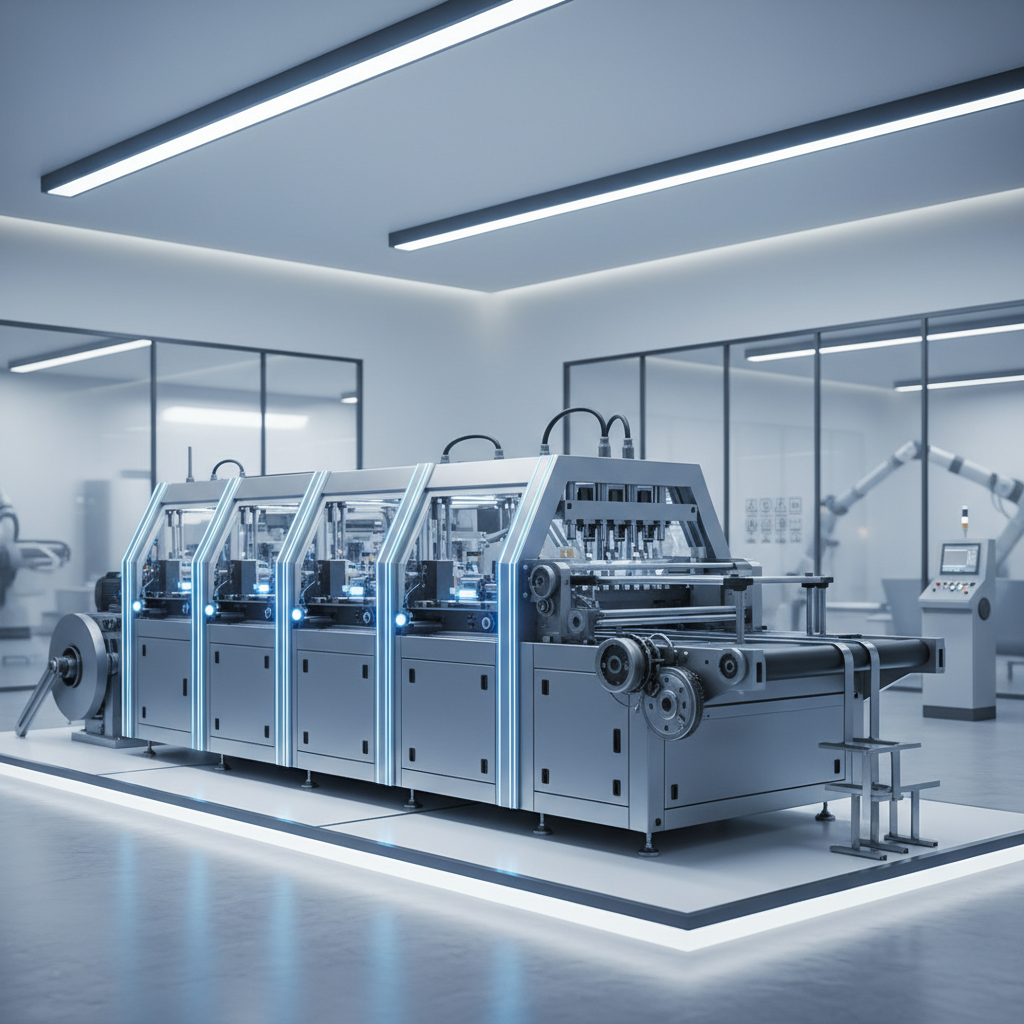
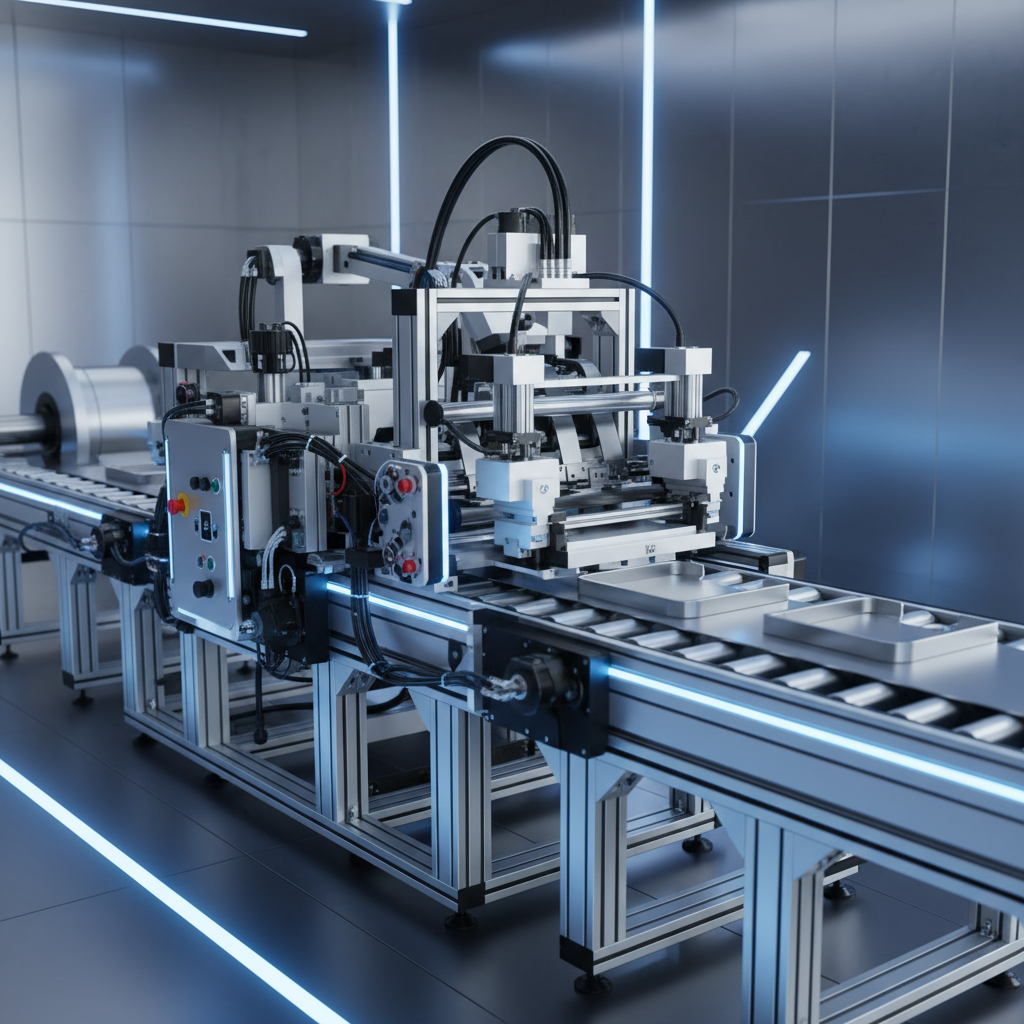
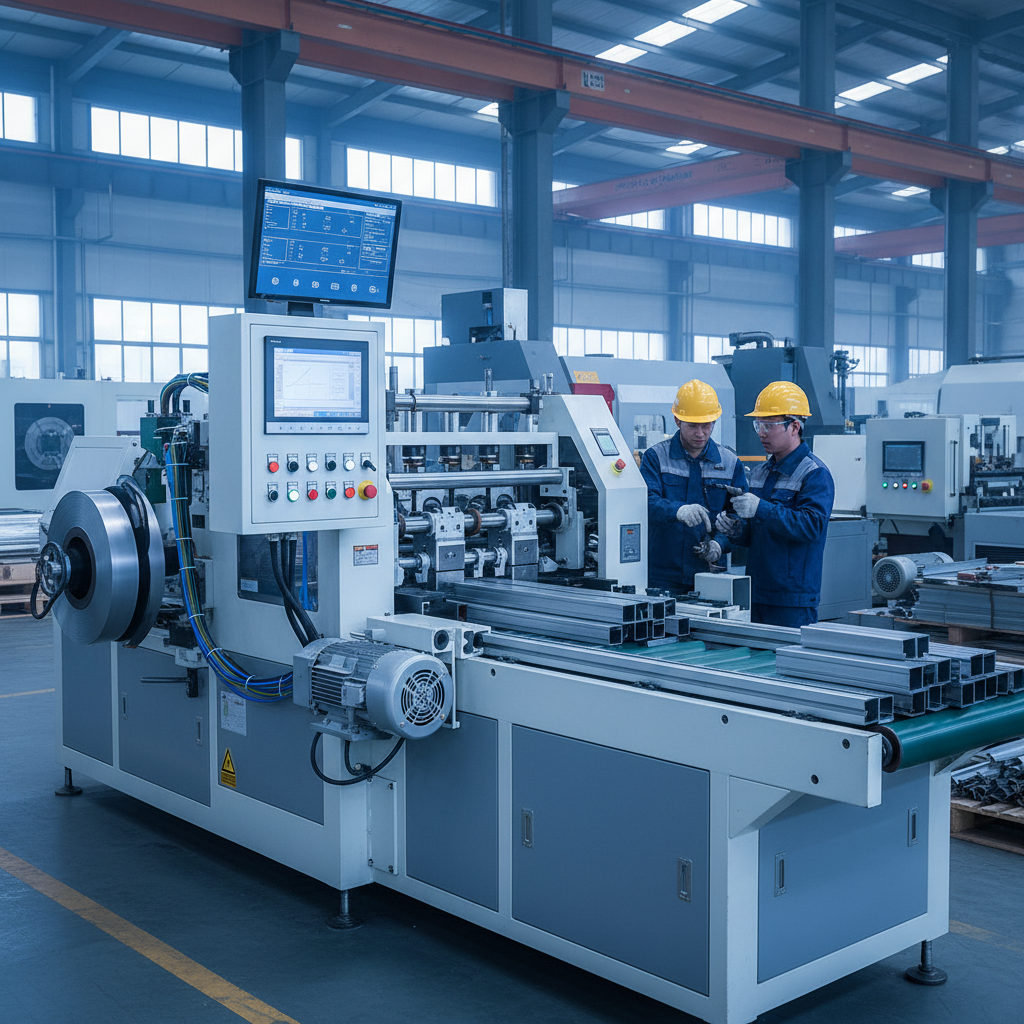
A metal strut channel roll forming machine is a specialized industrial machine designed to continuously bend metal coils into a specific strut channel profile. The machine consists of several key components: an uncoiler, a leveling unit, a roll forming station (with a series of rollers), a cutting mechanism, and a stacking or conveying system. The process begins with feeding a metal coil through the machine, where it is progressively shaped by the rollers until it achieves the desired cross-sectional profile.
The roll forming station is the heart of the machine, containing a series of precisely engineered rollers arranged in a specific sequence. Each roller incrementally bends the metal strip, gradually forming it into the final strut channel shape. The cutting mechanism, typically a flying shear, precisely cuts the formed channel to the required length. Modern machines often incorporate automated controls, sensors, and programmable logic controllers (PLCs) for enhanced precision and efficiency.
The machine’s capability to produce consistent and accurate profiles is critical for ensuring compatibility with other building components. The quality of the finished product depends heavily on the precision of the rollers, the alignment of the machine, and the material properties of the metal coil. Therefore, proper maintenance and calibration are essential for optimal performance of the metal strut channel roll forming machine.
Key Components and Operational Factors in metal strut channel roll forming machine
Several key components contribute to the efficient operation of a metal strut channel roll forming machine. These include the uncoiler, responsible for unwinding and feeding the metal coil; the leveling unit, which ensures the metal strip is flat and straight; and the roll forming station, which contains the meticulously designed rollers that shape the metal. The cutting system, typically a flying shear, provides precise and clean cuts to the desired length.
Beyond the physical components, several operational factors significantly impact the machine's performance. These include material thickness and type, the desired profile dimensions, the machine's speed and throughput, and the accuracy of the control system. Effective control over these factors is essential for producing high-quality strut channels that meet specific industry standards.
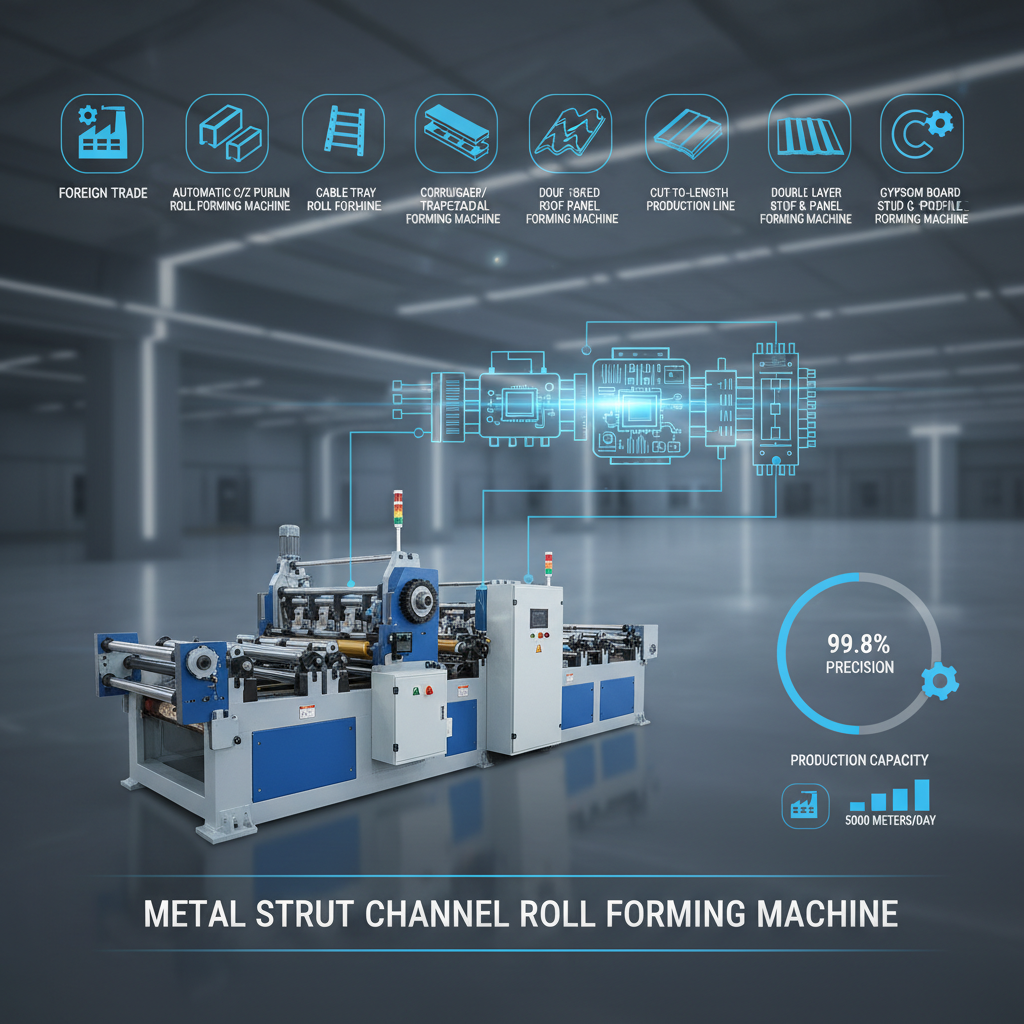
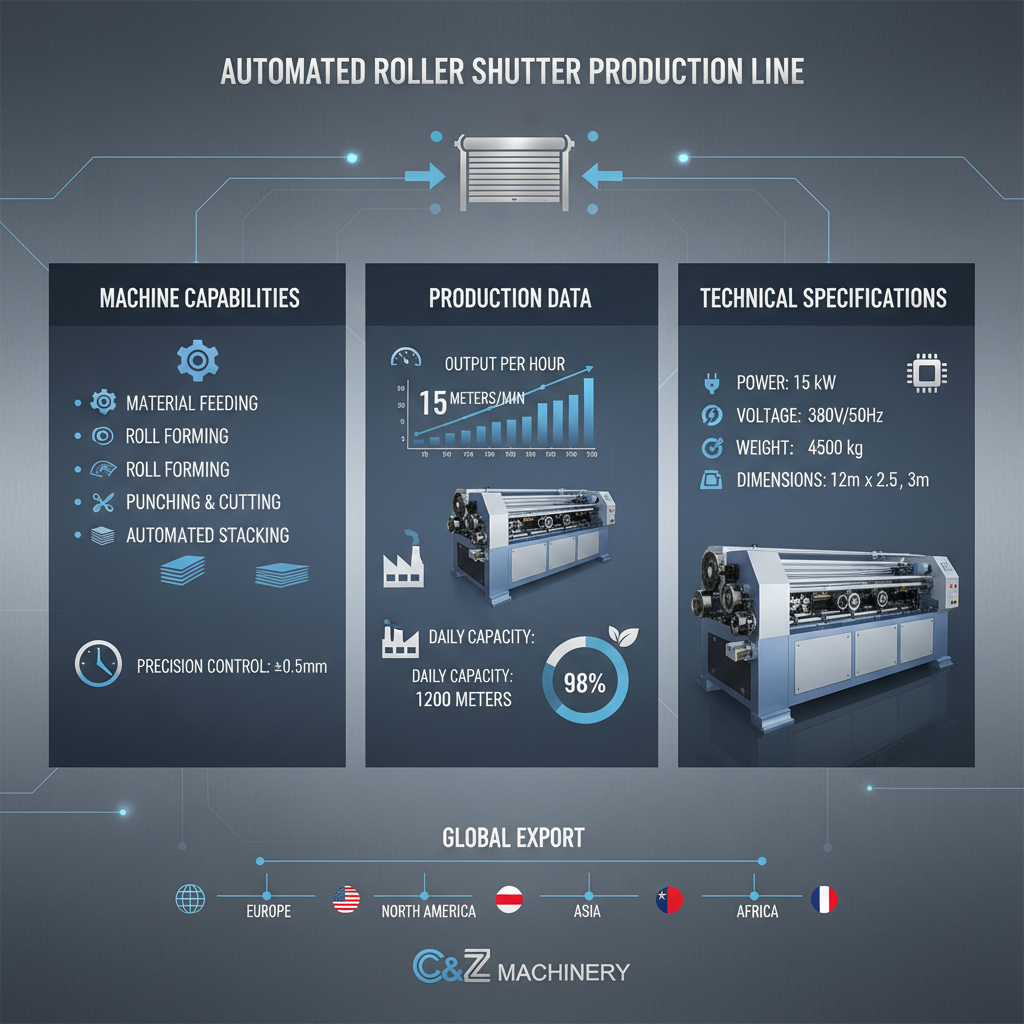
Metal Strut Channel Roll Forming Machine Performance Metrics
Diverse Applications of metal strut channel roll forming machine Across Industries
The applications of metal strut channels produced by these machines are incredibly diverse. In the construction industry, they are extensively used for supporting mechanical, electrical, and plumbing (MEP) systems, creating cable trays, and mounting various fixtures. They are also critical components in the fabrication of building facades and structural frameworks.
Beyond construction, metal strut channels find application in the solar energy sector, providing mounting structures for photovoltaic panels. They are also used in industrial facilities for supporting pipelines, ventilation systems, and machinery. The automotive industry utilizes them for creating support structures within vehicles, and even the retail sector employs them in shelving and display systems. This versatility demonstrates the broad appeal of a metal strut channel roll forming machine.
Advantages and Long-Term Value of Investing in metal strut channel roll forming machine
Investing in a metal strut channel roll forming machine offers numerous advantages. The primary benefit is reduced production costs compared to traditional fabrication methods. Automation minimizes labor requirements and optimizes material usage, leading to significant savings. Furthermore, the ability to produce consistent, high-quality profiles ensures adherence to industry standards and enhances product reliability.
Beyond cost savings, a roll forming machine provides increased production capacity and flexibility. The ability to quickly switch between different profile designs allows manufacturers to cater to diverse customer needs and adapt to changing market demands. This agility translates into a competitive edge and long-term business growth. The durability of the machine itself also contributes to its long-term value, providing years of reliable service with proper maintenance.
Future Trends and Innovations in metal strut channel roll forming machine Technology
The future of metal strut channel roll forming machine technology is characterized by increasing automation, integration with Industry 4.0 principles, and a focus on sustainability. Advancements in sensor technology and machine learning are enabling predictive maintenance, reducing downtime and optimizing performance. Real-time monitoring of production parameters allows for continuous process improvement.
Another key trend is the development of more versatile machines capable of producing a wider range of profiles with greater precision. The integration of digital twin technology allows for virtual prototyping and optimization of roll forming processes, reducing development time and costs. Furthermore, the adoption of eco-friendly materials and energy-efficient machine designs aligns with the growing demand for sustainable manufacturing practices.
We can anticipate seeing even greater integration of AI-powered control systems in the future, which will dynamically adjust machine parameters to compensate for material variations and optimize product quality in real-time. The increasing use of cloud-based data analytics will also enable remote monitoring, diagnostics, and performance optimization of metal strut channel roll forming machine.
FAQS
A metal strut channel roll forming machine can process a wide range of materials, including galvanized steel, stainless steel, aluminum, and even pre-painted metal coils. The specific material compatibility depends on the machine's design, roller material, and the required profile dimensions. Choosing the correct material is critical for achieving the desired strength, corrosion resistance, and aesthetic finish.
Regular maintenance is crucial for ensuring the longevity and optimal performance of the machine. This includes lubricating moving parts, inspecting rollers for wear and tear, checking alignment, and cleaning the machine regularly. Routine maintenance prevents breakdowns, minimizes downtime, and ensures consistent product quality. Detailed maintenance schedules should be followed as outlined in the manufacturer's manual.
The production speed of a metal strut channel roll forming machine varies depending on several factors, including material thickness, profile complexity, and machine automation level. Generally, speeds range from 5 to 50 meters per minute. Automated machines with advanced control systems can achieve higher production rates while maintaining accuracy and quality.
While modern machines are increasingly automated, some level of operator skill is still required. Operators need to understand the machine's controls, be able to troubleshoot minor issues, and perform routine maintenance tasks. Training programs are typically provided by manufacturers to ensure operators are proficient in operating and maintaining the equipment safely and effectively.
Safety is paramount in the design of these machines. Typical safety features include emergency stop buttons, safety guards and enclosures to prevent access to moving parts, light curtains to detect intrusions, and overload protection systems. Proper operator training and adherence to safety protocols are essential for preventing accidents.
With proper maintenance and care, a metal strut channel roll forming machine can have a lifespan of 15 to 25 years or even longer. Regular inspections, timely repairs, and adherence to the manufacturer's recommended maintenance schedule are crucial for maximizing the machine's longevity and ensuring its continued reliability.
Conclusion
In conclusion, the metal strut channel roll forming machine represents a cornerstone of modern metal fabrication, offering significant advantages in terms of efficiency, cost-effectiveness, and product quality. Its applications span a wide range of industries, contributing to the construction of robust and sustainable infrastructure worldwide. Understanding the core principles, key components, and future trends associated with this technology is essential for businesses seeking to remain competitive in today’s dynamic marketplace.
As technology continues to evolve, we can expect to see further advancements in automation, precision, and sustainability within the metal strut channel roll forming machine industry. Embracing these innovations will be crucial for optimizing production processes, reducing environmental impact, and meeting the ever-changing demands of a globalized economy. Visit our website at www.machineyingyee.com to explore our range of solutions and discover how we can help you optimize your metal fabrication operations.