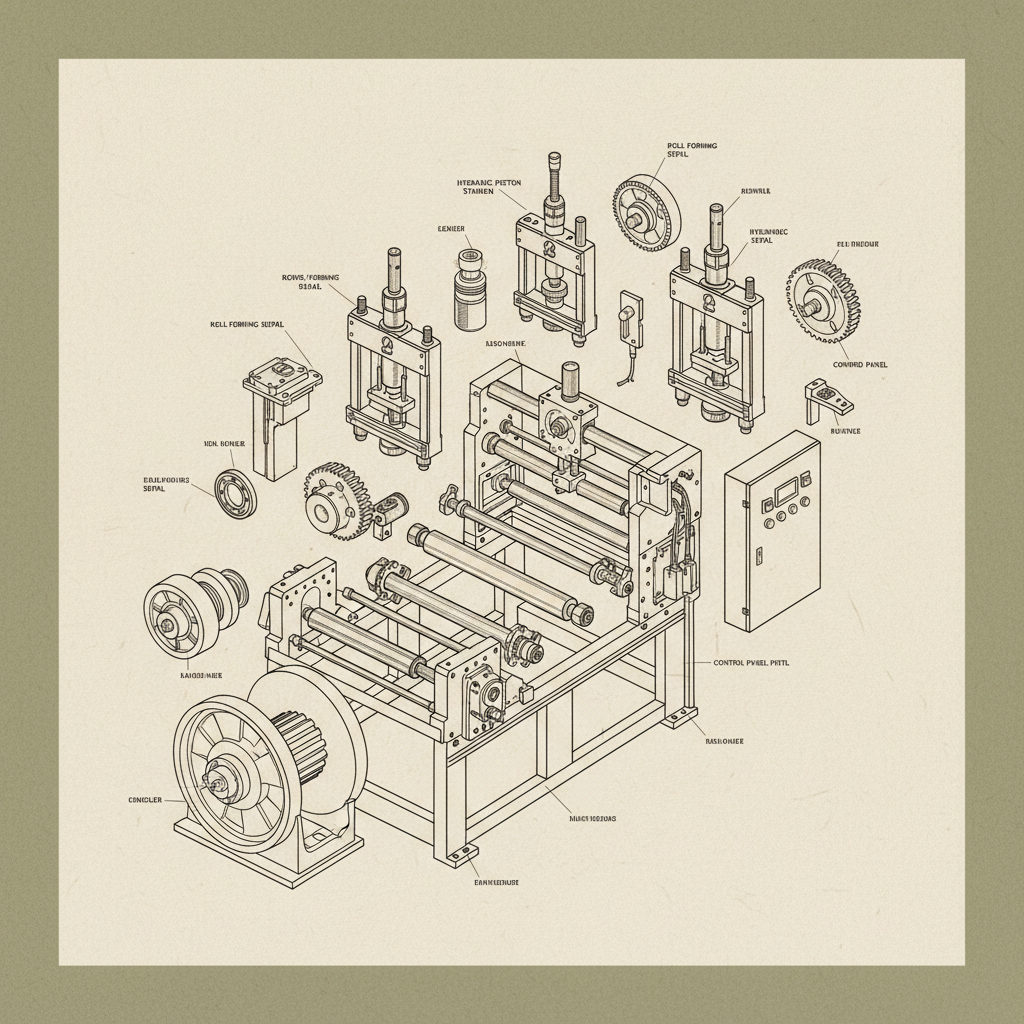
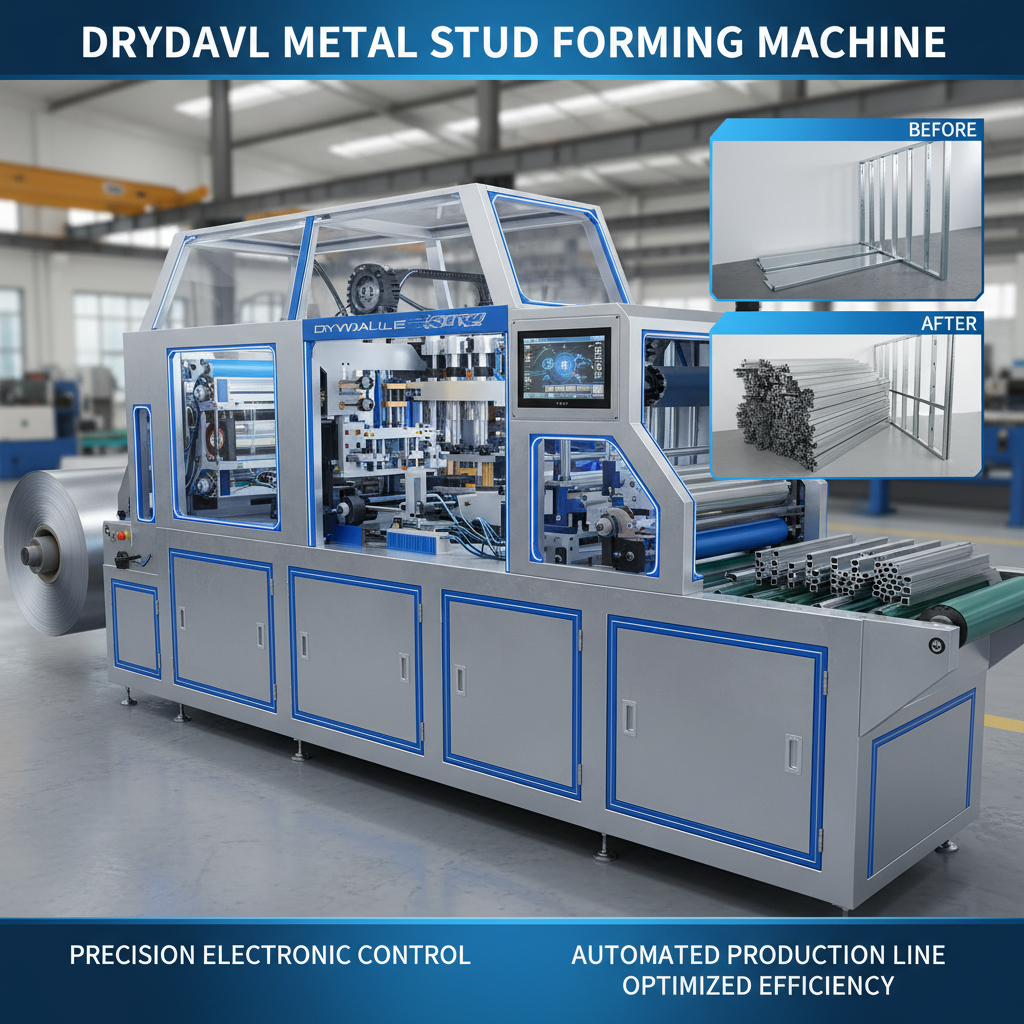
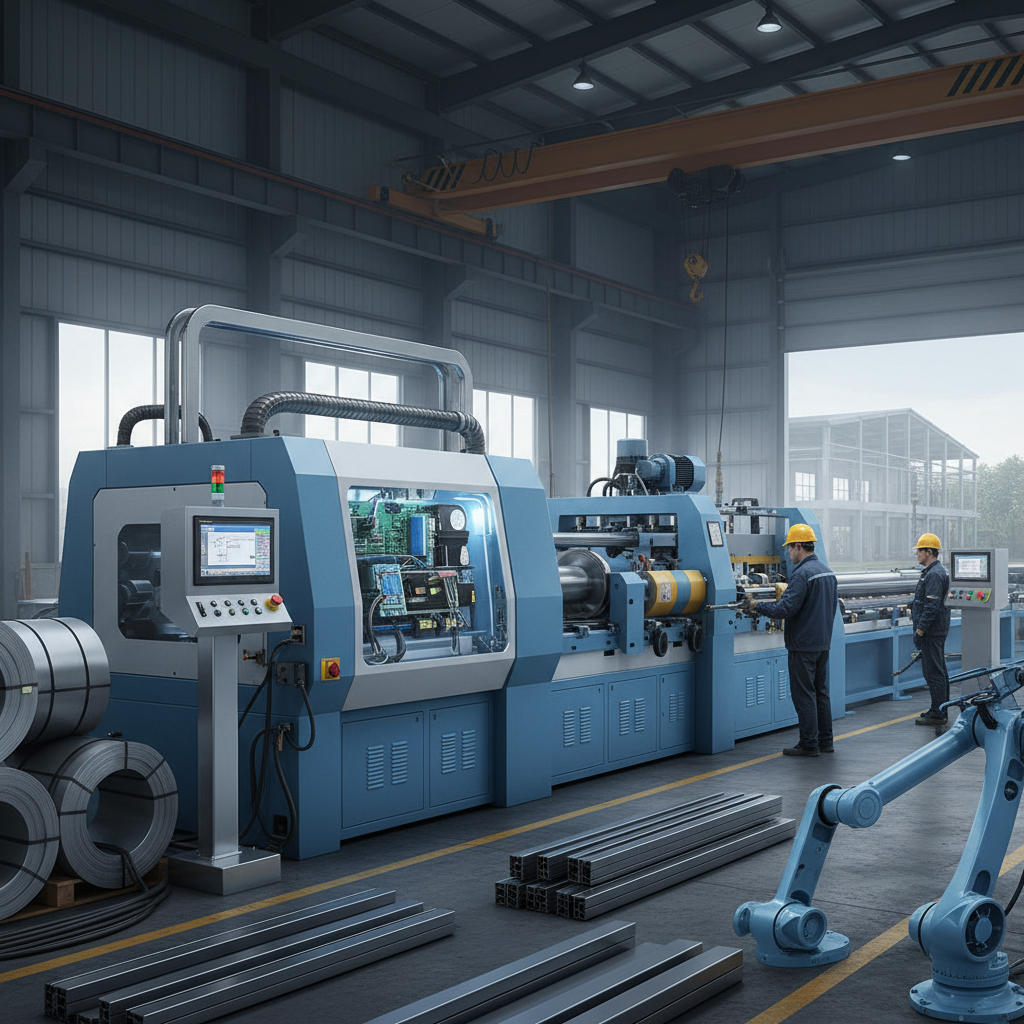
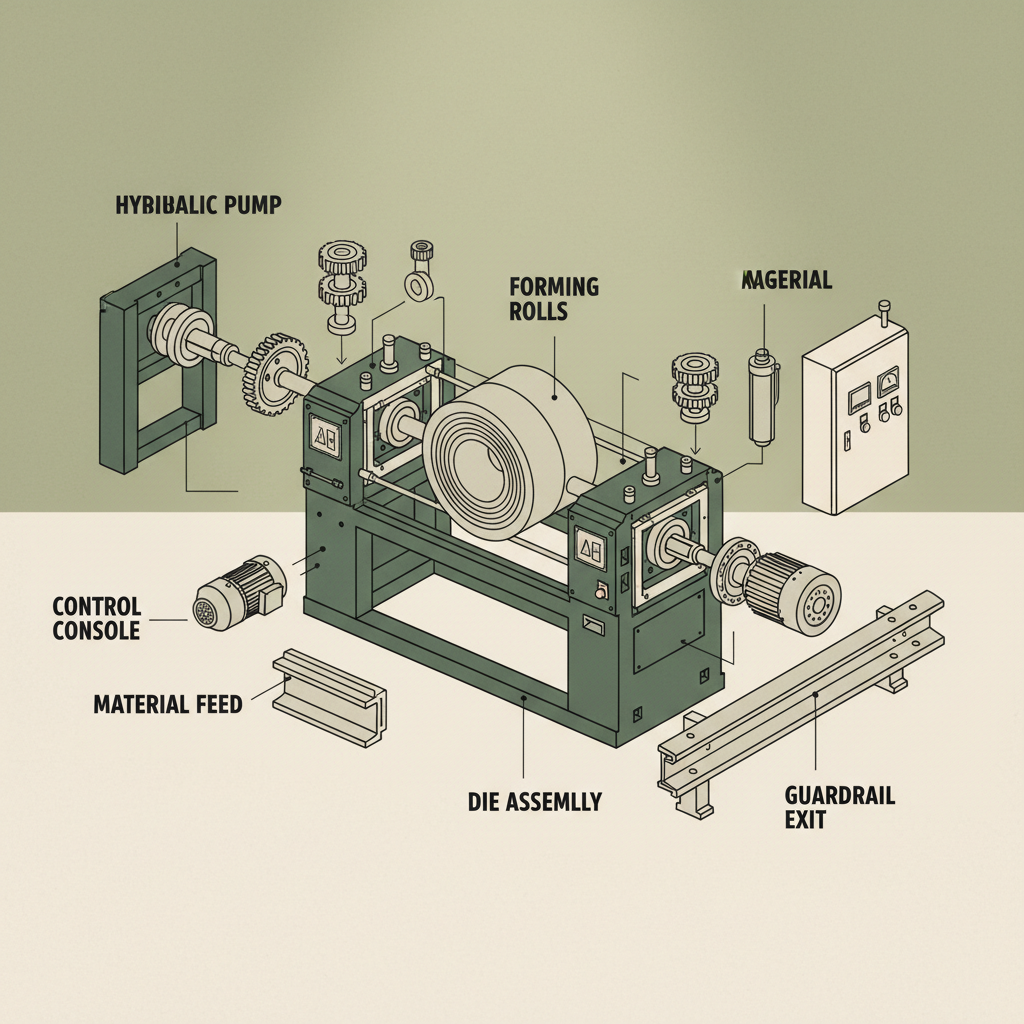
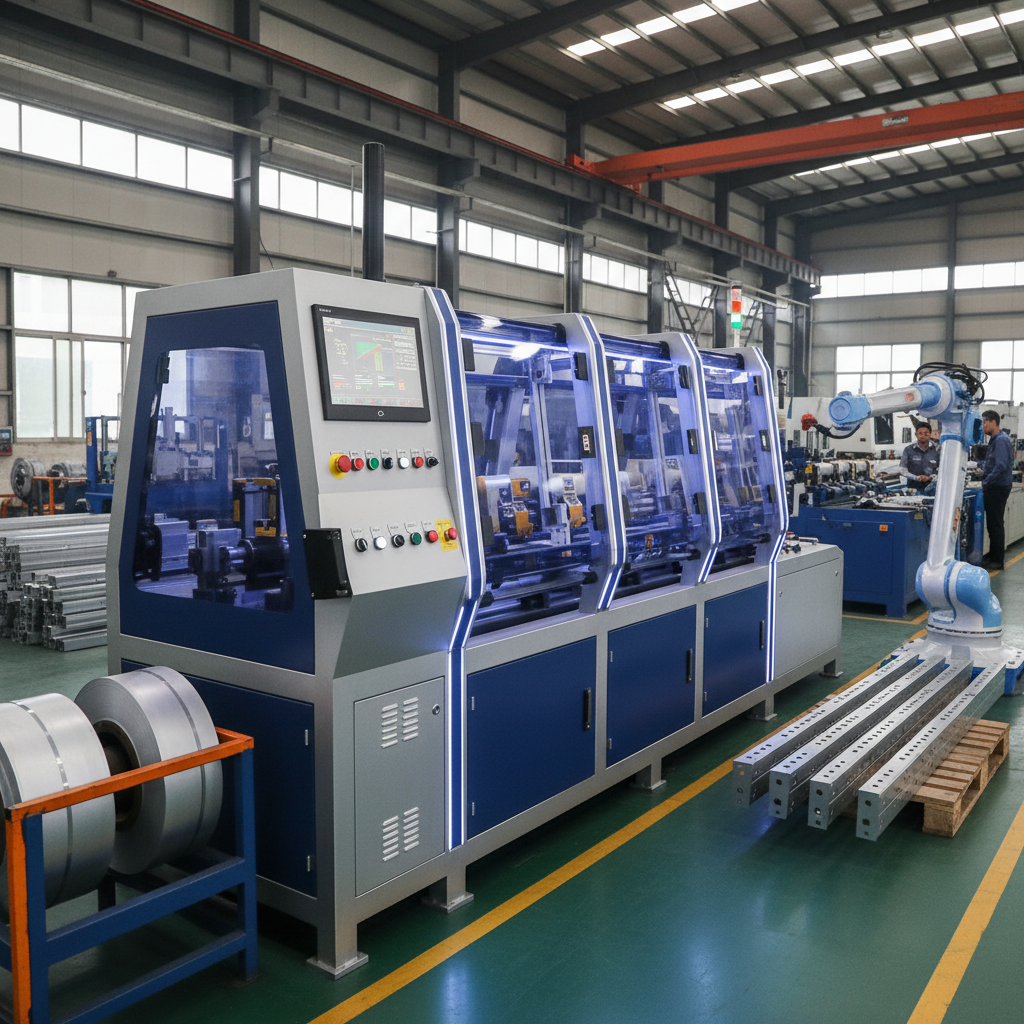
Honestly, things are moving fast. Everyone’s talking about pre-fabricated buildings, modular stuff. It's not new, of course, we’ve been seeing bits and pieces for years, but now it's really taking off. A lot of developers are trying to cut costs and speed things up, and that’s where these automatic cz purlin roll forming machine come in. They’re the backbone of a lot of these projects, you know?
And it’s not just about buildings either. Warehouses, agricultural structures…anything that needs a strong, lightweight frame. It's a pretty broad market, actually. We used to just think about the big construction firms, but now smaller guys are getting into it too. They see the potential.
But let me tell you, designing these machines isn’t as simple as it looks. A lot of people mess it up.
The Rising Tide of Prefabrication and the Role of Automatic CZ Purlin Roll Forming Machines
You see a lot of folks trying to retrofit existing factories to handle these machines. It’s…challenging. They think, “Oh, I can just add a few rollers and we’re good to go.” Nope. It needs proper foundations, space for coil handling, and enough power to run everything without blowing a fuse. I encountered this at a factory in Tianjin last time. A real mess. They ended up spending more on upgrades than the machine itself.
Anyway, I think these machines are crucial. The demand for steel structures is increasing, and automating the purlin production is the only way to keep up. It’s about efficiency, really. And not just in terms of speed. It's about reducing waste, improving accuracy, and minimizing labor costs.
Design Pitfalls: Avoiding Common Mistakes
Have you noticed how many machines can’t handle thicker gauges of steel? It seems obvious, but people overlook it. They buy a machine based on what they currently need, not what they might need in a couple of years. Then they’re stuck. Also, the roll tool changeover process... It's a pain point for a lot of manufacturers. A quick change system is essential, otherwise, you’re losing valuable production time.
And don't even get me started on the uncoiler. A cheap uncoiler will ruin your whole day. It needs to be robust, accurate, and able to handle different coil widths and weights. I've seen them jam, slip, and generally cause chaos.
Strangely, a lot of designs focus on speed, speed, speed, and forget about maintenance. Access to critical components for servicing is essential. Otherwise, you’re looking at a major shutdown every time something goes wrong.
Material Matters: Steel, Coatings, and the On-Site Experience
To be honest, the quality of the steel is paramount. We use mostly Q235 and Q345, the standard stuff. But you need to check the mill certifications. I’ve seen batches that don't meet spec, and that’s a headache. The smell of good steel is… well, it’s just right. It has a certain heft. Cheap stuff feels flimsy, smells…off.
The coating is also critical. Galvanizing is the most common, obviously, but the thickness matters. You want a good, even coating to prevent rust. And then there's the pre-painted steel. I prefer that for certain applications. It saves time on-site, but you need to be careful about handling it. Scratches can lead to corrosion.
On-site, the guys hate dealing with sharp edges. So a good machine should produce purlins with minimal burrs and clean cuts. It's a small detail, but it makes a big difference in safety and handling. It prevents sliced gloves and unhappy workers.
Real-World Testing: Beyond the Lab
I don't trust those lab tests. Give me a real-world scenario any day. We set up a little test bay at a construction site in Beijing, loaded the purlins with simulated wind and snow loads, and just… watched. It’s the only way to see how they really perform.
We also do deflection tests, obviously. But we don’t just measure deflection. We look for signs of stress, cracking, or deformation. And we pay attention to how the purlins interact with other components. It's a systems-level test, not just a component test.
Automatic CZ Purlin Roll Forming Machine Performance Metrics
How Users Actually Use Automatic CZ Purlin Systems
You’d think they’d follow the manual, right? Nope. Most guys just figure it out as they go. They’ll adjust the settings, experiment with different roll tooling, and try to push the machine to its limits. It’s… resourceful. But also, sometimes disastrous.
I’ve seen guys try to roll materials that the machine wasn’t designed for. Or they'll crank up the speed too high and end up with warped purlins. They rarely read the warnings. They just want to get the job done quickly.
Advantages and Disadvantages: A Pragmatic View
The biggest advantage is speed, obviously. You can produce a lot of purlins in a short amount of time. And the accuracy is much better than manual methods. Less waste, fewer errors. But… these machines are complex. They require skilled operators and regular maintenance. And if something breaks down, it can take a while to get it fixed.
The initial investment is also significant. It's not a cheap piece of equipment. But if you’re doing a lot of steel framing, it will pay for itself over time.
Customization and a Customer Story from Shenzhen
We've also done machines with automatic stackers, customized cutting systems, and even integrated welding modules. The possibilities are pretty much endless. It depends on the customer’s needs and budget.
We do offer remote diagnostics now, which has been a lifesaver for some clients. Instead of flying a technician out, we can often troubleshoot problems remotely.
Core Analysis of Automatic CZ Purlin Roll Forming Machine Performance
| Category |
Performance Metric |
Typical Range |
Impact on Overall System |
| Production Speed |
Meters per Minute |
15-40 |
High - Directly influences project timelines |
| Material Utilization |
Waste Percentage |
2-5% |
Medium - Reduces material costs |
| Dimensional Accuracy |
Tolerance (mm) |
±0.5 |
High - Crucial for structural integrity |
| Maintenance Frequency |
Hours Between Servicing |
200-400 |
Medium - Affects uptime and long-term costs |
| Roll Tooling Changeover Time |
Minutes |
15-30 |
Medium - Impacts flexibility for different profiles |
| Operator Skill Level |
Training Hours Required |
20-40 |
Low-Medium - Determines efficiency and quality |
FAQS
That depends, really. It’s not like a car. With proper maintenance – and I mean proper maintenance, not just a quick oiling – you can get 15-20 years out of a good machine. But neglect it, and you’ll be looking at major repairs after 5-7. The roll tools wear out faster, obviously, and need to be replaced periodically. It's about consistent care. It's the little things, you know?
At least 20-40 hours, honestly. They need to understand the basics of steel forming, how to adjust the settings, how to troubleshoot common problems, and – crucially – safety procedures. These machines have a lot of moving parts and can be dangerous if operated incorrectly. It's not just about pressing buttons; it's about understanding the process.
Yes, but you need the right roll tooling and settings. Galvanized steel is softer and requires different pressure. Pre-painted steel needs to be handled more carefully to avoid scratching the coating. The machine needs to be properly adjusted for each material to ensure quality and prevent damage. It’s not a one-size-fits-all solution.
Underestimating the supporting infrastructure. They focus on the machine itself and forget about things like coil handling, power requirements, and space for operation. It’s like buying a powerful engine and then trying to put it in a tiny car. It just won't work. You need to plan for everything from start to finish.
Absolutely. We can customize everything from the roll tooling to the control system. We’ve done machines with automatic stackers, integrated welding modules, even special cutting systems for unique profiles. The possibilities are pretty broad. It just depends on what the customer needs and how much they're willing to spend.
Conclusion
So, yeah, automatic CZ purlin roll forming machines are a big deal. They’re driving efficiency, reducing costs, and making it possible to build structures faster and more accurately. It’s not always glamorous work, but it’s essential. It’s about understanding the materials, the processes, and the needs of the people who are actually using these machines on a daily basis.
Ultimately, whether this thing works or not, the worker will know the moment he tightens the screw. If it feels right, it’s right. If it doesn’t… well, you’ve got a problem. And if you’re looking for a machine that feels right, check out our website. We’ll build you something that’ll last.