The three wave & guardrail making machine represents a significant advancement in road safety infrastructure. Globally, the demand for robust and efficient guardrail systems is continuously increasing due to expanding road networks and a heightened focus on reducing traffic fatalities. This technology addresses a critical need for durable, rapidly deployable, and cost-effective safety barriers, contributing to safer transportation systems worldwide. Understanding the nuances of these machines is crucial for engineers, contractors, and policymakers involved in highway construction and maintenance.
The importance of a reliable three wave & guardrail making machine stems from the escalating costs associated with road accidents – both in terms of human life and economic burden. According to the World Health Organization, approximately 1.3 million people die each year from road traffic crashes. Effective guardrail systems are a proven method for mitigating these risks, and efficient manufacturing through specialized machinery is key to widespread implementation. The UN Sustainable Development Goals, particularly Goal 9 (Industry, Innovation, and Infrastructure) and Goal 3 (Good Health and Well-being), are directly impacted by advancements in this field.
Investing in advanced three wave & guardrail making machines delivers substantial long-term benefits, from improved road safety and reduced accident rates to decreased maintenance costs and increased infrastructure lifespan. This technology allows for quicker project completion, minimizes disruption to traffic flow, and provides a higher quality, more consistent product compared to traditional, manual methods. It’s a vital component of modern infrastructure development and maintenance strategies.
The Global Significance of three wave & guardrail making machine
The three wave & guardrail making machine is becoming increasingly vital in addressing global infrastructure needs. As road networks expand, particularly in developing nations, the demand for effective and efficient road safety measures grows exponentially. These machines enable the rapid production of high-quality guardrails, contributing directly to reducing the frequency and severity of road accidents. The ISO 3801 standard for road restraint systems highlights the importance of rigorous testing and performance criteria, which these machines help to consistently meet.
The application of this technology isn’t limited to new construction. It’s also critical for upgrading existing infrastructure, replacing aging or damaged guardrails, and responding to emergency situations such as natural disasters or road closures. The ability to quickly deploy functional guardrails minimizes disruption and safeguards public safety during critical times.
Defining the three wave & guardrail making machine
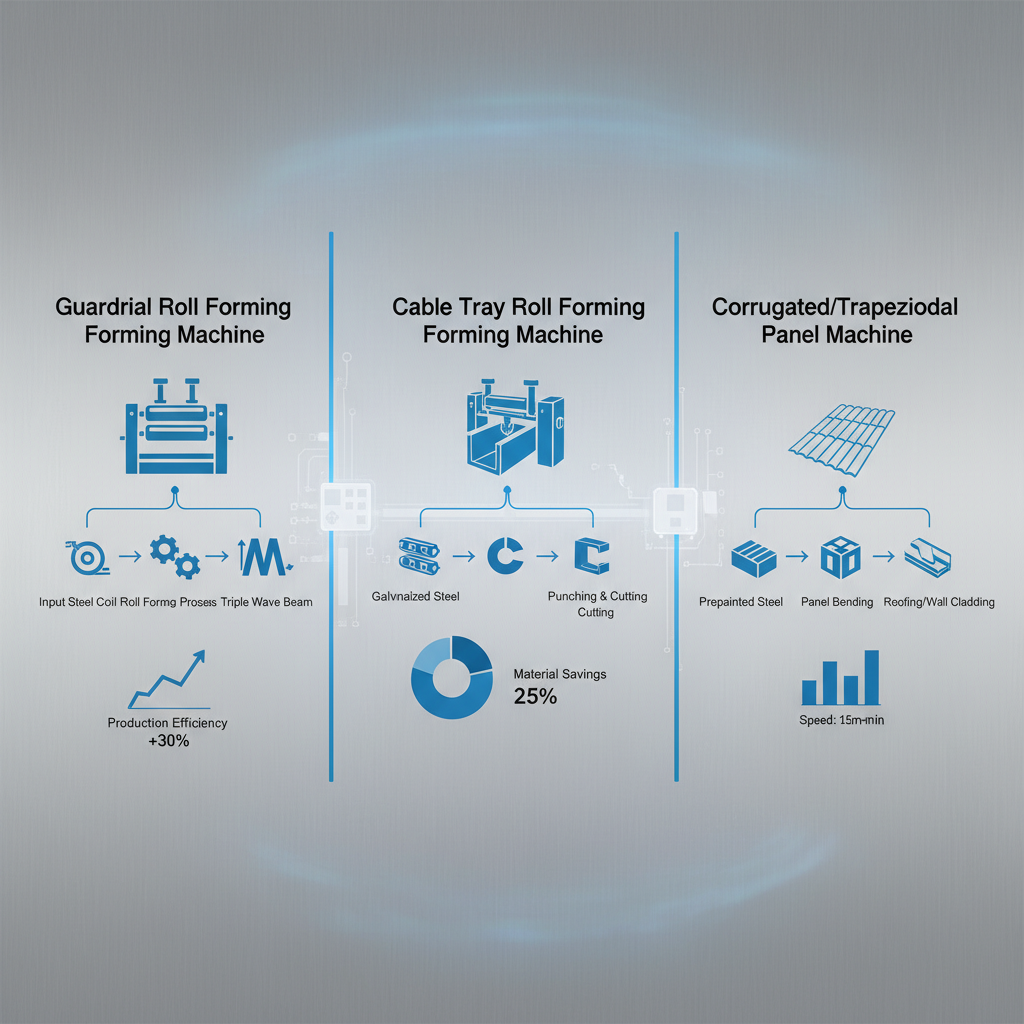
A three wave & guardrail making machine is a specialized piece of industrial equipment designed for the automated production of corrugated steel beam guardrails – commonly known as guardrails. These machines typically take flat steel coils as input and, through a series of forming, bending, and cutting processes, transform them into the characteristic “three wave” profile of modern guardrail systems. The resulting guardrails are designed to absorb impact energy during vehicle collisions, redirecting vehicles away from hazards and preventing more serious accidents.
The connection to modern industry lies in its role as a key component in the manufacturing supply chain for road infrastructure. Efficient guardrail production directly supports highway construction, maintenance, and safety initiatives. From a humanitarian perspective, reliable guardrail systems contribute to reducing injuries and fatalities on roadways, fostering safer transportation environments for communities globally.
The core function of a three wave & guardrail making machine is to ensure precise and consistent manufacturing, meeting stringent safety standards and optimizing resource utilization. Compared to manual or semi-automated methods, these machines offer significantly higher production rates, reduced material waste, and improved product quality.
Core Components and Operational Principles
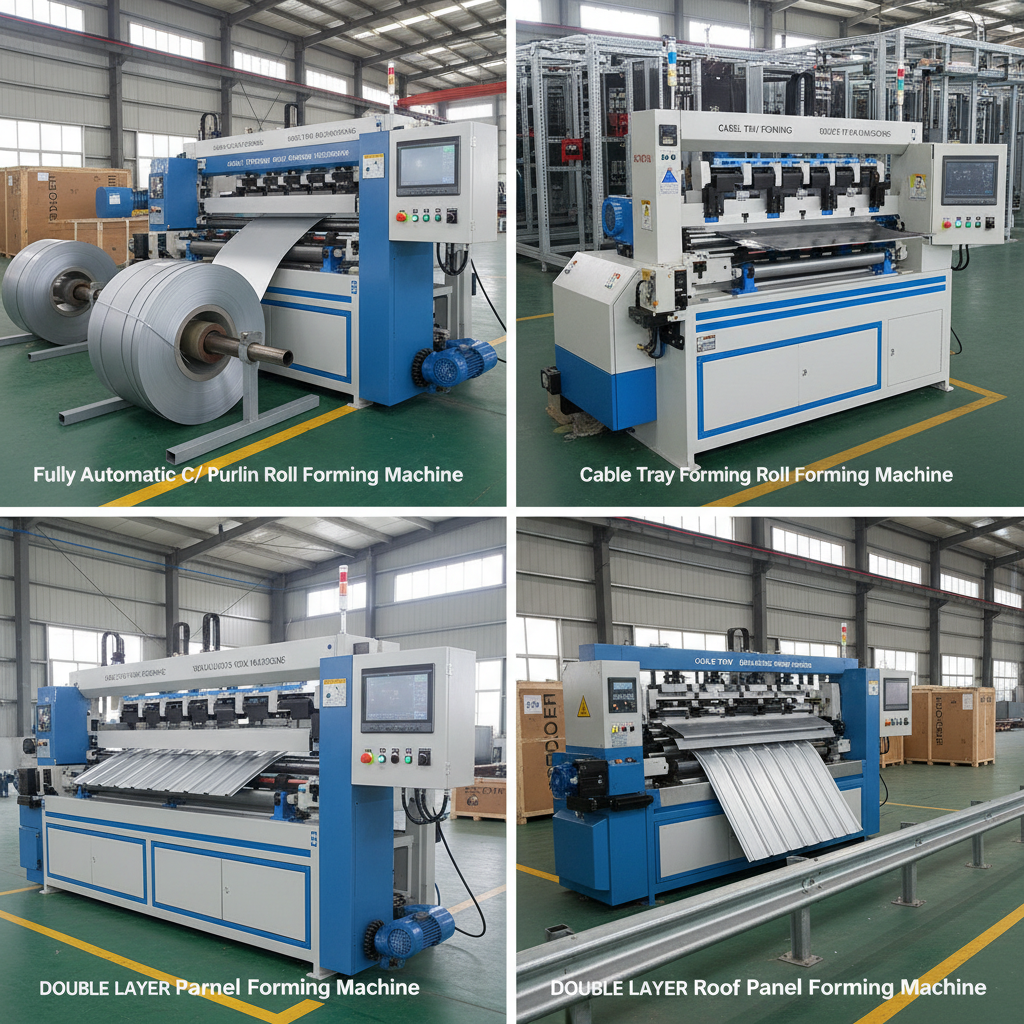
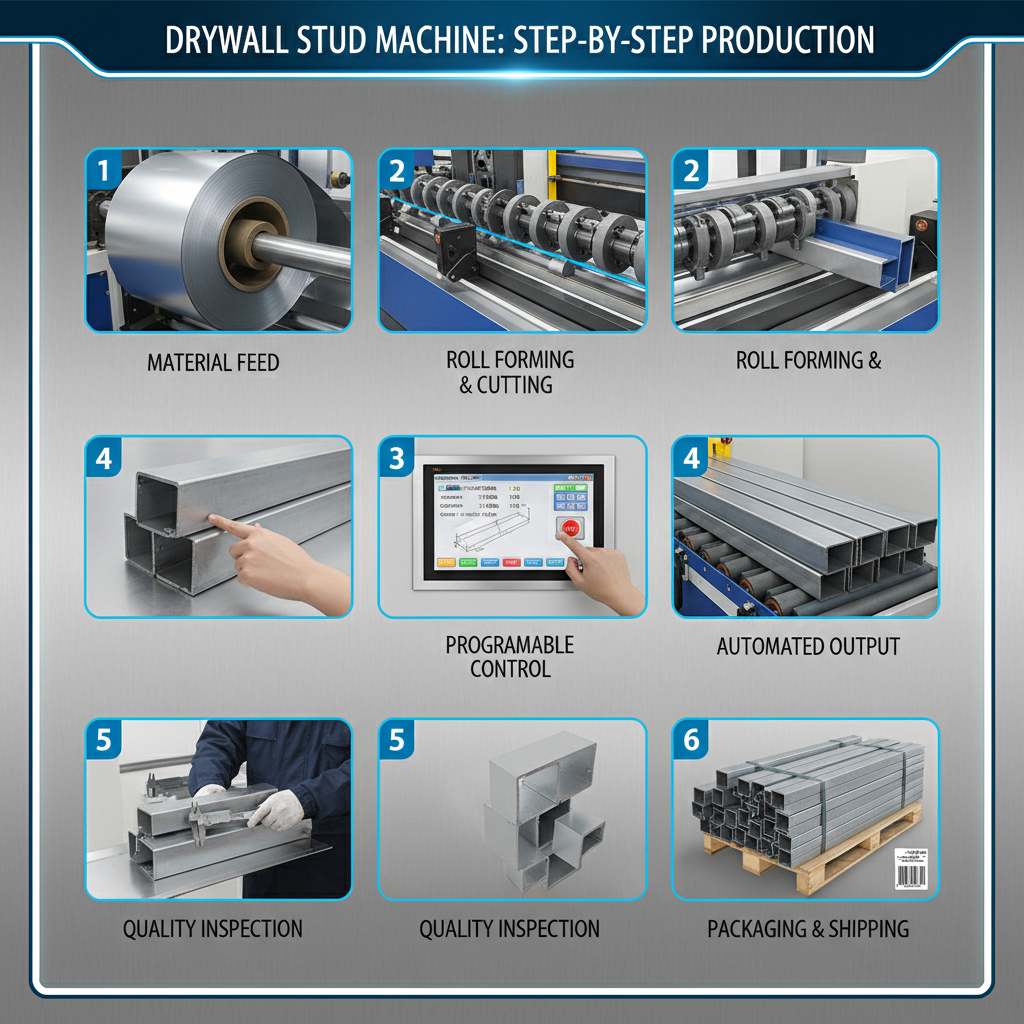
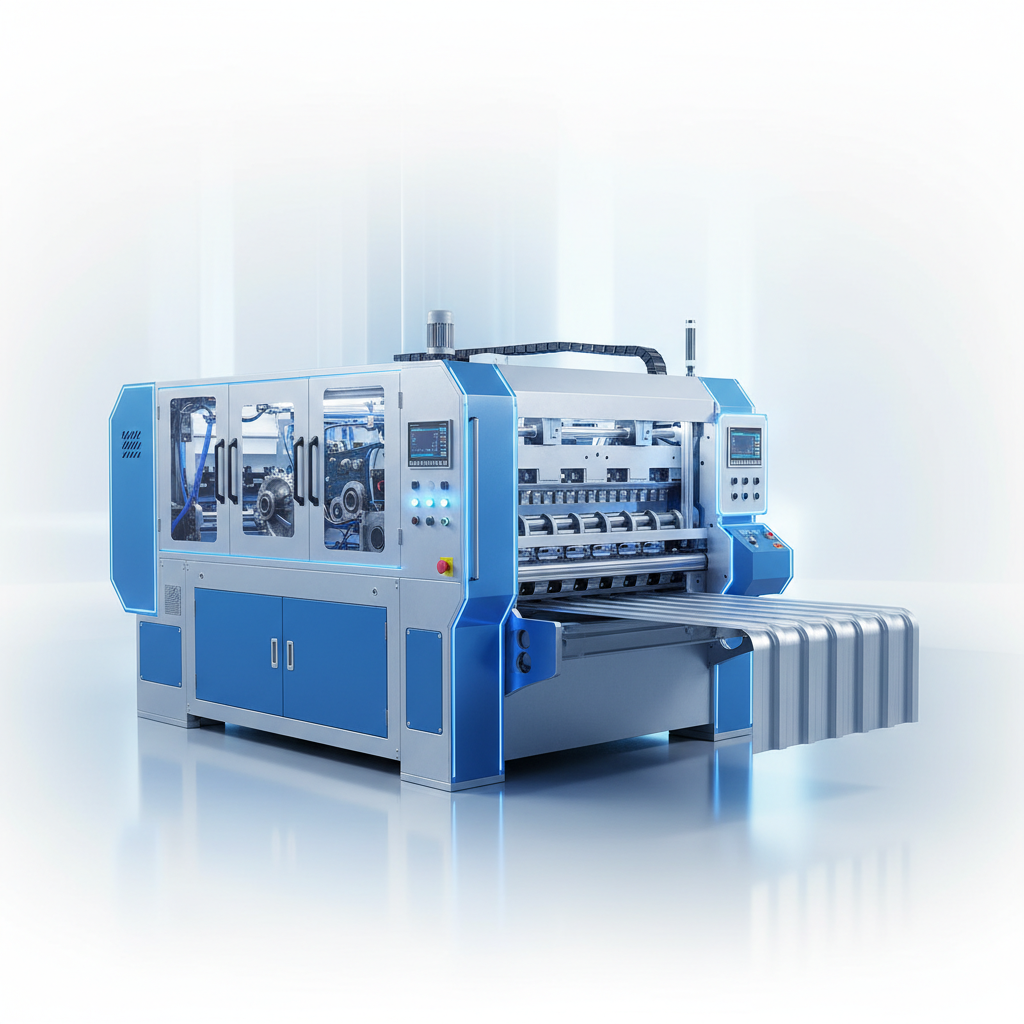
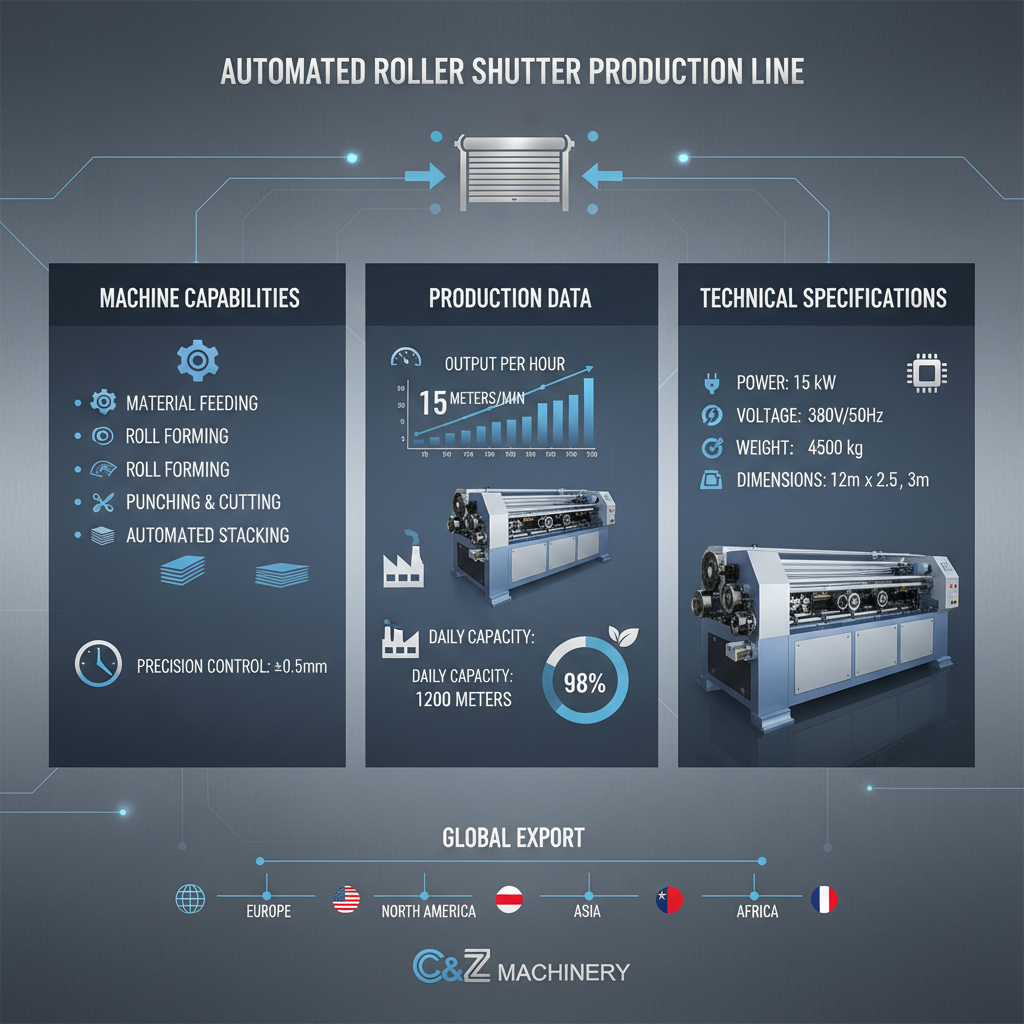
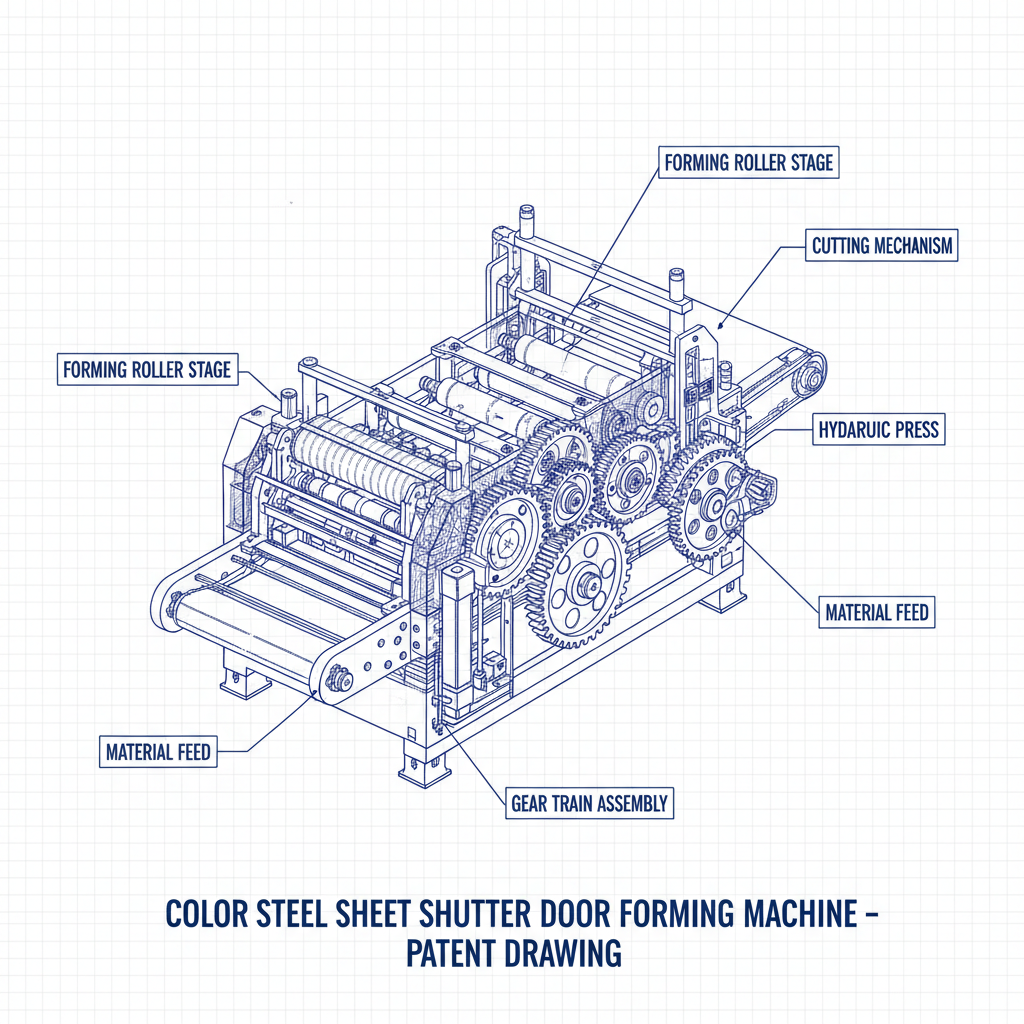
The operation of a three wave & guardrail making machine relies on several key components working in tandem. These include an unwinding unit for the steel coil, a leveling system to ensure consistent material thickness, a series of forming rollers that progressively shape the steel into the three-wave profile, a cutting mechanism to produce the desired guardrail lengths, and a stacking or bundling system for finished product handling. Precision control systems and automated sensors are integral to maintaining quality and efficiency.
Durability: The machines themselves are built with robust materials and heavy-duty components to withstand continuous operation and the demands of industrial environments. This ensures long-term reliability and minimizes downtime for maintenance.
Scalability: Different models of three wave & guardrail making machines offer varying production capacities, allowing manufacturers to scale their output based on market demand.
Cost Efficiency: Automation reduces labor costs, minimizes material waste, and increases production speed, contributing to overall cost savings.
Precision: Automated forming rollers and cutting mechanisms deliver consistent guardrail dimensions, ensuring adherence to safety standards.
Safety Features: Modern machines incorporate safety guards, emergency stop mechanisms, and operator controls to prevent accidents and ensure a safe working environment.
Material Compatibility: These machines can typically handle a range of steel grades and thicknesses, offering flexibility in material selection.
These core characteristics translate into practical applications by allowing manufacturers to efficiently produce large volumes of high-quality guardrails for highway projects, bridge construction, and other infrastructure applications. The ability to tailor production to specific project requirements and maintain consistent quality is paramount in meeting the demands of modern infrastructure development.
Key Performance Indicators of three wave & guardrail making machine
Evaluating the performance of a three wave & guardrail making machine requires considering several key indicators. Production rate, measured in meters per hour or units per shift, is a primary metric for assessing efficiency. Material utilization, expressed as a percentage, reflects the machine’s ability to minimize waste. Dimensional accuracy, assessed through regular quality control checks, ensures adherence to safety standards.
Machine uptime, representing the percentage of time the machine is operational, is critical for maximizing productivity. Maintenance frequency and cost provide insights into the machine’s reliability and long-term operating expenses. Finally, operator safety, monitored through incident reporting and safety audits, ensures a secure working environment.
Three wave & guardrail making machine Performance Metrics
Worldwide Applications and Industry Impact
The three wave & guardrail making machine is integral to infrastructure projects across the globe. In North America, these machines are widely used in highway construction and maintenance programs, ensuring compliance with stringent safety regulations. In Europe, the demand is driven by ongoing infrastructure upgrades and a commitment to road safety initiatives. In Asia, rapidly developing economies are investing heavily in road networks, creating a substantial market for guardrail manufacturing equipment.
In post-disaster relief operations, the rapid deployment of guardrail systems is crucial for restoring transportation links and ensuring public safety. These machines enable quick production of barriers for temporary road closures and hazard mitigation. Remote industrial zones, such as mining operations and construction sites, also benefit from on-site guardrail manufacturing capabilities, reducing transportation costs and lead times.
Advantages and Long-Term Value Proposition
Investing in a three wave & guardrail making machine offers tangible benefits beyond initial cost savings. The reduction in labor requirements translates to lower operational expenses and increased efficiency. The consistent quality of the manufactured guardrails minimizes the need for repairs and replacements, lowering lifecycle costs. Furthermore, the technology promotes sustainability by reducing material waste and optimizing resource utilization.
From an emotional perspective, the enhanced road safety provided by these systems offers peace of mind to drivers and communities. From a logical standpoint, the long-term reliability and durability of the guardrails contribute to a more resilient and sustainable transportation infrastructure. The trust placed in robust safety systems fosters a sense of security and confidence in the quality of road networks.
three wave & guardrail making machine is at the heart of these value propositions.
Future Trends and Technological Advancements
The future of three wave & guardrail making machine technology is focused on several key areas. Automation and robotics are being integrated to further enhance efficiency and reduce labor costs. The development of new, high-strength steel alloys is improving guardrail performance and durability. Digitalization and data analytics are enabling predictive maintenance, optimizing production schedules, and enhancing quality control.
Sustainability is a driving force, with research focused on utilizing recycled materials and reducing the environmental impact of manufacturing processes. The integration of smart sensors and IoT technologies allows for real-time monitoring of guardrail performance and proactive maintenance. The push for 'smart roads' incorporating connected vehicle technology will likely influence guardrail design and functionality in the coming years.
three wave & guardrail making machine will be a major player in driving these innovations.
Challenges and Solutions
Despite the advancements, certain challenges remain in the three wave & guardrail making machine industry. High initial investment costs can be a barrier for smaller manufacturers. Maintaining consistent material quality and addressing variations in steel properties requires sophisticated control systems. Ensuring operator safety and providing adequate training are ongoing concerns. Adapting to evolving safety standards and regulations necessitates continuous innovation.
Solutions include exploring financing options and leasing programs to reduce upfront costs. Implementing advanced sensor technologies and automated quality control systems can mitigate material variability. Comprehensive safety training programs and the integration of safety features into machine design are essential. Collaboration between manufacturers, research institutions, and regulatory bodies can accelerate the development of improved safety standards.
Embracing continuous improvement and proactively addressing these challenges will pave the way for a more efficient, sustainable, and safe future for three wave & guardrail making machine technology.
Analysis of Challenges and Solutions in three wave & guardrail making machine
| Challenge Area |
Impact Severity (1-10) |
Potential Solution |
Implementation Cost (1-10) |
| High Initial Investment |
8 |
Leasing Options & Financial Assistance |
6 |
| Material Quality Control |
7 |
Advanced Sensor Integration & Automation |
9 |
| Operator Safety |
9 |
Enhanced Safety Guards & Training Programs |
5 |
| Evolving Safety Standards |
6 |
Collaborative Research & Development |
7 |
| Maintenance Downtime |
5 |
Predictive Maintenance with IoT Integration |
8 |
| Skilled Labor Shortage |
7 |
Simplified Machine Operation & Remote Support |
6 |
FAQS
The payback period for a three wave & guardrail making machine varies depending on production volume, market demand, and operational efficiency. However, most manufacturers experience a payback period within 2-5 years due to reduced labor costs, increased production capacity, and minimized material waste. A detailed cost-benefit analysis considering your specific circumstances is recommended to determine the exact payback timeframe.
Comprehensive operator training is essential. Training programs typically cover machine operation, safety procedures, preventative maintenance, and basic troubleshooting. The duration of training can vary from several days to a few weeks, depending on the machine's complexity and the operator's prior experience. Regular refresher training is also recommended to ensure ongoing competence and adherence to safety protocols.
Most three wave & guardrail making machines are designed to process a range of carbon steel grades commonly used in guardrail manufacturing, such as ASTM A709 Grade 50. However, compatibility with specific steel alloys should be verified with the machine manufacturer. Using the correct steel grade is crucial to ensure the guardrails meet relevant safety standards and performance requirements.
Regular maintenance is crucial for optimal performance and longevity. Typical maintenance tasks include lubrication of moving parts, inspection and replacement of wear components, calibration of sensors, and cleaning of the machine. Preventative maintenance schedules should be followed diligently to minimize downtime and prevent costly repairs. Some machines offer remote diagnostic capabilities for proactive maintenance support.
Modern machines incorporate numerous safety features, including emergency stop buttons, safety guards around moving parts, light curtains to detect intrusions, and interlocking systems to prevent unauthorized access. Operator controls are designed for intuitive operation and minimize the risk of accidents. Regular safety audits and operator training are also essential components of a comprehensive safety program.
Automation significantly enhances quality control. Integrated sensors and inspection systems monitor critical parameters like dimensions and material thickness during production, ensuring consistency and adherence to standards. Automated adjustments are made in real-time to maintain quality, reducing the need for manual inspection and minimizing defects. Data logging capabilities provide a traceable record of production parameters for quality assurance purposes.
Conclusion
In conclusion, the three wave & guardrail making machine represents a transformative technology in road safety infrastructure. Its ability to efficiently produce high-quality guardrails, reduce costs, and enhance safety makes it an invaluable asset for transportation agencies, construction companies, and manufacturers worldwide. The technology not only improves road safety and reduces accident-related costs but also contributes to sustainable infrastructure development through optimized material utilization and reduced waste.
Looking ahead, continued innovation in automation, materials science, and digital integration will further enhance the performance and value of these machines. Investing in this technology is not simply a matter of upgrading infrastructure; it’s an investment in safer roads, stronger economies, and more secure communities. To learn more about how a three wave & guardrail making machine can benefit your organization, visit our website: www.machineyingyee.com.