The demand for durable and efficient roofing solutions is consistently high globally, driven by factors like population growth, urbanization, and the increasing frequency of extreme weather events. A crucial component in meeting this demand is the barrel corrugated roof sheet forming machine. These machines offer a cost-effective and reliable method for producing high-quality roofing materials suitable for a wide range of applications, from residential buildings to large-scale industrial complexes. Understanding the capabilities and advancements in this technology is essential for builders, architects, and manufacturers looking to optimize their construction processes and deliver superior results.
The global market for metal roofing, of which barrel corrugated sheets are a significant segment, is experiencing robust growth. Reports from organizations like the World Bank indicate a substantial increase in construction activity in developing nations, driving demand for efficient building materials. Furthermore, the ISO standards for metal roofing emphasize durability and performance, creating a need for precise manufacturing processes achievable through advanced machinery. The barrel corrugated roof sheet forming machine directly addresses this need by providing a consistent and high-quality output, reducing material waste and labor costs.
The challenge lies in providing affordable and sustainable housing solutions rapidly. Traditional roofing methods can be time-consuming and labor-intensive. Barrel corrugated roofing offers a solution that combines strength, light weight, and relatively easy installation, making it ideal for projects requiring quick deployment and long-term reliability. This is especially important in disaster relief scenarios and rapidly expanding urban areas.
Introduction to barrel corrugated roof sheet forming machine
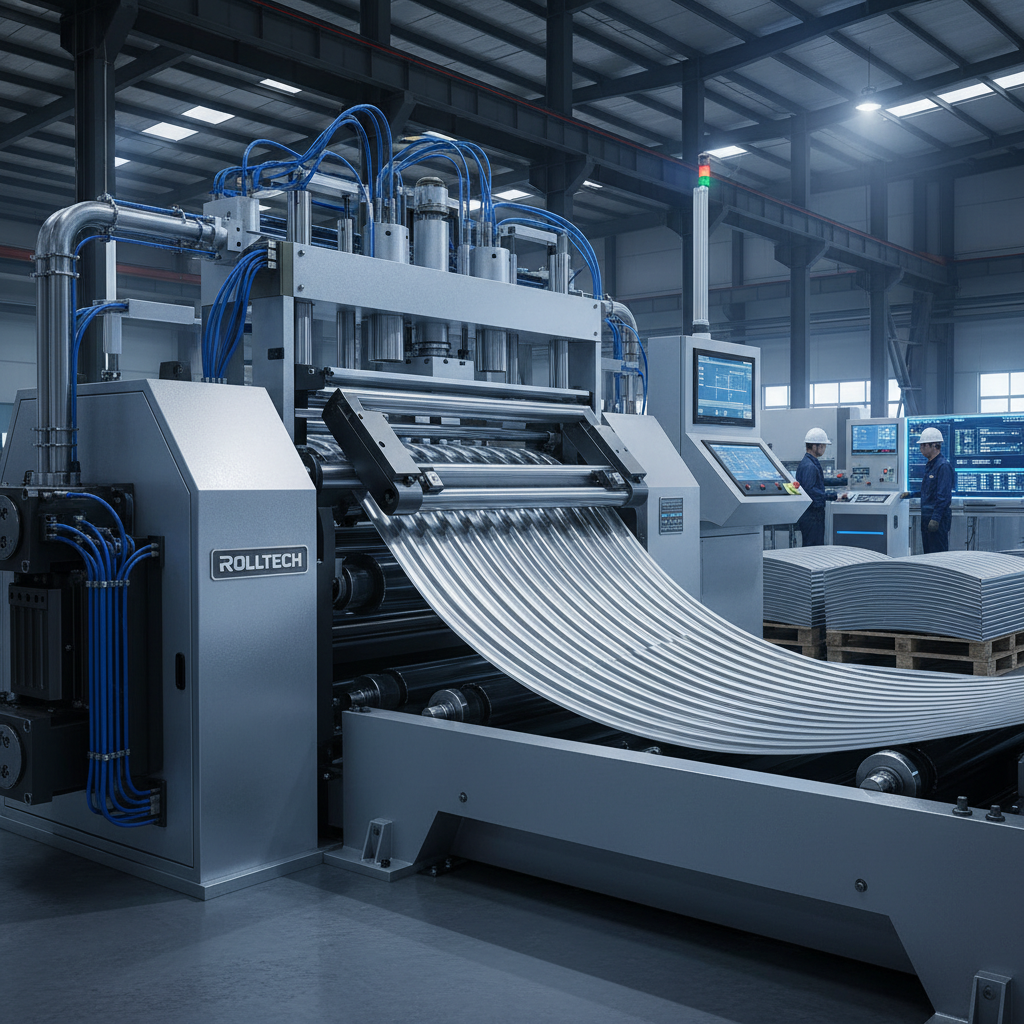
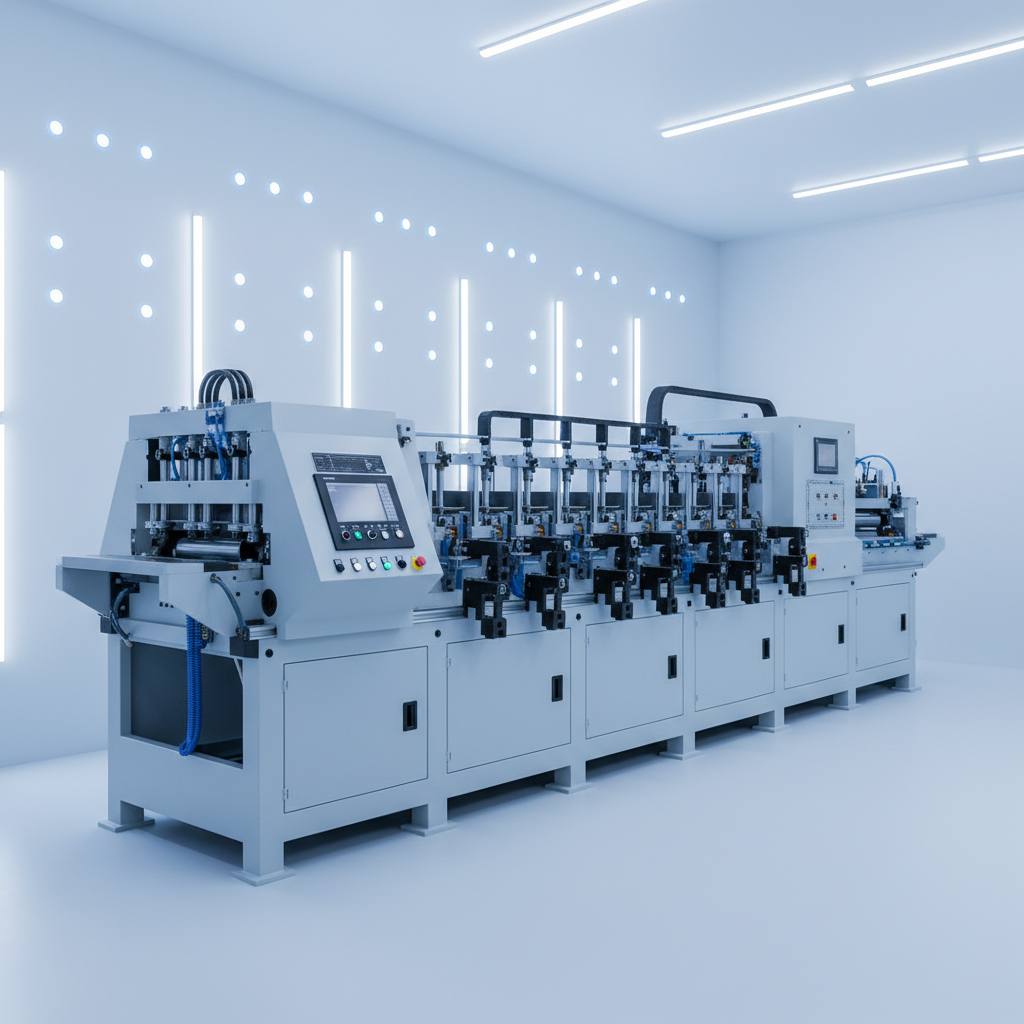
A barrel corrugated roof sheet forming machine is a sophisticated piece of manufacturing equipment designed to automatically produce barrel-shaped corrugated metal roofing sheets from flat coil steel. These machines utilize a series of rollers and dies to progressively shape the metal, creating the distinctive curved profile. The efficiency and precision of these machines have revolutionized the roofing industry, providing a faster and more consistent production process than traditional methods.
The increasing demand for durable, lightweight, and aesthetically pleasing roofing solutions has fueled the growth of the barrel corrugated roofing market. These sheets are not only strong and weather-resistant but also offer a modern and attractive appearance, making them a popular choice for both residential and commercial projects. Barrel corrugated roof sheet forming machine technology is central to meeting this demand effectively and economically.
Defining Barrel Corrugated Roofing
Barrel corrugated roofing refers to roofing sheets characterized by a curved, barrel-like profile. Unlike traditional corrugated sheets with sharp ridges, barrel corrugated sheets have a rounded form, offering enhanced structural strength and water runoff capabilities. This design also contributes to a more visually appealing aesthetic. The metal used in these sheets is typically galvanized steel, galvalume steel, or aluminum, offering excellent corrosion resistance.
The connection to modern industry is undeniable. Barrel corrugated roofing is widely used in warehouses, factories, agricultural buildings, and residential structures, offering a cost-effective and durable roofing solution. Its light weight simplifies installation, reducing labor costs and project timelines. The use of high-quality steel and advanced forming techniques ensures long-term performance and minimal maintenance.
Its relevance also extends to humanitarian needs. In disaster relief scenarios, the quick deployment and ease of installation of barrel corrugated roofing can provide immediate shelter for affected communities. The material's durability and weather resistance make it a reliable option in challenging environments, offering a safe and secure roofing solution when it’s needed most.
Core Components & Manufacturing Process
The manufacturing process of barrel corrugated sheets using a barrel corrugated roof sheet forming machine involves several key stages. First, flat coils of steel are fed into the machine. Then, a series of rollers progressively shape the metal, gradually forming the curved profile. Precise control of the roller alignment and pressure is crucial for achieving consistent sheet quality.
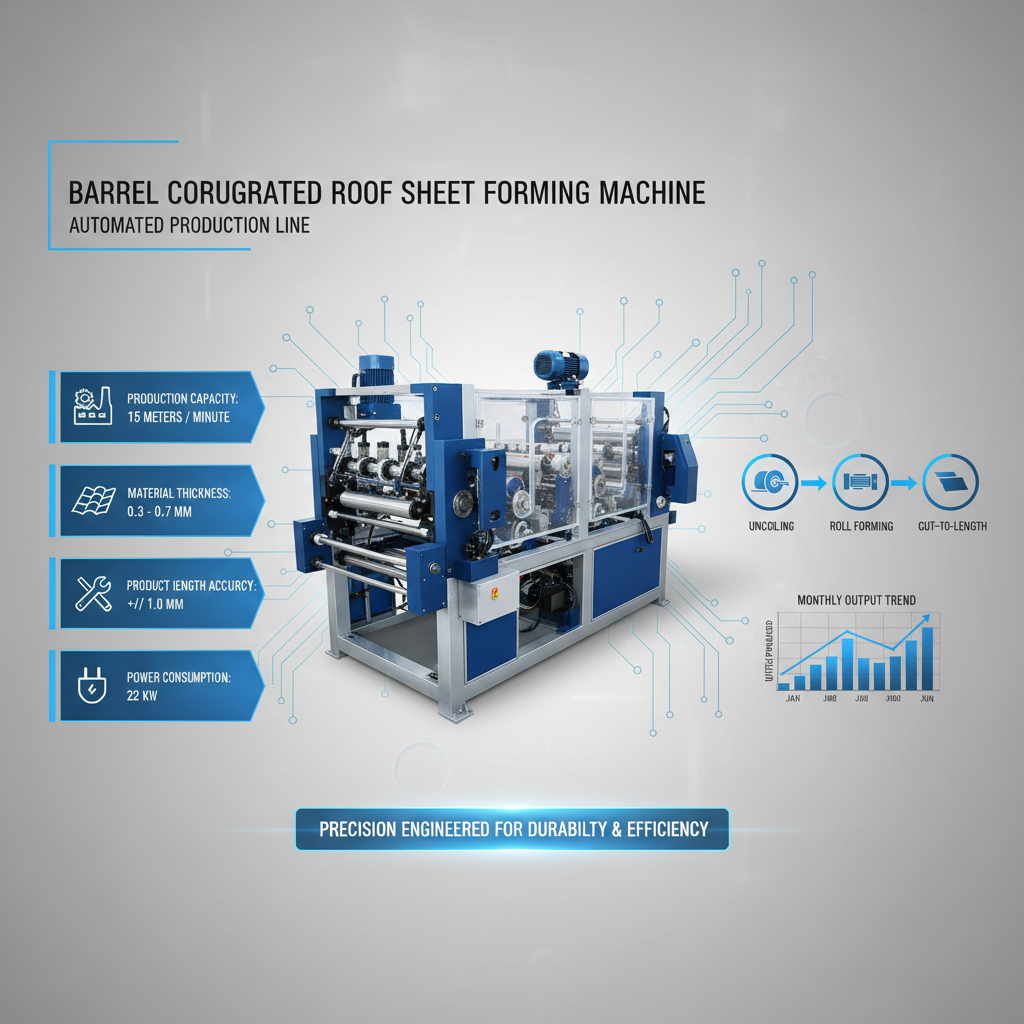
The key components of a barrel corrugated roof sheet forming machine typically include an uncoiler (to unwind the steel coil), a leveling unit (to flatten the steel), a forming station (with a series of rollers and dies), a cutting system (to shear the sheets to the desired length), and a stacking or coiling system (to collect the finished sheets). Advanced machines often incorporate automated control systems for precise operation and minimal waste.
Quality control is integral to the process, with sensors monitoring the sheet thickness, profile accuracy, and surface finish. Regular maintenance of the rollers and dies is essential for maintaining optimal performance and extending the machine's lifespan. The quality of the output is directly tied to the precision and reliability of the barrel corrugated roof sheet forming machine.
Key Benefits of Using a barrel corrugated roof sheet forming machine
One primary benefit is enhanced production efficiency. Barrel corrugated roof sheet forming machine significantly reduces production time compared to manual methods, enabling manufacturers to meet increasing demand and improve their profitability. The automated nature of the process minimizes labor costs and reduces the risk of human error.
Another key advantage is consistent product quality. The precision of the forming rollers and dies ensures that each sheet meets strict specifications, resulting in uniform thickness, profile accuracy, and surface finish. This consistency is crucial for structural integrity and aesthetic appeal.
Performance Metrics of Different barrel corrugated roof sheet forming machine Types
Global Applications and Industries Served
Barrel corrugated roofing is extensively used in the construction of agricultural buildings, such as barns and poultry houses, due to its durability, weather resistance, and cost-effectiveness. It's also prevalent in industrial warehouses and factories, providing a robust and long-lasting roofing solution for large-span structures.
In the residential sector, barrel corrugated roofing is gaining popularity for its modern aesthetic and ability to complement various architectural styles. It’s often used for roofing sheds, garages, and even entire homes, offering a durable and visually appealing alternative to traditional roofing materials. Demand is particularly high in regions prone to extreme weather conditions, such as hurricanes and heavy snowfall.
Post-disaster relief operations often utilize barrel corrugated roofing for quick and efficient shelter construction. Its lightweight nature and ease of installation make it ideal for providing temporary housing solutions in emergency situations. Remote industrial zones and developing countries also benefit from the affordability and durability of this roofing system.
Long-Term Value and Sustainability
The long-term value of barrel corrugated roofing lies in its durability and low maintenance requirements. High-quality steel roofing can last for 50 years or more with minimal upkeep, reducing life-cycle costs. Its resistance to corrosion, fire, and pests further contributes to its longevity and reliability.
From a sustainability standpoint, steel is a highly recyclable material, making barrel corrugated roofing an environmentally responsible choice. Utilizing recycled steel reduces the demand for virgin materials and minimizes the environmental impact of manufacturing. Moreover, the energy efficiency of metal roofing can contribute to lower heating and cooling costs, reducing a building's carbon footprint.
Future Trends and Technological Advancements
Future advancements in barrel corrugated roof sheet forming machine technology are focused on increased automation, precision, and material versatility. We can expect to see machines capable of handling a wider range of steel thicknesses and alloys, as well as incorporating advanced sensors and control systems for real-time quality monitoring.
The integration of digital technologies, such as remote diagnostics and predictive maintenance, will further enhance machine efficiency and reduce downtime. Furthermore, the development of new coating materials that offer enhanced corrosion resistance and thermal performance will expand the applications of barrel corrugated roofing. Sustainability will continue to drive innovation, with a focus on using more recycled materials and reducing energy consumption during manufacturing.
The implementation of AI-powered optimization algorithms within the machines can lead to even finer control over the forming process, reducing material waste and enhancing product consistency. These innovations will contribute to a more efficient, sustainable, and cost-effective roofing industry.
FAQS
A barrel corrugated roof sheet forming machine provides significantly higher production speeds, consistent quality, and reduced labor costs compared to manual roofing methods. The automated process minimizes material waste and ensures uniform sheet dimensions, resulting in a more efficient and reliable roofing solution. This leads to faster project completion and improved profitability for manufacturers.
Most barrel corrugated roof sheet forming machines are designed to process galvanized steel, galvalume steel, and aluminum coils. The specific material compatibility depends on the machine's configuration and the capabilities of its forming rollers and dies. Some machines can also handle pre-painted steel coils for added aesthetic appeal and corrosion protection.
With proper maintenance and regular servicing, a barrel corrugated roof sheet forming machine can have a lifespan of 15-20 years or more. Key maintenance tasks include lubricating moving parts, inspecting and replacing worn rollers and dies, and ensuring proper alignment of the forming system. Adhering to the manufacturer's recommendations is crucial for maximizing the machine's lifespan.
Modern barrel corrugated roof sheet forming machines incorporate a range of safety features, including emergency stop buttons, safety guards around moving parts, and light curtains to prevent accidental contact. Automated control systems often include safety interlocks to prevent operation if guards are removed or safety sensors are triggered. Proper training for operators is essential for ensuring safe operation.
The production capacity of a barrel corrugated roof sheet forming machine varies depending on the machine's size, speed, and the thickness of the steel being processed. Typically, a machine can produce between 30 to 80 meters of corrugated sheets per minute. More advanced machines can achieve even higher production rates.
The space requirements for a barrel corrugated roof sheet forming machine depend on the machine's size and the layout of the production line. A typical machine requires a floor space of at least 20-30 meters in length and 5-10 meters in width. Additional space is needed for coil storage, sheet stacking, and maintenance access.
Conclusion
In conclusion, the barrel corrugated roof sheet forming machine represents a significant advancement in roofing technology, offering a compelling combination of efficiency, durability, and cost-effectiveness. Its ability to produce high-quality roofing sheets rapidly and consistently makes it an essential tool for manufacturers serving a diverse range of industries, from construction and agriculture to disaster relief. By embracing this technology, businesses can optimize their operations, reduce costs, and deliver superior roofing solutions.
Looking ahead, continued innovation in automation, materials science, and digital integration will further enhance the capabilities of these machines. Investing in advanced barrel corrugated roof sheet forming machine technology is not only a strategic business decision but also a commitment to sustainable construction practices and resilient infrastructure development. Visit our website at www.machineyingyee.com to learn more about our solutions.