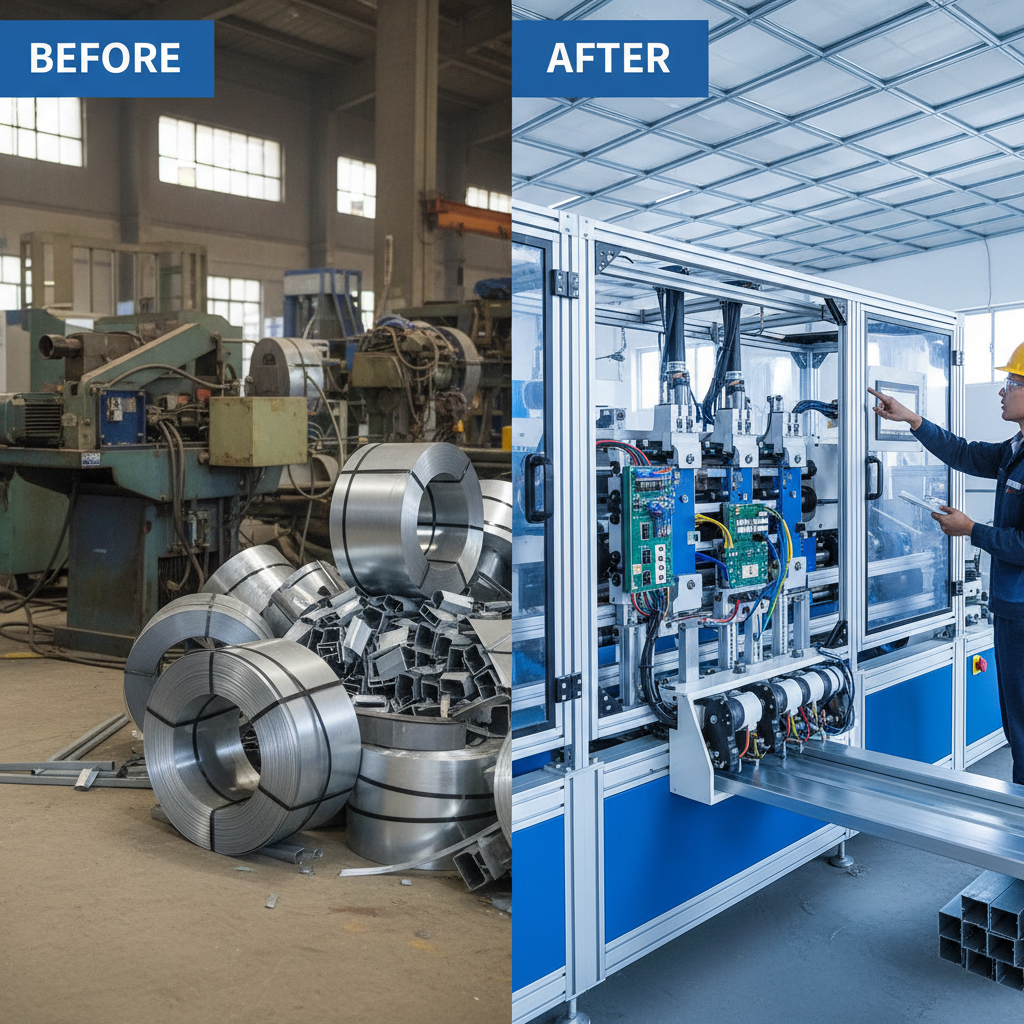
The construction industry is constantly seeking ways to improve efficiency, reduce costs, and enhance the quality of building components. The stud and track ceiling forming machine represents a significant leap forward in achieving these goals, particularly in the realm of light gauge steel framing. As someone who's spent years on job sites, dealing with material logistics and coordinating with engineering teams, I can tell you firsthand that prefabrication is the future, and this machine is a key enabler. It addresses the increasing demand for faster build times and more precise construction, especially in residential and light commercial projects.
We're seeing a global shift towards industrialized construction methods. Traditional on-site framing is labor-intensive, susceptible to weather delays, and often results in inconsistencies. The stud and track ceiling forming machine offers a solution by automating the production of ceiling components, reducing reliance on skilled labor, and ensuring uniform quality. This isn't just about speed; it's about building better, more durable structures.
The pressure on construction companies to deliver projects on time and within budget is immense. Supply chain disruptions, rising material costs, and a shrinking workforce are all contributing factors. Investing in technology like this machine isn’t simply a luxury, but a necessity to stay competitive and meet the evolving needs of the market. This machine helps offset many challenges.
The Core of Stud and Track Ceiling Forming Machine
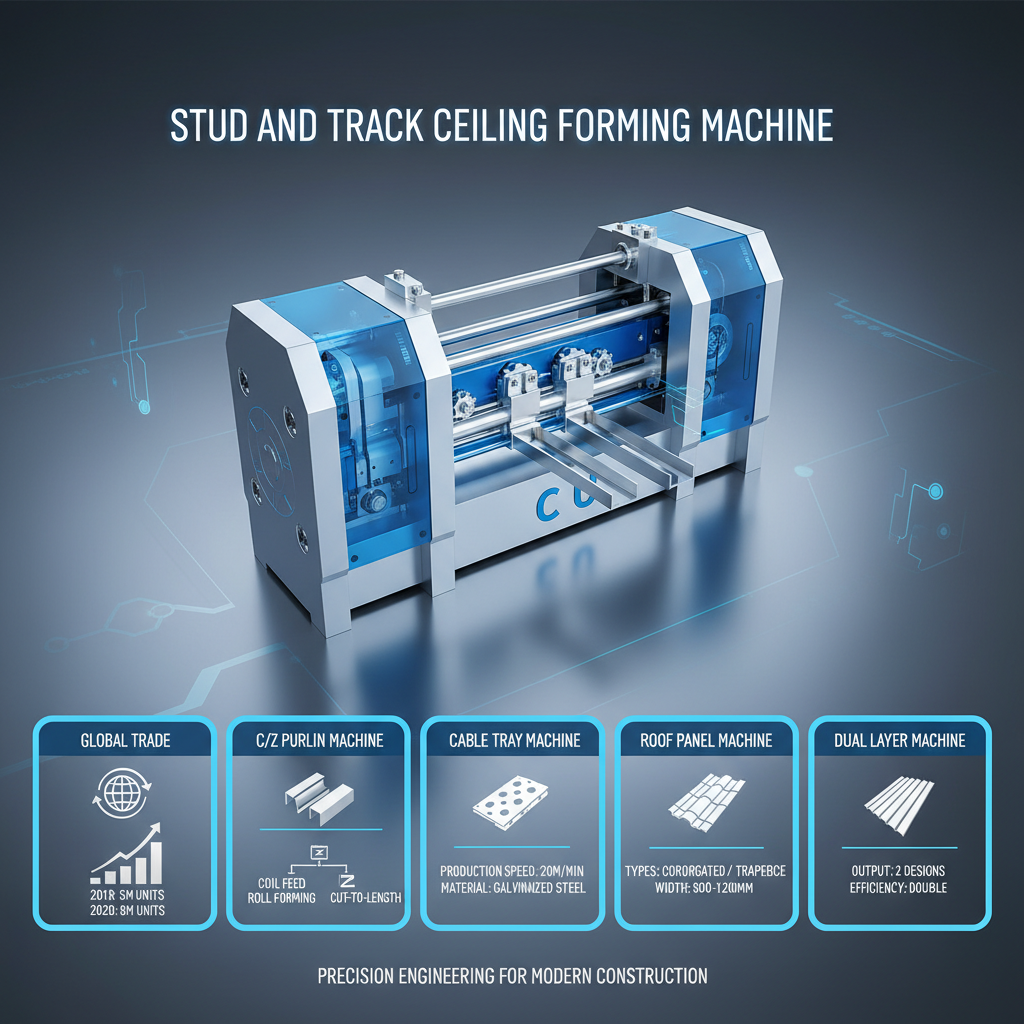
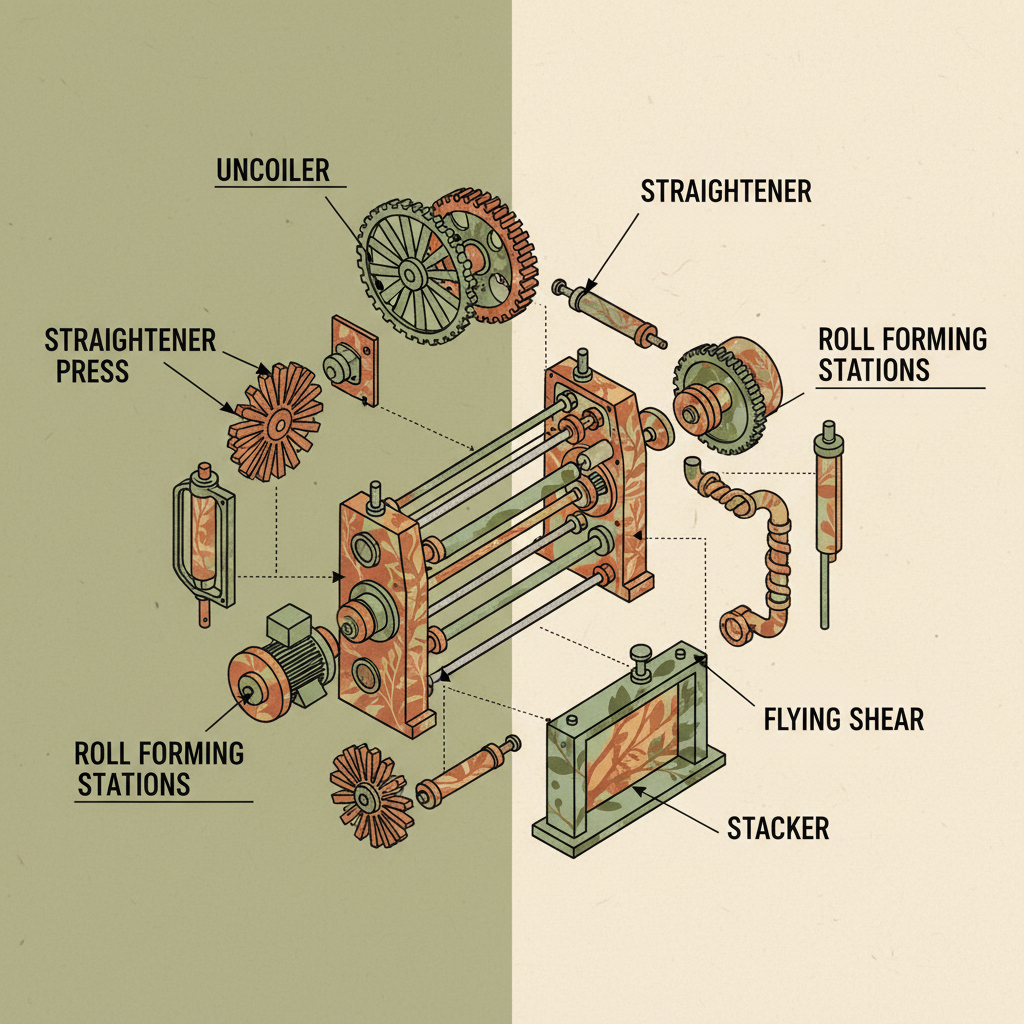
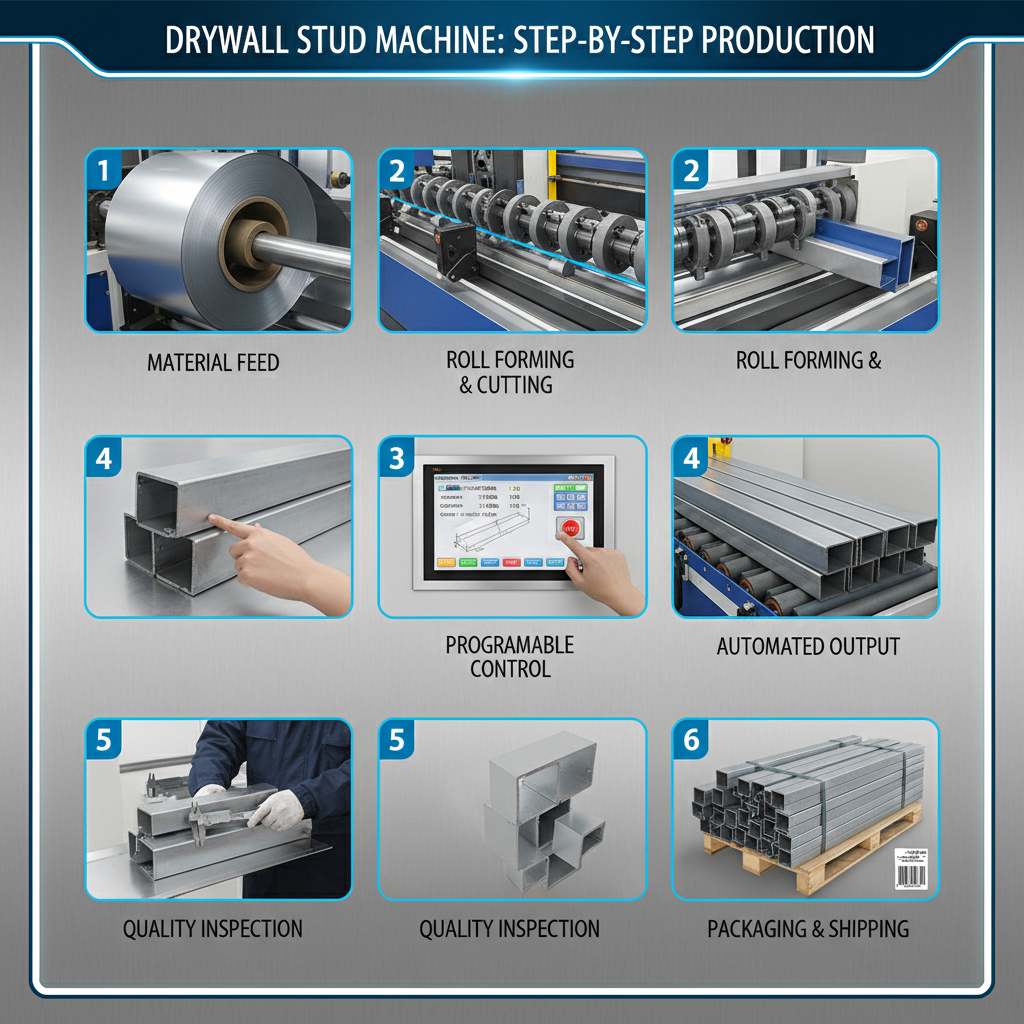
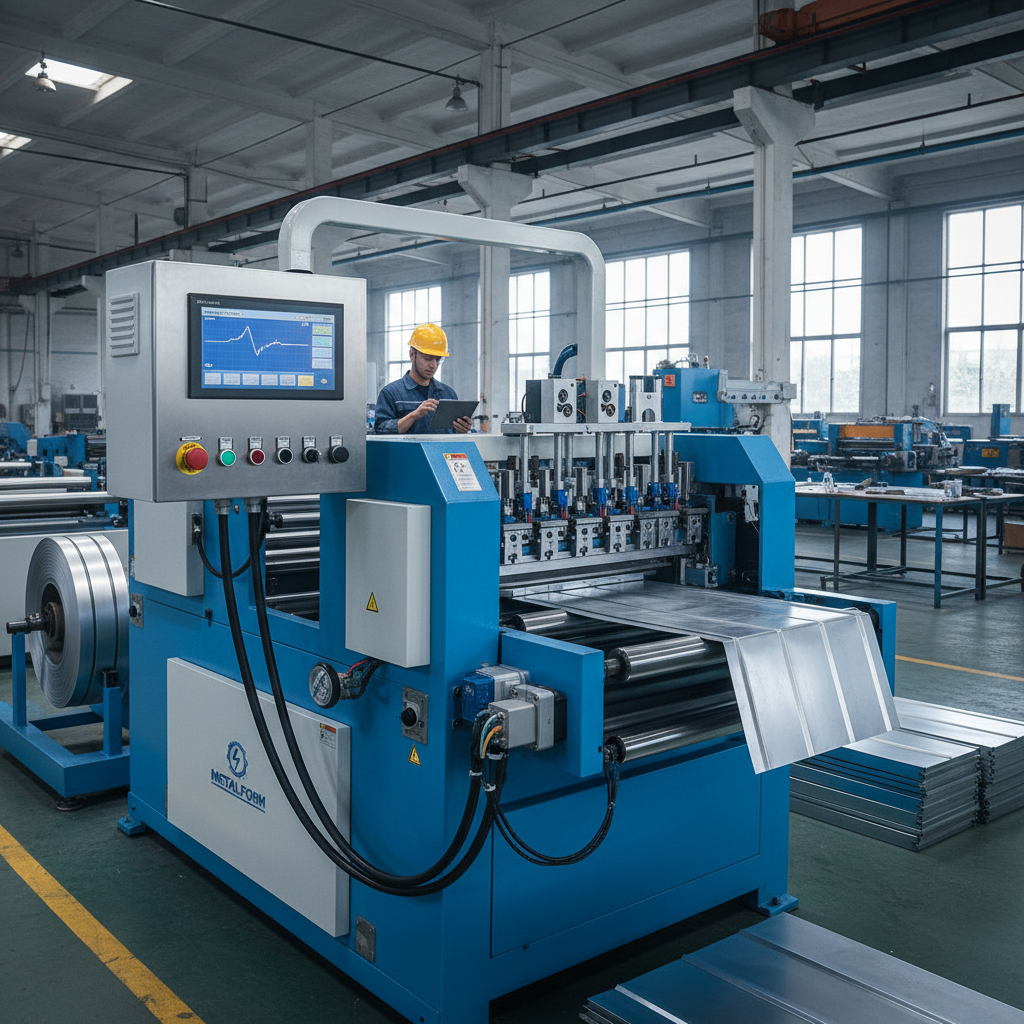
The stud and track ceiling forming machine isn’t just a piece of equipment; it's a complete system designed for the automated production of light gauge steel (LGS) ceiling components. It takes flat coil steel and rolls and cuts it into precise profiles for studs and tracks, the backbone of modern ceiling systems. I've seen these machines drastically reduce setup times compared to manual methods, and that translates directly into cost savings for contractors.
From a practical standpoint, these machines are built for robust performance and are configurable to handle various steel gauges and profile designs. This flexibility is crucial. Projects don’t all use the same specifications, and a machine that can adapt quickly saves significant time and money.
Global Relevance and Industry Challenges
The demand for efficient and sustainable construction practices is global, driven by urbanization and a growing population. According to UN reports, over half the world’s population lives in urban areas, a number that's projected to rise significantly in the coming decades. This creates immense pressure on construction industries worldwide. The stud and track ceiling forming machine addresses this by providing a scalable solution for producing high-quality ceiling systems quickly and efficiently.
However, the construction industry faces significant challenges. The World Bank highlights labor shortages, rising material costs, and the need for improved productivity as major concerns. These challenges are especially acute in developing countries where infrastructure development is critical. A machine like this can help mitigate those issues.
Furthermore, the ISO standards for steel construction emphasize quality control and dimensional accuracy. The precision of a stud and track ceiling forming machine naturally aligns with these standards, simplifying inspection processes and minimizing rework.
Defining the Stud and Track Ceiling Forming Machine
Simply put, a stud and track ceiling forming machine is an automated system that transforms flat steel coils into the essential components for light gauge steel (LGS) ceilings: studs (vertical supporting members) and tracks (horizontal runners). It uses a series of rollers and cutters to shape the steel into precise profiles, ensuring consistent dimensions and structural integrity.
Its connection to modern industry lies in its ability to support prefabrication and off-site construction. This shift is vital for improving efficiency, reducing waste, and addressing the growing demand for sustainable building practices. It’s a move away from slow, manual processes towards a more controlled and optimized manufacturing approach.
The relevance to humanitarian needs also shouldn't be overlooked. Rapid deployment housing, emergency shelters, and disaster relief structures often benefit from LGS framing, and a stud and track ceiling forming machine can significantly accelerate the production of these critical components.
Key Factors Driving Adoption
There are several key factors fueling the adoption of these machines. Firstly, Durability is paramount. LGS framing is inherently resistant to fire, pests, and rot, making it a long-lasting building material. Secondly, Scalability is a huge advantage. A single machine can produce components for a wide range of project sizes, from small residential renovations to large commercial developments.
Cost Efficiency is also a major driver. While the initial investment in the machine is significant, the long-term savings in labor, material waste, and project completion time quickly offset the cost. Another crucial aspect is Precision. The automated nature of the machine ensures consistent dimensions and tight tolerances, minimizing errors and rework.
Performance Metrics of Stud and Track Ceiling Forming Machines
Global Applications and Real-World Use Cases
These machines are being utilized across the globe in a diverse range of projects. In North America, they’re becoming standard in residential construction, particularly in areas prone to wildfires where fire-resistant materials are essential. In Europe, they’re employed in the construction of energy-efficient buildings, leveraging the thermal performance of LGS framing.
In post-disaster relief operations, portable stud and track ceiling forming machine units are deployed to quickly produce shelters and temporary housing. I’ve seen them used effectively in the aftermath of hurricanes and earthquakes, providing immediate relief to affected communities.
Advantages and Long-Term Value Proposition
The tangible benefits are clear: reduced labor costs, faster project completion, and improved material utilization. But beyond that, there’s a significant sustainability aspect. LGS framing is a highly recyclable material, contributing to a circular economy. The precision of the machine also minimizes waste, reducing the environmental impact of construction.
The long-term value also includes increased safety. LGS framing is lightweight and easy to handle, reducing the risk of on-site injuries. And, frankly, there’s a growing sense of trust in prefabricated components. Clients are recognizing the quality and reliability of structures built using these methods.
Future Trends and Innovation Pathways
We’re seeing a convergence of technologies driving innovation in this space. Integration with Building Information Modeling (BIM) software is becoming commonplace, allowing for seamless design and fabrication workflows. Automation is also increasing, with robotic arms being incorporated into the production process.
The development of more sustainable steel alloys and the exploration of alternative energy sources to power these machines are also key trends. I also anticipate increased focus on modular construction techniques, where entire ceiling cassettes are prefabricated off-site and then assembled on location.
Digitalization will play a vital role, with real-time monitoring of machine performance and predictive maintenance capabilities. This will enhance efficiency, minimize downtime, and maximize the return on investment.
Summary of Key Challenges and Potential Solutions for Stud and Track Ceiling Forming Machine
| Challenge |
Impact on Efficiency |
Potential Solution |
Implementation Cost (1-10) |
| Material Coil Handling |
Slows down production; requires manual intervention. |
Automated coil loading and unloading systems. |
7 |
| Profile Changeover Time |
Reduces overall throughput; increases downtime. |
Quick-change tooling and automated profile settings. |
6 |
| Dust and Scrap Management |
Creates a messy work environment; requires frequent cleanup. |
Integrated dust collection and scrap recycling systems. |
5 |
| Machine Calibration |
Affects accuracy and quality of finished products. |
Automated calibration routines and remote diagnostics. |
8 |
| Operator Skill Level |
Impacts machine efficiency and maintenance. |
Comprehensive training programs and user-friendly interfaces. |
4 |
| Integration with BIM |
Slows down workflow; requires manual data entry. |
Seamless data exchange with BIM software. |
9 |
FAQS
The payback period varies based on production volume, labor costs, and material waste reduction. However, most clients see a full return on investment within 18-36 months. The significant savings in labor and material offsets the initial investment remarkably quickly, especially in high-volume projects. Also, remember to factor in the reduced risk of errors and rework, which can add up to substantial cost savings.
While the machine is automated, some technical expertise is needed for setup, calibration, and routine maintenance. We provide comprehensive training programs for operators and technicians. Basic mechanical and electrical knowledge is beneficial, but not always essential. We also offer remote support and maintenance contracts to ensure smooth operation and minimize downtime.
Our stud and track ceiling forming machine is designed for versatility. It can typically handle steel gauges ranging from 0.4mm to 1.2mm, accommodating a wide range of project requirements. The machine can produce various standard stud and track profiles, and we can also customize the tooling to create specialized profiles based on your specific needs.
Safety is paramount. The machine is equipped with multiple safety features, including emergency stop buttons, safety guards, and interlocks that prevent operation when guards are removed. We adhere to all relevant safety standards and regulations. Comprehensive safety training is provided as part of our installation and training program to ensure operator awareness and safe operation.
LGS framing is inherently sustainable as steel is highly recyclable. The machine minimizes material waste through precise cutting and forming. The reduction in on-site labor also lowers the carbon footprint associated with transportation and accommodation. Furthermore, LGS structures often have superior thermal performance, reducing energy consumption over the building's lifecycle.
We offer comprehensive after-sales support, including installation, training, remote diagnostics, and readily available spare parts. Our machines come with a standard one-year warranty covering manufacturing defects. We also offer extended warranty options and maintenance contracts to provide ongoing peace of mind and ensure optimal machine performance.
Conclusion
In conclusion, the stud and track ceiling forming machine represents a paradigm shift in light gauge steel construction. It addresses critical industry challenges related to efficiency, cost, and sustainability, offering a compelling solution for contractors, developers, and humanitarian organizations alike. By embracing this technology, we can build better, faster, and more responsibly.
Looking ahead, continued innovation in automation, materials science, and digital integration will further enhance the capabilities of these machines. I encourage all stakeholders in the construction industry to explore the potential of this technology and invest in a future where quality, efficiency, and sustainability are at the forefront. For more information and to discuss your specific needs, visit our website: www.machineyingyee.com