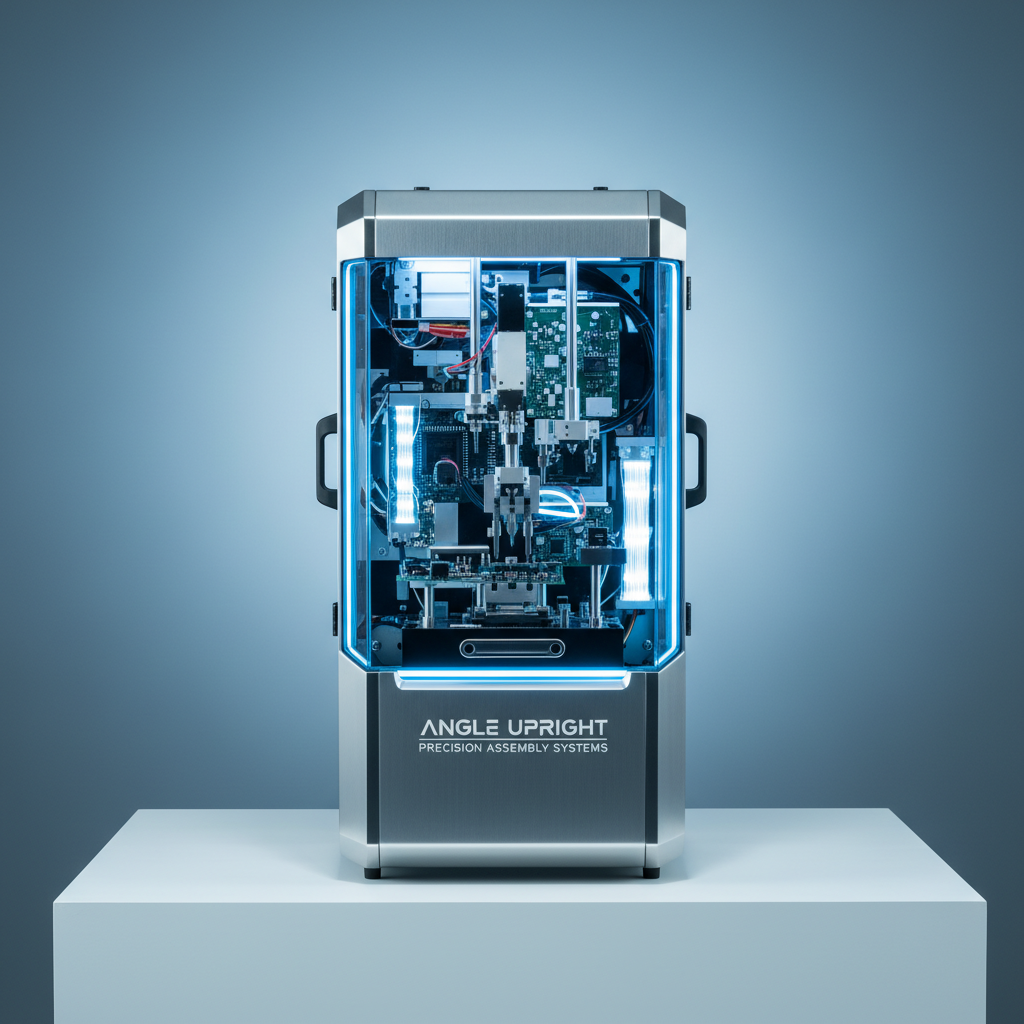
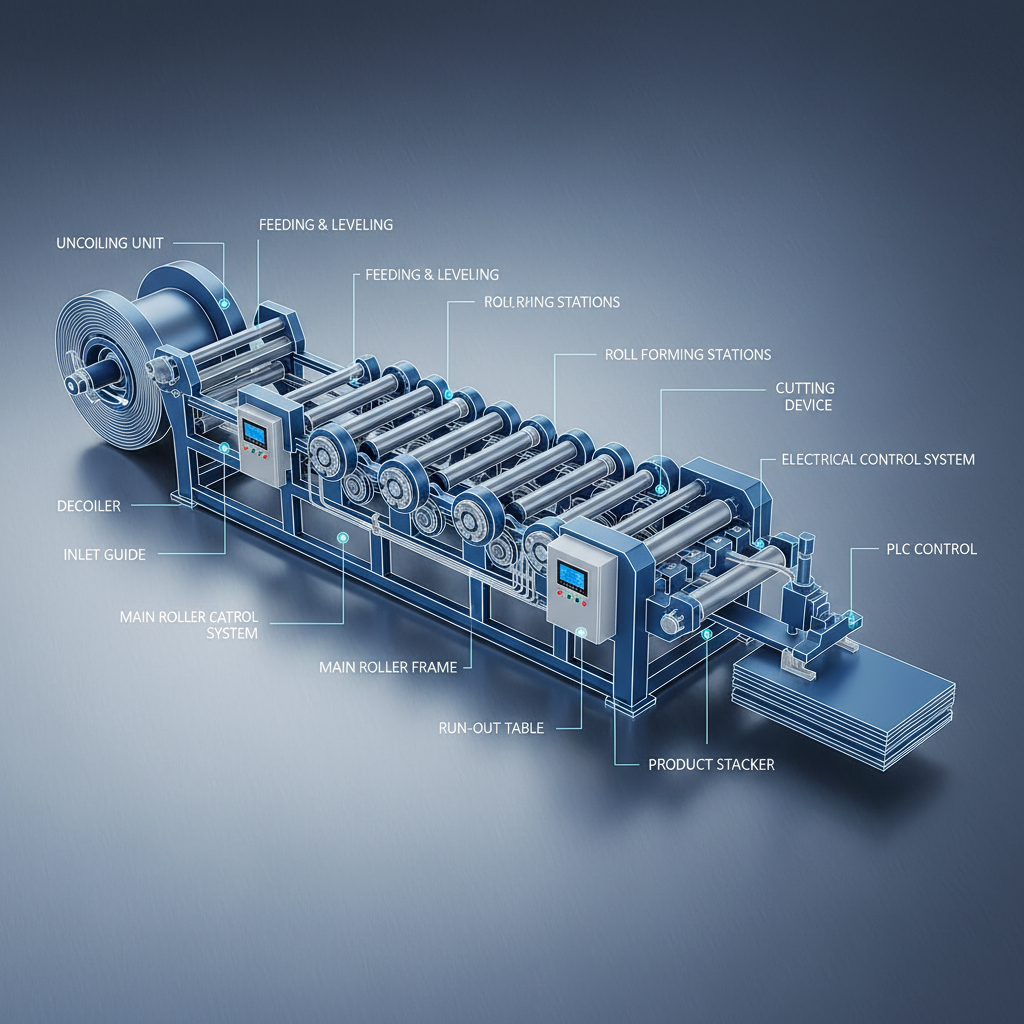
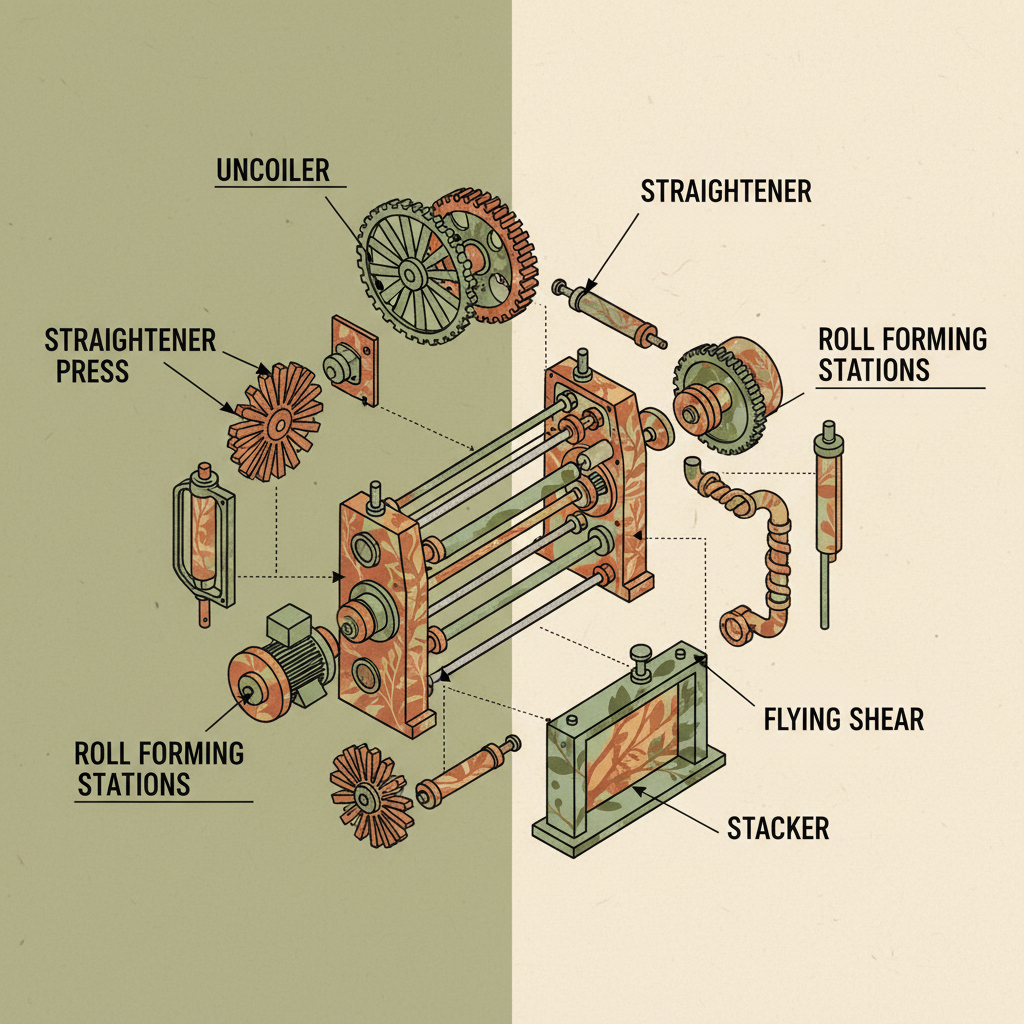
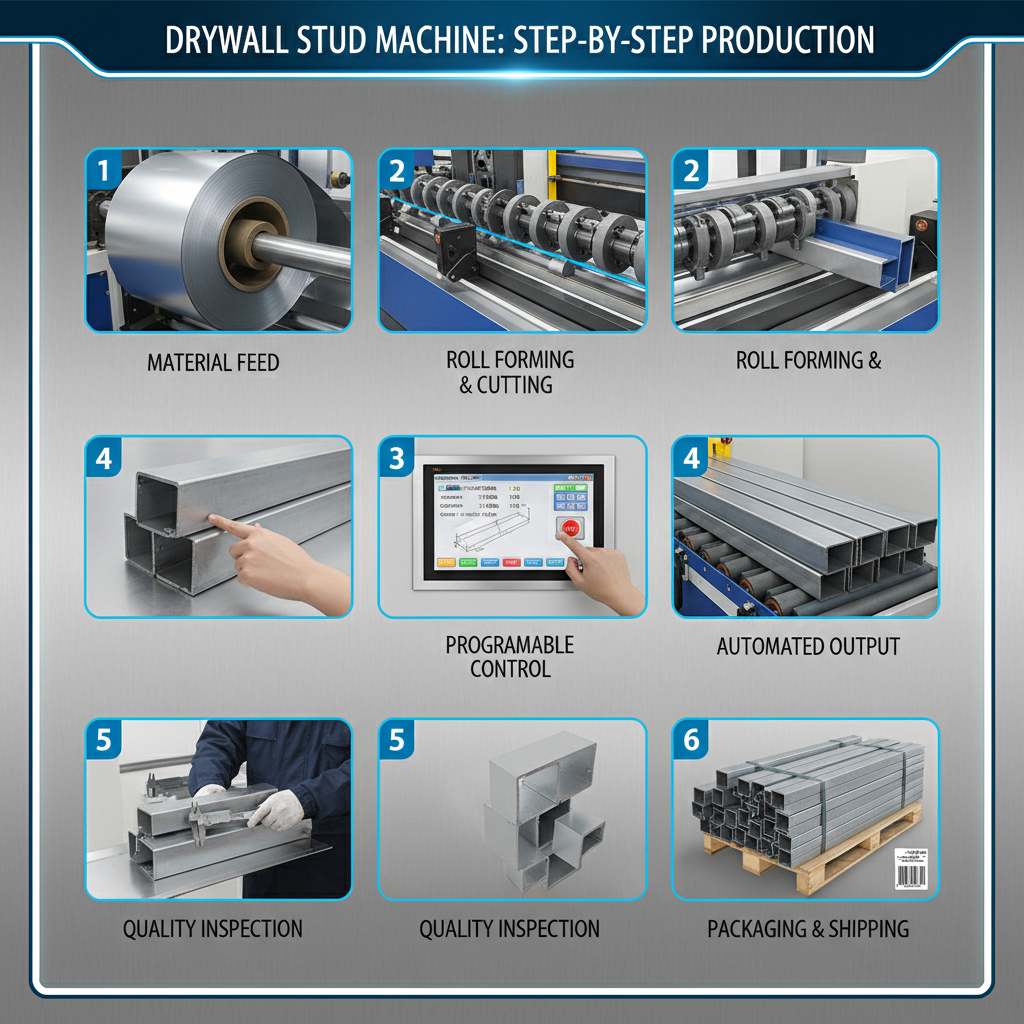
Angle upright machine manufacturers are pivotal in modern industrial processes, offering specialized solutions for precise metal forming. These manufacturers cater to a diverse range of sectors, including construction, automotive, and aerospace, providing essential equipment for creating angles, channels, and other structural components. Understanding the capabilities and advancements in this field is crucial for optimizing production efficiency and ensuring structural integrity across various applications.
The global demand for angle upright machines is driven by infrastructure development, manufacturing growth, and the need for robust and reliable steel structures. Key players in this market consistently innovate to enhance machine precision, automation, and energy efficiency. Consequently, angle upright machine manufacturers play a significant role in bolstering economic growth and supporting vital industries worldwide.
Investing in high-quality angle upright machines leads to reduced material waste, improved product quality, and faster turnaround times. These machines are not simply tools; they represent a strategic investment for companies aiming to stay competitive in today’s dynamic market. Their functionality is central to various building and fabrication projects, directly impacting both safety and long-term performance.
The Role of Angle Upright Machine Manufacturers in Industry
Angle upright machine manufacturers are integral to the steel fabrication industry, acting as essential suppliers to construction, manufacturing, and infrastructure projects. Their products enable the creation of durable, precise, and structurally sound metal components, contributing significantly to the quality and safety of numerous applications. These manufacturers often work closely with engineers and architects to tailor machines to specific project needs.
The influence of angle upright machine manufacturers extends beyond simply producing equipment. They provide comprehensive services including installation, training, and ongoing maintenance, building long-term partnerships with their clients. This holistic approach ensures optimal machine performance and minimizes downtime, maximizing productivity and return on investment.
Defining Angle Upright Machine Manufacturers
Angle upright machine manufacturers specialize in the design, production, and sale of machines used to bend, cut, and shape metal into specific angles and profiles. These machines are critical for fabricating structural steel components like angle iron, channels, and flat bars, often used in building frames, bridges, and industrial equipment. The manufacturers typically cater to businesses involved in steel fabrication, construction, and manufacturing.
The scope of these manufacturers can vary, with some focusing on standard, off-the-shelf models and others offering customized solutions designed to meet unique client specifications. Many manufacturers are now integrating advanced technologies such as CNC controls and automated feeding systems to enhance precision, speed, and efficiency.
In essence, angle upright machine manufacturers bridge the gap between raw material and finished steel components, playing a fundamental role in the construction and manufacturing value chain. The quality of their machines directly impacts the structural integrity and longevity of countless projects worldwide.
Key Factors Driving Machine Selection
When selecting an angle upright machine, several key factors influence the decision-making process. Durability is paramount, as these machines are subjected to heavy use and demanding environments. A robust construction and high-quality components are essential for ensuring a long service life and minimizing maintenance requirements.
Capacity is another critical consideration, as manufacturers must choose a machine that can handle the required material thickness and angle sizes. Scalability is also important, particularly for businesses anticipating future growth. Choosing a machine that can be easily upgraded or adapted to evolving production needs is a strategic advantage.
Cost efficiency is always a factor, but it shouldn’t be the sole determinant. While initial purchase price is important, the total cost of ownership, including maintenance, energy consumption, and potential downtime, should be carefully evaluated. Furthermore, automation capabilities and programming ease contribute to long-term cost savings.
Performance Metrics of Angle Upright Machines
Evaluating the performance of angle upright machines requires considering several key metrics. Bending accuracy is crucial, as precise angles are essential for ensuring proper fit and structural integrity. Repeatability, or the ability to consistently produce identical bends, is also vital for maintaining product quality.
Production speed is another important factor, particularly for high-volume manufacturing. Machine uptime, or the percentage of time the machine is operational, directly impacts overall productivity. Angle upright machine manufacturers are constantly striving to improve these metrics through technological innovations.
Comparative Performance of Angle Upright Machine Techniques
Global Applications and Industry Impact
Angle upright machines find applications across a wide spectrum of industries. In the construction sector, they are indispensable for fabricating steel frames for buildings, bridges, and other infrastructure projects. The automotive industry utilizes these machines for producing chassis components, brackets, and other structural parts.
The aerospace industry relies on angle upright machines for creating high-precision components used in aircraft structures. Furthermore, these machines are employed in the manufacturing of agricultural equipment, machinery for the mining industry, and various industrial applications requiring robust metal fabrication.
Advantages and Long-Term Value Proposition
Investing in quality angle upright machines offers a multitude of advantages. Reduced material waste is a significant benefit, as precise bending minimizes scrap. Improved product quality ensures greater structural integrity and longer service life. Faster turnaround times translate to increased productivity and responsiveness to customer demands.
Beyond the tangible benefits, there’s a substantial long-term value proposition. Reliable machines minimize downtime and maintenance costs, while energy-efficient designs contribute to sustainability. These factors combined foster trust with clients and enhance a company’s reputation for quality and reliability.
Future Trends and Technological Advancements
The future of angle upright machine manufacturing is focused on automation, digitalization, and sustainability. CNC technology is becoming increasingly prevalent, offering greater precision, control, and flexibility. Automated feeding systems and robotic integration are streamlining production processes and reducing labor costs.
Energy-efficient designs and the use of sustainable materials are gaining prominence, reflecting a growing commitment to environmental responsibility. Furthermore, predictive maintenance technologies, powered by data analytics, are enabling manufacturers to proactively address potential issues and minimize downtime.
The integration of Industry 4.0 principles, including IoT and cloud connectivity, is creating smart factories where machines communicate with each other and optimize performance in real-time. Angle upright machine manufacturers are at the forefront of these innovations, shaping the future of metal fabrication.
FAQS
Most angle upright machines are designed to handle a variety of steel types, including mild steel, carbon steel, and alloy steel. The specific capacity will depend on the machine’s size and power, but manufacturers typically specify the maximum material thickness and yield strength the machine can process. Understanding the steel grade and properties is critical for ensuring optimal bending results and preventing damage to the machine.
Determining the right size machine requires careful consideration of your production volume, material thickness, angle sizes, and desired bending radius. Assess your current and projected needs, and factor in future growth. Manufacturers can provide guidance on selecting a machine that meets your specific requirements, taking into account factors like bend length, throat depth, and tonnage capacity.
Safety is paramount. Look for machines with features such as emergency stop buttons, safety guards, light curtains, and overload protection systems. Proper training for operators is essential to ensure safe operation. Compliance with relevant safety standards (e.g., CE, UL) is also a crucial consideration when selecting a machine.
Regular maintenance is vital for ensuring optimal performance and extending the machine’s lifespan. This includes lubrication of moving parts, inspection of hydraulic systems (if applicable), cleaning of work areas, and periodic checks of electrical components. Following the manufacturer’s recommended maintenance schedule is essential.
Lead times for custom-built machines vary depending on the complexity of the design, the manufacturer’s workload, and the availability of components. Typically, lead times can range from 8 to 20 weeks. Clear communication with the manufacturer and providing detailed specifications upfront can help minimize delays.
Most reputable angle upright machine manufacturers provide comprehensive training programs for operators and maintenance personnel. These programs cover machine operation, safety procedures, troubleshooting, and preventive maintenance. Ongoing technical support, including phone assistance and on-site service, is also commonly offered.
Conclusion
In conclusion, angle upright machine manufacturers are essential enablers of modern industry, providing critical equipment for steel fabrication across diverse sectors. Their commitment to innovation, coupled with a focus on durability, precision, and safety, contributes significantly to the quality, efficiency, and sustainability of construction, manufacturing, and infrastructure projects worldwide. Investing in these machines is not merely a capital expenditure; it's a strategic decision that yields long-term benefits.
Looking ahead, the future of angle upright machine manufacturing will be shaped by advancements in automation, digitalization, and sustainable practices. Companies seeking to thrive in this evolving landscape will prioritize technology adoption, employee training, and a commitment to responsible manufacturing. Visit our website at www.machineyingyee.com to learn more about our cutting-edge solutions.