Automatic glazed tile rolling machine suppliers provide the specialized industrial infrastructure required to transform raw steel coils into high-precision roofing profiles. These systems are essential for the modern construction supply chain, enabling the mass production of durable, aesthetic, and weather-resistant glazed tiles that meet stringent architectural standards.
For manufacturers in the metallurgical and specialized equipment sector, the challenge lies in balancing high output volume with dimensional consistency. Manual or semi-automatic processes often lead to material fatigue or inconsistent profiling, which compromises the structural integrity of the final roofing installation and increases waste.
This guide examines the technical capabilities of modern roll forming lines, the critical selection criteria for choosing a reliable supplier, and how integrating fully automated systems can optimize production costs and quality for industrial roofing projects.

1Core Mechanics of Automated Glazed Tile Production

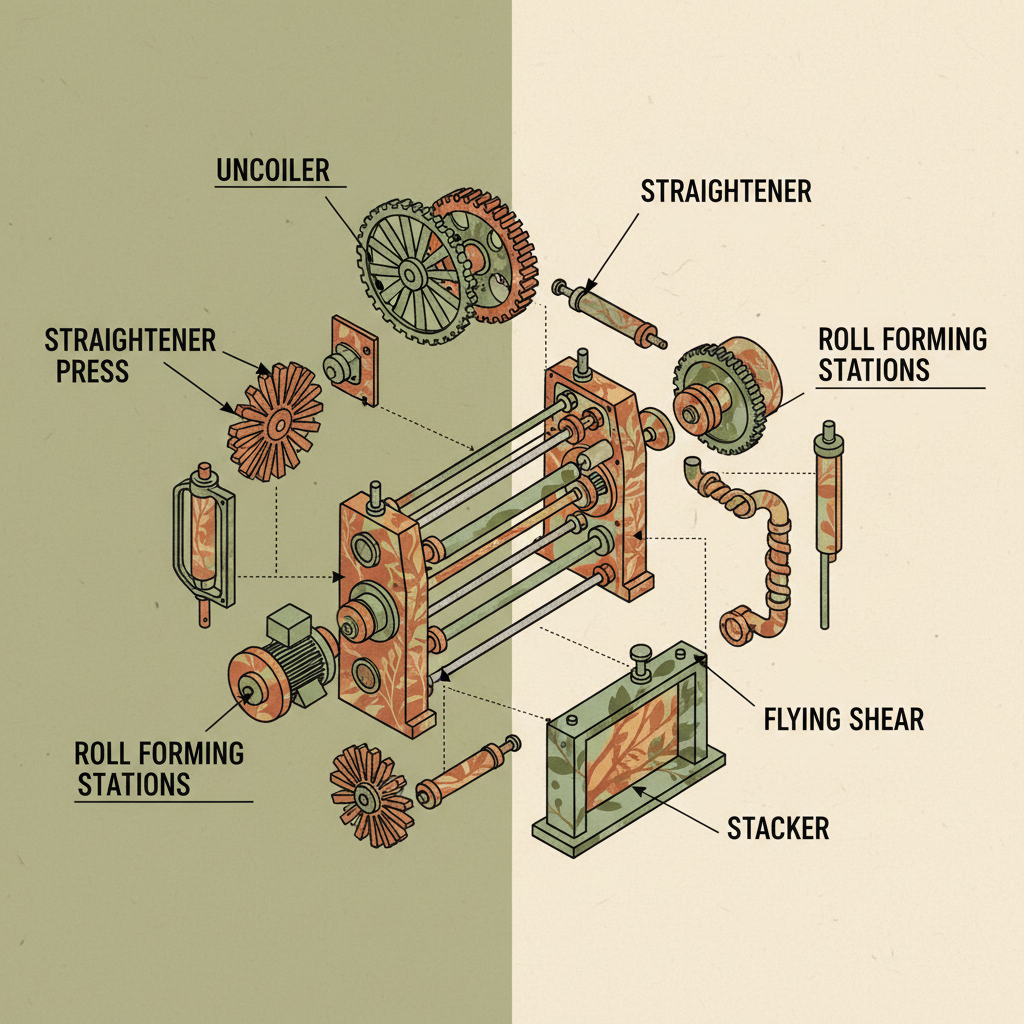
The process begins with a high-strength steel coil being fed through a decoiler. The material is then flattened by a leveling unit to remove coil set, ensuring the metal enters the forming rollers without internal stress. This precision is critical because any slight deviation in the flat material can lead to "bananaing" or twisting in the final glazed tile profile.
As the metal passes through a series of precisely engineered rollers, it is gradually bent into the desired tile shape. This incremental forming process prevents the material from snapping or buckling. The "glazed" aspect often refers to the pre-painted or coated nature of the steel, which requires rollers treated with specific materials to avoid scratching the surface.
The final stage involves an automated cutting system—usually a flying shear—that cuts the tiles to the exact length requested without stopping the line. This continuous flow is what differentiates professional automatic glazed tile rolling machine suppliers from basic workshop setups, allowing for thousands of meters of production per day.
2Essential Technical Features for High-Precision Output
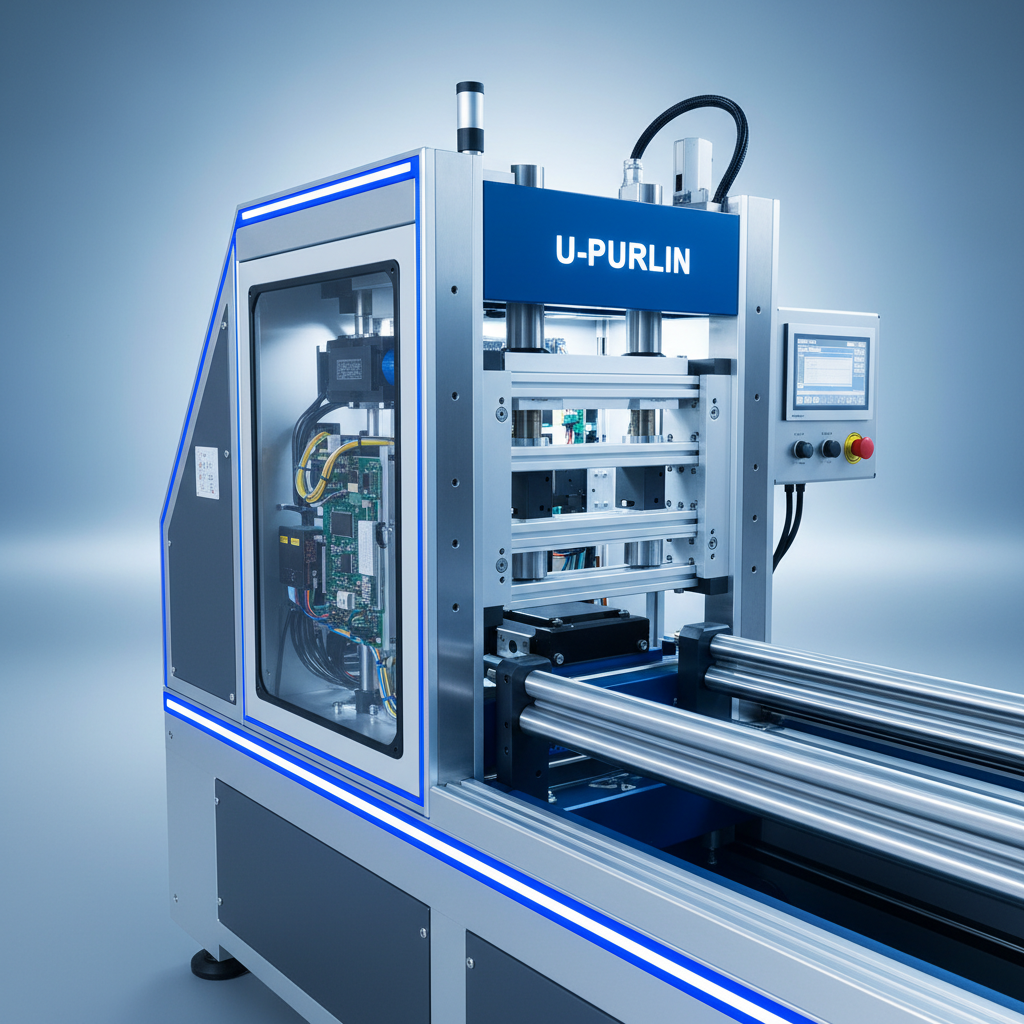
Modern roll forming lines are defined by their control systems. PLC-controlled interfaces allow operators to adjust speed and length parameters in real-time. For suppliers focusing on the high-end market, the integration of HMI (Human Machine Interface) touchscreens simplifies the setup process and reduces the likelihood of human error during changeovers.
Another critical feature is the precision of the forming rollers. High-quality suppliers utilize CNC grinding to ensure that each roller is accurate to within microns. This ensures that the interlocking mechanism of the glazed tiles is tight and leak-proof, which is the primary requirement for any roofing installation.
Finally, the inclusion of a hydraulic or servo-driven cutting system ensures burr-free edges. In the roofing industry, clean cuts are not just about aesthetics; they prevent premature corrosion at the edges of the tile and ensure that tiles fit perfectly together during on-site assembly.
3Industrial Applications and Market Use Cases
Automatic glazed tile rolling machines are primarily used in the production of residential and commercial roofing. The "glazed" look mimics traditional clay tiles but provides the strength and lightness of steel. This makes them ideal for regions prone to heavy snow or seismic activity, where reducing the dead load on the roof structure is a safety priority.
Beyond residential housing, these machines serve the agricultural sector for large-span barn and warehouse roofing. The ability to produce custom lengths allows contractors to minimize overlap and waste on-site, directly reducing the total material cost of the project.
In the context of urban development, these systems enable the rapid deployment of prefabricated roofing elements. By producing precise tiles in a controlled factory environment, developers can ensure a higher level of quality control compared to traditional on-site fabrication methods.
4Analyzing Production Efficiency and Performance Metrics
When comparing manual fabrication to automated rolling, the most immediate gain is in throughput. An automated line can produce profiles at a rate that exceeds manual bending by over 500%, while simultaneously reducing the workforce required to operate the line from a large team to a single skilled technician.
Dimensional stability is another key metric. Manual processes often result in a variance of several millimeters, whereas automated systems from top-tier suppliers maintain tolerances within 0.5mm. This precision is what allows for the "seamless" interlocking characteristic of premium glazed steel tiles.
automatic glazed tile rolling machine suppliers Performance Metrics
Furthermore, material utilization is optimized through precision cutting. Automated systems track the exact length of the coil used, minimizing the "end-of-coil" waste that typically plagues less sophisticated operations. This results in a direct increase in the ROI for the manufacturer.
5Procurement Strategy: Selecting the Right Supplier
Choosing among various automatic glazed tile rolling machine suppliers requires a deep dive into their engineering capabilities. A buyer should prioritize suppliers who provide full-cycle support, including the design of custom profiles and the provision of spare parts, as roller wear is an inevitable part of industrial operation.
Technical compatibility is another factor. The machine must be compatible with the specific grade of steel being used—whether it is galvanized, galvalume, or pre-painted. Different coatings have different ductility levels, and the machine's forming pressure must be adjustable to prevent coating delamination.
Finally, consider the after-sales infrastructure. Because these machines are often exported globally, the ability of the supplier to provide remote technical support or dispatch technicians for calibration is a critical factor in preventing long-term production downtime.
6Future Trends in Metal Roofing Automation
The industry is moving toward "Industry 4.0" integration, where roll forming machines are connected to cloud-based order systems. In this model, a customer's order for specific tile lengths is sent directly to the machine's PLC, eliminating the need for manual data entry and virtually removing the possibility of length errors.
Material science is also evolving, with the introduction of ultra-thin, high-strength alloys that provide the same structural integrity as thicker steel but with less weight. Suppliers are adapting their roller designs to handle these thinner materials without causing creases or instability in the profile.
Sustainability is becoming a core driver. New machines are focusing on energy-efficient motors and reduced lubrication requirements, lowering the environmental footprint of the manufacturing plant while maintaining the same output levels.
7Comparative Analysis of Rolling Technology Options
Depending on the production scale, manufacturers may choose between different tiers of machinery. Basic lines are suitable for small local workshops, while fully integrated automated lines are designed for industrial-scale suppliers serving national markets.
The following table compares the typical characteristics of the different system levels available from reputable automatic glazed tile rolling machine suppliers.
| System Level | Control Type | Production Speed | Best Use Case |
|---|---|---|---|
| Basic Manual | Mechanical Stop | Low | Small Local Projects |
| Semi-Automatic | Simple PLC | Medium | Regional Distribution |
| Full Automatic | Advanced PLC/HMI | High | Industrial Manufacturing |
| Smart-Integrated | Cloud-Linked PLC | Very High | Large Scale Export |
| Custom-Specialized | Custom Software | Variable | Unique Architectural Designs |
| High-Speed Line | Servo-Driven | Ultra High | Mass Market Production |
Ultimately, the choice depends on the projected monthly volume and the required precision. While the initial investment for a fully automatic system is higher, the reduction in labor and material waste typically leads to a lower cost-per-unit over a 3-year horizon.
Frequently Asked Questions
Conclusion
Investing in high-quality equipment from experienced automatic glazed tile rolling machine suppliers is a strategic move for any manufacturer looking to scale their roofing production. By shifting from manual processes to fully automated lines, companies can achieve a level of precision and efficiency that is impossible with traditional methods, directly impacting their competitiveness in the construction market.
For those evaluating suitable solutions to optimize their production line, detailed technical specifications and available product configurations can be reviewed at www.machineyingyee.com to ensure the machinery aligns with specific operational requirements.