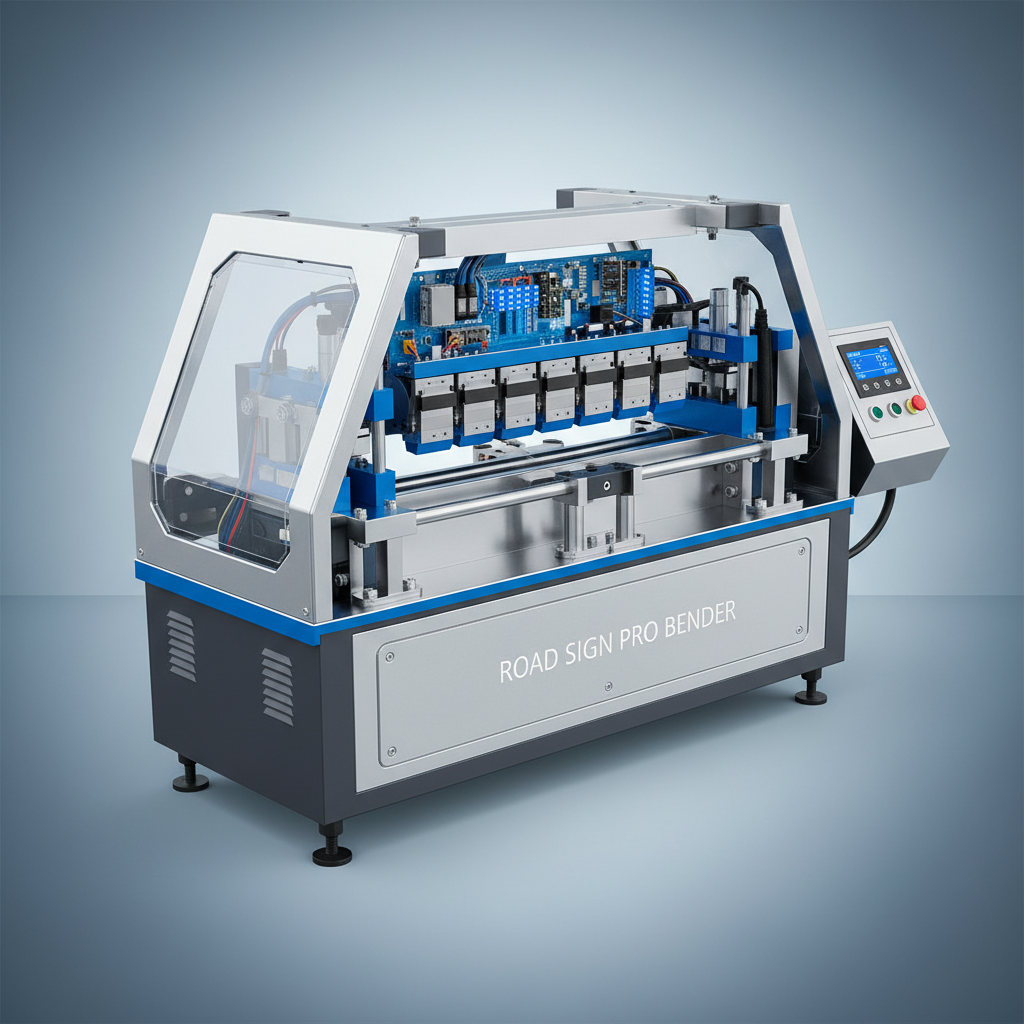
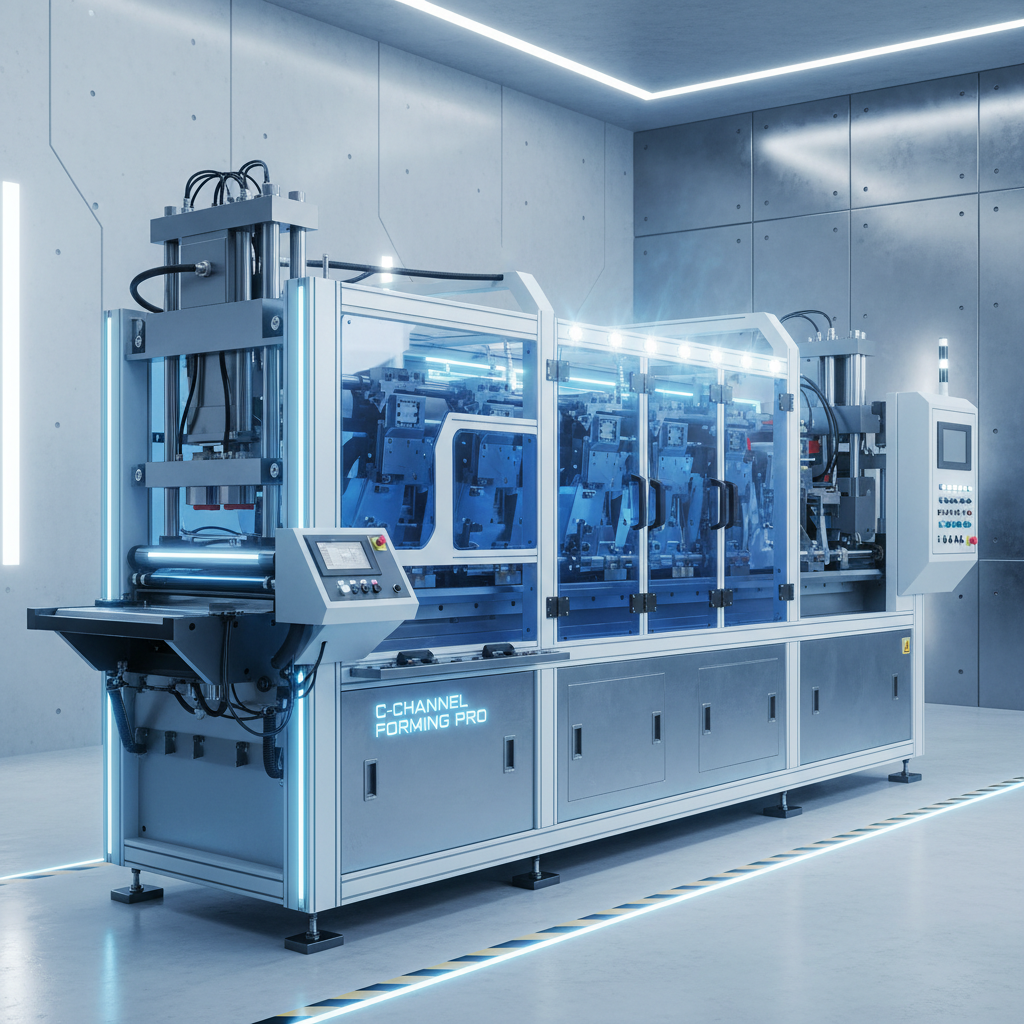
Selecting a reliable china ring bending machine factory is a critical decision for enterprises in the metallurgical and specialized equipment manufacturing sector. As the demand for precision circular components increases in heavy industry, the ability to source machinery that balances structural rigidity with dimensional accuracy determines the overall quality of the final metal product.
Many procurement managers struggle with inconsistent bending radii or material deformation when sourcing from unverified suppliers. The core challenge lies in finding a manufacturer that understands the metallurgical properties of black metal smelting equipment and can provide machinery capable of handling high-tensile strength materials without compromising the structural integrity of the ring.
This analysis provides a comprehensive framework for evaluating manufacturers, examining the technical parameters that define high-performance ring bending, and offering a decision-making guide to ensure your equipment investment aligns with specific production requirements.

Defining the Capability of a Professional Factory

A professional china ring bending machine factory does not simply assemble components; it integrates materials science with mechanical engineering. In the context of black metal smelting and metallurgical equipment, the machinery must be capable of processing heavy-gauge plates and pipes into perfect circles while maintaining tight tolerances. This requires a deep understanding of the spring-back effect of various steel grades, which is where engineering expertise becomes a competitive advantage.
YingYee Machinery and Technology Service Co., Ltd. exemplifies this approach by focusing on the international market and adhering strictly to global business regulations. By specializing in metal process equipment, such factories ensure that the design, research, and service stages are synchronized to deliver machines that meet the rigorous demands of specialized equipment manufacturing.
Critical Technical Parameters for Ring Bending
When evaluating a ring bending machine, the primary technical focus should be on the relationship between the bending force and the material thickness. High-quality machines employ reinforced frames to prevent chassis deflection under high loads, ensuring that the ring remains concentric. Additionally, the precision of the drive system—whether hydraulic or CNC—determines the repeatability of the production cycle.
Beyond the bending capacity, buyers must examine the tooling versatility. A factory that provides adjustable rollers and interchangeable dies allows the user to switch between different diameters and material profiles quickly. This flexibility is essential for facilities producing a wide range of components, from small flange rings to large-diameter furnace shells used in smelting operations.
Application Scenarios in Metallurgical Equipment
Ring bending machines are indispensable in the creation of heavy-duty industrial vessels. In the black metal smelting industry, these machines are used to form the cylindrical bodies of blast furnaces, electric arc furnace shells, and heat exchangers. The ability to bend thick-walled steel plates without creating surface fractures is paramount for the safety and longevity of these high-pressure vessels.
Furthermore, these machines support the production of specialized components such as wind turbine towers, large-scale piping for chemical plants, and structural rings for aerospace applications. The transition from a flat plate to a precise circular form requires calibrated pressure distribution to avoid "flat spots" or ovality, which would otherwise lead to failure during the subsequent welding process.
Operational Performance Index Comparison
To understand the efficiency of different bending technologies, it is useful to look at relative performance scores across key dimensions. The following conceptual chart illustrates how automated CNC systems typically compare to manual hydraulic systems in terms of precision, speed, and setup flexibility. These normalized scores reflect the operational trade-offs that manufacturers must consider based on their production volume.
The data indicates that while manual systems offer lower initial costs, CNC-driven machinery from a specialized factory provides significantly higher precision and faster change-over times. For high-volume metallurgical production, the reduction in material waste and the elimination of manual correction steps provide a faster return on investment.
Evaluating Supplier Reliability and Engineering Support
Reliability in a china ring bending machine factory is measured by more than just the machine's output; it is defined by the lifecycle support provided. Engineering support during the installation and calibration phase is critical, as the machine must be leveled and tuned to the specific environmental conditions of the factory floor to maintain accuracy.
Trustworthiness is established through a track record of customer feedback and repeat business. Companies that prioritize design and research, and maintain a strong service team, are better equipped to handle technical queries and provide spare parts promptly. This reduces the risk of prolonged downtime in a high-stakes metallurgical production environment.
Common Risks in Overseas Machinery Procurement
One of the most frequent risks when sourcing from an overseas factory is the mismatch between specified capacity and actual performance. Some suppliers may quote "maximum capacity" based on theoretical limits rather than sustainable production speeds. This can lead to premature wear of the rollers and inconsistent bending quality when the machine is pushed to its limits.
Another significant risk is the lack of standardized electrical components, which can make local maintenance difficult. Professional factories mitigate this by using internationally recognized brands for PLC and hydraulic systems, ensuring that the end-user can source replacement parts locally without relying on the original manufacturer for every minor repair.
Supplier Selection Decision Matrix
When deciding between different manufacturers, buyers should use a structured evaluation matrix. Instead of focusing solely on the purchase price, the decision should be based on the total cost of ownership, which includes installation, training, and long-term maintenance. The following table compares three common supplier profiles found in the market.
| Supplier Type | Technical Focus | Best Use Case | Primary Risk |
|---|---|---|---|
| Generic Assembler | Cost Reduction | Low-precision parts | Low durability |
| Specialized Factory | Precision/Stability | Metallurgical Equipment | Higher initial cost |
| Custom Engineering Firm | Bespoke Solutions | Unique prototypes | Long lead times |
| Budget Manufacturer | Basic Functionality | Small workshops | Poor after-sales |
| High-End Brand | Advanced Automation | Mass production | Over-specification |
| Service-Oriented Firm | Lifecycle Support | Long-term operations | Variable pricing |
The optimal choice for those in the black metal smelting equipment industry is typically a specialized factory that combines engineering depth with a strong service infrastructure, ensuring the machine remains a productive asset for decades.
Frequently Asked Questions
You must consider the yield strength of the steel, the maximum thickness of the plate, and the minimum desired radius. A professional factory will calculate the necessary tonnage to ensure the machine can bend the material without overloading the hydraulic system.
Ovality is often caused by uneven pressure distribution or chassis deflection. It is prevented by using high-rigidity frames and precision-ground rollers that ensure the force is applied consistently around the circumference of the ring.
Yes, provided the machine has the capacity for the strongest material you intend to use. However, you will need to adjust the bending parameters and potentially use different roller coatings to avoid marking softer metals like aluminum.
Spring-back is the tendency of metal to partially return to its original shape after bending. Accurate calculation allows the operator to over-bend the material slightly so that the final product settles at the exact required diameter.
Check for a dedicated service team, the availability of a comprehensive English manual, and their policy on remote diagnostic support. A reliable factory will provide a clear warranty and a structured plan for spare parts procurement.
Lead times vary based on the complexity of the customization, but typically range from 4 to 12 weeks. This includes the design phase, machining, assembly, and factory acceptance testing (FAT) before shipment.
Conclusion
Sourcing from a specialized china ring bending machine factory requires a balance of technical scrutiny and supplier verification. For the metallurgical and black metal smelting industries, the focus must remain on structural rigidity and precision to ensure that large-scale components are produced safely and accurately. By prioritizing engineering support and lifecycle reliability over the lowest initial price, manufacturers can secure a stable production foundation.
For organizations evaluating their equipment needs or seeking specialized metal process solutions, detailed product specifications and technical consultations are available at www.machineyingyee.com to ensure the chosen machinery aligns with specific operational goals.