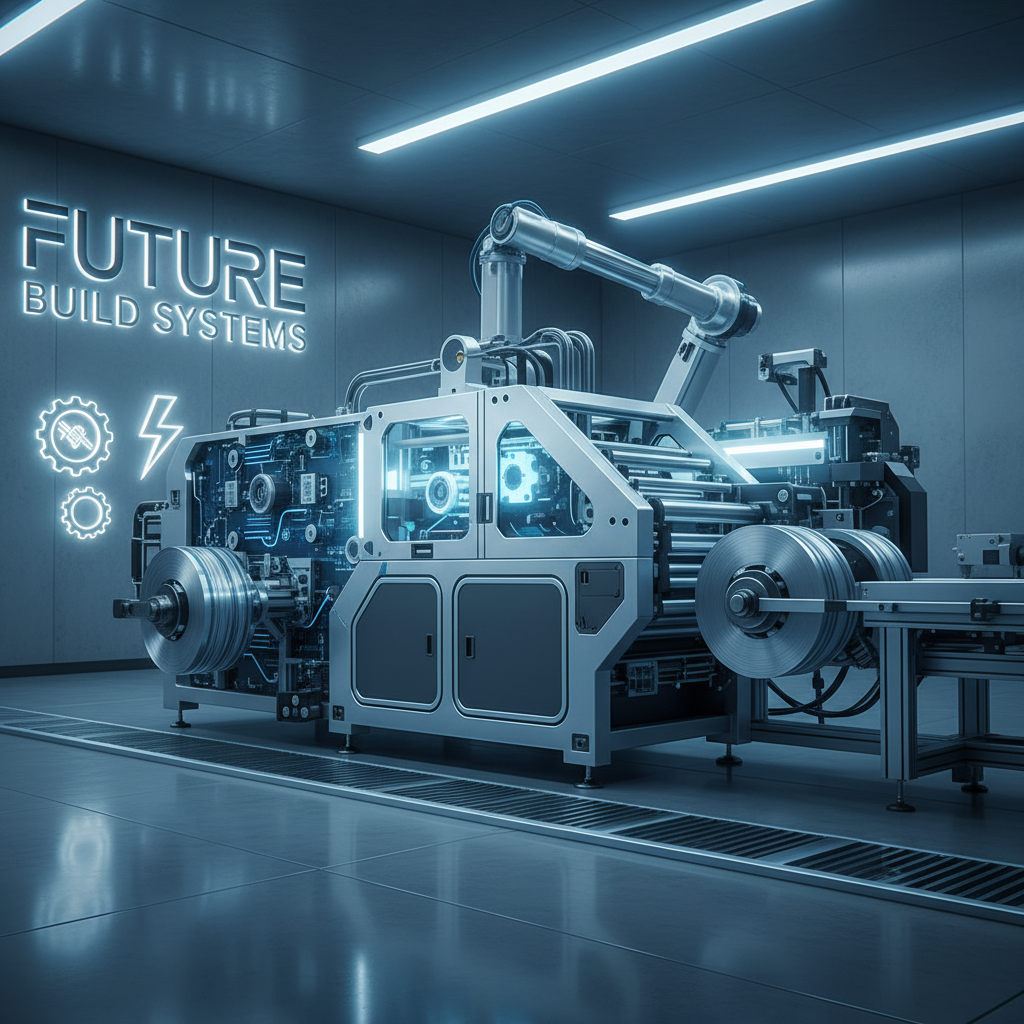
The global push for safer road infrastructure has shifted the demand for highway safety barriers from manual fabrication to high-precision automated production. Ensuring that guardrails meet strict crash-test standards requires a level of consistency in profile geometry and material strength that only specialized machinery can provide.
Across major infrastructure projects, the transition toward cold roll forming has minimized material waste and increased the speed of deployment. The ability to maintain strict tolerances over long production runs is now a critical requirement for contractors and manufacturers aiming to comply with international safety certifications.
Understanding the technical nuances of a china highway guardrail making machine is essential for stakeholders looking to optimize their production capacity and ensure long-term structural reliability in road safety systems.


Cold roll forming is the primary method for producing highway guardrails because it allows for the gradual shaping of steel coils into complex profiles without the need for heat, preserving the material's original mechanical properties. The process involves passing a strip of steel through a series of rollers, each slightly changing the shape of the metal until the final profile is achieved.
This incremental approach prevents internal stress buildup and ensures that the final product maintains the tension and strength required to deflect vehicles during an impact. For high-volume production, the integration of PLC controls allows for precise cutting lengths and speed synchronization.
The efficiency of a production line depends heavily on the quality of its rollers and shafting. High-grade 45# steel with chrome plating is often utilized for rollers to ensure wear resistance and a smooth finish on the metal surface. The shafts, typically made from 40Cr material, provide the necessary rigidity to prevent deflection under the high pressure of the forming process.
A synchronized drive system, often employing chain transmission or gearboxes, ensures that the speed of the decoiler matches the speed of the forming mill. This prevents material buckling or stretching, which could compromise the safety specifications of the guardrail.
Modern systems incorporate hydraulic cutting mechanisms that operate independently of the forming speed. This allows for "cut-to-length" functionality without stopping the entire line, significantly increasing the overall productivity of the plant.
The choice of raw material determines the longevity and performance of the road barrier. Most highway guardrails are produced from galvanized steel or color-coated steel to provide essential corrosion resistance against harsh weather and road salts.
Structural integrity in safety barriers is not just about the thickness of the steel, but the precision of the fold angles. Even a few degrees of deviation in the roll forming process can significantly alter the energy absorption capacity of the guardrail during a vehicle collision.
To maintain this precision, manufacturers must ensure that the material thickness range (typically 0.3mm to 3mm for various profiles) is strictly matched to the roller gap settings. This ensures a uniform wall thickness across the entire length of the produced beam.
When assessing the performance of a production facility, the balance between forming speed and cutting precision is paramount. A typical high-performance line operates at speeds between 20 and 30 meters per minute, but the real bottleneck is often the hydraulic cutting cycle and the uncoiling capacity.
By optimizing the PLC control system and the hydraulic station power, manufacturers can reduce the idle time between cuts, effectively increasing the total daily output without compromising the geometric accuracy of the product.
In a typical industrial setting, guardrail production lines are integrated into larger steel processing plants that also handle C/Z purlins or floor decking. This allows the facility to utilize a single procurement channel for galvanized coils, reducing logistics costs and streamlining quality control across different product lines.
For regional contractors, having an in-house china highway guardrail making machine reduces reliance on external suppliers and allows for just-in-time delivery to construction sites, which is critical for maintaining project timelines on high-speed rail or highway expansions.
The industry is moving toward "Smart Manufacturing," where sensors are integrated into the roll forming line to monitor material thickness and profile deviation in real-time. This shift toward Industry 4.0 reduces the need for manual sampling and ensures that every single beam produced meets the required safety specifications.
Furthermore, there is a growing interest in sustainable materials. While galvanized steel remains the standard, research into high-strength, low-alloy (HSLA) steels is allowing for thinner profiles that offer the same or better crash-absorption properties, potentially reducing the overall weight and cost of the barrier systems.
Integration with automated warehouse systems is also becoming common, where the output table of the machine feeds directly into an automated stacking and labeling system, further reducing manual labor and increasing safety on the factory floor.
Choosing the right equipment requires a detailed analysis of the intended output volume and the specific safety standards (such as AASHTO or EN standards) that the final product must meet. A machine designed for low-volume, custom profiles differs significantly from a high-speed mass production line.
The balance between initial investment and operational efficiency is a key trade-off. While fully automatic lines with high-capacity decoilers have a higher upfront cost, they significantly lower the cost per unit by reducing labor and material scrap.
YingYee Machinery and Technology Service Co., Ltd. provides specialized metal process equipment that adheres to these international business rules, offering customized interfaces and robust design to meet the diverse needs of the global infrastructure market.
| Configuration Level | Primary Drive | Control System | Target Application |
|---|---|---|---|
| Standard Entry | Chain Drive | Basic PLC | Regional Small-scale Projects |
| Industrial Grade | Gearbox/Chain | Advanced PLC | National Infrastructure Supply |
| High-Precision | Servo-Assist | Integrated SCADA | International Safety Certs |
| Customized Line | Variable Drive | Custom Interface | Specialized Profiling Needs |
| High-Volume | Heavy-duty Chain | Automatic Sync PLC | Mass Market Distribution |
| Integrated Plant | Multi-stage Drive | Full Automation | Diversified Steel Fabrication |
Cold roll forming shapes the steel without heating it, which prevents the degradation of the metal's crystalline structure. This process maintains the high tensile strength and elasticity required for a guardrail to absorb the kinetic energy of a vehicle during a collision, preventing the barrier from snapping or failing catastrophically.
Buyers should prioritize the precision of the rollers (material and plating), the reliability of the PLC control system, and the machine's ability to handle different material thicknesses. Additionally, ensuring the machine complies with international electrical standards (Voltage/Phase) and holds certifications like CE or ISO9001 is critical for legal and safety compliance in the destination country.
While a specific set of rollers is designed for one particular profile, many high-end machines are designed with modular roller stations. This allows manufacturers to swap out roller sets to produce different types of guardrails or safety barriers, though this requires precise calibration and setup time for each changeover.
Rollers require regular lubrication and inspection for wear or surface pitting. Since they are often made of 45# steel with chrome plating, the main concern is the loss of the chrome layer due to friction. Periodic re-plating or precision grinding may be necessary to maintain the tight tolerances required for safety-certified profiles.
The PLC (Programmable Logic Controller) manages the synchronization between the decoiler, the forming speed, and the hydraulic cutter. By automating the cut-to-length process and maintaining a constant forming speed, the PLC eliminates human error, ensures uniform length across all beams, and prevents material stretching that could lead to structural weaknesses.
Galvanized steel is the industry standard due to its excellent balance of cost and corrosion resistance. However, for environments with extreme salinity or chemical exposure, specialized color-coated steels or advanced alloys may be preferred. The choice depends on the environmental conditions of the installation site and the required service life of the infrastructure.
The production of highway safety barriers is a precise intersection of metallurgy and mechanical engineering. As road safety standards become more stringent globally, the reliance on automated, high-precision china highway guardrail making machine technology will only increase.
For manufacturers, the key to long-term success lies in investing in equipment that balances production speed with uncompromising geometric accuracy. By focusing on high-grade components and intelligent control systems, producers can ensure that their safety barriers provide the maximum level of protection for road users worldwide.