In the world of modern construction, efficiency, cost-effectiveness, and sustainability are paramount. Light gauge steel (LGS) framing machines are becoming increasingly vital in meeting these demands. This article delves into the intricacies of these machines, exploring their functionality, benefits, applications, and how they are transforming the construction landscape. We'll cover everything from the basics of LGS framing to the key features to look for when investing in a machine.
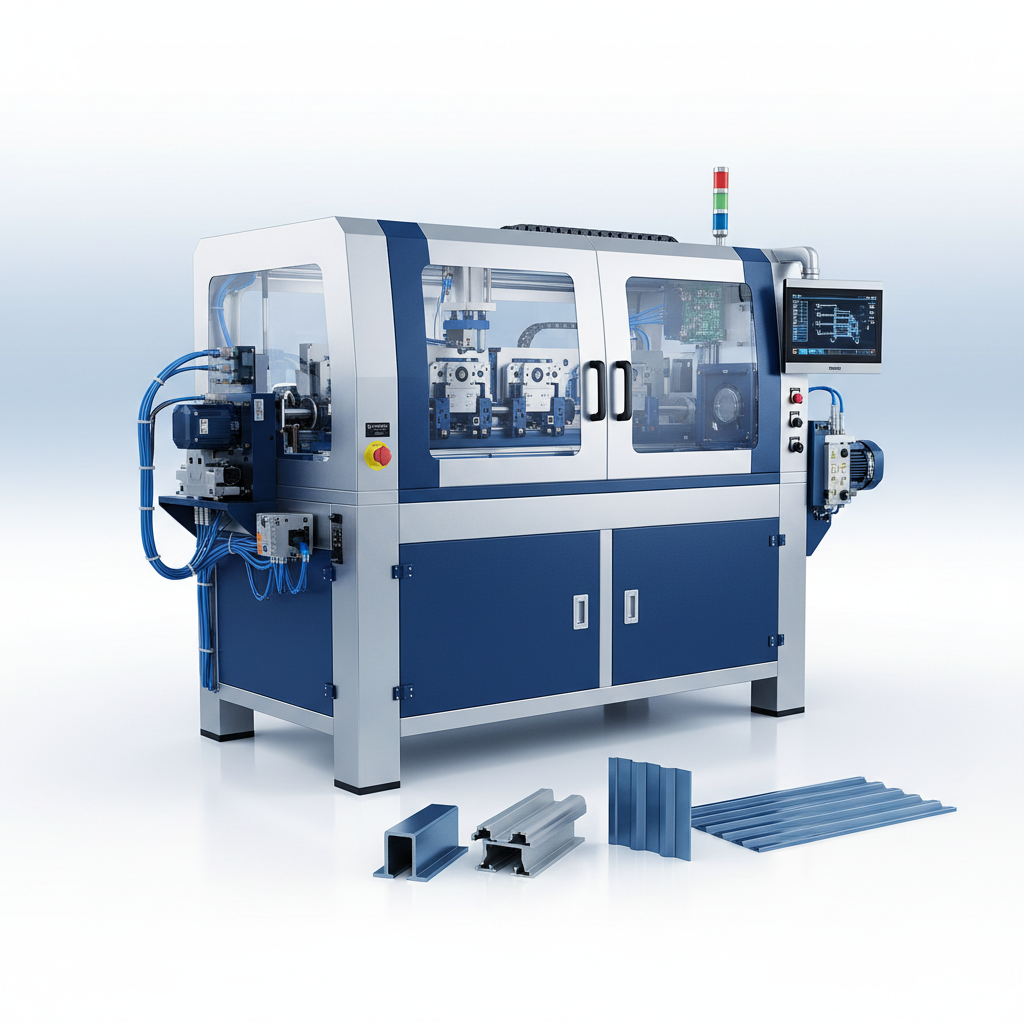
A light gauge steel framing machine is a sophisticated piece of equipment designed to automatically produce steel components used in constructing walls, roofs, and floors. These machines take coils of steel and, through a series of rollers and cutters, form them into precise, engineered profiles. Unlike traditional wood framing, LGS framing offers superior strength, durability, and resistance to fire, pests, and rot. Modern machines boast impressive speeds and precision, significantly reducing labor costs and construction timelines.
Key Benefits: Reduced labor costs, faster construction times, improved structural integrity, environmentally friendly, and design flexibility.
The operation of an LGS framing machine involves several key stages. First, a coil of steel is loaded onto a decoiler. This coil is then fed into the machine, where it passes through a leveling system to ensure it’s flat and consistent. Next, the steel is formed into the desired profile using a series of roll forming stations. Finally, a cutting mechanism precisely cuts the steel to the required length. Advanced machines include automatic stacking systems, streamlining the entire process. The entire process is computer controlled which allows for high precision and efficiency.
Key Stages of Operation:
• Decoiling: Unwinding the steel coil.
• Leveling: Ensuring the steel is flat.
• Roll Forming: Shaping the steel into the desired profile.
• Cutting: Precisely cutting the steel to length.
• Stacking: Automating the stacking of finished components.
When selecting an LGS framing machine, several features are crucial. Production speed is a key consideration, as it directly impacts project timelines. The types of profiles the machine can produce are also important – ensure it can handle the specific profiles required for your projects. Automation level is another factor, with more automated machines offering reduced labor costs and increased efficiency. Finally, the control system’s user-friendliness and reliability are paramount.
LGS framing is incredibly versatile, finding applications in a wide range of construction projects. Residential homes, multi-story buildings, commercial structures, and even modular construction all benefit from the speed, strength, and sustainability of LGS. Its resistance to pests and fire makes it an ideal choice for environments prone to these hazards. The design flexibility also allows for innovative and customized architectural designs.
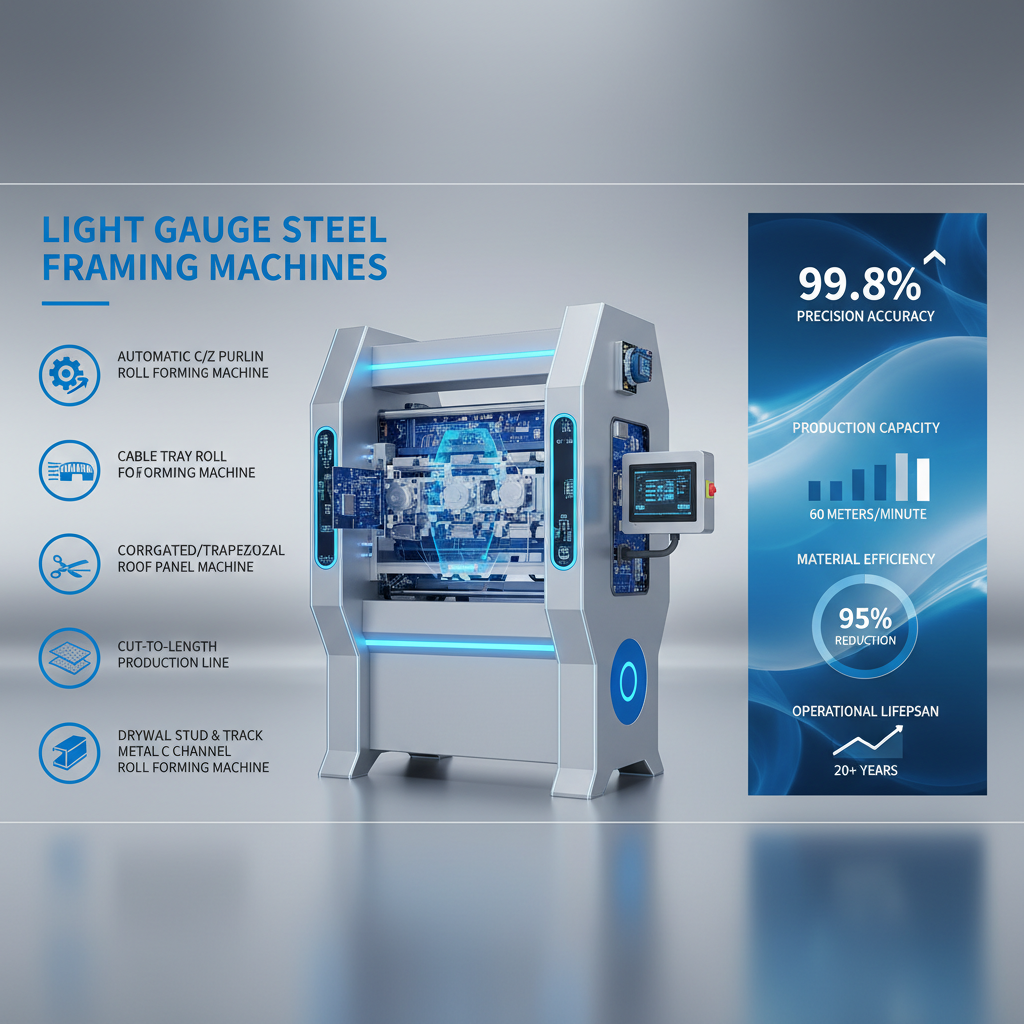
Selecting the right light gauge steel framing machine requires careful consideration of your specific needs. Assess your project volume, the types of profiles you'll require, and your budget. Research different manufacturers and compare their specifications. Don't hesitate to request demonstrations and ask detailed questions about the machine's capabilities and maintenance requirements. Machine Yingyee offers a range of machines suited to different requirements, with a focus on quality and reliability.
Investing in a light gauge steel framing machine is a strategic move for any construction business looking to enhance efficiency, reduce costs, and embrace sustainable building practices. With its numerous benefits and versatile applications, LGS framing is rapidly becoming the preferred method of construction worldwide. Choose wisely, and partner with a reputable manufacturer to ensure a successful investment.
The payback period for a light gauge steel framing machine varies depending on production volume, labor costs, and material savings. However, many companies experience a payback period of 1-3 years due to the significant reduction in labor and material waste. The increased speed of construction also contributes to faster project completion and revenue generation. A detailed cost-benefit analysis tailored to your specific operations is recommended.
Regular maintenance is crucial for ensuring the longevity and optimal performance of your LGS framing machine. This includes lubricating moving parts, inspecting rollers and cutters for wear, cleaning the machine, and checking the control system. Routine maintenance schedules are typically provided by the manufacturer. Preventative maintenance can significantly reduce downtime and costly repairs.
Most LGS framing machines can handle a wide range of steel gauges, typically from 0.5mm to 2.0mm. The specific gauges supported will depend on the machine's capabilities and the design of the roll forming tools. It's important to choose a machine that can handle the gauges required for your intended applications. Machine Yingyee machines offer versatility in gauge handling.
Yes, reputable manufacturers like Machine Yingyee typically provide comprehensive training to ensure operators can safely and efficiently use the machine. This training usually covers machine operation, maintenance, troubleshooting, and safety procedures. On-site training and remote support are often available.