The E6013 welding rod is a cornerstone in the world of arc welding, renowned for its ease of use and broad applicability. It’s a mild steel electrode covered with a rutile-based flux, delivering smooth, stable arcs and excellent weld beads. This article will explore the key features, applications, benefits, and considerations when using E6013 rods, providing a comprehensive guide for both novice and experienced welders. Choosing the right welding rod is critical for achieving strong, durable, and aesthetically pleasing welds. We'll delve into why the E6013 is often the preferred choice for many welding projects.
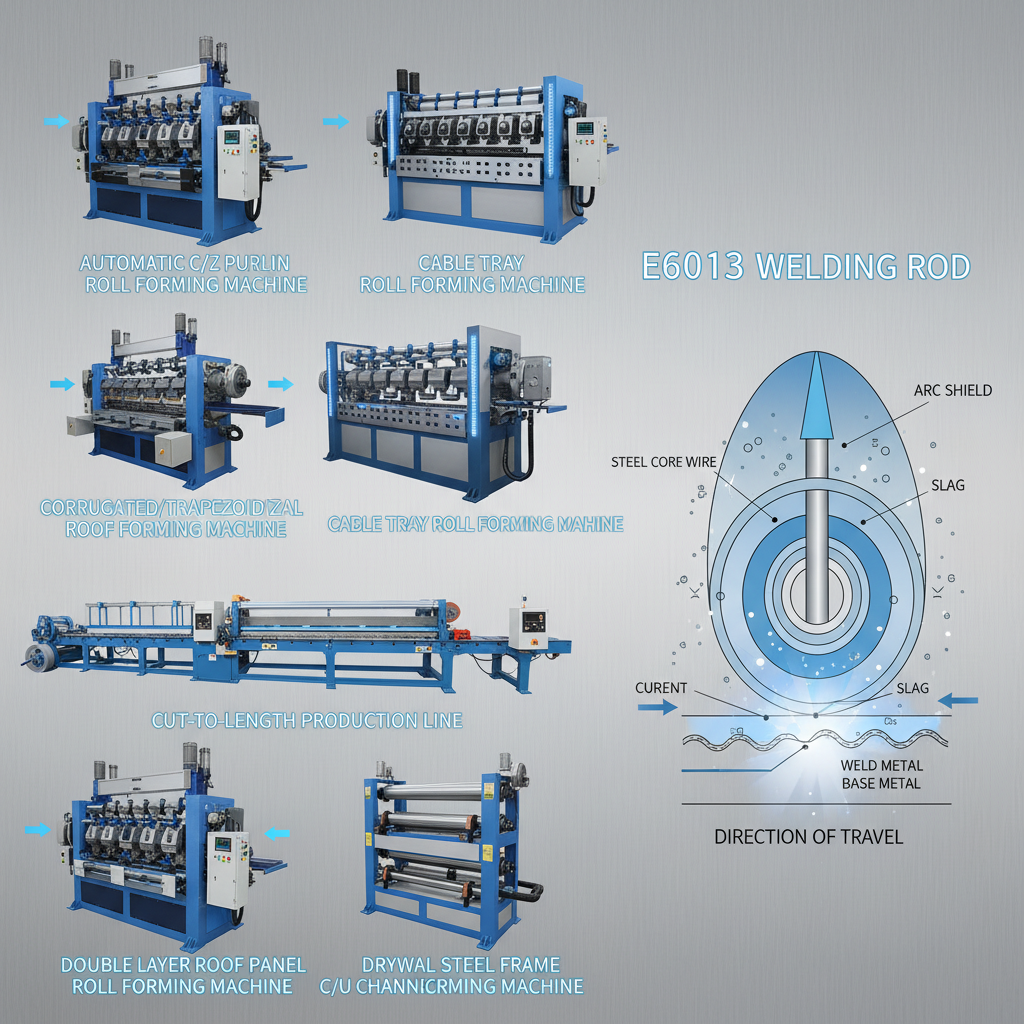
E6013 rods are favored for their excellent arc starting and re-striking abilities, making them ideal for intermittent welding, short welds, and welding in difficult positions. The rutile flux coating produces a thick, easily removable slag that protects the weld pool from atmospheric contamination. This coating also contributes to a smooth, quiet arc and minimizes spatter. They are versatile enough for use with both AC and DC welding power sources. This makes them a cost-effective and reliable solution for a wide range of welding tasks. Machine Ying Yee offers a consistent quality E6013 for predictable results.
Key Highlights: Excellent arc starting and re-striking, easy slag removal, smooth arc, minimal spatter, suitable for AC and DC.
The E6013 welding rod's versatility shines in a wide array of applications. It's commonly used for general purpose welding of mild steel, particularly in the construction of sheet metal, pipework, and structural steel. It’s also frequently employed in maintenance and repair work, such as fixing farm equipment, automotive repairs, and general fabrication. The rod's ability to weld on slightly rusty or dirty surfaces without extensive preparation makes it particularly useful in field repairs. Because of its consistent performance, it’s frequently used in training environments for new welders to develop fundamental skills.
Application Benefits:
• General purpose welding of mild steel
• Construction of sheet metal & pipework
• Maintenance and repair work
• Suitable for rusty or dirty surfaces
While the E6013 is a great all-rounder, it's important to understand how it compares to other popular welding rods. For example, E7018 rods offer higher tensile strength and ductility, but require DC+ polarity and are more difficult to use. E6011 rods provide deeper penetration, but produce more spatter and a harsher arc. Choosing the correct rod depends on the specific application and desired weld characteristics. Our experts at Machine Ying Yee can help determine the ideal rod for your project.
While E6013 rods are easy to use, proper technique and preparation are crucial for successful welds. Ensure the metal surface is clean of loose rust, scale, paint, and other contaminants. A short arc length (around 1/8 inch) provides the best control and weld quality. Maintain a consistent travel speed to achieve a uniform bead. Proper amperage settings, based on the rod diameter and material thickness, are also essential. Regularly check the weld for defects, such as porosity or undercut, and adjust your technique accordingly. Machine Ying Yee provides detailed technical data sheets to assist with optimal settings.
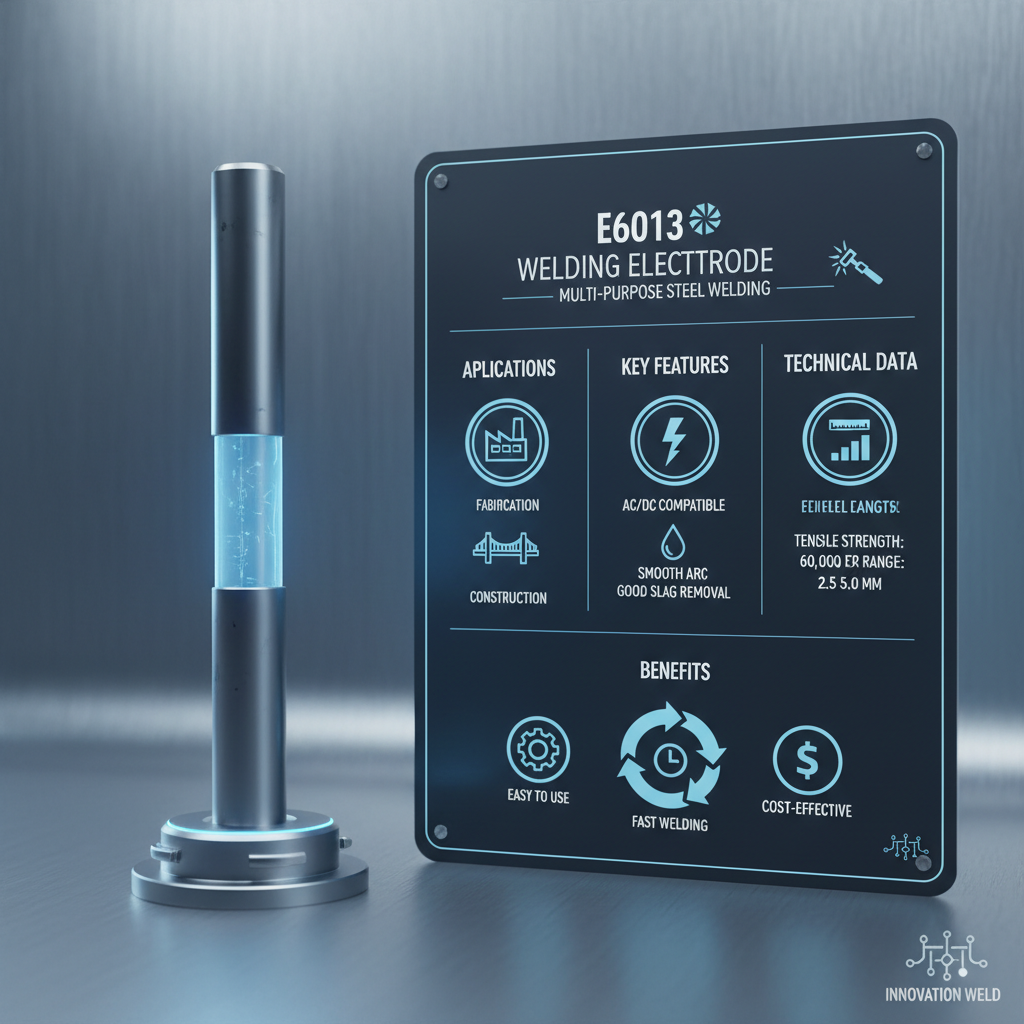
E6013 rods are available in various diameters, each suited for different material thicknesses and welding positions. Common sizes include 1/8 inch, 3/32 inch, 5/32 inch, and 1/4 inch. The tensile strength is typically around 55,000-60,000 psi, and the elongation is approximately 22%. Choosing the correct diameter ensures proper weld penetration and prevents issues like burn-through or lack of fusion.
The E6013 welding rod remains a staple for welders of all skill levels due to its ease of use, consistent performance, and broad applicability. From general fabrication to repair work, its versatility makes it a valuable addition to any welding toolkit. By understanding its characteristics and proper usage techniques, you can achieve high-quality, durable welds. Machine Ying Yee is your trusted source for reliable E6013 rods and expert support.
While E6013 rods can tolerate some surface contaminants, it’s best to remove loose paint and rust before welding. Paint can cause porosity and weaken the weld. Thoroughly cleaning the metal surface will result in a stronger, more reliable weld. Grinding or wire brushing are effective methods for removing paint and rust, ensuring a clean base metal for welding. If you absolutely must weld over paint, reduce amperage and use a short arc length.
E6013 rods are exceptionally versatile and can be used in all welding positions – flat, horizontal, vertical, and overhead. Their excellent arc starting and stability make them particularly beneficial for out-of-position welding. However, for overhead welding, a lower amperage setting is generally recommended to prevent the molten metal from sagging.
Proper storage is essential to prevent rust and maintain the quality of your E6013 rods. Store them in a dry, sealed container or cabinet. Avoid exposing them to moisture, humidity, or direct sunlight. If the rods do become slightly rusty, you can lightly wire brush them before use, but heavily rusted rods should be discarded.
E6010 rods provide deeper penetration than E6013, making them suitable for welding thicker materials and dirty or rusty metal. However, they produce significantly more spatter and require a higher skill level to use effectively. E6013 rods are more forgiving, offering a smoother arc and easier slag removal, making them a better choice for beginners and general-purpose welding. E6010 usually needs DC polarity, and E6013 can use both AC and DC.