PPGI (Prepainted Galvanized Iron) steel coil is a versatile material widely used across numerous industries, from construction and appliances to automotive and more. It offers the strength of galvanized steel combined with a pre-applied paint finish, providing both durability and aesthetic appeal. This article dives deep into the benefits, applications, and considerations when sourcing PPGI prepainted galvanized steel coil, offering valuable insights for buyers and specifiers. Selecting the right PPGI coil is crucial for project longevity and cost-effectiveness.
PPGI is created through a continuous galvanizing process followed by painting. First, a steel coil undergoes hot-dip galvanization, coating it with a protective zinc layer to prevent corrosion. This galvanized steel is then cleaned, pre-treated, and coated with various paints, typically employing a coil coating line. This process ensures a uniform and durable paint finish. Common paint systems include polyester, silicone polyester, PVDF, and SMP, each offering different levels of performance in terms of weather resistance, color retention, and flexibility. The choice of paint system depends on the intended application and environmental conditions. Machine Ying Yee specializes in providing high-quality PPGI coil with a variety of paint options.
Key Takeaway: PPGI combines the corrosion resistance of galvanized steel with the aesthetic benefits and additional protection of a pre-applied paint finish.
Using PPGI offers significant advantages over traditional steel materials. Firstly, it drastically reduces fabrication costs as the painting is completed before manufacturing. Secondly, the pre-painted surface provides excellent corrosion resistance, extending the lifespan of the final product. Thirdly, PPGI comes in a wide array of colors and patterns, eliminating the need for additional painting and allowing for design flexibility. Finally, the paint finish provides a protective layer against UV radiation, preventing fading and discoloration. These benefits translate to cost savings, reduced maintenance, and enhanced aesthetic appeal.
PPGI Advantages:
• Reduced Fabrication Costs
• Excellent Corrosion Resistance
• Wide Range of Colors and Patterns
• UV Protection
The versatility of PPGI allows it to be used in a diverse range of applications. Some common examples include roofing sheets, wall cladding, gutters, downspouts, agricultural buildings, household appliances (refrigerators, washing machines), automotive parts, metal furniture, and pre-engineered steel buildings. The specific application dictates the required paint system, thickness, and coil width. Machine Ying Yee offers PPGI solutions tailored to meet the demands of various industries.
Selecting the appropriate paint system is crucial for optimal performance. Polyester is a cost-effective option for general applications, while Silicone Polyester offers improved weather resistance. PVDF (Polyvinylidene Fluoride) provides superior color retention and resistance to harsh environments, making it ideal for demanding applications like architectural cladding. SMP (Silicone Modified Polyester) offers a good balance of performance and cost. Understanding the specific requirements of your project and the environmental conditions is key to choosing the best paint system. Contact our experts to discuss your project and determine the optimal PPGI solution.
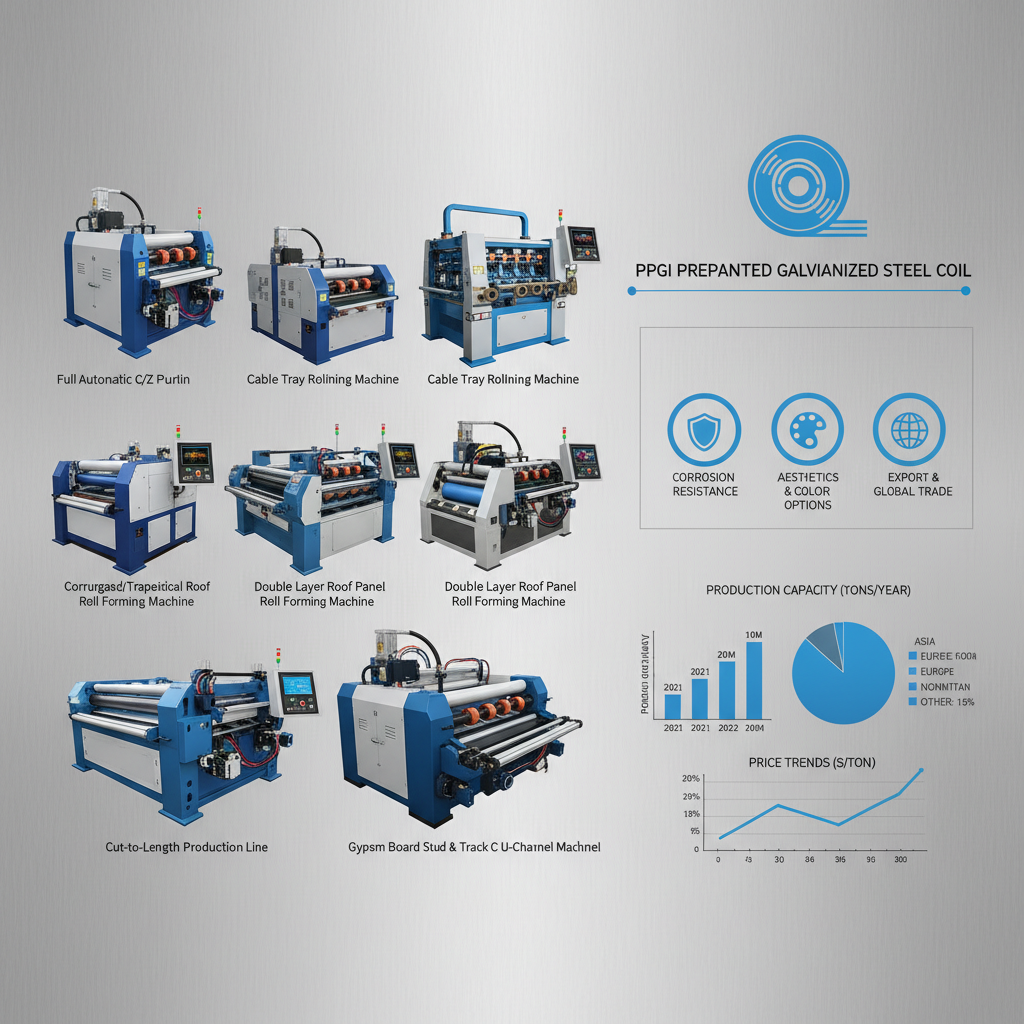
When sourcing PPGI, consider factors such as the steel grade, zinc coating thickness, paint thickness, coil width, and price. Ensure the supplier adheres to industry standards and provides quality certifications. Checking their production capacity and lead times is also important. A reputable supplier like Machine Ying Yee will offer consistent quality and reliable delivery. Don't hesitate to request samples for testing before placing a large order.
PPGI prepainted galvanized steel coil is a superior material choice for a wide variety of applications. By understanding its benefits, applications, and the critical factors involved in sourcing, you can make an informed decision that will contribute to the success of your project. Machine Ying Yee is committed to providing high-quality PPGI solutions and expert support to meet your specific needs.
The lifespan of PPGI coil varies depending on the environment and the paint system used. Generally, with proper installation and maintenance, PPGI can last 20-30 years or even longer. PVDF-coated PPGI offers the longest lifespan, often exceeding 30 years, due to its exceptional resistance to weathering and UV degradation. Regular inspections and cleaning can help extend the lifespan of the coating and prevent premature failure. Factors like industrial pollution, coastal salt spray, and extreme temperatures can affect longevity.
Common paint systems include Polyester, Silicone Polyester, PVDF, and SMP. Polyester is the most economical, suitable for general-purpose applications. Silicone Polyester offers enhanced heat resistance and weatherability. PVDF provides superior color retention, chemical resistance, and durability, making it ideal for demanding architectural applications. SMP is a good middle ground, combining performance and cost-effectiveness. The choice depends on your budget, performance requirements, and the environment where the PPGI will be used.
Yes, PPGI is readily formable and can be fabricated using standard metalworking techniques such as bending, cutting, punching, and welding. However, it's important to note that improper fabrication can damage the paint coating and compromise corrosion resistance. Care should be taken to avoid scratching or damaging the coating during processing. Specialized cutting tools and bending techniques may be required to minimize coating damage. Machine Ying Yee can provide guidance on proper fabrication techniques.
Galvanized steel is steel coated with a layer of zinc to prevent corrosion. PPGI is galvanized steel with a pre-applied paint finish. Galvanizing provides corrosion protection, while the paint adds an aesthetic finish and additional protection against the elements. PPGI offers a combined benefit of both corrosion resistance and aesthetic appeal, eliminating the need for separate painting processes.