The demand for high-quality floor tiles continues to grow globally, driven by construction and renovation activities. A reliable floor tiles making machine is essential for manufacturers aiming to meet this demand efficiently and profitably. This article provides an in-depth look at floor tiles making machines, covering their types, key features, the manufacturing process, and what to consider when making a purchase. Investing in the right machinery can significantly boost production capacity, improve tile quality, and reduce operational costs. Machine Yingyee offers a range of solutions designed to enhance your tile production.
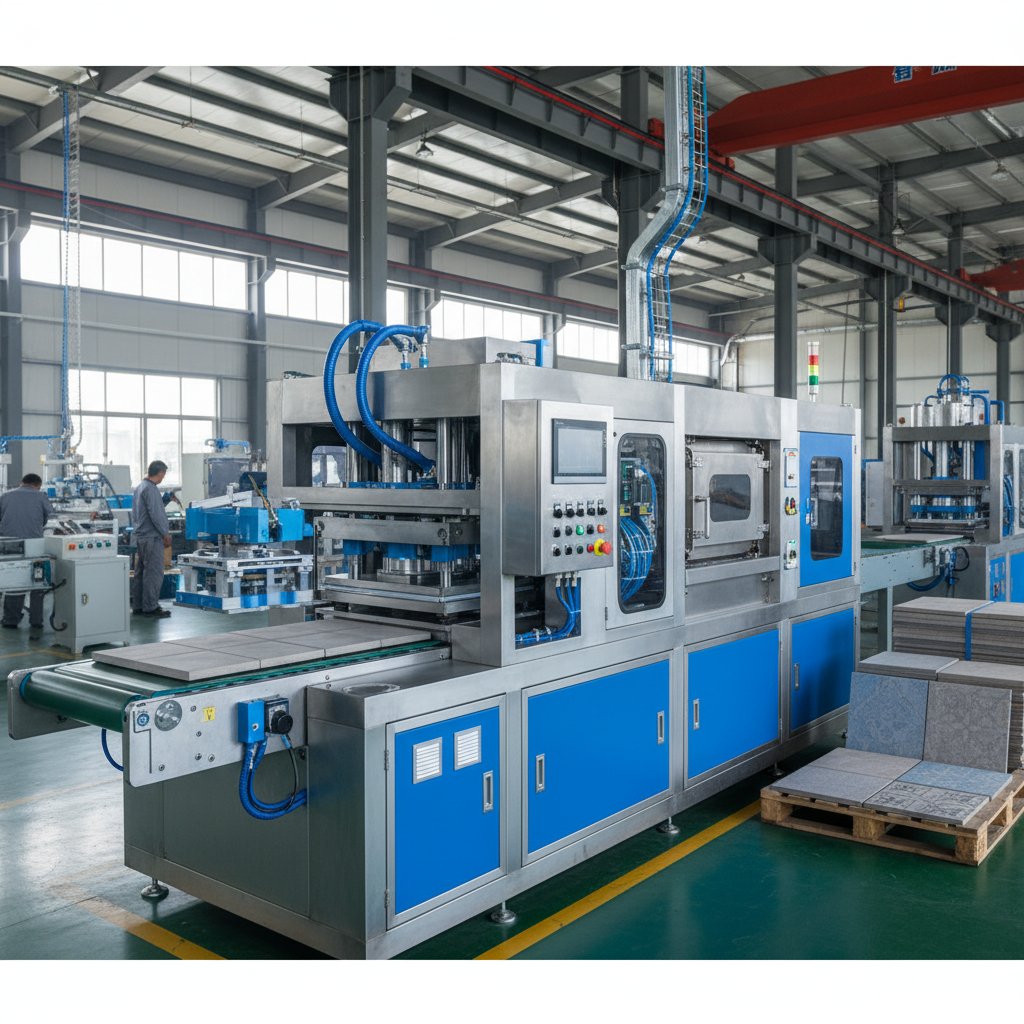
Several types of machines are used in floor tile production, each with its own advantages and applications. The most common types include: Pressing Machines – these machines compress the tile mixture under high pressure to form the tile shape. Glazing Machines – apply a glaze coating to the tile surface for aesthetics and protection. Polishing Machines – smooth and refine the tile surface, enhancing its finish. Cutting Machines – precisely cut tiles to size. Drying Machines – remove moisture from the tiles after pressing and glazing. Selecting the right combination of machines depends on the type of tiles you intend to produce and your desired production capacity. Machine Yingyee provides tailored solutions to fit your specific production needs.
Key Takeaway: A complete floor tile production line generally incorporates pressing, glazing, polishing, cutting and drying machines to achieve the desired tile quality and output.
The process of making floor tiles involves several key steps. First, raw materials like clay, feldspar, silica, and various pigments are mixed and ground into a fine powder. This mixture is then fed into a pressing machine, which compresses it into the desired tile shape. The pressed tiles are then dried to remove moisture, followed by glazing, where a layer of glaze is applied. After glazing, the tiles undergo polishing to achieve a smooth, glossy finish. Finally, the tiles are sorted, inspected, and packaged for shipment. Each step requires specialized machinery to ensure efficiency and quality. Proper material selection and precise control of each stage are crucial for producing durable and visually appealing floor tiles.
Key Process Stages:
• Raw Material Preparation: Mixing and grinding of clay, feldspar, silica.
• Pressing: Compressing the mixture into tile shapes.
• Drying: Removing moisture from the pressed tiles.
• Glazing: Applying a glaze coating for aesthetics and protection.
• Polishing: Smoothing and refining the tile surface.
• Cutting & Sorting: Precise cutting and quality inspection.
When selecting a pressing machine, a key consideration is whether to choose a hydraulic or mechanical press. Hydraulic presses offer greater pressure control and are ideal for producing complex tile designs. They are generally quieter and more energy-efficient. Mechanical presses, on the other hand, are known for their speed and reliability. They are a cost-effective option for high-volume production of simpler tile designs. The choice depends on your specific production needs and budget. Machine Yingyee can help you assess your requirements and recommend the most suitable pressing machine.
Choosing the right floor tiles making machine requires careful consideration of several factors. Production Capacity: Determine your desired output to select a machine that can meet your demand. Tile Size and Type: Different machines are designed for different tile sizes and types. Budget: Consider both the initial investment and ongoing operating costs. Automation Level: Decide whether you need a fully automated line or a semi-automated system. After-Sales Service: Ensure the supplier offers reliable technical support and spare parts. Machine Yingyee provides comprehensive support, from machine selection to installation and maintenance.
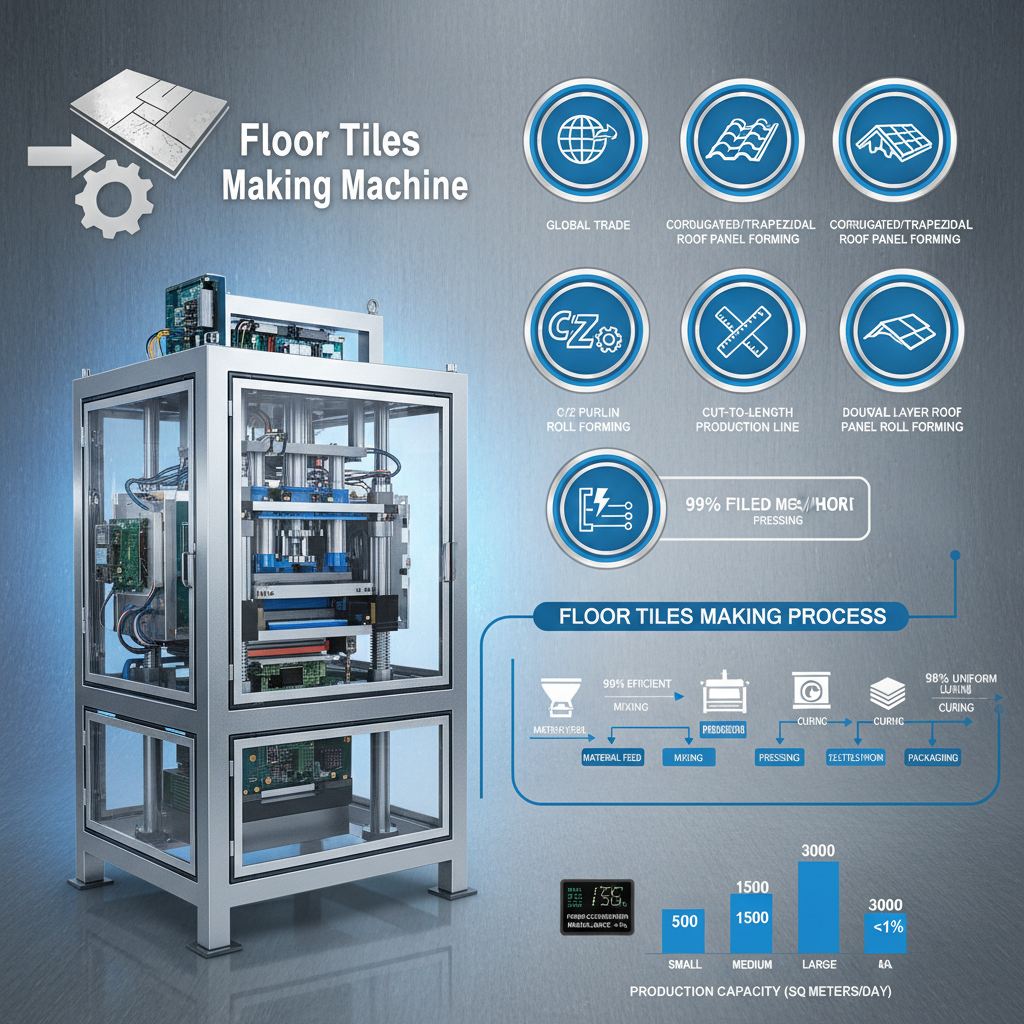
Here's a look at the specifications of our popular YX-1200 automatic floor tile making machine:
Investing in a high-quality floor tiles making machine is crucial for success in the competitive tile manufacturing industry. Machine Yingyee offers a comprehensive range of reliable, efficient, and customizable solutions to meet your specific needs. Contact us today to discuss your requirements and find the perfect machine for your business.
The lead time can vary depending on the machine’s complexity and customization requirements. Generally, standard machines have a lead time of 30-45 days, while customized machines may take 60-90 days. We strive to deliver machines promptly without compromising quality. Factors affecting lead time include raw material availability, production schedules, and shipping logistics. Contact Machine Yingyee for a precise estimate based on your specific order.
Machine Yingyee provides comprehensive after-sales service, including installation guidance, operator training, technical support, and spare parts supply. We offer both on-site and remote assistance to ensure your machine operates smoothly and efficiently. Our team of experienced engineers is available to address any issues promptly and effectively. We also provide regular maintenance schedules to prevent breakdowns and extend the machine’s lifespan.
Our floor tiles making machines are versatile and can handle a wide range of raw materials, including various types of clay, feldspar, silica, quartz, and pigments. We can also advise on the optimal material mix for specific tile types and desired properties. We provide guidance on material preparation techniques to ensure consistent quality and performance.