Unistrut capping plays a vital role in completing and protecting unistrut installations. It provides a neat finish, protects against corrosion, and enhances safety. Choosing the right capping is crucial for ensuring the longevity and effectiveness of your unistrut system. This article will delve into the benefits, types, installation, and sourcing of unistrut capping, offering a thorough overview for professionals and DIY enthusiasts alike. Proper capping improves the aesthetic and functional aspects of your installations.
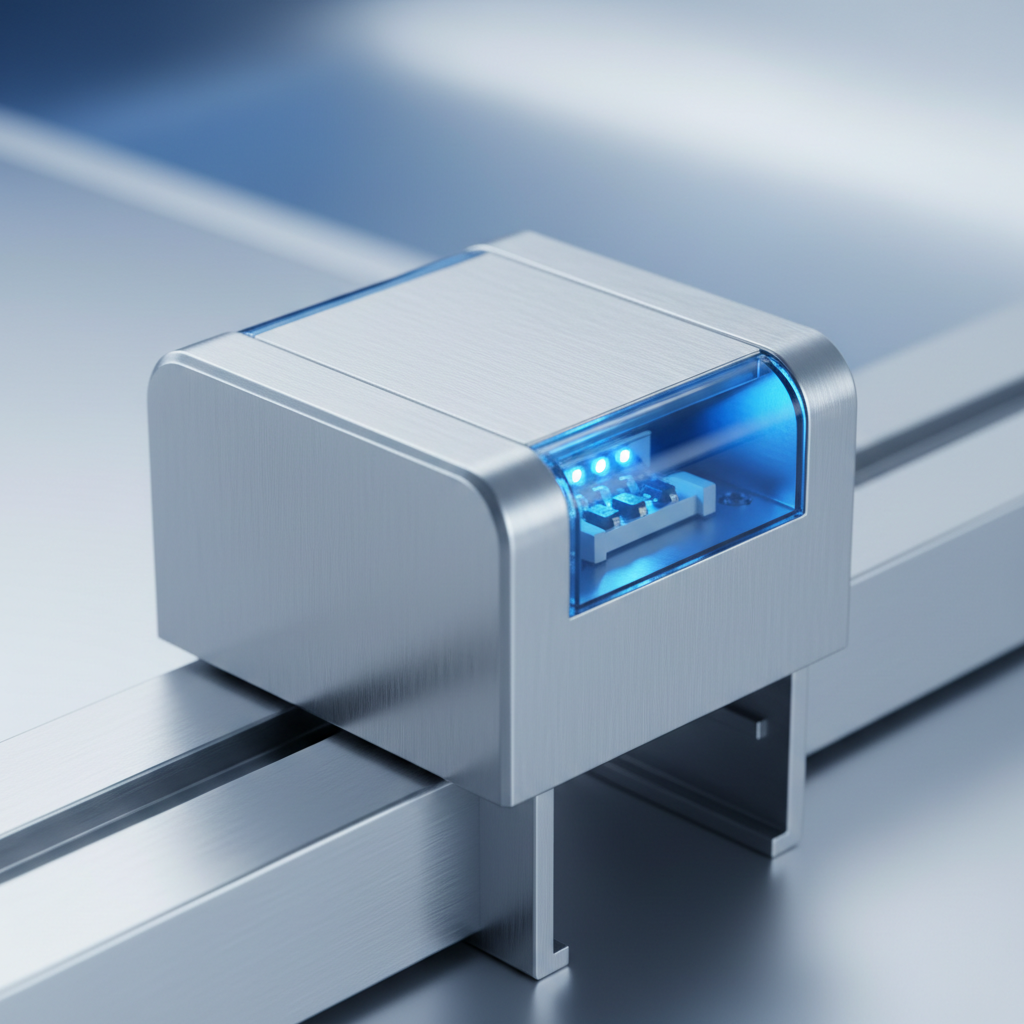
Using unistrut capping offers a multitude of advantages. First and foremost, it provides a clean and professional finish to exposed unistrut ends. This aesthetic improvement is important for both functional and visual reasons. More importantly, capping protects the edges of the unistrut from sharp corners and potential injuries. It also prevents corrosion of the steel, extending the lifespan of the entire system, particularly in harsh environments. Finally, it can help to prevent debris from accumulating inside the unistrut channel. Selecting the right unistrut capping ensures a reliable and long-lasting installation.
Key Highlights: Provides a clean finish, protects against injury, prevents corrosion, and extends system lifespan.
Unistrut capping comes in various materials and styles to suit different applications. The most common materials include galvanized steel, stainless steel, and plastic. Galvanized steel is a cost-effective option suitable for indoor and dry environments. Stainless steel offers superior corrosion resistance for outdoor or corrosive environments. Plastic capping is lightweight, non-conductive, and ideal for applications where electrical isolation is required. Caps are also available in end caps (covering the end of the channel), top caps (covering the top surface), and full channel covers.
Capping Material Benefits:
• Galvanized Steel: Cost-effective, suitable for dry environments.
• Stainless Steel: Superior corrosion resistance, ideal for outdoor use.
• Plastic: Lightweight, non-conductive, electrically isolating.
Selecting the appropriate unistrut capping depends on several factors, including the environment, the load requirements, and the desired aesthetic. For outdoor installations or areas exposed to moisture, stainless steel capping is highly recommended. For indoor applications where corrosion isn’t a concern, galvanized steel provides a cost-effective solution. If electrical isolation is required, plastic capping is the best choice. Consider the type of cap needed - end caps for finishing the ends, or full channel covers for complete protection. Machineyingyee offers a wide selection of capping options to meet any project need.
Installing unistrut capping is typically straightforward. Most caps simply snap or clip onto the unistrut channel. Ensure the channel is clean and free from debris before installation. For some caps, a rubber mallet may be used to gently tap them into place. Ensure a snug fit to provide maximum protection and a professional appearance. Always follow the manufacturer's instructions for specific installation guidelines. For large-scale projects, consider using a specialized tool to expedite the installation process.
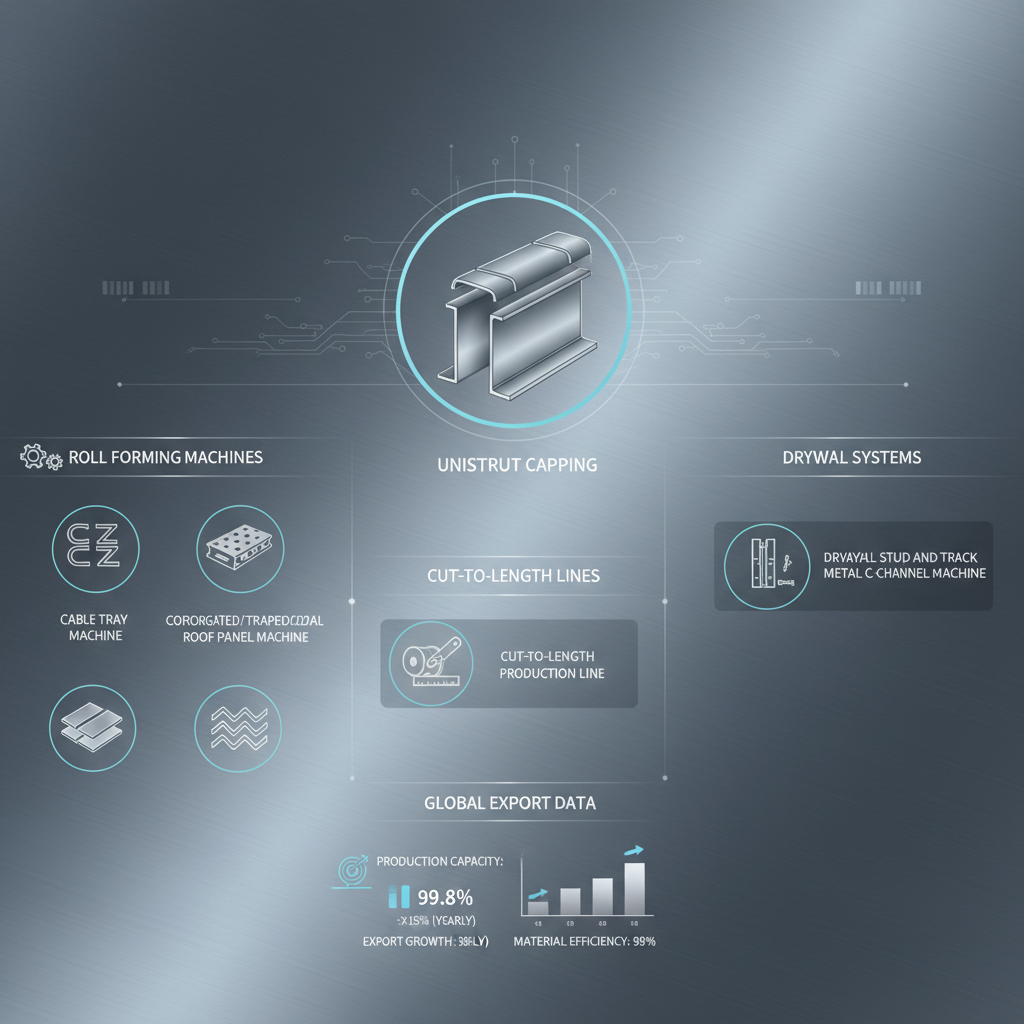
When sourcing unistrut capping, it's essential to choose a reputable supplier. Look for suppliers that offer a wide range of materials and sizes to meet your specific needs. Ensure the capping is manufactured to high-quality standards and meets relevant industry certifications. Machineyingyee is a trusted provider of unistrut capping, offering a comprehensive selection, competitive pricing, and reliable service.
Investing in quality unistrut capping is a simple yet effective way to enhance the safety, durability, and aesthetic appeal of your installations. By choosing the right material and ensuring proper installation, you can protect your unistrut system from corrosion, prevent injuries, and create a professional finish. Don't overlook this important component of your unistrut projects.
End caps are designed to cover only the open ends of the unistrut channel, providing a finished look and preventing sharp edges. Full channel covers, on the other hand, cover the entire top surface of the channel, offering greater protection from debris, corrosion, and accidental contact. The choice between the two depends on the level of protection and aesthetic preference.
Yes, unistrut capping, particularly galvanized steel or stainless steel, can be painted. However, proper surface preparation is crucial for ensuring good adhesion. The capping should be thoroughly cleaned and degreased before applying a primer specifically designed for metal surfaces. Then, apply the desired paint color. Plastic capping may require specialized paints designed for plastics.
While plastic unistrut capping offers some UV resistance, it's generally not recommended for prolonged outdoor exposure, particularly in harsh climates. UV radiation can cause the plastic to become brittle and degrade over time. Stainless steel or galvanized steel capping are better choices for outdoor applications.
Generally, unistrut capping requires minimal tools. Most caps simply snap into place by hand. A rubber mallet may be useful for gently tapping caps into position. For large projects, a specialized capping tool can significantly speed up the installation process. Safety glasses are also recommended to protect your eyes.