The demand for efficient and durable building materials is constantly growing, especially in the realm of modern construction. Sandwich wall panel equipment plays a crucial role in meeting this demand by producing high-quality panels with excellent insulation and structural properties. This article explores the intricacies of this equipment, its applications, benefits, and the key factors to consider when making a purchase. Whether you’re involved in construction, manufacturing, or seeking innovative building solutions, understanding this equipment is essential.
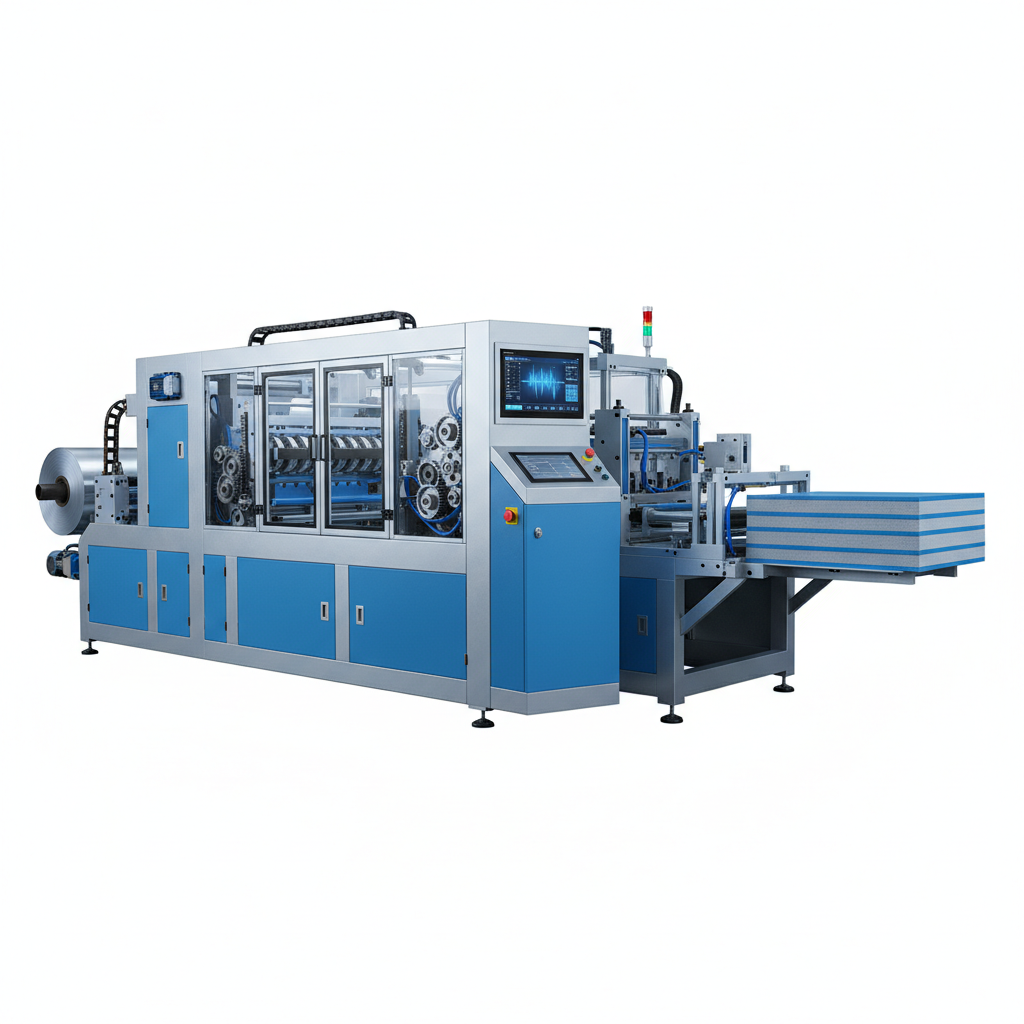
Sandwich wall panel equipment encompasses a range of machinery used to manufacture panels comprised of two outer layers and a core material. The outer layers are typically made of metal (steel, aluminum) or fiberglass, while the core can be materials like polyurethane (PU), polyisocyanurate (PIR), expanded polystyrene (EPS), or mineral wool. The equipment facilitates the bonding of these layers, creating a strong, lightweight, and thermally efficient building component. The process often involves profiling the outer layers, applying adhesive, and then laminating the core material. Machine Yingyee specializes in providing high-performance equipment for this industry.
Key Components: Profiling machines, PU/PIR pouring machines, lamination presses, cutting saws, and control systems are essential components of a complete sandwich panel production line.
Several types of equipment cater to different production needs and panel specifications. These include:
The choice of equipment depends on the desired panel thickness, length, width, and production volume. Contacting an expert like Machine Yingyee will help you determine the best setup for your specific requirements.
Core Material Considerations:
• PU (Polyurethane): Excellent insulation, cost-effective.
• PIR (Polyisocyanurate): Higher fire resistance and insulation performance.
• EPS (Expanded Polystyrene): Lightweight and economical.
• Mineral Wool: Superior fire protection and sound insulation.
When investing in sandwich wall panel equipment, consider the following features:
Sandwich wall panels are versatile and used in a wide range of applications:
Their lightweight nature, thermal efficiency, and structural strength make them an ideal choice for various building projects. Investing in quality sandwich wall panel equipment ensures you can meet the growing demand for these panels.
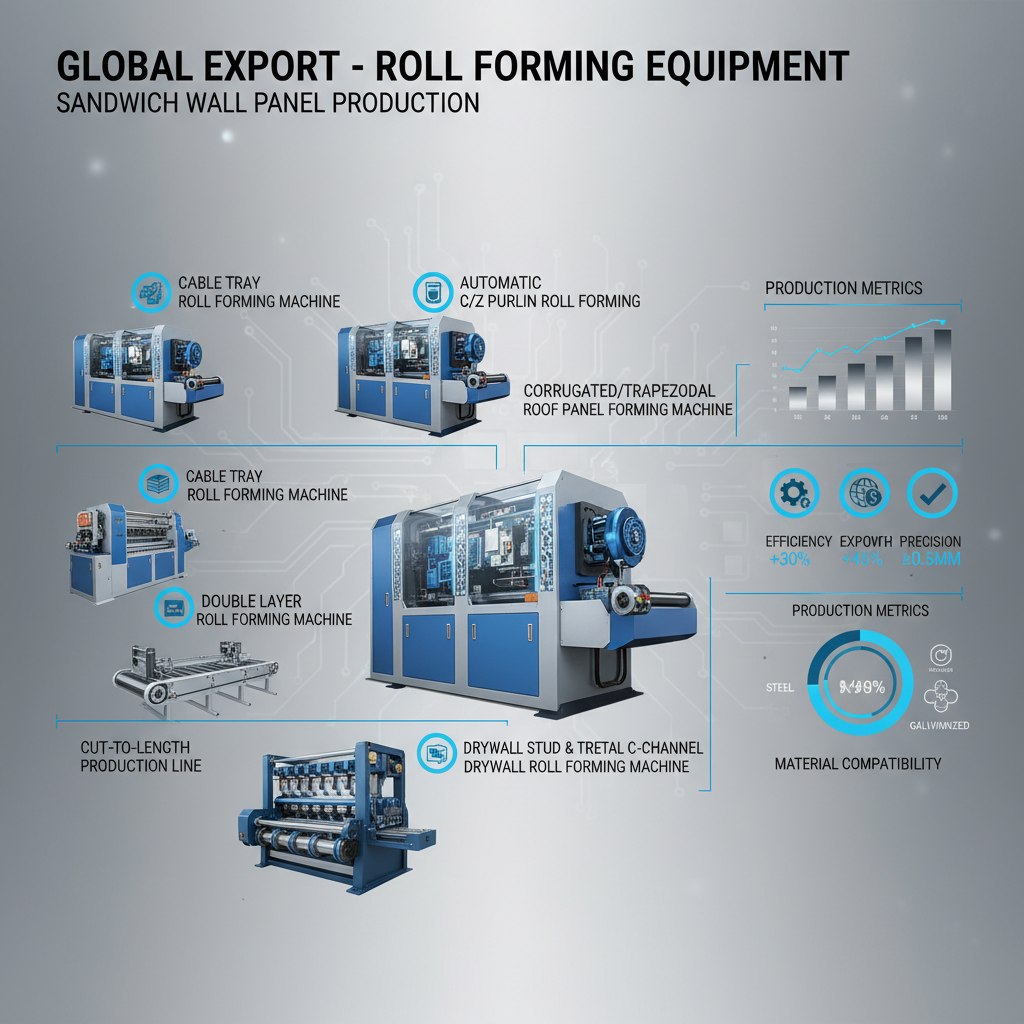
Choosing the right sandwich wall panel equipment is a crucial decision that impacts your production efficiency, product quality, and ultimately, your bottom line. Factors like automation level, production capacity, and core material compatibility should be carefully considered. Machine Yingyee provides tailored solutions and expert guidance to help you select the optimal equipment for your specific needs.
Lead times vary depending on the complexity of the equipment and current order volume. Generally, standard equipment can be delivered within 8-12 weeks, while customized solutions may take 12-16 weeks. It's best to discuss your specific requirements with a sales representative at Machine Yingyee to get an accurate estimate.
Machine Yingyee provides comprehensive after-sales support, including installation guidance, operator training, maintenance services, and readily available spare parts. Our team of experienced engineers is available to provide remote or on-site assistance to ensure your equipment operates smoothly and efficiently. We also offer extended warranty options for added peace of mind.
The power requirement varies depending on the size and automation level of the production line. A basic line typically requires a 380V/415V three-phase power supply with a capacity of 30-50kW. Larger, fully automated lines may require 100kW or more. We provide detailed power specifications for each equipment configuration to ensure proper installation and operation.