In today's fast-paced manufacturing landscape, efficiency and precision are paramount. A china automatic cut to length line offers a powerful solution for businesses seeking to streamline their production processes and minimize material waste. These lines are designed to precisely cut materials like steel, aluminum, and other metals to specified lengths, automating a critical step in numerous industries. From construction and automotive to appliance manufacturing, the benefits are significant. This article will delve into the core components, advantages, applications, and considerations when investing in an automatic cut to length line.
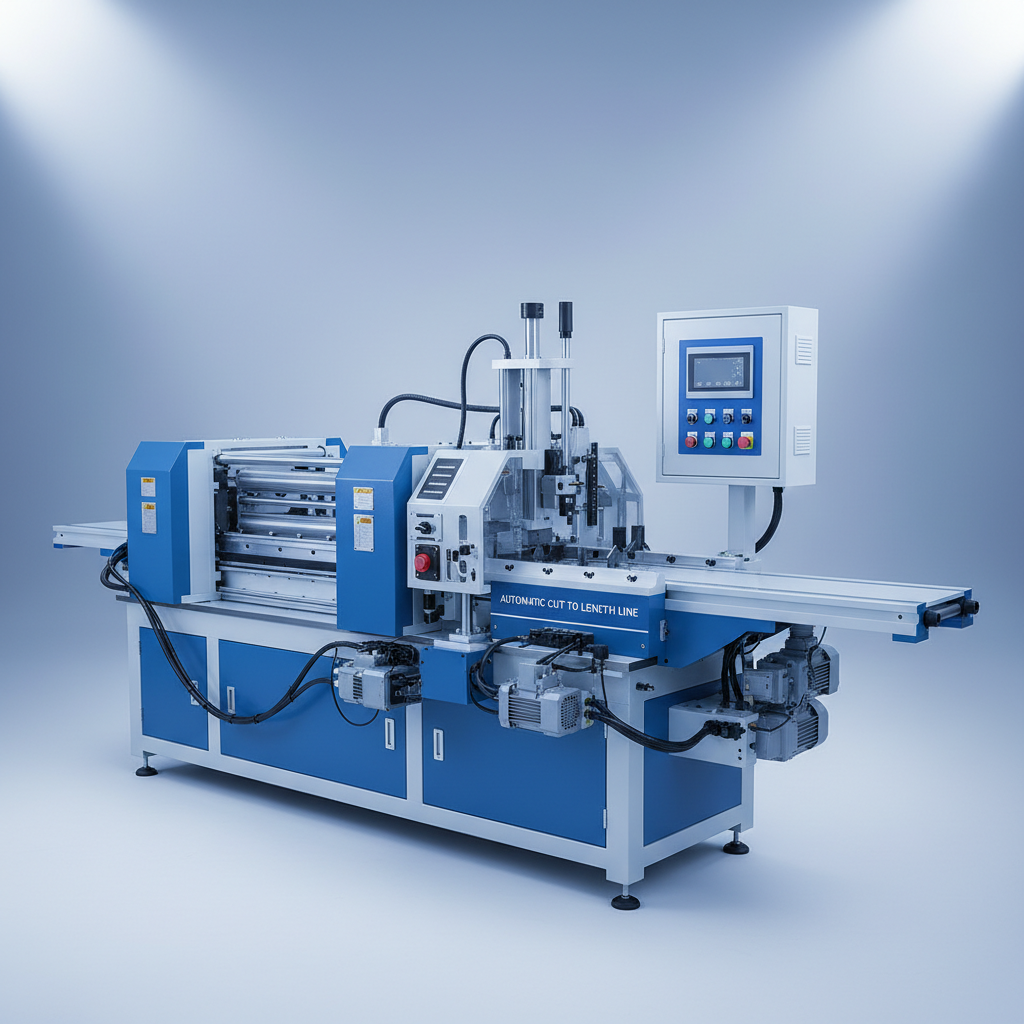
An automatic cut to length line isn’t a single machine; it’s an integrated system. Key components include an uncoiler (to unwind the coil of material), a leveling unit (to ensure flatness), a feeding system (to move the material forward), a shear (the cutting mechanism), a stacker (to collect the cut sheets), and a control system (to manage the entire process). The quality and precision of each component directly impact the overall performance of the line. Modern lines often incorporate advanced technologies like servo motors, PLC control systems, and automated material handling to maximize efficiency and minimize downtime. Investing in a line from a reputable manufacturer, such as Machine Ying Yee, ensures you receive a reliable and well-engineered system.
Key Components: The core components work in synergy to deliver precision cutting. These include an uncoiler, leveling unit, feeding system, shear, stacker, and a sophisticated control system.
The advantages of automating the cut-to-length process are substantial. Firstly, it significantly increases production speed and throughput. Secondly, it reduces labor costs by minimizing manual handling and operation. Thirdly, it improves accuracy and consistency, reducing material waste and ensuring product quality. Finally, automation enhances workplace safety by removing operators from potentially hazardous cutting operations. A china automatic cut to length line offers a compelling return on investment for businesses aiming to boost efficiency and profitability.
Key Benefits:
• Increased Production Speed
• Reduced Labor Costs
• Improved Accuracy and Consistency
• Enhanced Workplace Safety
Comparing automatic cut-to-length lines with traditional manual cutting methods reveals a clear advantage in terms of efficiency, accuracy, and cost-effectiveness. Manual cutting is prone to human error, leading to inconsistent results and material waste. It's also slower and requires more labor. Automatic lines, on the other hand, provide precise cuts every time, minimizing waste and maximizing productivity. While the initial investment in an automatic line is higher, the long-term cost savings and increased output quickly offset the expense.
The versatility of a china automatic cut to length line makes it suitable for a diverse range of applications. These include the automotive industry (producing body panels and structural components), the construction industry (manufacturing metal framing and roofing materials), the appliance industry (creating components for refrigerators, washing machines, and other appliances), and the metal fabrication industry (providing custom cut parts for various projects). The ability to process different materials and thicknesses further expands its applicability.
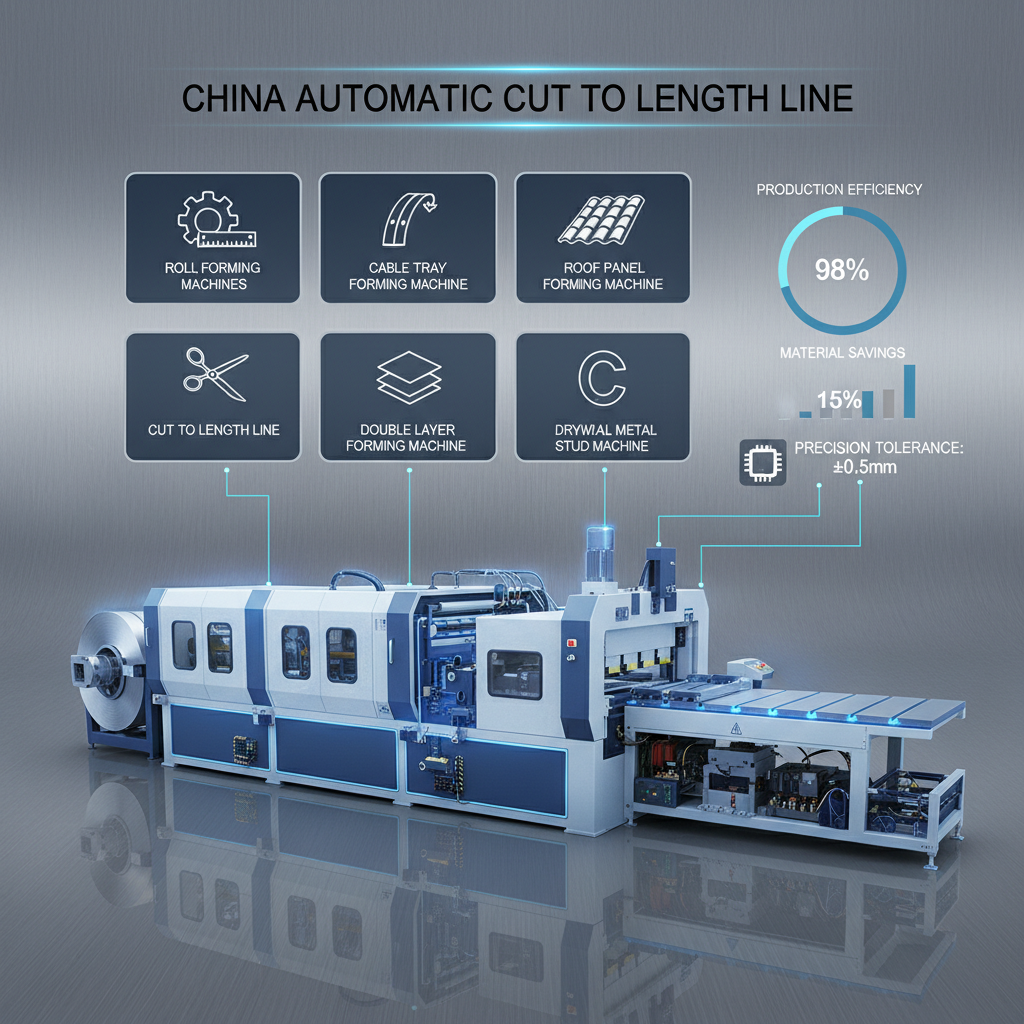
Selecting the appropriate cut to length line requires careful consideration of several factors. Material type and thickness are crucial, as is the desired production volume. The available floor space and power supply also need to be assessed. It’s vital to choose a reputable manufacturer with a proven track record of quality and reliability. Machine Ying Yee provides tailored solutions to meet specific customer needs, offering comprehensive support from initial consultation to installation and ongoing maintenance.
A china automatic cut to length line represents a significant investment in the future of your manufacturing operations. By automating the cut-to-length process, you can unlock substantial gains in efficiency, accuracy, and cost savings. Choosing a reliable partner like Machine Ying Yee ensures you receive a high-quality, customized solution that delivers long-term value.
Most lines can handle a wide range of materials, including carbon steel, stainless steel, aluminum, galvanized steel, and other metal alloys. The specific capabilities depend on the line's specifications, particularly the shear blade material and the roller design. It’s crucial to specify the materials you intend to process when ordering a line to ensure it’s appropriately configured. Machine Ying Yee offers lines tailored to specific material requirements, ensuring optimal performance and durability. Consider the thickness and hardness of the materials, as these factors can impact cutting precision and tool wear.
Lead times vary depending on the complexity of the line and the manufacturer's current workload. Generally, a custom-built line can take anywhere from 8 to 16 weeks from order confirmation to delivery. Factors influencing lead time include component sourcing, fabrication time, and quality control procedures. Machine Ying Yee provides accurate lead time estimates upfront and maintains consistent communication throughout the manufacturing process.
Regular maintenance is essential to ensure optimal performance and longevity. This includes lubricating moving parts, inspecting shear blades for wear, checking the alignment of rollers, and cleaning the control system. A preventative maintenance schedule should be established and followed diligently. Machine Ying Yee provides comprehensive maintenance training and support, as well as readily available spare parts.
While automatic lines are designed to be user-friendly, adequate operator training is crucial for safe and efficient operation. Training should cover the basics of the control system, material loading and unloading procedures, troubleshooting common issues, and safety protocols. Machine Ying Yee provides thorough operator training programs, ensuring that your team can maximize the line's potential and minimize downtime. Proper training leads to increased productivity and reduced risk of accidents.