The demand for energy-efficient and cost-effective building materials is constantly growing. EPS panel machines have emerged as a crucial solution, enabling the production of high-quality Expanded Polystyrene (EPS) sandwich panels. These panels are widely used in construction for walls, roofs, and facades, offering excellent insulation and structural integrity. This article provides a comprehensive overview of EPS panel machines, their benefits, types, and key considerations for businesses looking to invest. Understanding the technology behind these machines is vital for optimizing production and meeting market demands.
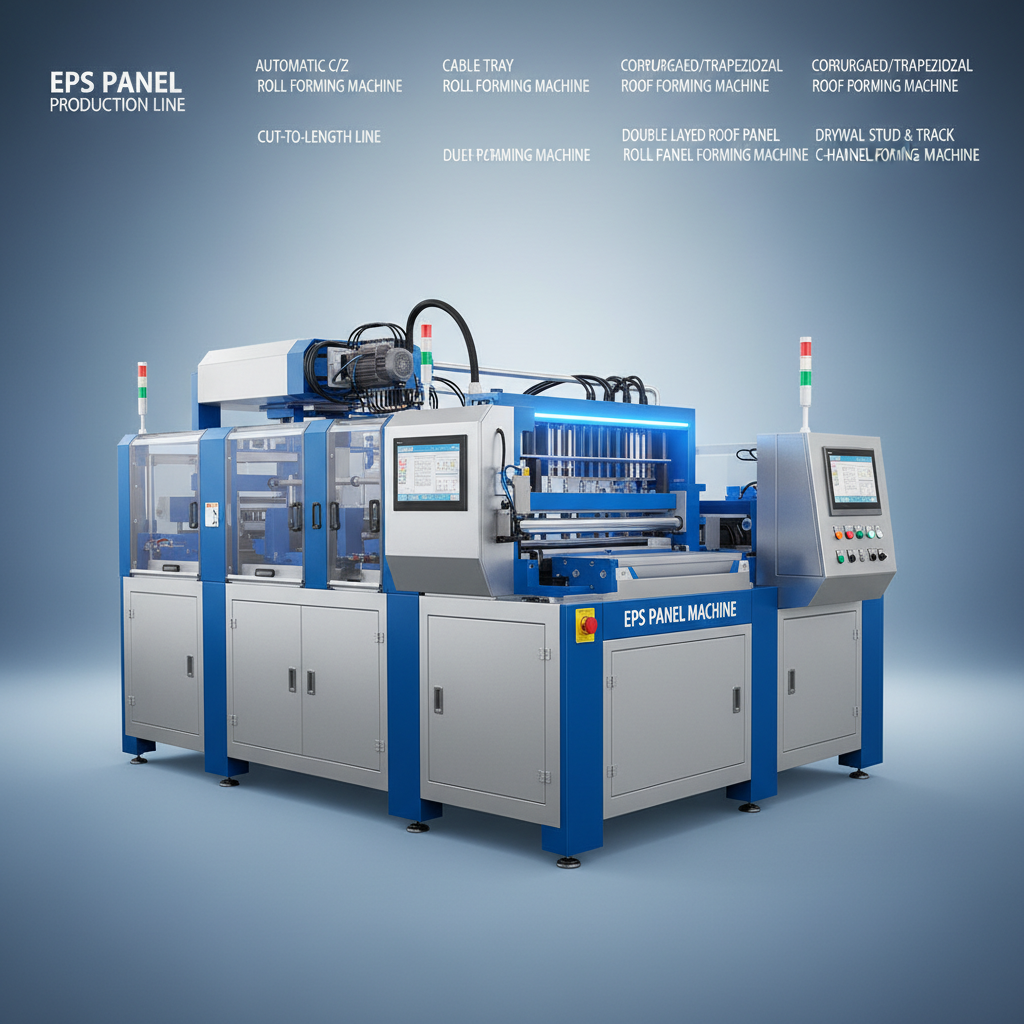
An EPS panel machine is a specialized manufacturing system designed to produce EPS sandwich panels. These machines typically combine a steel coil, EPS foam core, and adhesives through a continuous process of forming, heating, and pressing. The result is a lightweight, strong, and highly insulating panel suitable for various construction applications. The core components of these machines include uncoilers, forming machines, heating systems, pressing rollers, and cutting saws. Investing in a reliable EPS panel machine can significantly improve production efficiency and product quality.
Key Benefits: Lightweight, excellent thermal insulation, cost-effective, rapid construction, versatile applications.
Several types of EPS panel machines cater to different production capacities and panel specifications. The most common include:
Choosing the Right Machine:
• Production Volume: Determine your required output to select a machine with appropriate capacity.
• Panel Specifications: Consider the desired panel thickness, width, and length.
• Automation Level: Choose between manual, semi-automatic, or fully automatic machines based on your budget and labor availability.
• Budget: Evaluate the initial investment cost, ongoing maintenance, and operating expenses.
Understanding the individual components of an EPS panel machine is crucial for effective operation and maintenance. Here's a breakdown:
Investing in an EPS panel machine offers numerous benefits, including:
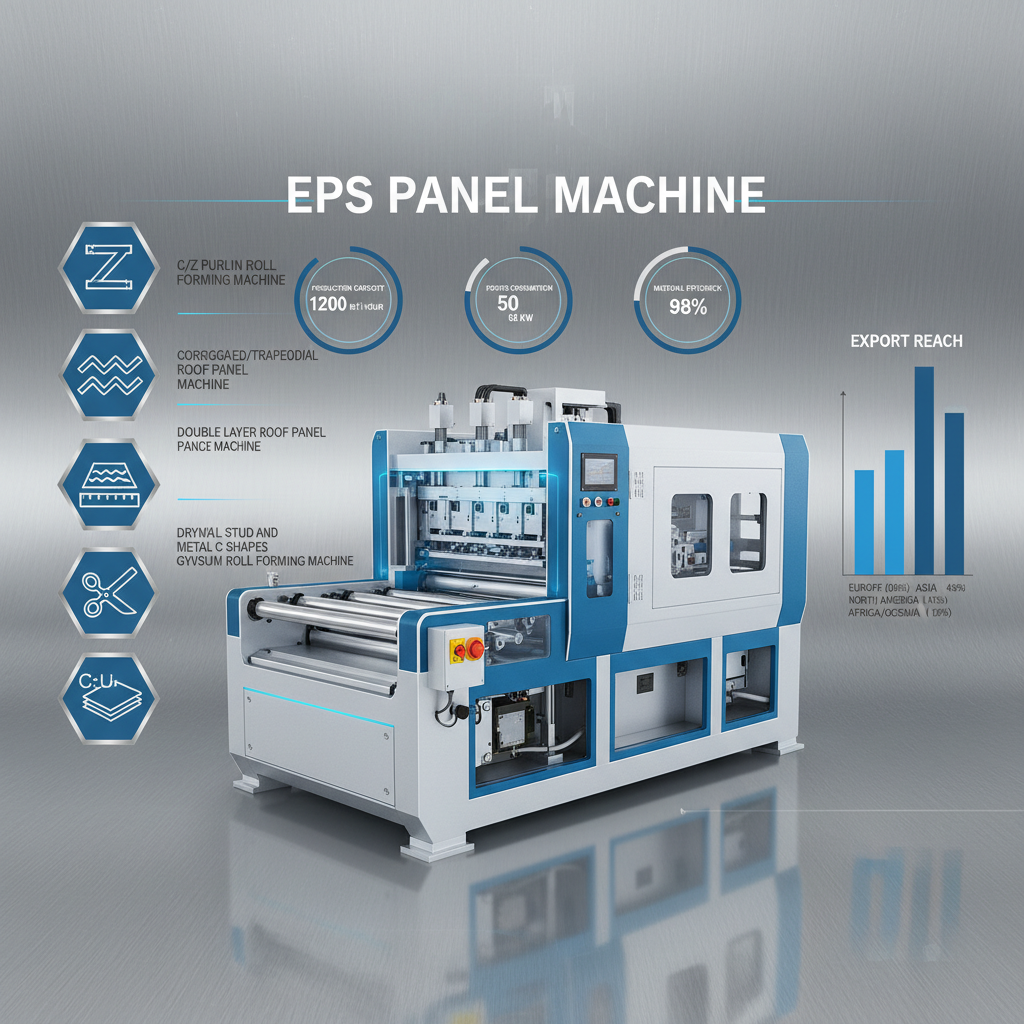
Before investing in an EPS panel machine, carefully consider the following factors:
Investing in an EPS panel machine is a strategic move for businesses seeking to capitalize on the growing demand for sustainable and efficient building materials. With the right machine and a thorough understanding of the market, you can establish a profitable and competitive enterprise. Machine Yingyee offers a range of high-quality EPS panel machines to meet your specific needs.
Production capacity varies significantly depending on the machine type and level of automation. Manual machines may produce 50-100 square meters per day, while fully automated continuous machines can exceed 500 square meters per day. The specific capacity also depends on panel thickness, width, and the efficiency of the operator. It’s important to analyze your production requirements and select a machine with a capacity that aligns with your goals. Contact us at Machine Yingyee to discuss your specific needs.
Regular maintenance is crucial for ensuring optimal performance and extending the lifespan of your EPS panel machine. This includes lubricating moving parts, inspecting rollers and cutting blades, cleaning the heating system, and checking electrical connections. A detailed maintenance schedule should be followed, and operators should be trained to identify and address potential issues promptly. Preventative maintenance can significantly reduce downtime and repair costs.
The cost of setting up an EPS panel production line varies greatly depending on the machine type, level of automation, and additional equipment required. Factors such as building space, utility connections, and labor costs also contribute to the overall investment. A basic manual machine might cost $20,000-$50,000, while a fully automated continuous line can exceed $200,000. It's important to develop a comprehensive business plan and obtain quotes from multiple suppliers to accurately estimate the total cost.
Safety is paramount when operating an EPS panel machine. Operators should wear appropriate personal protective equipment (PPE), including safety glasses, gloves, and ear protection. Emergency stop buttons should be readily accessible, and all safety guards should be in place. Proper training is essential to ensure operators understand the machine's functions and potential hazards. Regular safety inspections and adherence to manufacturer guidelines are crucial for preventing accidents.