Maintaining effective gutter systems is crucial for protecting buildings from water damage. A key component in these systems is the downspout elbow, and efficiently creating these elbows is where a manual downspout elbow machine proves invaluable. This article will explore the functionality, benefits, applications, and key considerations when choosing a manual downspout elbow machine. We'll cover how these machines streamline production, improve accuracy, and offer a cost-effective solution for gutter system manufacturing and installation. Investing in the right machine can significantly enhance your operational efficiency and the quality of your finished products.

A manual downspout elbow machine operates on a simple yet effective principle. Typically, it consists of a forming die, a clamping mechanism, and a handle or lever system. The operator inserts a flat piece of metal (usually aluminum, galvanized steel, or copper) into the machine. The clamping mechanism secures the metal, and by applying force to the handle, the metal is precisely bent and formed into the desired elbow shape. The accuracy of the bend is determined by the design of the forming die. Different dies are used for creating elbows of varying degrees (45°, 90°, etc.) and for different downspout sizes. This manual process offers control and precision, making it ideal for both small-scale operations and specialized projects. Choosing the right downspout elbow machine can greatly speed up production and improve overall quality.
Key Benefits: Precision bending, adjustable for different angles, durable construction, easy to operate, cost-effective for small to medium production volumes.
When considering a downspout elbow machine, the primary decision often lies between manual and automatic models. Automatic machines offer higher production speeds and require less labor, but come with a significantly higher price tag. Manual machines, while requiring more operator effort, are considerably more affordable and offer greater control over smaller production runs or custom jobs. The choice depends heavily on your production volume, budget, and the level of customization required. If you’re starting a small gutter installation business or require elbows for specific renovation projects, a manual elbow machine is often the most practical solution.
Comparison Table:
• Production Speed: Manual - Low; Automatic - High
• Labor Cost: Manual - Higher; Automatic - Lower
• Initial Investment: Manual - Low; Automatic - High
• Customization: Manual - High; Automatic - Limited
When selecting a manual downspout elbow machine, several key features should be considered. First, ensure the machine is constructed from durable materials like steel to withstand repeated use. Look for machines with adjustable dies to accommodate various downspout sizes and angles. A secure clamping mechanism is essential for accurate and consistent bends. The handle or lever system should be ergonomically designed for comfortable operation and reduced operator fatigue. Finally, consider the machine's portability – a lighter, more compact machine will be easier to move around a workshop or job site. The quality and precision of the dies directly impact the final product, so prioritizing machines with high-quality dies is crucial. Machine Ying Yee offers a range of manual downspout elbow machines designed for efficiency and durability.
Manual downspout elbow machines find application in various settings. Gutter installation companies use them to fabricate elbows on-site, ensuring a precise fit for each project. Sheet metal fabrication shops utilize these machines to produce elbows as part of larger gutter system components. DIY enthusiasts and home renovators also benefit from the ability to create custom elbows for repairs or modifications. Furthermore, they are ideal for producing elbows from specialized materials like copper, where automated machines may not be suitable. The versatility and precision of these machines make them a valuable asset in any setting requiring custom-bent downspout elbows.
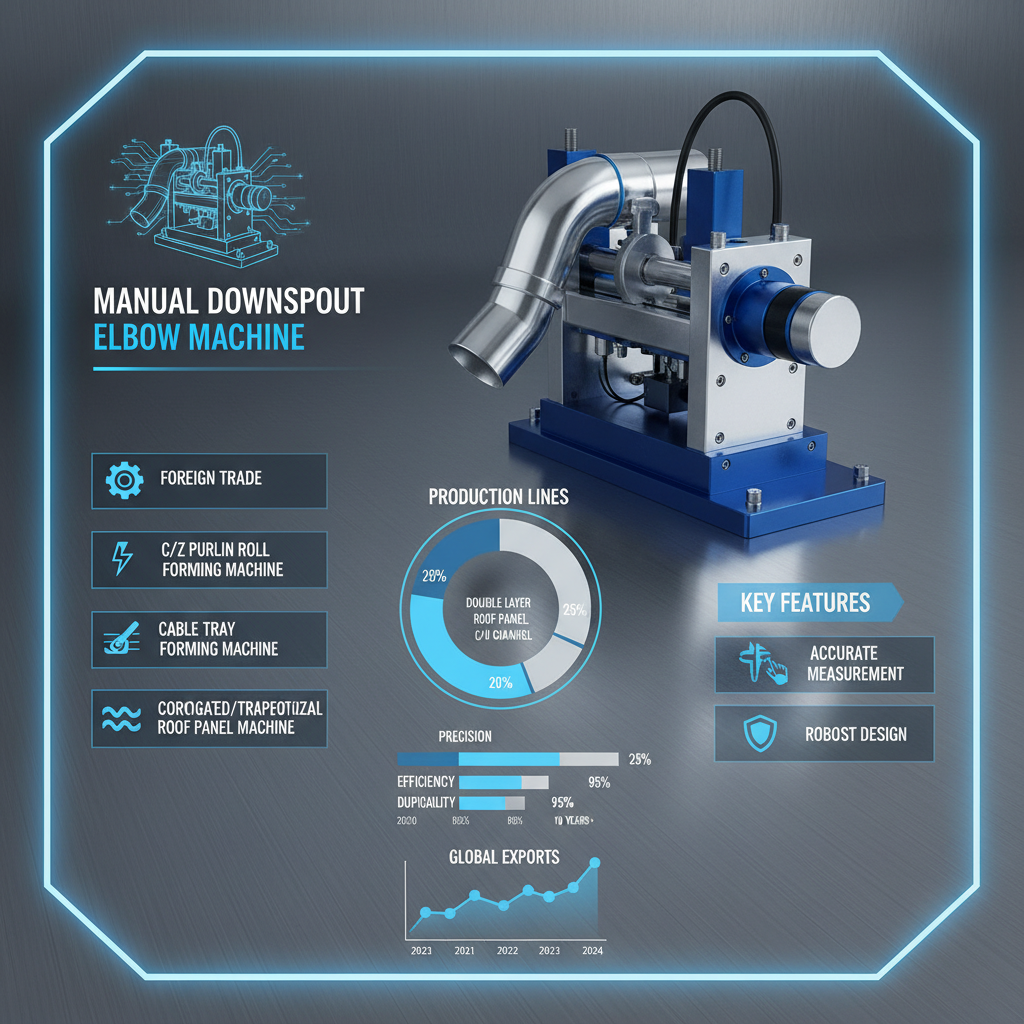
Selecting the optimal manual downspout elbow machine requires careful consideration of your specific needs. Determine the range of downspout sizes and materials you'll be working with. Check the machine's capacity – can it handle the thickness of the metal you intend to use? Consider the angle capabilities – does it offer the angles you require (45°, 90°, etc.)? Review the warranty and after-sales support offered by the manufacturer. Machine Ying Yee provides detailed specifications and responsive customer support to help you make the right choice.
A manual downspout elbow machine is a valuable asset for anyone involved in gutter system installation or fabrication. By understanding the key features, applications, and considerations outlined in this article, you can make an informed decision and select a machine that meets your specific needs. Investing in a quality machine will result in greater efficiency, improved accuracy, and ultimately, satisfied customers.
Most manual downspout elbow machines can handle aluminum, galvanized steel, and copper. The machine's specifications will indicate the maximum thickness of each material it can effectively bend. It's essential to use the correct die and settings for the specific material being processed to achieve accurate bends and avoid damage to the machine. Always consult the machine's manual for recommended material types and thicknesses.
Regular maintenance is crucial for ensuring the longevity and performance of your machine. Keep the machine clean and free of debris. Lubricate moving parts regularly, as recommended in the user manual. Inspect the dies for wear and tear and replace them when necessary. Periodically check and tighten any loose bolts or screws. Proper maintenance will prevent breakdowns and ensure smooth operation.
Always wear safety glasses to protect your eyes from flying metal fragments. Wear gloves to protect your hands from sharp edges. Ensure the machine is securely mounted on a stable surface before operation. Keep your hands clear of the bending area during operation. Never force the machine beyond its capacity. Follow all safety guidelines outlined in the machine's user manual.