

High Precision Glazed Tile Roof Sheet Machine Factory Equipment
Selecting a high-performance production line for architectural metal components requires a deep understanding of both mechanical precision and material science. For operators looking to produce aesthetic yet durable roofing solutions, the integration of precise roll forming and hydraulic cutting is paramount. This equipment is specifically engineered to transform stainless steel coils into structured glazed tile profiles, ensuring that each sheet maintains strict dimensional stability and structural integrity.
Modern construction demands a balance between the traditional look of ceramic tiles and the lightweight, durable properties of metal. By focusing on precision guide rail alignment and PLC-driven automation, manufacturers can achieve high-speed output without sacrificing the accuracy of the profile. Whether the goal is residential roofing or large-scale industrial cladding, the stability of the forming process directly dictates the longevity and weather-resistance of the final installation.

Engineering Precision in Metal Tile Roll Forming Processes
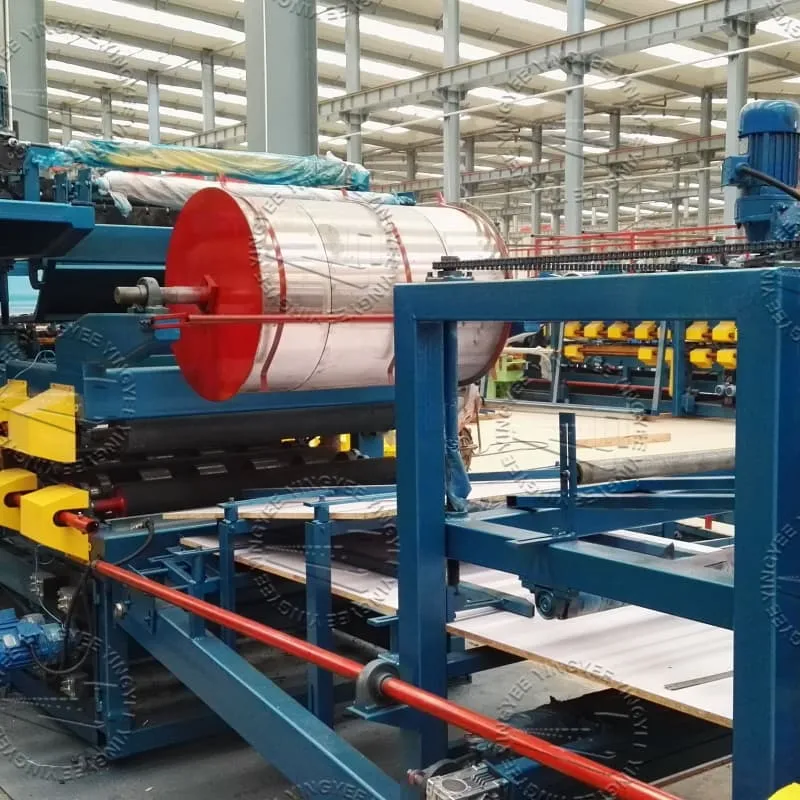
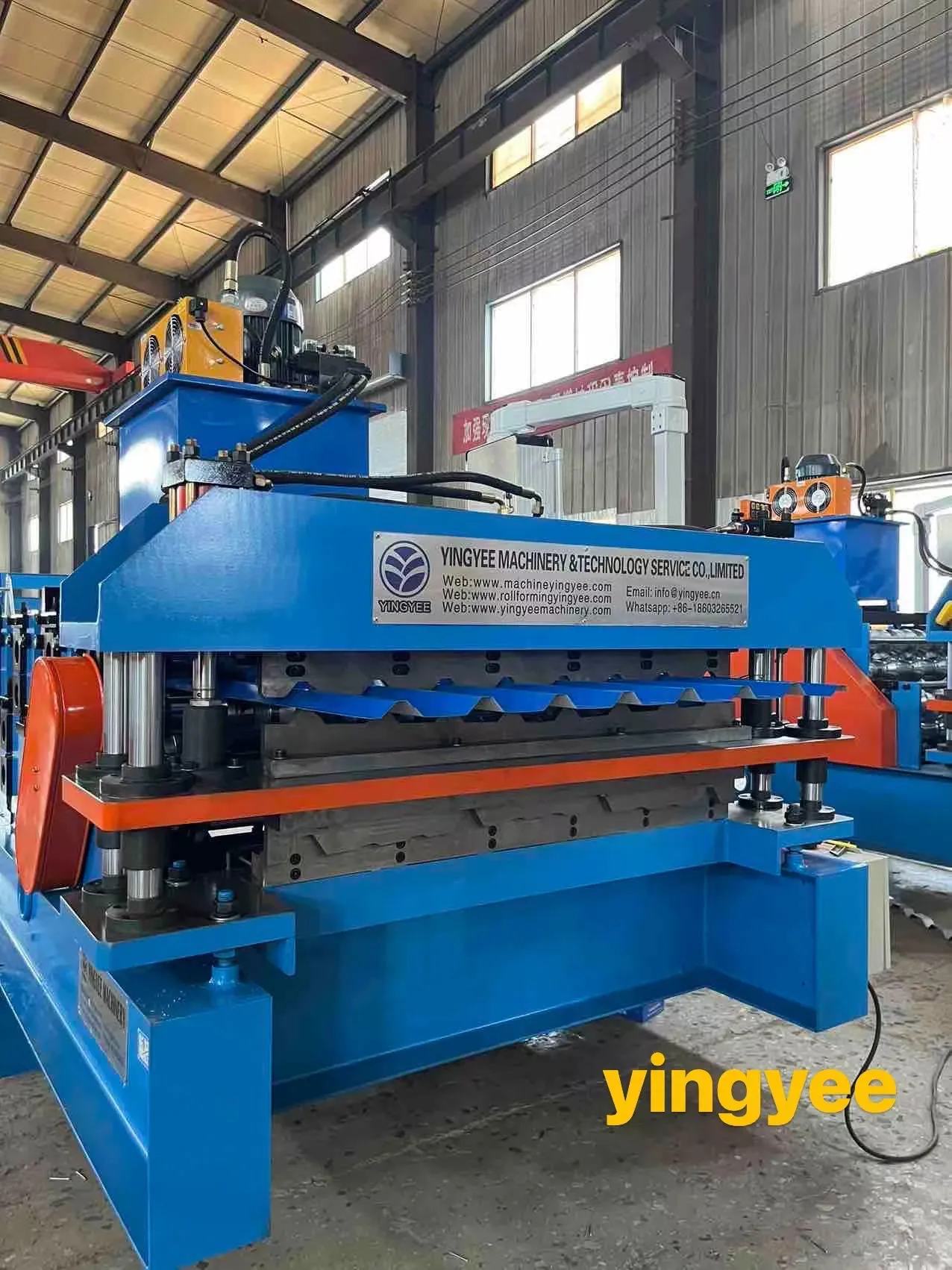
The efficiency of a metal roofing line depends on the seamless transition of the raw material through multiple forming stations. At the heart of this process is the Main Roll Forming Machine, which gradually shapes the stainless steel into the required glazed tile geometry. To ensure the material enters the system without tension or misalignment, a dedicated decoiler and adjustable input equipment are utilized, preventing surface scratches and ensuring a consistent feed rate.
Technical accuracy is further enhanced by the implementation of high-precision guide rails. In metal processing, the guide rail serves as the primary stabilization mechanism; any deviation in rail size or alignment can lead to skewed profiles or material warping. By adhering to rigorous standardization, the equipment ensures that the resulting sheets are perfectly uniform, which is critical for the interlocking mechanisms used during roof installation.
- Material Stability: High-grade stainless steel prevents oxidation and enhances the longevity of the roofing sheets.
- Automation: The PLC control system manages the timing between forming and cutting to maintain a steady production flow.
- Precision Cutting: Hydraulic punching and cutting devices ensure clean edges and exact lengths, reducing material waste.

Technical Specifications and Component Architecture
A robust production line is defined by its hardware capabilities and its ability to handle specific material gauges. The system described here utilizes a Servo Motor for the main power, providing superior torque control and positioning accuracy compared to traditional induction motors. This allows for a forming speed of approximately 8 pieces per minute for standard lengths, optimizing the balance between throughput and quality.
The integration of a centralized hydraulic station powers both the punching and cutting mechanisms. This ensures that the cutting force is distributed evenly across the sheet, preventing deformation at the cut ends. With a total weight of approximately 3.5 tons and a compact footprint of 4000x1200x1200mm, the machine is designed for industrial environments where floor space optimization is necessary without compromising on structural rigidity.
Operating on a 380V, 50Hz, 3-Phase power supply, the machinery is built for continuous industrial duty. The use of stainless steel for the input materials ensures that the final product is suitable for harsh environments, including coastal regions where salt spray corrosion is a primary concern for building owners.
Application Scenarios and Buyer Evaluation Criteria
Buyers evaluating equipment for a glazed tile roof sheet machine factory should prioritize the precision of the cutting style and the flexibility of the input equipment. In real-world applications, the ability to adjust input width and handle varying thicknesses (such as the 1mm standard) determines the versatility of the production line. The resulting metal tiles are widely used in modern villas, commercial pavilions, and industrial warehouses that require an aesthetic "tile" appearance with the installation speed of metal sheeting.
From a procurement perspective, the stability of the PLC system is a key value driver. An intuitive control interface reduces the learning curve for operators and allows for rapid adjustments in batch lengths. Furthermore, the reliability of the hydraulic cutter determines the post-production finishing time; clean, burr-free cuts eliminate the need for manual grinding, thereby reducing labor costs and increasing overall plant efficiency.
When selecting a supplier, it is essential to consider the after-sales technical support and the ability to customize the machine according to specific drawing requirements. Equipment that strictly abides by international business rules and technical regulations ensures a smoother import process and long-term compatibility with global industrial standards.
Technical Configuration and Performance Matrix
| Component/Feature | Technical Specification | Operational Role | Performance Impact |
|---|---|---|---|
| Main Power Unit | 5.5kw Servo Motor | Driving Rollers | High Positioning Accuracy |
| Hydraulic System | 4kw Power Station | Punching & Cutting | Consistent Cutting Force |
| Material Input | 1mm Stainless Steel | Raw Material Feed | Corrosion Resistance |
| Production Speed | ~8 pcs/min | Output Rate | High Volume Efficiency |
| Control Logic | PLC System | Process Automation | Reduced Manual Error |
Quality Assurance in Metal Processing Equipment
Reliability in heavy machinery is not achieved by chance but through rigorous design and material selection. The structural frame of the roll forming machine must be capable of absorbing the vibrations generated during high-speed operation. By using reinforced steel for the chassis and precision-ground rollers, the equipment minimizes mechanical play, which is the leading cause of profile inconsistency in lower-grade machinery.
The synergy between the decoiler and the main forming unit is critical. If the material is fed with inconsistent tension, the resulting "oil canning" or waving effect on the roof sheets can render the product unusable. Therefore, the adjustable input equipment is not merely an accessory but a core component of the quality control chain, ensuring the stainless steel enters the first forming station in a perfectly neutral state.
Furthermore, the adherence to international business regulations and standards in the design phase ensures that the equipment is safe, energy-efficient, and easy to maintain. Regular calibration of the hydraulic cutting device and the PLC parameters allows the operator to maintain tight tolerances over thousands of cycles, ensuring that the 10th piece is as accurate as the 1,000th.
Future Trends in Architectural Metal Roofing Production
The industry is moving toward higher levels of integration and "smart" manufacturing. We are seeing a transition from simple PLC controls to fully networked systems that can track material usage and output quality in real-time. For manufacturers, this means a shift toward data-driven production, where the machine can automatically alert operators to wear and tear on the rollers before the product quality degrades.
Sustainability is also playing a larger role. The move toward stainless steel and other recyclable alloys for glazed tile profiles reduces the environmental impact of roofing projects. Future equipment iterations will likely focus on reducing power consumption through more efficient servo-drive technologies and minimizing scrap metal through optimized nesting and precision cutting algorithms.
As architectural styles evolve, the demand for more complex tile profiles will increase. The ability to quickly swap roll sets or adjust guide rail configurations will become a competitive advantage for factories. Investing in modular equipment that can be upgraded as market demands shift is the most strategic approach for long-term viability in the metal processing sector.
Technical and Procurement FAQ
What is the primary advantage of using a servo motor over a standard motor in this machine?
A servo motor provides precise control over speed, position, and acceleration. In roll forming, this ensures that the material is advanced exactly the required distance before the hydraulic cutter activates, resulting in highly accurate sheet lengths and reduced material waste.
How does the guide rail size affect the final quality of the roof sheet?
The guide rail maintains the lateral position of the metal strip. If the rail size is inaccurate or not standardized, the material may shift during forming, leading to asymmetrical profiles or "twisting" of the sheets, which makes installation difficult and looks unprofessional.
Can this machine handle materials other than stainless steel?
While this specific configuration is optimized for 1mm stainless steel, the system's adjustable input equipment and PLC controls can often be adapted for other metals like galvanized steel or aluminum, depending on the hardness and thickness of the material.
What is the typical maintenance requirement for the hydraulic cutting system?
Regular maintenance includes checking hydraulic oil levels, replacing filters, and inspecting the cutting blades for wear. Proper lubrication of the moving parts and periodic calibration of the PLC timing are essential to maintain the 8 pcs/min production speed.
What should I verify before purchasing a roll forming line for my facility?
Verify the power compatibility (e.g., 380V, 3Phase), the maximum input width the machine can handle, and the precision of the cutting style. It is also critical to ensure the supplier provides comprehensive technical documentation and on-site or remote support for installation.
How does the PLC system improve production efficiency?
The PLC system automates the synchronization between the roll forming speed and the cutting cycle. This removes the need for manual measurement and cutting, significantly increasing output speed while ensuring every piece is identical in length.
Technical References and Industry Standards
- ISO International Standards for Industrial Machinery
- ASTM International Standards for Metal Roofing Materials
- IEEE Standards for Industrial Automation and Control Systems
- World Steel Association - Technical Guidelines for Steel Processing
For businesses seeking to upgrade their production capabilities, investing in a precision-engineered forming line is the most effective way to ensure product consistency and market competitiveness. By focusing on technical specifications and supplier reliability, you can establish a production process that meets the highest international architectural standards.
Related Technical Solutions




 English
 Afrikaans
 Albanian
 Amharic
 Arabic
 Armenian
 Azerbaijani
 Basque
 Belarusian
 Bengali
 Bosnian
 Bulgarian
 Catalan
 Cebuano
 China
 China (Taiwan)
 Corsican
 Croatian
 Czech
 Danish
 Dutch
 Esperanto
 Estonian
 Finnish
 French
 Frisian
 Galician
 Georgian
 German
 Greek
 Gujarati
 Haitian Creole
 Hausa
 Hawaiian
 Hebrew
 Hindi
 Miao
 Hungarian
 Icelandic
 Igbo
 Indonesian
 Irish
 Italian
 Japanese
 Javanese
 Kannada
 Kazakh
 Khmer
 Rwandese
 Korean
 Kurdish
 Kyrgyz
 Lao
 Latin
 Latvian
 Lithuanian
 Luxembourgish
 Macedonian
 Malgashi
 Malay
 Malayalam
 Maltese
 Maori
 Marathi
 Mongolian
 Myanmar
 Nepali
 Norwegian
 Norwegian
 Occitan
 Pashto
 Persian
 Polish
 Portuguese
 Punjabi
 Romanian
 Russian
 Samoan
 Scottish Gaelic
 Serbian
 Sesotho
 Shona
 Sindhi
 Sinhala
 Slovak
 Slovenian
 Somali
 Spanish
 Sundanese
 Swahili
 Swedish
 Tagalog
 Tajik
 Tamil
 Tatar
 Telugu
 Thai
 Turkish
 Turkmen
 Ukrainian
 Urdu
 Uighur
 Uzbek
 Vietnamese
 Welsh
 Bantu
 Yiddish
 Yoruba
 Zulu