Roll Forming Machinery An Overview of Its Importance and Applications
Roll forming machinery plays a vital role in modern manufacturing, providing efficient solutions for producing a wide range of metal products. This innovative process involves the continuous bending of a strip or coil of metal into desired shapes and profiles through a series of rollers. The significance of roll forming machinery extends across various industries, including construction, automotive, appliances, and many more.
At its core, roll forming is an industrial process that uses a sequence of rollers to gradually shape flat metal sheets into specific cross-sectional configurations. The process begins with the feeding of a metal strip, typically made of steel or aluminum, into the formed rollers. These rollers are designed to bend the metal incrementally, allowing for precise control over the final shape and dimensions of the product. The machinery operates at high speeds, making it an efficient choice for mass production.
One of the primary advantages of roll forming machinery is its ability to produce complex shapes with a high degree of accuracy. The equipment can create an extensive range of profiles, including channels, angles, and seams, which makes it ideal for creating components used in construction, such as roofing, siding, and structural frames. Furthermore, roll forming can accommodate various thicknesses of material, allowing manufacturers to tailor products to suit specific applications.
In the automotive industry, roll forming is instrumental in producing parts such as bumpers, chassis components, and interior structural elements. The ability to create strong, lightweight parts is crucial in meeting the industry's demand for fuel-efficient vehicles. Roll forming machinery can also incorporate advanced technologies, such as integrated punching and notching capabilities, which streamline the production process by reducing the need for subsequent machining operations.
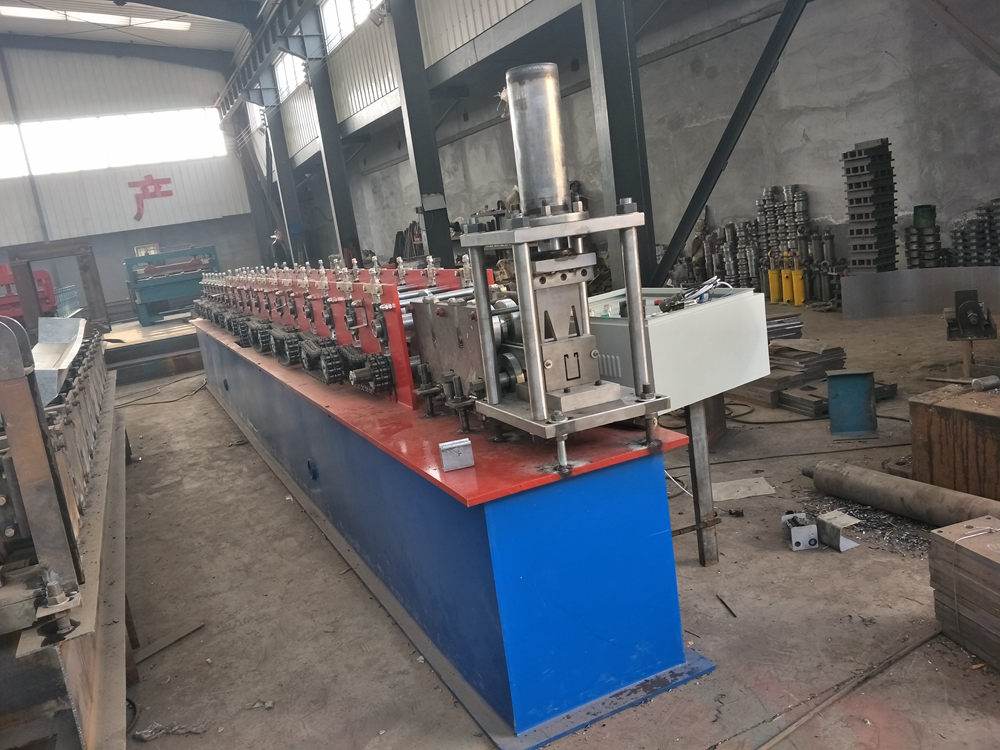
The adaptability of roll forming machinery extends beyond just metal shaping. Manufacturers can easily switch out tooling to accommodate different designs, leading to shorter lead times and reduced setup costs. This flexibility is a significant advantage for companies looking to respond quickly to changing market demands or customer specifications. Additionally, many roll forming systems are designed for automation, which enhances productivity and minimizes human error, ultimately improving the overall efficiency of the manufacturing process.
Another compelling aspect of roll forming is its cost-effectiveness in high-volume production. Once the initial setup is complete, the process can run continuously, resulting in significant cost savings over time. Moreover, the minimal waste generated during roll forming compared to other methods, such as stamping or machining, contributes to more sustainable manufacturing practices. This aligns well with the increasing emphasis on environmental responsibility across industries.
It is also essential to consider the technological advancements in roll forming machinery. Modern systems incorporate computer numerical control (CNC) technology, allowing for precise adjustments and real-time monitoring during the production process. These advancements enable manufacturers to produce high-quality products while optimizing performance and energy consumption.
In conclusion, roll forming machinery is a cornerstone of modern manufacturing, offering efficiency, precision, and versatility across various applications. Its ability to create complex shapes with minimal waste makes it an attractive option for industries ranging from construction to automotive. As technology continues to advance, the capabilities of roll forming machinery will likely expand, further solidifying its position as a critical component of the manufacturing landscape. For businesses looking to enhance their production capabilities, investing in roll forming technology can lead to significant improvements in efficiency, cost-effectiveness, and overall product quality. In a world where precision and adaptability are paramount, roll forming machinery stands as a testament to the innovative spirit of modern engineering.