The rack roll forming machine is a pivotal piece of equipment for businesses in the storage solutions and material handling industries. This technology offers a cost-effective and efficient method for producing high-quality racking systems. This article will explore the functionalities, applications, benefits, and key considerations when investing in a rack roll forming machine. Understanding these aspects will help you determine if this technology is the right fit for your production needs, and how to select the best machine for your specific requirements. We'll cover everything from the roll forming process itself to the various types of machines available and their suitability for different racking profiles.
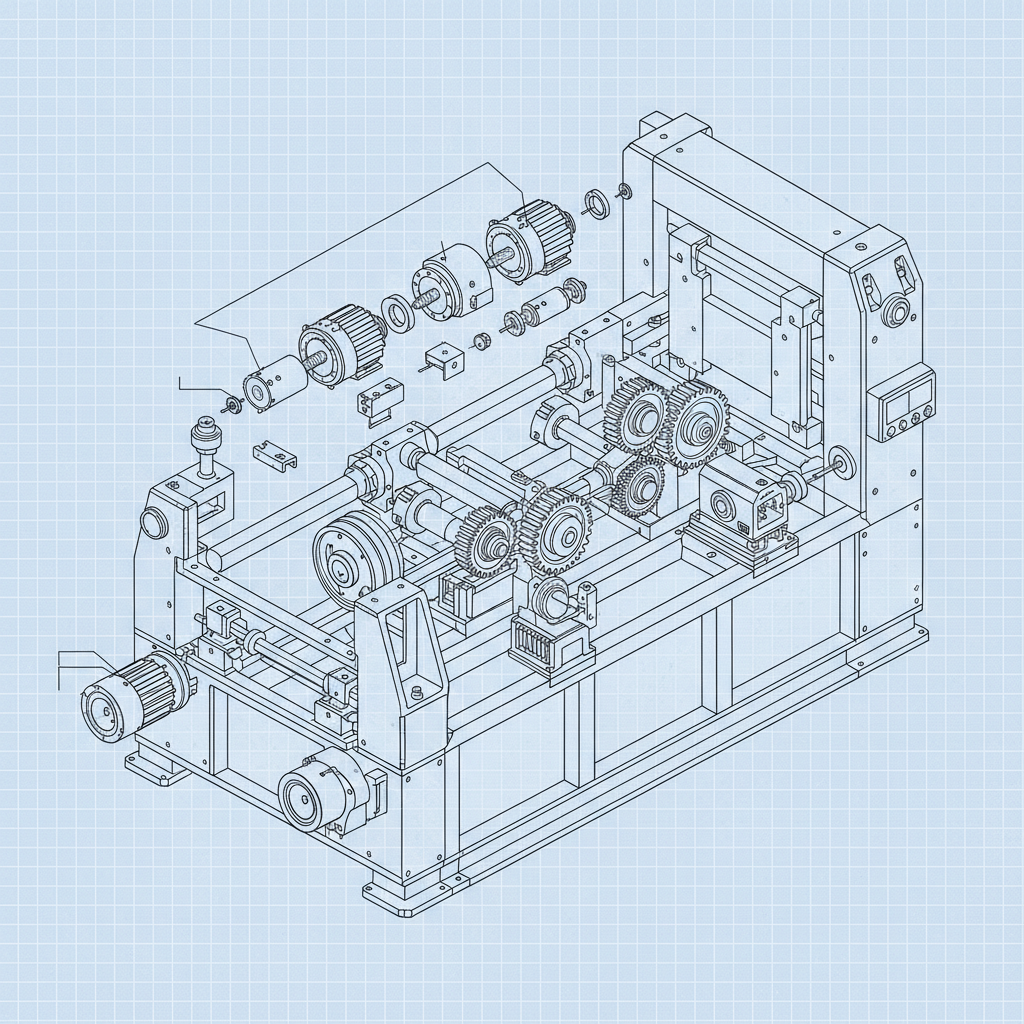
Roll forming is a continuous bending process where metal coils are passed through a series of rollers, each shaping the metal incrementally until the desired profile is achieved. For rack systems, this typically involves creating uprights, beams, and other structural components. The key advantage of roll forming over other methods like pressing or welding is its speed and efficiency, leading to higher production volumes and lower manufacturing costs. The process is also highly repeatable, ensuring consistent quality across all produced parts. Furthermore, roll forming minimizes material waste, contributing to a more sustainable manufacturing process. Machine Yingyee offers a range of rack roll forming machines tailored to various production needs.
Key Highlights: Roll forming is a continuous bending process, offering speed, efficiency, and consistent quality for rack system production.
Rack roll forming machines are essential for manufacturing various types of racking systems, including: pallet racking, shelving, cantilever racking, and mezzanine floors. These racking systems are widely used in warehouses, distribution centers, retail stores, and manufacturing facilities. The versatility of these machines allows for the production of racks with different load capacities and dimensions, catering to diverse storage requirements. From light-duty shelving for retail to heavy-duty pallet racking for industrial applications, a rack roll forming machine can handle a broad spectrum of projects.
Common Rack Types Produced:
• Pallet Racking
• Shelving Units
• Cantilever Racking
• Mezzanine Flooring Supports
When selecting a rack roll forming machine, several key features should be considered. These include the machine's capacity (thickness and width of the metal coil it can handle), the number of forming stations, the level of automation, and the control system. A higher number of forming stations generally leads to more precise profiles. Automation features, such as automatic coil loading and unloading, can significantly increase productivity. The control system should be user-friendly and allow for precise adjustments to the roll forming process. Consider the long-term maintenance and support offered by the manufacturer as well.
Investing in a rack roll forming machine offers numerous benefits. Firstly, it significantly reduces production costs compared to traditional methods. Secondly, it increases production speed and capacity. Thirdly, it ensures consistent product quality. Additionally, it provides greater design flexibility, allowing you to produce a wide range of rack profiles. Finally, it enhances your competitiveness in the market by enabling you to offer high-quality racking systems at competitive prices.
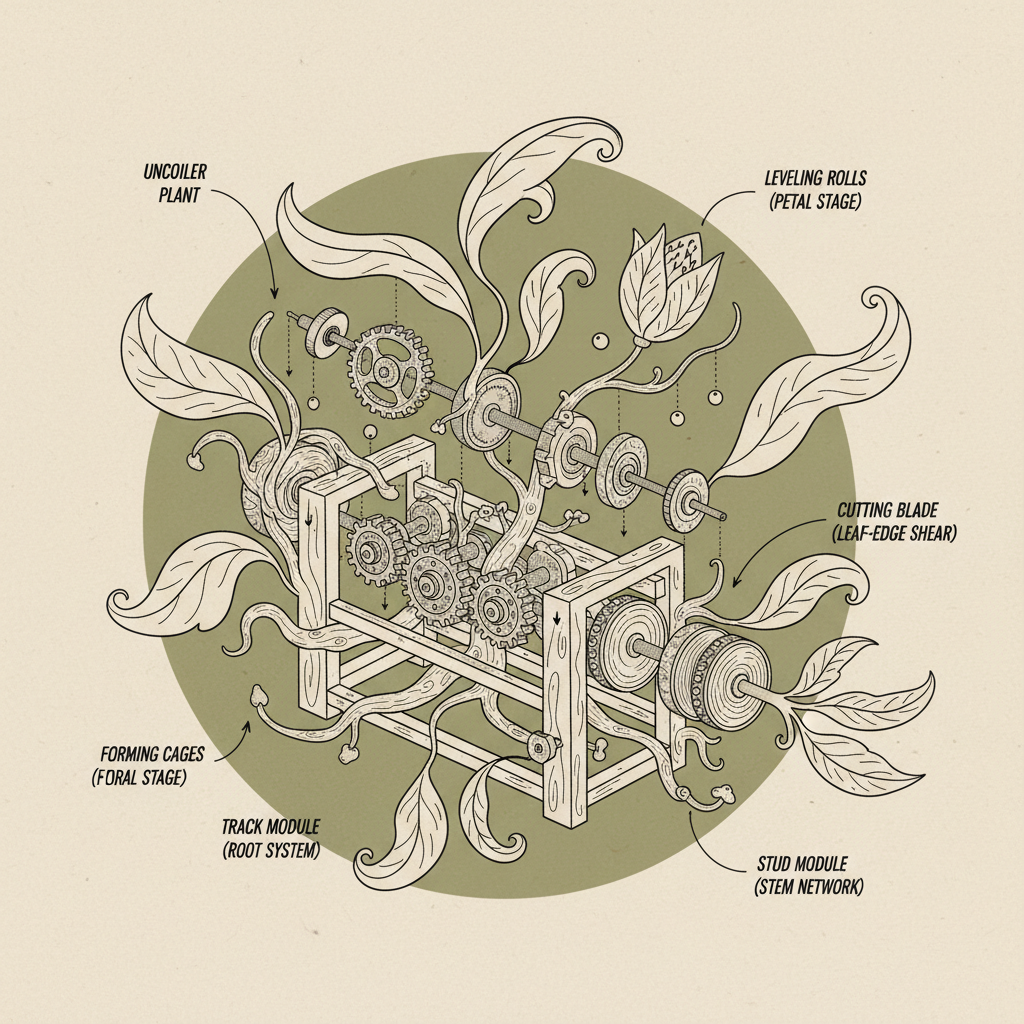
Choosing the right machine requires careful consideration of your specific needs. Determine your production volume, the types of racking systems you plan to manufacture, and your budget. Consider the available space in your facility and the power requirements of the machine. Look for a reputable manufacturer with a proven track record and excellent customer support. Machine Yingyee provides custom solutions to match your exact requirements.
A rack roll forming machine is a strategic investment for businesses seeking to improve efficiency, reduce costs, and enhance product quality in the racking industry. By carefully evaluating your needs and selecting a machine from a reputable manufacturer, you can unlock significant benefits and gain a competitive edge in the market.
Most rack roll forming machines are designed to work with various types of steel, including galvanized steel, cold-rolled steel, and stainless steel. The thickness of the material will depend on the machine's capacity. It's essential to choose a material that meets the required strength and durability standards for the specific racking application. Machine Yingyee offers machines capable of handling a wide range of materials to suit diverse project requirements.
While modern rack roll forming machines are increasingly automated, some level of operator skill is still required. Operators need to understand the machine's controls, how to adjust the forming parameters, and how to perform basic maintenance. Training is typically provided by the machine manufacturer. With proper training, operators can efficiently and safely operate the machine to produce high-quality racking components.
The lead time for delivery can vary depending on the machine's complexity and the manufacturer's production schedule. Typically, it ranges from 8 to 16 weeks. Custom-designed machines may require a longer lead time. It's best to discuss your specific requirements and timeline with the manufacturer to get an accurate estimate.